

Executive Overview
Industrial hemp is experiencing a powerful renaissance across American agriculture. Since the historic passage of the 2018 Farm Bill—which federally decoupled hemp from its cannabis cousin and opened the door for its cultivation as a mainstream agricultural commodity—farmers from the rolling hills of Pennsylvania to the expansive plains of the Midwest have looked at the versatile crop with renewed interest. While early post-prohibition production focused heavily on industrial fibers and CBD extracts, the agricultural sector is rapidly pivoting toward a more lucrative and nutritionally dense frontier: industrial hemp grown for grain.
Hemp grain is an agronomic powerhouse, yielding a nutrient-dense seed packed with approximately 25% fatty-acid-rich oil, 27% complete protein (including eight essential amino acids), 22% fiber, 20% carbohydrates, and an array of vital minerals and vitamins. Yet, transitioning this ancient crop into a reliable, high-performing commodity within regenerative organic systems presents steep challenges. Yields and nutritional profiles fluctuate wildly based on genetics, regional weather patterns, and farm management practices, with reported harvests ranging anywhere from a few hundred pounds to well over a thousand pounds per acre.
To bridge this knowledge gap, the world-renowned Rodale Institute—a global leader in regenerative organic agriculture headquartered in Kutztown, Pennsylvania—has partnered with the United States Department of Agriculture’s Agricultural Research Service (USDA-ARS) in Wyndmoor. Together, they are spearheading a pioneering multi-year field study. Funded by the USDA and administered through the Commonwealth Specialty Crop Block Grant Program by the Pennsylvania Department of Agriculture, this initiative is investigating how specific cover crop regimes can dramatically boost hemp grain yields, enhance nutritional quality, and fortify soil microbiomes without relying on synthetic chemical inputs.
As the project moves through its critical phases from 2024 to 2027, it promises to deliver practical, science-backed solutions for specialty crop growers, beginning farmers, and agricultural stakeholders navigating the complex landscape of regenerative organic hemp production.
Detailed Chronology: The Evolution of the Research Trial
To understand the trajectory of this groundbreaking study, one must trace the timeline of regenerative trials currently underway at Rodale Institute’s Kutztown campus.
Laying the Groundwork (2024–2025)
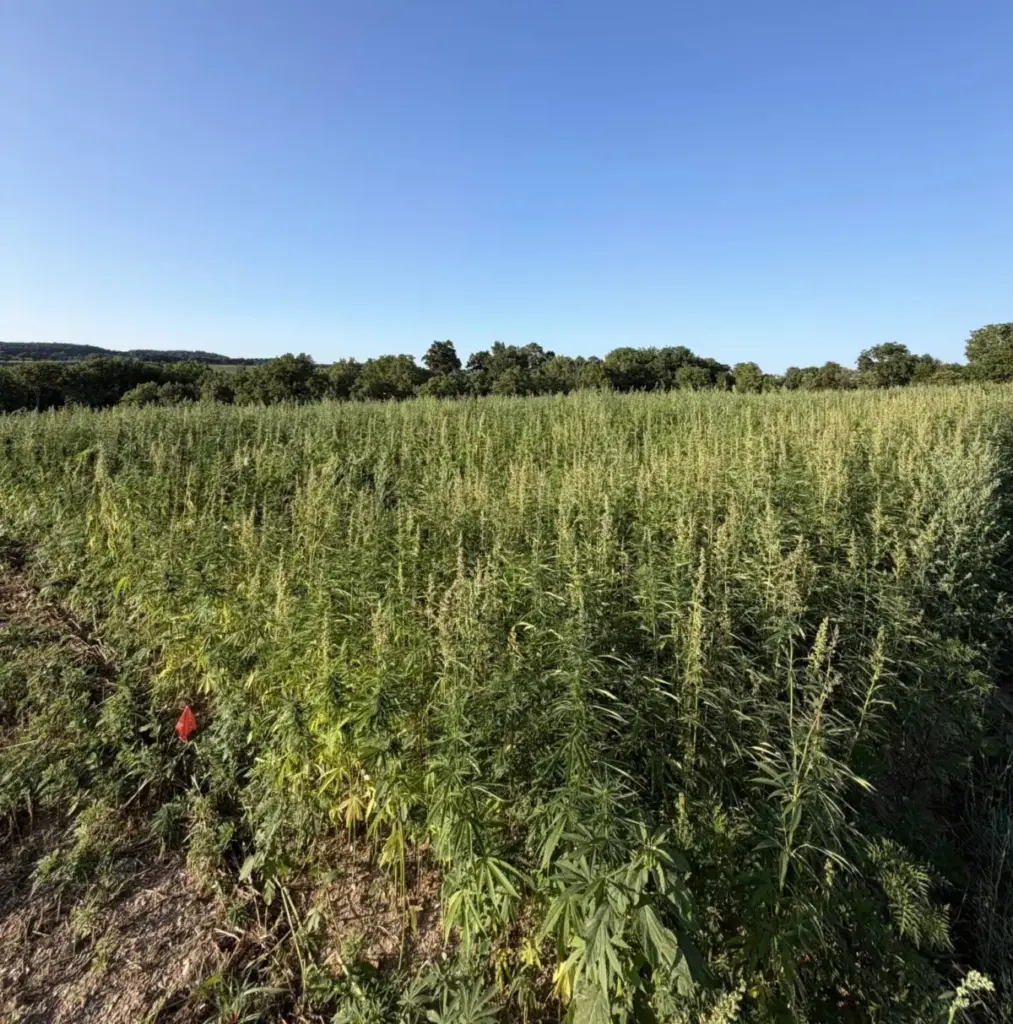
The multi-year project was officially established to answer critical questions plaguing organic hemp producers: How do pre-planting cover crops influence the growth, health, and yield of subsequent hemp grain crops? To answer this, researchers established a meticulous experimental design using precision-measured plots measuring 20 feet by 60 feet.
The team implemented a matrix of four distinct cover crop treatments to prepare the soil ahead of hemp cultivation:
- No Cover Crop (Control): Fallow soil managed according to standard regional practices.
- Triticale Alone: A hardy cereal grain hybrid of wheat and rye, utilized for its deep root systems and biomass production.
- Hairy Vetch Alone: A nitrogen-fixing legume capable of pulling atmospheric nitrogen and depositing it into the soil profile.
- Triticale-Hairy Vetch Mix: A synergistic combination designed to simultaneously improve carbon-to-nitrogen ratios, suppress weeds, and stabilize topsoil.
Following the termination of these cover crops, researchers planted two prominent grain hemp varieties—CFX-2 and Indigo—at a standardized seeding rate of 40 pounds per acre. Each of the eight resulting treatment combinations was replicated four times across the experimental acreage to ensure statistical validity and account for environmental variance.
Expanding the Scope and Public Engagement (2026)
As the project advanced into its second year, the focus expanded from pure soil chemistry to include root-level biological interactions and public outreach. Partnering directly with USDA-ARS scientists, the research team began analyzing arbuscular mycorrhizal (AM) fungi—beneficial soil microorganisms that form symbiotic relationships with plant roots, dramatically expanding their surface area to absorb water and micro-nutrients.
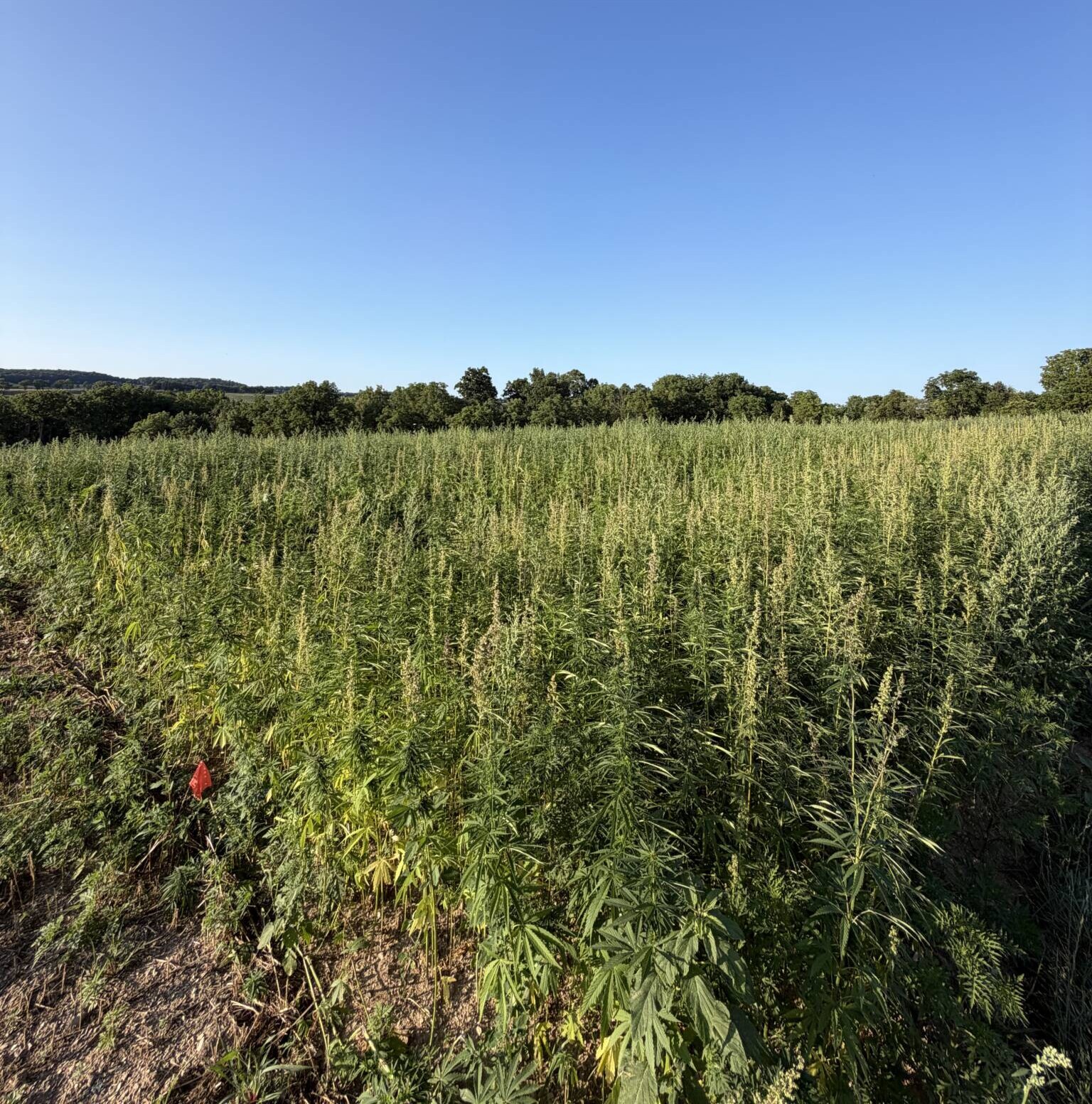
Milestone achievements in 2026 culminated on July 17, 2026, when Rodale Institute hosted its annual Organic Field Day. The event drew approximately 500 visitors, including regional farmers, agronomists, and industry stakeholders. Researchers showcased the living hemp plots, offering live demonstrations of how cover-cropped soil systems visibly enhanced plant vigor, resilience, and root mass compared to the control plots.
The Road Ahead (2027 and Beyond)
The final phase of the project will involve exhaustive laboratory testing of the harvested grain samples. Researchers will quantify protein structures, amino acid profiles, fatty acid distributions, mineral content, and specialized antioxidant levels. Final datasets, white papers, and extension guidelines will be compiled and distributed globally to help growers establish resilient, profitable hemp grain supply chains.
Supporting Context & Metrics: Unlocking the Soil-Plant-Human Continuum
The Rodale-USDA study is anchored in a holistic view of agriculture often described as the "soil-plant-human continuum"—the idea that healthy, biologically active soil produces nutrient-dense plants, which in turn foster human health.
The Cover Crop Catalyst
Cover crops are the cornerstone of regenerative organic farming. For generations, conventional agriculture relied on synthetic fertilizers and chemical weed killers to force yields, often degrading soil structure, killing beneficial microbes, and causing severe agricultural runoff. In contrast, cover crops like triticale and hairy vetch keep fields continuously rooted, preventing erosion, sequestering atmospheric carbon, suppressing weed pressure, and feeding the underground soil food web.
However, prior to this study, the specific mechanisms by which these cover crops interact with grain hemp were largely unmapped. Triticale excels at building organic matter and carbon, while hairy vetch acts as a natural biological fertilizer by fixing atmospheric nitrogen into plant-available forms. When paired together, they create a nutrient-rich, structurally sound seedbed that eliminates the need for expensive, fossil-fuel-derived synthetic nitrogen.
The Mycorrhizal Connection
One of the most exciting dimensions of the 2026 research is the deep-dive into arbuscular mycorrhizal fungi. In previous investigations conducted by Rodale Institute, fiber hemp varieties demonstrated extraordinary fungal root colonization rates ranging from 37% to 54%, with specific cultivars like MS 77 showing maximum fungal affinity. These fungi are proven to increase overall crop yields by roughly 15% on average while helping plants withstand environmental stresses such as drought and disease.
By examining how cover crops stimulate these fungi in grain hemp varieties, researchers hope to unlock a natural biological mechanism for boosting both yield quantity and quality. Furthermore, the team is breaking new scientific ground by testing harvested grain for ergothioneine—a rare, potent antioxidant amino acid linked in medical literature to neuroprotection and the prevention of neurodegenerative conditions like Alzheimer’s disease. Ergothioneine has historically been studied in mushrooms, but its presence and potential enhancement in hemp grain could radically elevate the commodity’s market value.
Nutritional Profile of Hemp Grain
To understand why food companies and health-conscious consumers are eagerly watching this research, one must look at the biochemical breakdown of the hemp seed itself:
- Protein (27%): Packed with all eight essential amino acids, making it a complete plant-based protein source comparable to meat and soy.
- Fatty Acids (25%): Exceptionally rich in heart-healthy Omega-3 and Omega-6 polyunsaturated fatty acids in an ideal nutritional ratio.
- Dietary Fiber (22%): Essential for maintaining gut health and metabolic balance.
- Carbohydrates (20%): Low-glycemic complex carbohydrates that provide sustained energy.
- Micronutrients: Abundant in magnesium, iron, zinc, potassium, and vitamins E and B-complex.
Official Statements & Industry Perspectives
The urgency and promise of the research are underscored by the agricultural scientists leading the initiative on the ground.
"There is a real need for practical guidance on how to grow hemp grain successfully in organic systems," stated Dr. Dinesh Panday, Industrial Hemp Researcher and Soil Scientist at Rodale Institute.
"By testing management practices that are affordable and accessible, rather than relying on heavy synthetic fertilizer inputs, our goal is to give farmers science-backed options that improve both their harvest yields and their long-term soil health."
Dr. Panday’s sentiments reflect a broader industry demand. As supply chains look for regionally adaptable, sustainable crops that can withstand climate volatility, industrial hemp stands out. However, without empirical data on agronomic best practices, many risk-averse farmers have been hesitant to allocate valuable acreage to an unfamiliar crop. This multi-year trial directly addresses that hesitation by replacing speculation with hard, reproducible data.
Project organizers note that the immediate beneficiaries of this research will be Pennsylvania’s specialty crop farmers, including beginning and underserved agriculturalists seeking high-value alternative enterprises. Through published academic papers, hands-on field days, webinars, and extension workshops, the findings are projected to directly educate and empower approximately 500 growers across the Mid-Atlantic region and beyond.
Future Outlook: Building a Resilient Supply Chain from Soil to Plate
As the Rodale Institute and USDA-ARS research partnership heads toward its 2027 completion date, the implications stretch far beyond the research plots in Kutztown, Pennsylvania.
Industrial hemp is rapidly transitioning from a novelty crop into a pillar of the modern plant-based economy. From artisanal bakeries incorporating protein-rich hemp hearts into artisan breads to beverage manufacturers formulating nutrient-dense plant milks, consumer demand for hemp-derived food products is escalating. Yet, food manufacturers face a persistent bottleneck: inconsistent grain quality and unpredictable domestic supply volumes.
By establishing standardized, regenerative management protocols—such as optimal cover crop pairings and biological soil enhancement—this research lays the foundation for a transparent, highly resilient domestic hemp supply chain. Farmers utilizing these methods will be able to consistently produce high-yielding, nutrient-dense grain without degrading their land, driving down input costs while commanding premium prices in organic markets.
Ultimately, the work being conducted in Pennsylvania proves that agriculture can do more than just extract resources from the earth. Through rigorous scientific inquiry and a commitment to regenerative organic principles, farming can heal the soil, nourish human bodies, and secure a sustainable economic future for the next generation of American growers.
This investigative research project is generously funded by the U.S. Department of Agriculture and administered through the Commonwealth Specialty Crop Block Grant Program by the Pennsylvania Department of Agriculture.



