Executive Overview
The automotive landscape in the United States is undergoing a quiet, yet profound, transformation. For years, the narrative surrounding battery-electric vehicles (BEVs) was dominated by a singular, persistent barrier to entry: exorbitant upfront costs. While early adopters and environmentally conscious consumers were willing to shoulder a steep green premium, the mass market remained largely hesitant, deterred by window stickers that routinely placed EVs tens of thousands of dollars out of reach compared to their internal combustion engine (ICE) counterparts.
That narrative is rapidly rewriting itself. According to the latest comprehensive market data released by Kelley Blue Book (KBB), electric vehicle prices in the United States are continuing their downward trajectory, driving the price differential between EVs and traditional gas-powered cars down to the smallest margin ever recorded in automotive history.
In March, the average transaction price (ATP) for a new EV dropped to $54,508. This figure represents a notable 2.8% decrease compared to the same period last year, marking the third consecutive month of overall price declines across the sector. Furthermore, prices slipped another 0.7% from February—a month whose figures were already revised downward.
Perhaps the most significant milestone in this shift is the narrowing of the affordability gap. The price delta between a new electric vehicle and a standard internal combustion vehicle has compressed to approximately $5,800. This historic contraction signals that the long-awaited tipping point for mass-market EV adoption is no longer a distant theoretical horizon, but an unfolding economic reality.
Behind these shifting numbers lies a complex interplay of aggressive automaker incentives, strategic price adjustments by dominant industry players like Tesla, and a fiercely competitive market environment striving to capture consumer interest in an evolving regulatory and financial climate.
Detailed Chronology of the Market Shift
To fully understand how the electric vehicle market arrived at this unprecedented juncture, it is essential to examine the chronological progression of pricing trends over recent quarters. The systematic erosion of EV price premiums did not happen overnight; rather, it is the cumulative result of sustained downward pressure from both macroeconomic forces and aggressive corporate strategy.
Late 2024 to Early 2025: The Foundation of Correction
Following years of supply chain disruptions, semiconductor shortages, and post-pandemic inflationary spikes that pushed new vehicle prices across all powertrains to historic highs, late 2024 laid the groundwork for a market correction. Automakers, having rapidly scaled up production capacities, began facing an inventory build-up. Early price cuts initiated by market leaders forced legacy automakers to reconsider their pricing architectures.
Q1 2026: The Three-Month Slide
The momentum accelerated sharply at the start of 2026. Data compiled by Cox Automotive and Kelley Blue Book tracking the first quarter of the year reveals a consistent monthly decline:
- January 2026: Established a stabilizing baseline as automakers introduced winter promotions to clear out remaining model-year inventory.
- February 2026: Witnessed a downward revision of initial estimates, reflecting deeper-than-anticipated discounting across both domestic and import brands.
- March 2026: Cemented the trend with a 0.7% drop month-over-month, bringing the average transaction price down to $54,508—a 2.8% year-over-year decline.
This sustained three-month downward trend demonstrated that price reductions were not merely erratic flash sales, but a systemic recalibration of the EV market. As production efficiencies improved and battery material costs (such as lithium, cobalt, and nickel) stabilized globally, automakers found themselves with the financial headroom necessary to pass savings down to the consumer.
Supporting Context & Metrics: The Mechanics Behind the Price Drop
A superficial glance at sticker prices only tells half the story. The true engine driving this affordability revolution is a combination of aggressive incentive spending and a fundamental narrowing of the gap between alternative-fuel and gas-powered vehicles.
The Power of Incentives: Heavy Lifting by Automakers
Incentives have become the primary mechanism through which manufacturers are stimulating demand and clearing lots. In March, the average incentive package for a new electric vehicle climbed to an extraordinary 14.6% of the transaction price. In monetary terms, this translates to nearly $8,000 in savings per vehicle.
To put this into perspective, consider the following metrics:
- EV incentive levels are now more than double the wider automotive industry average.
- Incentive spending has risen steadily from 14.2% in February.
- Compared to the same period a year prior, when incentives hovered around 12.9% of ATP, automakers are dedicating a significantly larger portion of their revenue to subsidizing consumer purchases.
This surge in promotional spending is particularly noteworthy given the shifting federal regulatory and tax landscape. Despite fluctuations and uncertainties surrounding federal EV tax credits, manufacturers have effectively stepped into the breach, utilizing corporate discounting to bridge the gap and keep vehicles moving off dealership lots.
The Shrinking Gap: EVs vs. Internal Combustion Engines
The ultimate metric of market maturation is price parity with legacy gas vehicles. For over a decade, analysts debated when EVs would achieve cost parity without subsidies. While total cost of ownership (TCO)—accounting for fuel and maintenance savings—has favored EVs for years, the upfront purchase price remained a psychological and financial hurdle.

That hurdle is shrinking faster than anticipated. Kelley Blue Book data confirms that the average transaction price gap between an electric vehicle and a traditional internal combustion engine vehicle has narrowed to approximately $5,800.
+-------------------------------------------------------+
| EV vs. ICE Average Transaction Price (ATP) Gap        |
+-------------------------------------------------------+
| Historical Peak:      $15,000+ (2021-2022)            |
| Previous Quarter:     ~$6,500  (February 2026)        |
| Current Standing:     ~$5,800  (March 2026)           |
+-------------------------------------------------------+
When factoring in the nearly $8,000 average incentive package currently attached to new EV purchases, the upfront transactional difference is effectively wiped out at the point of sale. Consumers walking onto a lot are increasingly finding that choosing an electric vehicle no longer requires a punishing financial sacrifice.
The Tesla Factor: Pricing, Incentives, and a Mixed Sales Picture
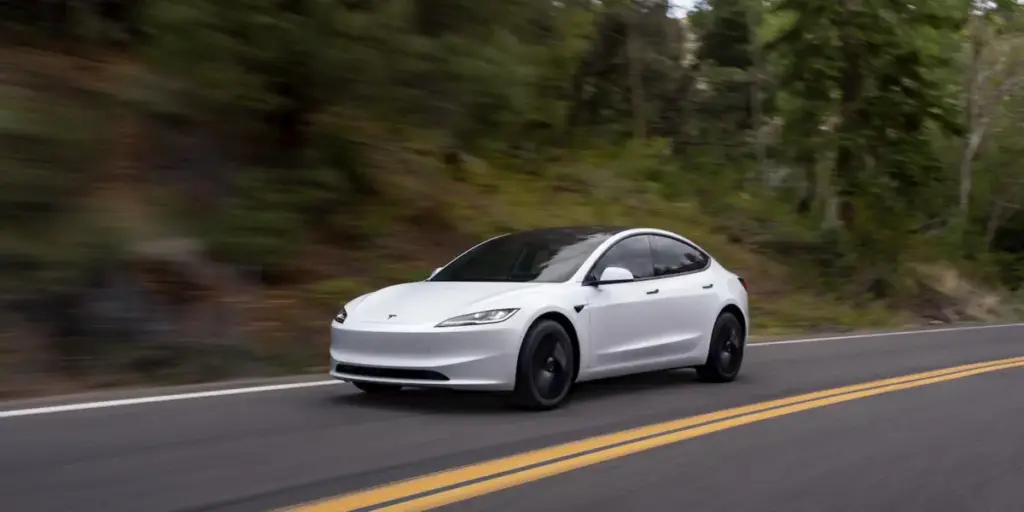
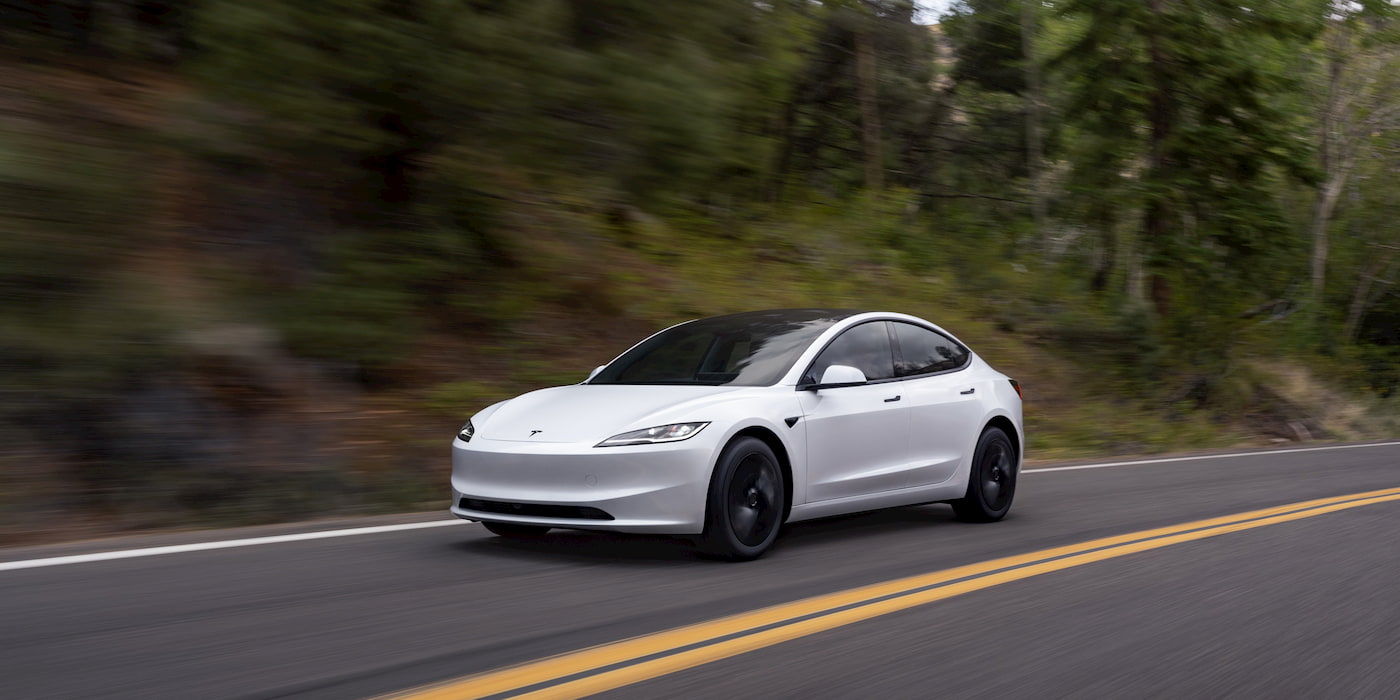
No discussion of the American electric vehicle market is complete without examining Tesla. As the undisputed market leader and volume pacesetter, Tesla’s pricing strategies act as a gravitational pull for the entire industry. When Tesla adjusts its prices, competitors are forced to respond in kind.
Transaction Prices and Incentive Spikes
In March, Tesla’s average transaction price stood at $53,421. This reflects a:
- 2.6% decrease compared to March 2025.
- 1.2% decrease compared to February 2026.
Mirroring the broader market trend, Tesla has also leaned more heavily into incentive spending to stimulate volume. The company increased its incentive allocations to 12.3% of its average transaction price. While traditionally reluctant to engage in heavy traditional discounting, Tesla’s recent maneuvers demonstrate a pragmatic willingness to utilize financial levers to maintain market share against a rapidly growing field of competitors from both legacy automakers and new market entrants.
A Complex Sales Landscape: Year-Over-Year vs. Month-Over-Month
Despite these aggressive price cuts and increased incentives, Tesla’s sales figures paint a nuanced and somewhat contradictory picture.
According to estimates from Cox Automotive:

- Year-Over-Year Decline: Tesla’s US sales in March fell by 8.4% compared to the same month in the previous year. This indicates that the company is facing intense competitive pressures, growing pains with aging core vehicle lineups (such as the Model 3 and Model Y), and a more discerning consumer base.
- Sequential Monthly Growth: Conversely, when viewed on a short-term, sequential basis, the narrative improves. Tesla deliveries rose by 6.1% in March compared to February. This marks the second consecutive month of positive month-over-month sales growth, suggesting that the recent round of price adjustments and incentive programs is successfully generating renewed showroom momentum.
This divergence between annual and monthly metrics highlights the transitional phase the company—and the broader industry—is currently navigating. While year-over-year growth has moderated from the explosive rates of the early 2020s, short-term tactical adjustments are proving effective at resuscitating demand.
Future Outlook: The Road Ahead for EV Affordability
As the dust settles on the first quarter of 2026, the trajectory of the American automotive market points definitively toward a lower-cost, highly competitive electric future. The convergence of falling manufacturing costs, aggressive corporate discounting, and a narrowing price gap with gas cars marks the end of the "luxury novelty" era for electric vehicles.
Several key trends are poised to shape the remainder of the year and beyond:
1. The Arrival of Sub-$30,000 Mass-Market Models
While current average transaction prices hover in the mid-$50,000 range—skewed by luxury offerings, large electric SUVs, and pickup trucks—the next major battleground for automakers is the sub-$30,000 compact and sedans segment. As engineering breakthroughs in battery chemistry (such as improved LFP cells and solid-state developments) mature, manufacturers are preparing to flood the market with lower-priced entries designed specifically for budget-conscious buyers.
2. Evolving Incentive Structures
With federal tax credit rules remaining a political and regulatory football, automakers can be expected to rely more heavily on internal lease loopholes and direct-to-consumer incentives. Leasing, in particular, has served as a backdoor compliance mechanism for the federal commercial vehicle credit, allowing many foreign-made EVs to qualify for immediate price reductions. This trend is likely to accelerate, transforming how consumers finance their electric transition.
3. Dealer Adoption and Inventory Management
As legacy dealerships become more comfortable servicing, stocking, and selling electric vehicles, the logistical friction that once hampered EV adoption is fading. Dealers are increasingly utilizing localized incentives alongside factory-backed promotions to prevent inventory stagnation, ensuring a steady velocity of sales.
The Bottom Line
The electric vehicle market in the United States is maturing through economic necessity and technological progress. EV prices are easing, incentives are climbing to historic highs, and the affordability gap with traditional gas cars has shrunk to a razor-thin margin. For the average American car buyer, the threshold of transition has never been lower. The great automotive convergence is officially underway.