Originally published by Grist. Edited to conform with Corporate Knights style.
Executive Overview
The summer months across the European continent were defined not merely by sunshine, but by relentless, record-shattering heat domes that transformed normal seasonal rhythms into an unprecedented environmental endurance test. Delivering the region’s hottest June on record, these compounding meteorological anomalies coincided with a severe, potentially linked continental drought that shrank critical waterways to historic lows.
While the human toll of these dual crises on public health was immediate and profound, the secondary shockwaves rippled directly through Europe’s energy systems. Traditional baseload energy generation staggered under the weight of the climate crisis. Wind power flagged amid the stagnant atmospheric conditions characteristic of intense heat domes, while "thermal" power plants—spanning nuclear, natural gas, and coal infrastructure—were forced to throttle back production. As European waterways warmed and dried, these facilities lost access to the essential water volumes required for their cooling systems.
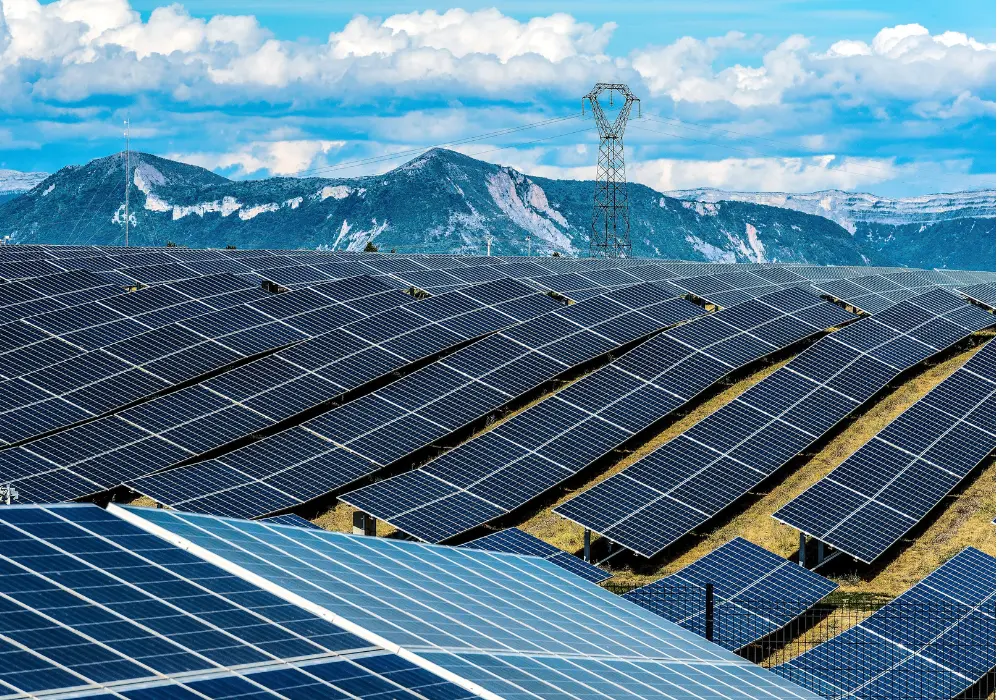
Amid this systemic vulnerability, solar power emerged as a solitary bright spot—the only major energy source that outperformed normal generation baselines during Europe’s summer of extremes. Paired strategically with burgeoning battery storage technologies, solar arrays proved instrumental in powering thousands of air-conditioning units during peak heat crises.
However, as scientists grapple with the unprecedented nature of these recurring heat waves, this summer has laid bare stark vulnerabilities in Europe’s grid infrastructure. With only a fraction of European households currently possessing air conditioning, and energy demand climbing at breakneck speeds, the continent stands at a critical crossroad. The lessons of this summer offer both an urgent warning and a blueprint for the future of the global energy transition.
Detailed Chronology of a Crisis: From Heat Waves to Grid Strain
The systemic disruptions experienced across European power grids this summer were not isolated incidents; they formed a cascading chain of climatic and logistical failures that unfolded in rapid succession.
The Onset of the Heat Domes
In early June, a powerful and persistent heat dome settled over Western Europe, driving temperatures well past historical ceilings. Climate attribution studies later revealed that the intensity of this June heat wave was roughly 200 times more likely in today’s fossil-fuel-warmed climate than it would have been just two decades ago. As mercury levels soared, electricity demand surged in lockstep. According to energy think tank Ember, extreme temperatures in late June bumped up Italy’s power demand by 28% compared to the previous week. In France, power demand spiked by 14%.
The Mid-Summer Pinch: Declining Generation Meets Rising Costs
As demand skyrocketed, power generation in key European hubs began to plummet. In the United Kingdom, five major gas plants were forced to reduce their output by a combined 2.5 gigawatts because ambient heat severely degraded the effectiveness of their cooling systems. Concurrently, heat-induced low wind speeds halved the country’s typical wind farm generation throughout June.
By July, the compounding dryness had triggered hydrological crises across the continent. England and Wales reported their driest July on record. Meanwhile, water levels in the Danube River in Central and Eastern Europe plummeted to historic lows—so severe that the receding waters exposed long-submerged Second World War shipwrecks, wartime unexploded ordnance, and prehistoric relics.
This severe lack of moisture crippled regional hydropower, driving production to its lowest July level in a decade. Simultaneously, warm, depleted rivers threatened the cooling water supplies of nuclear facilities across the continent. France lost 18% of its nuclear capacity to "environmental factors" in mid-July alone, extending a troubling multi-year trend of summertime nuclear outages.
The Evening Price Crunch
The compounding effect of falling generation and surging demand manifested most dangerously during the evening hours. As solar generation tapered off at sunset, electricity and natural gas prices spiked dramatically. In several key markets, evening prices hit their highest levels since the tumultuous 2022/2023 winter gas crisis, which was catalyzed by Russia’s invasion of Ukraine.
Supporting Context & Metrics: The Anatomy of Grid Vulnerability
To fully understand how close Europe came to systemic power failures this summer, one must examine the specific mechanics of thermal cooling, household infrastructure, and the macroeconomic pressures facing the grid.
The Thermal Cooling Bottleneck
Thermal power plants—whether powered by splitting atoms or burning fossil fuels—depend heavily on vast volumes of water to condense steam back into liquid water after it has spun power-generating turbines. Nuclear plants in countries like France typically draw in river water at ambient temperatures, pass it through condensers, and discharge it back into the waterway slightly warmer.
Because French environmental law strictly caps the temperature of discharged water to protect vulnerable aquatic life and prevent ecological collapse, plants are legally bound to reduce operations when intake water is already pre-heated by severe meteorological conditions. When combined with low river volume, these regulatory safeguards create an inescapable trade-off: generate power at the risk of ecological disaster, or throttle back capacity to preserve river ecosystems.
The Air Conditioning Gap
Unlike the United States, where approximately 90% of households are equipped with air conditioning, European nations have historically relied on architectural design, natural ventilation, and shading to cope with summer temperatures. Prior to this summer, only about 23% of households across Europe had access to or used air conditioning.
However, regional adoption rates vary significantly: roughly half of all households in Italy and Spain feature air conditioning, compared to just a quarter in France. As recurring heat waves make traditional cooling methods obsolete, public sentiment is shifting rapidly. Marine Tondelier, national secretary of the Ecologist Party, acknowledged this stark reality in June, stating, "There are places where we just can’t do without it now"—a notable pivot from the party’s historical resistance to air conditioning due to its associated greenhouse gas emissions.
Financial and Industrial Adaptation
Recognizing that these extreme summers are the new baseline, France’s state-owned utility has announced plans to invest more than $10 billion over the next 15 years. These funds will be earmarked to adapt nuclear and hydropower plants to warmer temperatures and chronic water scarcity. Investments will include the installation of dedicated cooling infrastructure to chill wastewater before it is discharged back into rivers, ensuring compliance with strict environmental standards. However, experts warn that adapting to rising demand will also require massive deployments of new generation and storage capacity, particularly as the grid absorbs surging electricity demands from expanding artificial intelligence data centers.
Official Statements and Industry Perspectives
As energy executives, policymakers, and analysts parse the data from the summer of extremes, a clear consensus has emerged: the traditional, centralized grid model is ill-equipped for a destabilized climate, and decentralized solutions must be fast-tracked.
Solar power proved to be the undisputed hero of the season. European heat waves invariably deliver optimal meteorological conditions for photovoltaic systems: clear skies and intense sunlight. According to Ember, Europe’s solar panels produced 17% more power during the summer’s heat waves than they normally do, effectively stabilizing the grid during peak afternoon cooling demand.
Yet, as the sun dips below the horizon, a new operational challenge emerges. Walburga Hemetsberger, CEO of SolarPower Europe, highlights the shifting nature of grid management:
"The next challenge is the evening period. Temperatures often remain high after sunset and AC demand can stay elevated, even as solar production declines. This is why battery storage is becoming such an important part of the energy transition."
Battery systems successfully bridged the gap this summer, capturing midday solar generation and discharging it into the evening hours when residential air conditioners were cranked to allow populations to sleep. Industry growth reflects this imperative: battery installations across Europe experienced their 12th consecutive year of growth in 2025. Concurrently, solar and storage buildouts expanded at a breakneck pace, with 36 gigawatt-hours installed in 2025 alone—representing a staggering 48% increase over new additions from the previous year.
Despite these gains, regulatory roadblocks continue to frustrate industry leaders. Beatrice Petrovich, a senior energy analyst covering Europe at Ember, emphasizes that market design must evolve to match physical realities:
"Extreme price spikes during heat waves are a blaring signal for regulatory changes that increase power system flexibility. Treating this summer as a turning point for energy storage would be an opportunity to remove existing barriers."
Future Outlook: A Turning Point for European Energy Policy
The extreme summer of meteorological anomalies has fundamentally rewritten the risk calculus for European energy planners. No longer viewed as anomalous black-swan events, recurring heat waves, prolonged droughts, and hydrological deficits are now factored into long-term climate projections as chronic operational hazards.
The path forward requires a two-pronged strategy: aggressive climate mitigation to curb global greenhouse gas emissions, paired with immediate, large-scale infrastructural adaptation.
- Grid Flexibility and Storage Expansion: As Beatrice Petrovich noted, regulatory frameworks must be modernized to incentivize rapid battery deployment and demand-response capabilities. Eliminating bureaucratic bottlenecks for storage projects will be essential to preventing evening price spikes and localized blackouts.
- Decentralized Generation: The stellar performance of solar power during cloudless heat domes underscores the resilience of distributed renewable energy. Scaling up rooftop solar, commercial photovoltaic arrays, and microgrids will reduce the continent’s reliance on vulnerable thermal and nuclear baseload plants.
- Environmental and Industrial Modernization: Traditional energy providers must follow the lead of French utilities, pouring capital into closed-loop cooling systems, advanced water-management technologies, and climate-resilient generation facilities.
Ultimately, this summer served as a stress test for the European continent—a high-stakes preview of a warmer world. While the cracks in the old energy architecture were laid painfully bare, the exceptional performance of solar and storage technologies points the way toward a more resilient, decentralized, and climate-proof energy future. Whether policymakers possess the urgency to act upon these lessons before the next heat wave strikes remains the defining question of the decade.