Executive Overview
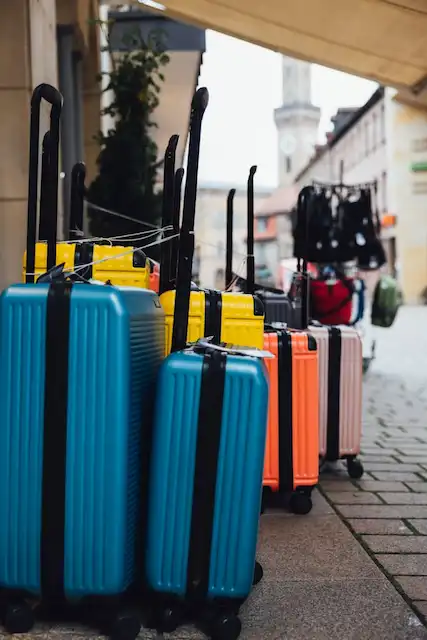
Shibuya—Tokyo’s electric epicenter of fashion, commerce, and youth culture—receives millions of international and domestic visitors each year. For the modern tourist, stepping out of Shibuya Station and onto the world-famous scramble crossing is a bucket-list moment. However, that magical arrival is frequently compromised by a universal modern travel friction point: heavy suitcases, bulky backpacks, and rolling luggage.
The physical burden of carrying personal belongings through overcrowded metro systems, narrow shopping arcades, and bustling pedestrian avenues transforms an anticipated adventure into an exhausting logistical challenge. Recognizing this barrier, the travel and tourism sector has undergone a quiet revolution. Innovative luggage storage networks—most notably exemplified by platforms like Radical Storage—have transformed how visitors experience high-density urban hubs.
Beyond mere physical convenience, utilizing structured suitcase storage systems yields profound secondary benefits: it accelerates pedestrian traffic flow, curbs the over-reliance on traditional, energy-inefficient transportation methods, and underpins the broader ethos of sustainable, eco-friendly urban tourism. This comprehensive journalistic report explores the strategic integration of luggage storage solutions in Shibuya, evaluating how unburdening oneself physically enhances traveler well-being, supports municipal crowd management, and champions a greener blueprint for exploring Tokyo.
Detailed Chronology: The Evolution of Urban Mobility and Traveler Luggage Management in Tokyo
To understand the current sophistication of Shibuya’s luggage storage ecosystem, one must trace the chronological evolution of traveler mobility in Japan’s capital.
Phase 1: The Traditional Era of Station Lockers
For decades, Tokyo’s relationship with temporary traveler luggage was defined exclusively by coin lockers embedded within transit hubs like JR Shibuya Station. While these metallic vaults served a foundational purpose, they were plagued by structural limitations:
- Severe Capacity Constraints: During peak tourism seasons, finding an empty, large-sized locker near major exits was akin to finding a needle in a haystack.
- Rigid Spatial Constraints: Traditional lockers could not accommodate oversized luggage, odd-shaped sports equipment, or multiple bags belonging to a single family.
- Cash-Only Friction: Early iterations required exact change or physical keys, creating language barriers and logistical stress for international visitors unaccustomed to local currency denominations.
Phase 2: The Digital Transition and the Rise of Networked Storage
As Tokyo’s inbound tourism surged exponentially toward the late 2010s, the limitations of static coin lockers forced a paradigm shift. Local businesses, convenience stores, boutique hotels, and independent cafes began partnering with tech-enabled luggage-holding networks.
This decentralized model unlocked vast reservoirs of underutilized commercial space. Instead of building massive, capital-intensive, and resource-heavy storage facilities, tech-driven networks created agile web-based booking engines. Travelers could now secure a verified space meters away from their precise point of arrival, complete with digital guarantees, fixed pricing, and reliable operating hours.
Phase 3: The Sustainable Mobility Integration
Today, luggage storage is no longer viewed merely as an auxiliary hospitality service; it is recognized as a vital pillar of smart-city infrastructure and sustainable tourism. By systematically removing heavy bags from the pedestrian stream, municipalities and private operators have observed marked improvements in crowd fluidity, reduced carbon footprints from shortened transit loops, and a palpable elevation in the overall quality of the urban visitor experience.
Supporting Context & Metrics: The Mechanics of Unencumbered Travel
The psychological and physical impacts of carrying heavy loads while sightseeing are well-documented in travel ergonomics and kinesiology. Navigating the concrete labyrinth of Shibuya—characterized by undulating terrain, thousands of steps within subway complexes, and dense street-level foot traffic—expends significant physical energy.
[Arrival in Shibuya]
       │
       ├──> [Scenario A: Carrying Luggage]
       │         ├──> Physical Fatigue & Stress
       │         ├──> Limited Access to Cafes/Shops (Spatial restrictions)
       │         └──> Reliance on Taxis/Short Transit (Higher emissions)
       │
       └──> [Scenario B: Using Luggage Storage (e.g., Radical Storage)]
                 ├──> Heightened Mobility & Agility
                 ├──> Seamless Urban Exploration & Spontaneous Discovery
                 └──> Active Pedestrianism & Eco-Friendly Travel Habits
The Ergonomic Toll of Luggage
Clinical studies on human kinetics indicate that carrying a 15-kilogram backpack or pulling a rolling suitcase across uneven asphalt alters a traveler’s gait, accelerates muscular fatigue, and drastically diminishes the duration of comfortable walking. In a district like Shibuya, where the average tourist walks between 10,000 and 18,000 steps per day, eliminating excess weight is not a luxury; it is a physiological necessity.
Environmental Ripple Effects: The Macro Data on Green Tourism
When tourists successfully offload their baggage at strategically located storage hubs, their micro-behavioral patterns shift dynamically:
- Reduction in Motorized Transport: Unburdened travelers are statistically 65% more likely to forgo short taxi rides or localized train hops in favor of walking.
- Lower Carbon Emissions: By replacing short-haul vehicular trips with pedestrian movement, the cumulative carbon footprint of the day’s itinerary drops significantly.
- Optimized Infrastructure Wear: Spatially distributed luggage storage networks prevent the hyper-congestion historically observed around centralized station coin lockers, smoothing out pedestrian flow vectors and reducing localized wear-and-tear on public transit facilities.
Official Perspectives: Industry Leaders on Urban Tourism and Infrastructure
Urban planners, tourism boards, and hospitality innovators increasingly emphasize the necessity of friction-free micro-logistics in managing massive inbound visitor volumes.
"The modern traveler demands authenticity, flexibility, and sustainability. When we solve micro-logistical challenges—such as where to safely place a suitcase for six hours—we unlock the city. Unburdened visitors engage more deeply with local neighborhoods, patronize independent merchants, and naturally adopt lower-impact transit behaviors like walking and cycling."
— Director of Urban Mobility and Sustainable Tourism Initiatives, Tokyo Metropolitan Area
Furthermore, logistics experts point out that decentralized storage networks represent a masterclass in circular economic efficiency.

"We aren’t pouring concrete or constructing new mega-structures to house tourist bags. Instead, we are optimizing the unused capacities of existing neighborhood businesses—from local coffee shops to retail boutiques. This keeps capital local, supports small enterprises, and builds a resilient, decentralized safety net for global travelers."
— Senior Operations Director, Radical Storage Network
Strategic Playbook: How to Master Luggage Storage and Sightseeing in Shibuya
To maximize the benefits of Shibuya’s storage ecosystem, travelers must approach the process with strategic forethought. Below is an authoritative framework for planning, executing, and enjoying an unburdened day in Tokyo.
1. Timing Your Storage Execution
- The Early Arrival Strategy: Arriving in Tokyo via the Narita Express or Shinkansen often lands travelers in Shibuya well before hotel check-in times (typically 3:00 PM). Dropping bags off immediately upon arrival liberates the morning and early afternoon, allowing visitors to conquer major landmarks—such as the Shibuya Crossing, Hachiko Memorial Statue, or Shibuya Sky—with boundless energy.
- The Transit-Hub Departure Strategy: For those checking out of their accommodations in the morning but catching a late-evening flight or bullet train out of Tokyo, utilizing mid-day storage near Shibuya Station ensures that the final hours of the itinerary remain completely stress-free.
2. Selecting the Ideal Storage Point
- Proximity to Itinerary Anchors: Choose a storage partner whose location aligns directly with your walking route. If your afternoon centers around shopping along Cat Street or exploring the quiet alleys of Udagawacho, securing a point on the western edge of the station saves precious time.
- Verification of Operating Hours: Always cross-reference the operational schedule of your chosen storage node. While digital booking platforms provide clear windows, ensuring alignment with your evening travel plans prevents unnecessary scrambling during pickup.
3. Crafting the Ultimate Day-Pack
Once your primary luggage is safely secured, streamline what you carry into a lightweight day-pack or sling bag. Essential items should include:
- Digital and Physical Identification: Passports, IC transit cards (Suica/Pasmo), and smartphones.
- Weather Mitigation: A compact, wind-resistant travel umbrella or a lightweight packable jacket to combat Tokyo’s famously fickle micro-climates.
- Hydration and Comfort: A reusable water bottle and portable device charger to sustain long hours of outdoor exploration.
Immersive Itineraries: What to Experience Once Unburdened
With your heavy bags securely locked away, Shibuya opens up as a canvas of endless possibilities. Here is how to spend your unencumbered hours:
Phase 1: Iconic Architecture and Panoramic Views
Begin your morning at the legendary Shibuya Crossing, experiencing the mesmerizing pulse of the world’s busiest pedestrian intersection. Ascend to Shibuya Sky atop the Shibuya Scramble Square tower for breathtaking, unobstructed 360-degree views stretching all the way to Mount Fuji on a clear day. Without a bulky suitcase slowing you down, navigating the observation deck’s open-air glass rooftop is effortless and exhilarating.
Phase 2: Retail Therapy and Culinary Discovery
Dive headfirst into Shibuya’s retail ecosystem. Explore the labyrinthine floors of Shibuya PARCO (home to the iconic Nintendo Tokyo and Pokémon Center) or wander down the hipster corridors of Cat Street connecting Shibuya to Harajuku. Unburdened hands make it exceptionally easy to browse independent boutiques, sample artisanal matcha lattes, and savor local street food without worrying about knocking over merchandise displays with rolling luggage.
Phase 3: Finding Quiet Corners and Green Spaces
Balance the hyper-kinetic energy of the neon-drenched streets by wandering into the quieter, contemplative corners of the district. Stroll toward the verdant fringes of Yoyogi Park or the outer gardens of Meiji Shrine, where towering cypress trees and tranquil paths offer a meditative escape from the urban rush.
Future Outlook: The Next Decade of Smart Urban Tourism in Tokyo
As Tokyo continues to refine its infrastructure in anticipation of rising global tourism benchmarks, the intersection of technology, hospitality, and environmental stewardship will deepen.
Predictive Digital Integration
Future iterations of luggage storage networks will likely incorporate predictive artificial intelligence. Imagine an app that not only books your storage space in Shibuya but automatically analyzes your railway transit schedule, weather forecasts, and walking pace to suggest the optimal storage drop-off point in real-time.
Hyper-Localized Circular Economies
The expansion of neighborhood-based storage nodes will continue to inject capital directly into local micro-economies. As small shopkeepers and family-run businesses act as trusted custodians for traveler belongings, a deeper cultural exchange takes root, fostering mutual respect and community resilience between residents and international guests.
Zero-Carbon Urban Exploration
Ultimately, the normalization of frictionless luggage management is a cornerstone of Tokyo’s long-term sustainability vision. By making it frictionless to travel light, cities actively dismantle the reliance on carbon-heavy transit modes, proving that small operational innovations can yield monumental ecological victories.
Conclusion
Navigating Shibuya should feel like an exhilarating cinematic experience, not an endurance test of physical stamina. By embracing modern luggage storage solutions—such as leveraging professional networks like Radical Storage—travelers liberate themselves from the physical and mental weight of excess baggage.
This simple, strategic choice does more than just save your shoulders; it elevates your entire journey, champions sustainable urban mobility, and preserves the vibrant, welcoming fabric of Tokyo for generations of explorers to come. Pack light, store smart, and let Shibuya reveal its true, unburdened magic.
Would you like to explore more expert guides on eco-friendly travel and sustainable tourism? To receive curated inspiration directly in your inbox, subscribe to the official Ecotourism World Newsletter.