By the Global Climate Desk Published: August 28, 2026
Executive Overview
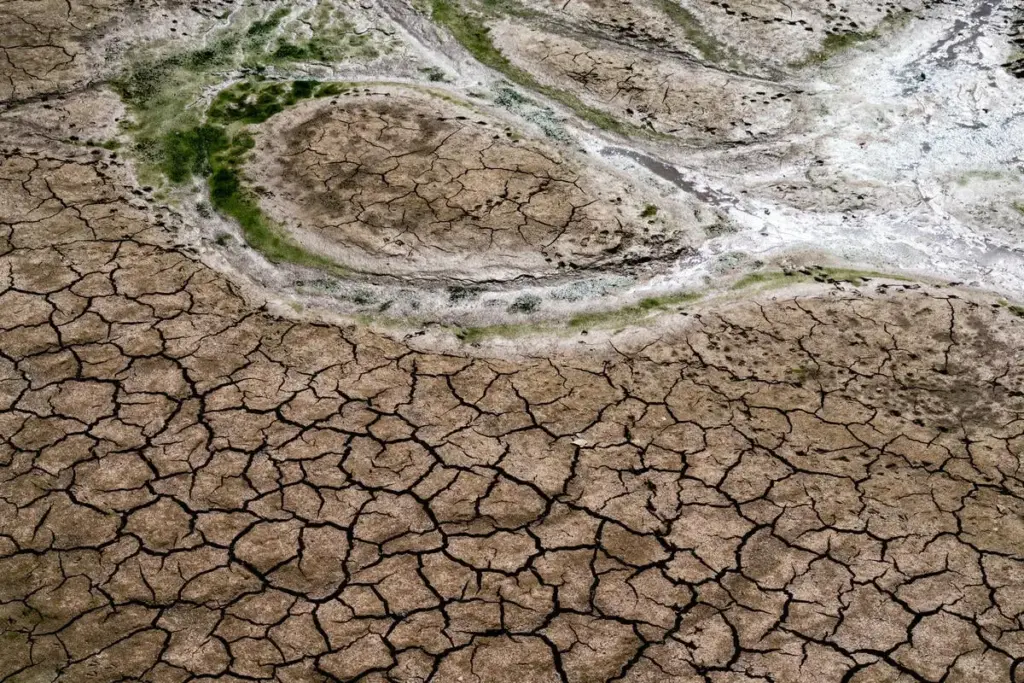
The first half of 2026 has delivered a sobering, inescapable reality check to the international community. Across Europe, Asia, Africa, and North America, record-shattering heatwaves, unprecedented droughts, and catastrophic flash floods have exposed the systemic vulnerabilities of human infrastructure to a climate destabilized by decades of fossil fuel combustion. What were once described as anomalies are now the structural baseline of a rapidly warming world.
Driving this planetary distress is a convergence of chronic greenhouse gas accumulation and the onset of an historic "super" El Niño event. This atmospheric and oceanic feedback loop has pushed global sea surface temperatures to unprecedented heights, obliterating benchmarks set just two years prior. From the melting Himalayan glaciers triggering deadly flash floods in Nepal, to historic wildfires reducing vast expanses of Spain and Indonesia to ash, the human and economic tolls are mounting at an exponential rate.
As atmospheric carbon dioxide concentrations breach historic thresholds—averaging a monthly high of 432.3 parts per million at Hawaii’s Mauna Loa Observatory—the international scientific consensus is unequivocal. The window to prevent irreversible climate tipping points is closing rapidly. Governments and corporate polluters are facing an unprecedented wave of public scrutiny, with grassroots movements and climate organizations demanding that those responsible for the extraction economy be held financially and politically accountable.
Detailed Chronology of the 2026 Crisis
The unfolding climate catastrophe of 2026 has been marked by a cascading series of localized weather extremes that, when viewed globally, illustrate a systemic breakdown of planetary equilibrium.
Spring and Early Summer: The Prelude
The year began with devastating cyclones and relentless, anomalous rainfall across Southern Africa, displacing communities and triggering widespread agricultural collapse. Simultaneously, western Europe entered an exceptional run of extreme heat. By June, nations including Spain, France, and Italy were gripped by their fourth major heatwave since May. Copernicus Climate Change Service data confirmed that western Europe experienced its hottest June–July period on record, cementing the continent’s status as the fastest-warming region on Earth—heating at more than twice the global average rate.
July and August: Peak Devastation
July 2026 tied with July 2024 as the planet’s warmest July on record, continuing an unbroken streak where the ten warmest Julys in human history have all occurred since 2016. As land and sea temperatures spiked, the northern hemisphere erupted into flame.
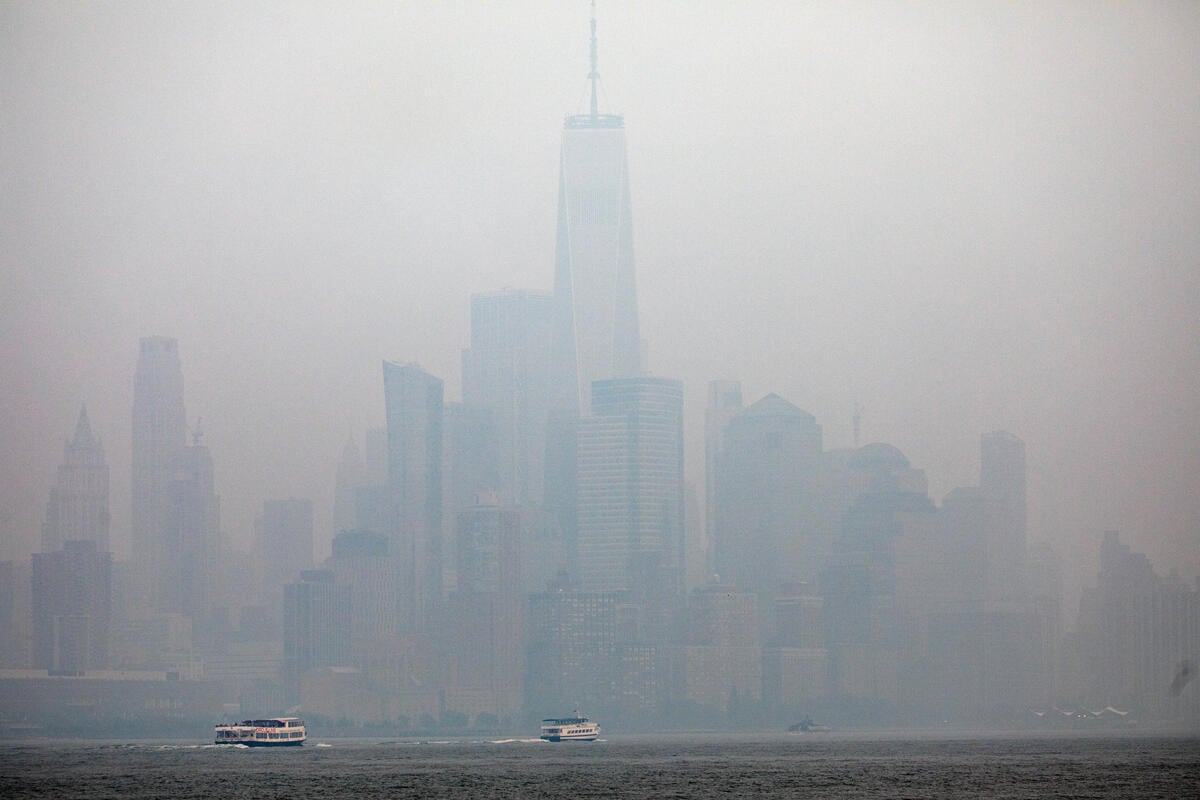
North America: Persistent, humid heatwaves blanketed the United States, directly impacting high-profile events like the nation’s 250th-anniversary celebrations. Smoke from more than 100 simultaneous wildfires in Canada choked the US Northeast and Midwest, plunging cities like New York into "very unhealthy" air quality categories (AQI exceeding 201).
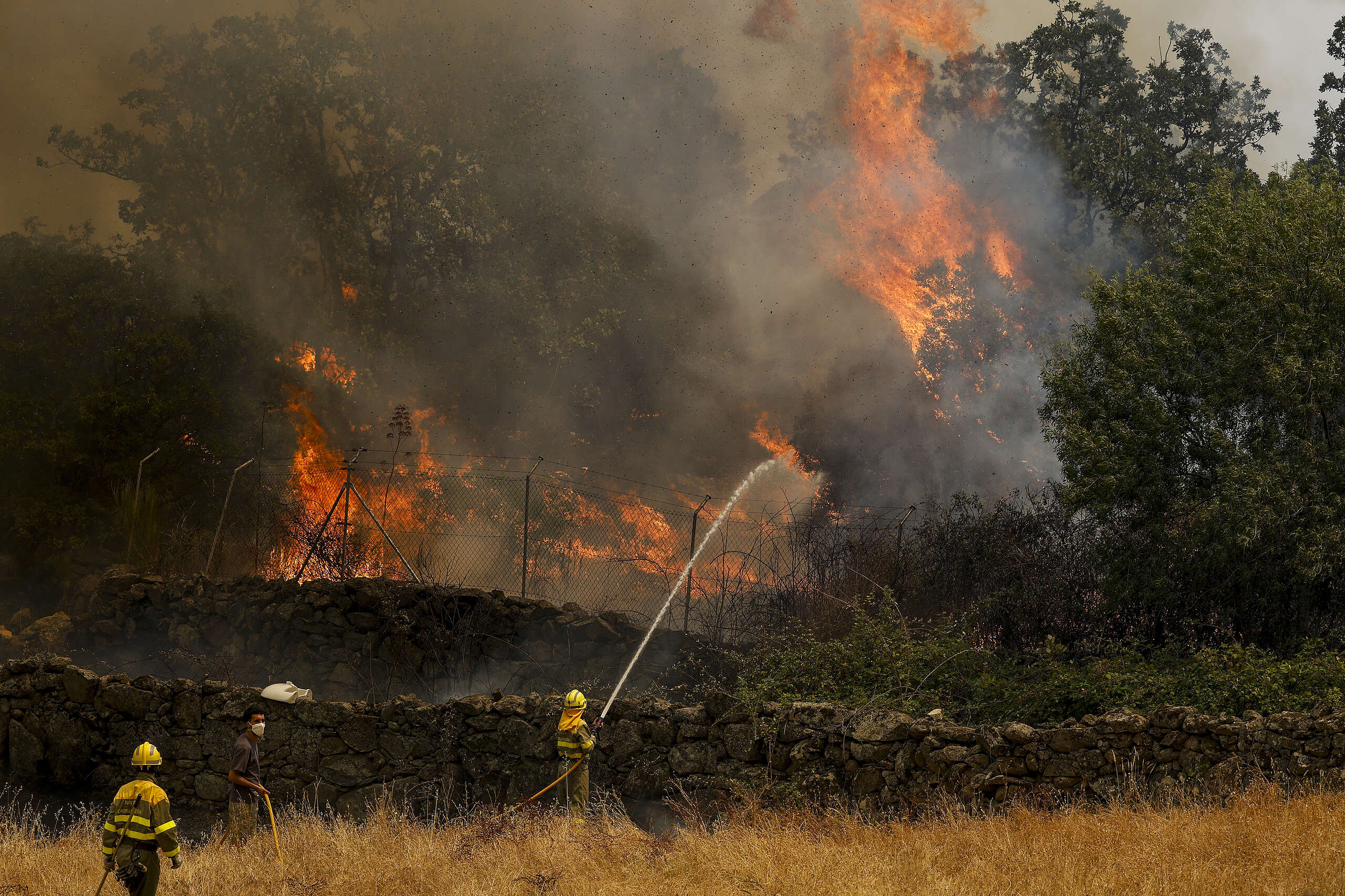
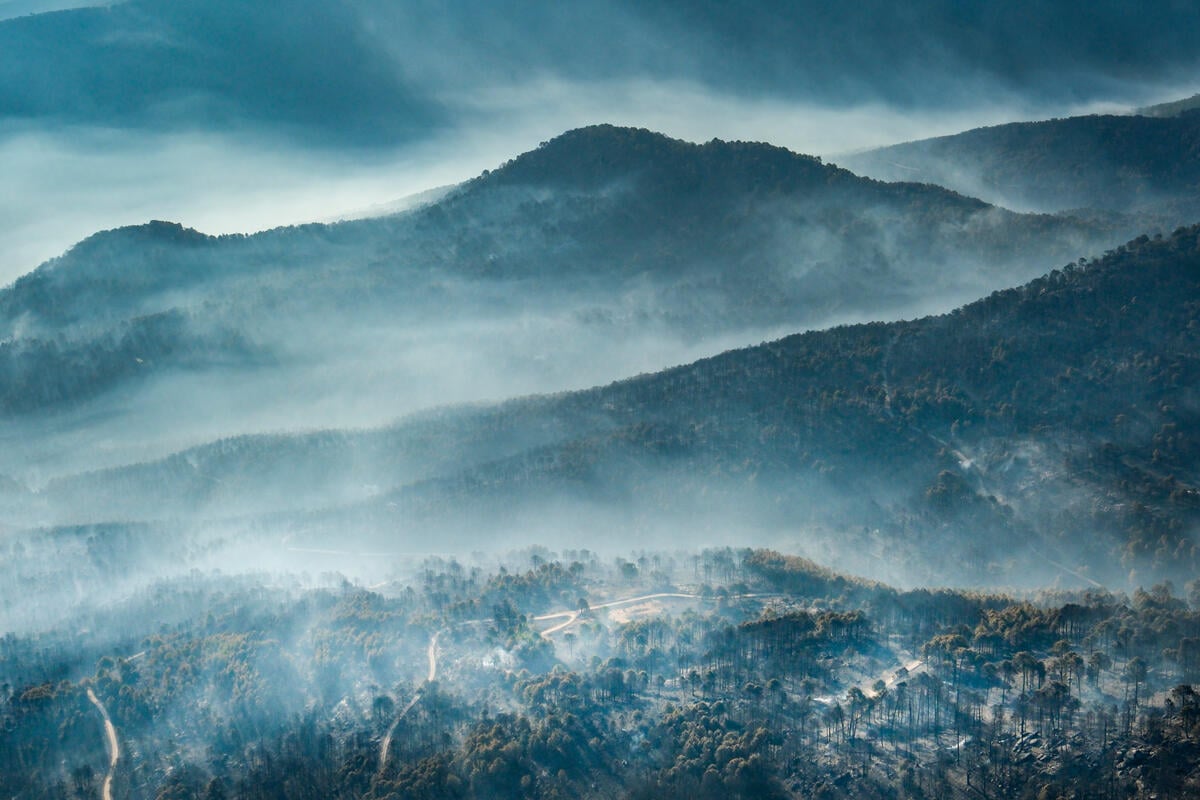
Europe: Southern Europe suffered historic forest fires. In Spain, majestic landscapes across Toledo, Madrid, Ávila, Segovia, and Guadalajara were ravaged by the Burgohondo fire—the largest on record for the region—prompting national emergency declarations and sparking massive civil protests in Madrid.
Southeast Asia: Indonesia confronted its most destructive wildfire season since the 2015 El Niño. Nearly 95,000 hectares of land burned in July alone, blanketing neighboring countries in acrid, hazardous smoke. Meanwhile, India reported its weakest monsoon season in nearly two decades, imperiling food security for hundreds of millions.
The Himalayas: Late August brought a human tragedy to Nepal, where a catastrophic glacier collapse triggered violent flash floods. Experts warned that the disaster highlights an alarming regional acceleration in the frequency and ferocity of floods, landslides, and avalanches driven by high-altitude warming.
Supporting Context & Metrics: The Science of Attribution
The catastrophic events of 2026 are not random meteorological aberrations; they are the direct, quantifiable outcomes of anthropogenic greenhouse gas emissions.
Carbon Concentrations and Emissions Growth
According to the International Energy Agency (IEA), energy-related carbon dioxide emissions rose by 0.4% in 2025—the slowest growth rate since 2021, yet still pushing global totals to a staggering high of nearly 38.4 billion tonnes (Gt). While the aggressive roll-out of renewable energy—particularly solar power, which avoided 1.5 Gt of emissions last year—has begun to flatten the curve, atmospheric concentrations continue to mount. Direct measurements from the Mauna Loa Observatory recorded a monthly average of 432.3 ppm in May 2026, roughly 50% above pre-industrial levels.
Rapid Attribution Science
The National Academies of Sciences, Engineering, and Medicine (NASEM) have confirmed with high confidence—backed by rigorous observation, physical models, and paleoclimatic simulations—that human-induced atmospheric warming is directly driving extreme heat, cold, and heavy rainfall events.
Recent rapid attribution studies by World Weather Attribution (WWA) have underscored this reality:
The early summer western European heatwave would have been roughly 3.5°C cooler had it occurred fifty years ago.
The extreme North American heatwave was rendered "much more likely and intense" by climate change, with researchers noting that the persistent, humid conditions "would not have happened in a preindustrial climate."
The Energy-Water Nexus: Europe’s Nuclear Strain
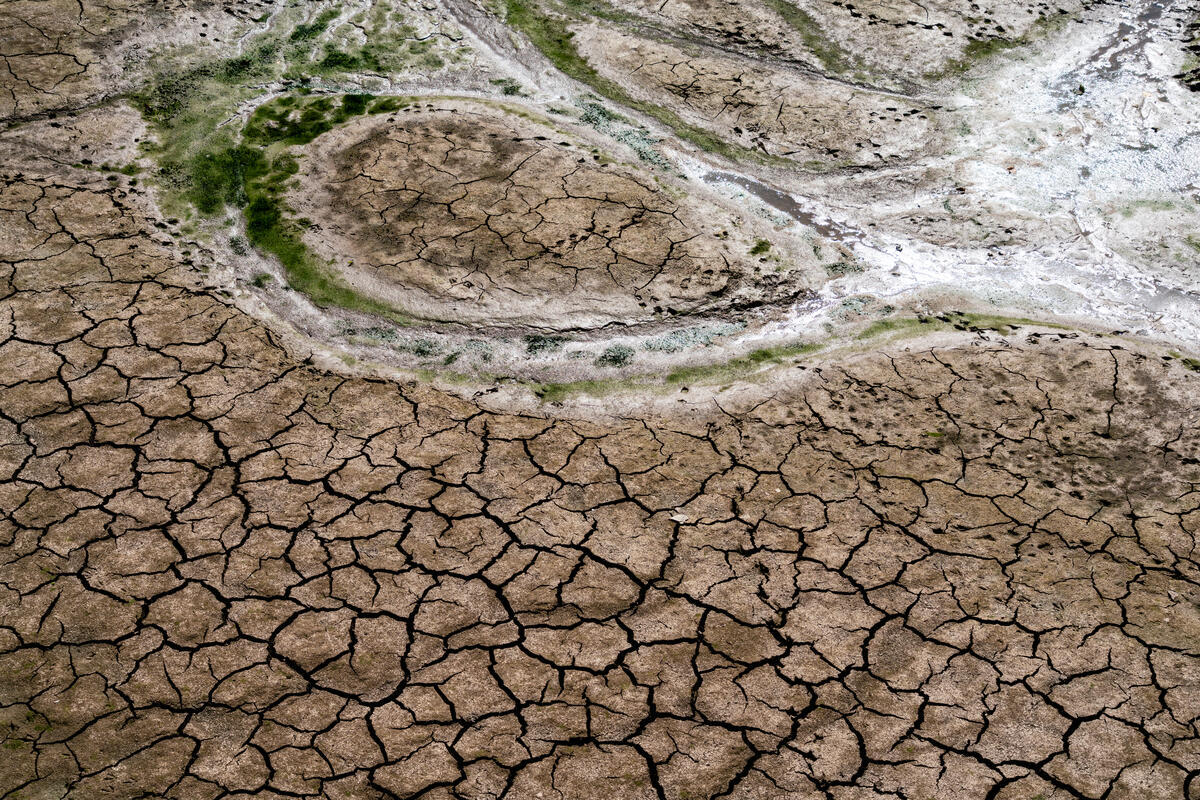
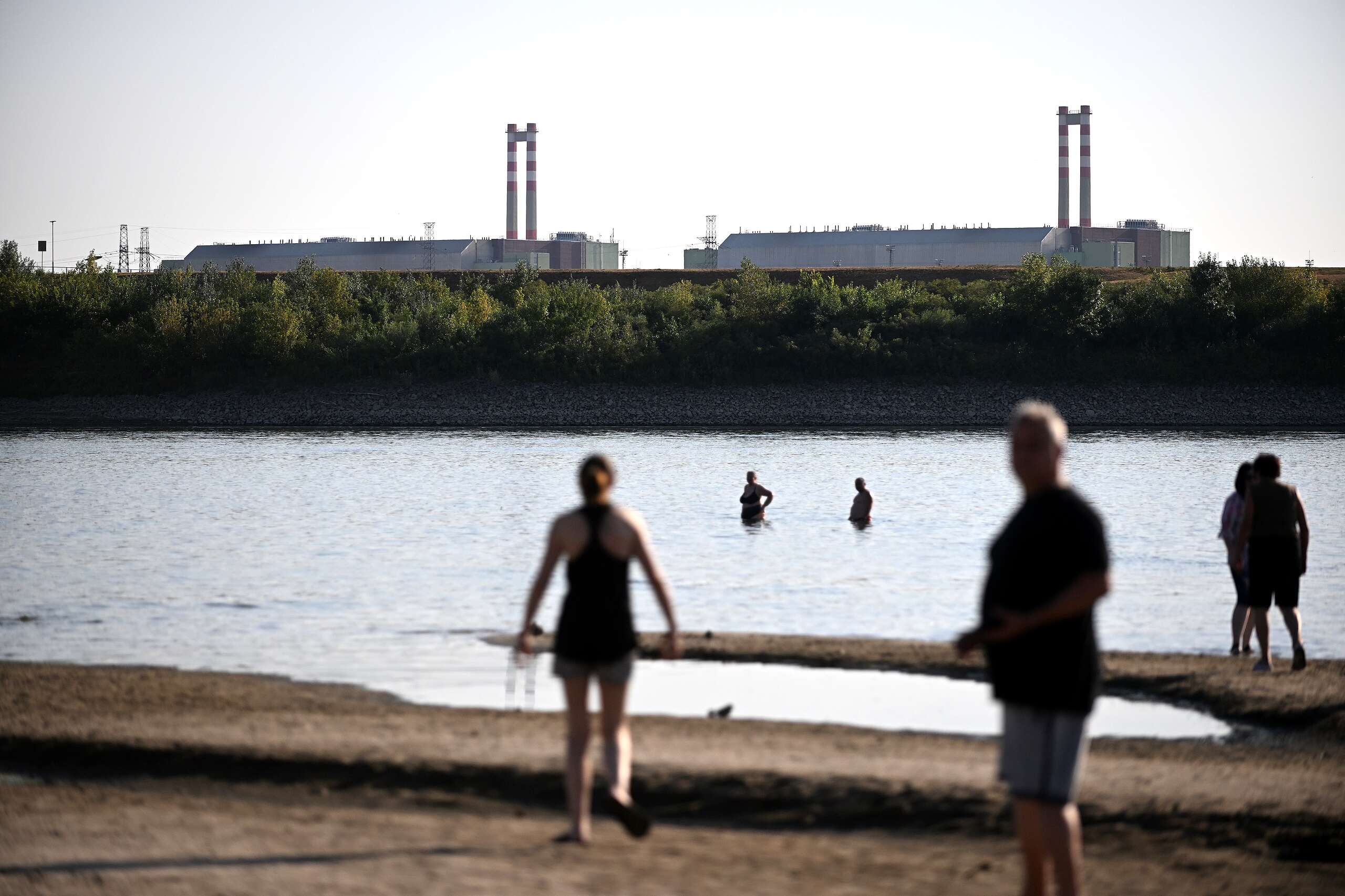
The unrelenting heat and drought have severely impacted industrial and energy infrastructure across Europe. By August, water levels across four of the continent’s primary arteries—the Loire, Po, Rhine, and Danube rivers—plummeted to record lows.
This water crisis directly threatened Europe’s baseload energy supplies. Nuclear power plants, which rely on massive volumes of ambient river water for core cooling systems, faced operational shutdowns:
Romania was forced to shut down its Cernavodă nuclear power plant—responsible for roughly 20% of the nation’s electricity—after intake pumps could no longer reach receding waters in the Danube.
Hungary narrowly averted a total shutdown of the Paks nuclear facility, which supplies nearly half of the country’s power, by shuttering three of its four reactors and dropping operational capacity to a mere 10%.
These failures highlight a fundamental vulnerability in centralized thermoelectric and nuclear grids, intensifying calls for a rapid pivot toward decentralized, water-independent renewable energy systems like wind and solar.
Official Statements and Global Reactions
International governing bodies and scientific agencies have responded to the 2026 crisis with unprecedented urgency, emphasizing that the traditional framing of these events as "natural disasters" is misleading and politically dangerous.
"Our climate is now more out of balance than at any time in recorded history. These extreme weather events are the grim reality of climate change and the direct result of decades of unchecked fossil fuel pollution and forest destruction."
— World Meteorological Organization (WMO) Statement
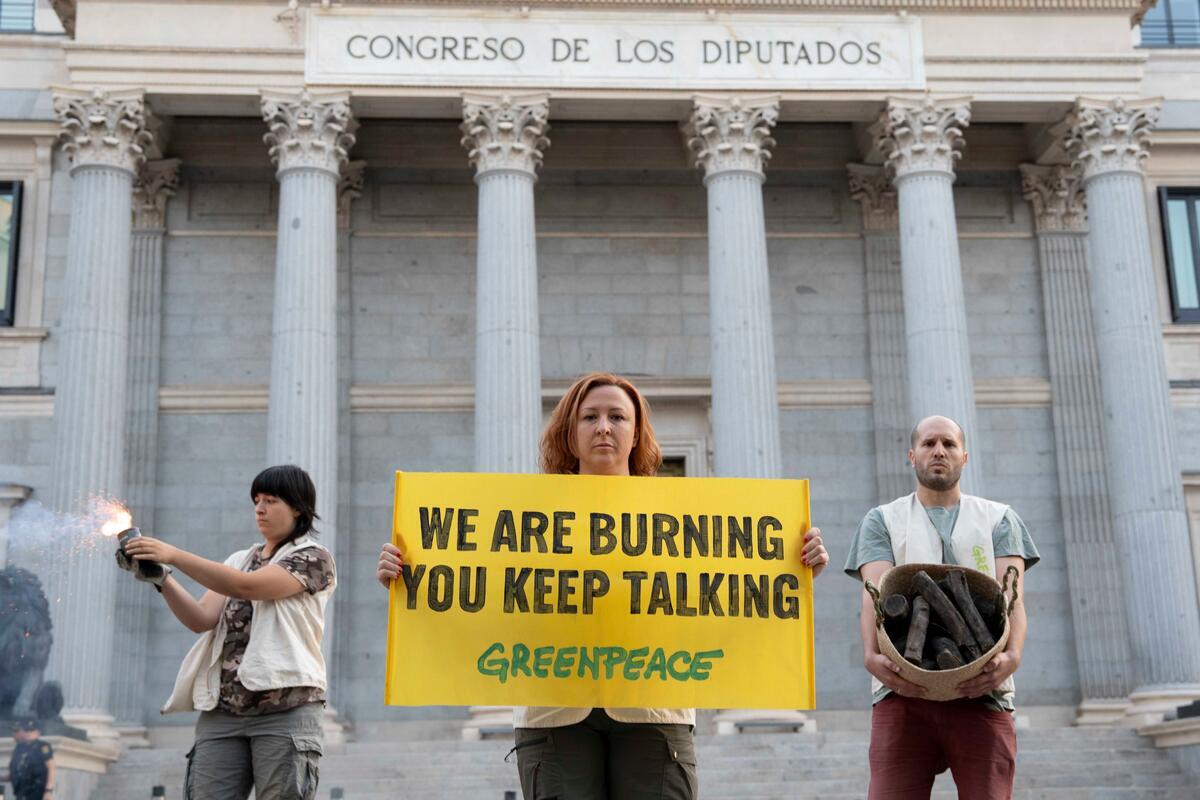
Following the release of alarming global temperature metrics, climate justice advocates and civil society groups have amplified calls for systemic accountability. In Madrid, activists from Greenpeace Spain staged a peaceful protest outside the Congress of Deputies, unfurling a banner reading, "Spain is burning. Your inaction is killing us," amid a backdrop of artificial ash and burned timber.
On the diplomatic front, a coalition of nearly 60 nations gathered in Santa Marta to establish regional roadmaps to end fossil fuel dependence. Dubbed the "coalition of doers," these countries are attempting to forge binding commitments ahead of upcoming global summits, despite a turbulent geopolitical landscape.
Future Outlook: Navigating the Super El Niño and the 1.5°C Threshold
As the world looks toward the final months of 2026 and into 2027, climate models paint a deeply concerning picture.
The Threat of an Unprecedented El Niño
Forecasters at the U.S. Climate Prediction Center (CPC) and the UK Met Office have confirmed that the developing El Niño is tracking to become a historic, "super-sized" event, potentially the largest of its kind since the 19th century. Berkeley Earth has calculated a 69% probability that 2026 will close out as the hottest year on record, while meteorological models warn that 2027 is primed to surpass 2024 as the warmest year in human history.
This El Niño phase threatens to compound regional crises:
Agriculture: The UN Food and Agriculture Organization (FAO) warns of severe crop failures, livestock mortality, and rural displacement across Central America, the West Pacific, and tropical South America.
Monsoon Disruptions: India’s vital summer monsoon is already tracking well below normal rainfall levels, threatening millions of livelihoods.
Storm Intensification: Central Asia, China, Japan, South Korea, the southern United States, and the Horn of Africa face heightened risks of severe storms and catastrophic flooding.
The 1.5°C Horizon
The WMO has warned that it is now "very likely" global temperatures will temporarily exceed the Paris Agreement’s critical 1.5°C threshold for at least one year between 2026 and 2030. Exceeding this boundary heightens the risk of triggering irreversible climate tipping points, from the collapse of critical ocean currents to massive permafrost thaw.
The Path Forward
Despite these grim projections, the technological solutions required to avert total climate breakdown are already available, highly scalable, and economically competitive. The exponential growth of solar, wind, and battery storage over the past decade proves that a rapid, just energy transition is technically feasible.
As governments prepare for the upcoming UN General Assembly in September and the COP31 climate conference in November, the mandate is clear. World leaders must move beyond rhetorical targets, accelerate the deployment of decentralized renewables, protect remaining carbon sinks, and enact robust "Polluter Pays" legislation to hold fossil fuel corporations legally and financially accountable for the damages of the climate emergency.
The era of fossil-fueled impunity must end—before the planet’s life-support systems pass the point of no return.