September 3, 2026 By Sela Breen | Investigative Science Desk
Executive Overview
In an era defined by industrial globalization, synthetic polymers have woven themselves into the fundamental fabric of daily life. From the packaging safeguarding our groceries to the synthetic fibers comprising our wardrobes, plastics are ubiquitous. However, this profound utility comes with an insidious ecological and biological cost. Microplastics—and their microscopic derivatives, nanoplastics—have successfully infiltrated the earth’s most remote ecosystems, drifting down in mountain snow, suspended in atmospheric clouds, and circulating within our global water supplies.
Inevitably, these invisible synthetic particles have found their way into the human body. Modern biomedical research has detected microplastics and nanoplastics circulating within human bloodstreams, crossing the placental barrier, and accumulating within vital organs and the gastrointestinal tract. Once lodged inside the human body, these particles are far from inert; they serve as vectors for heavy metals and endocrine-disrupting chemicals, while actively triggering inflammation, cellular cytotoxicity, and severe gut microbiome dysbiosis.
Until recently, the narrative surrounding internal plastic contamination was one of passive resignation. The medical and scientific communities operated under the heavy realization that once ingested, these synthetic fragments were nearly impossible to purge through standard physiological processes.
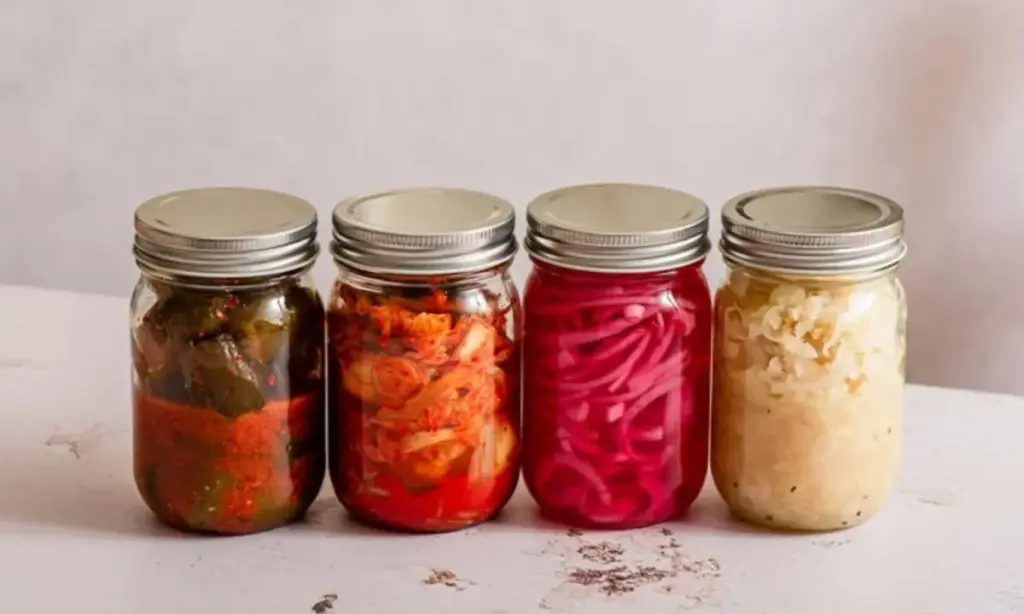
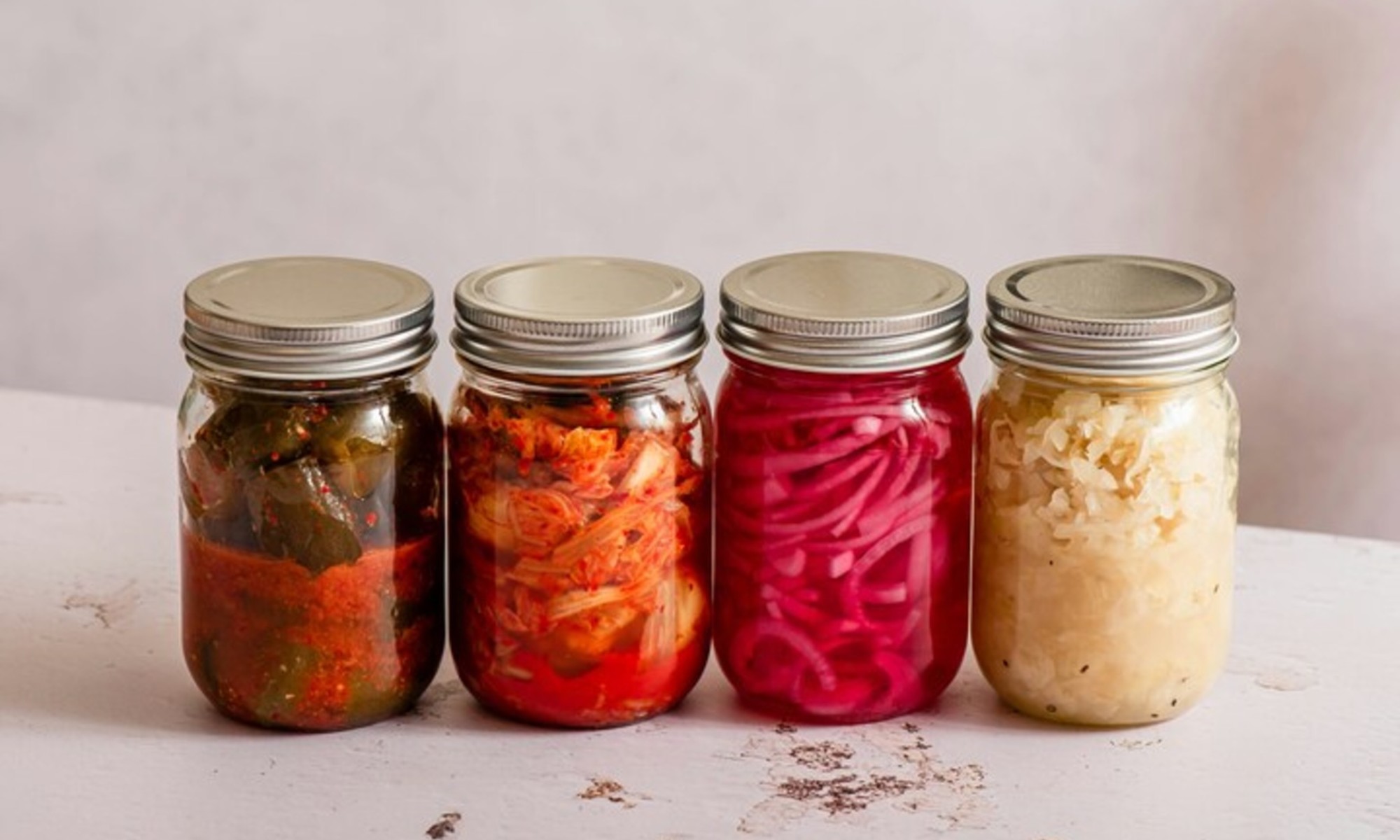
However, a groundbreaking study published in scientific literature introduces an unexpected ray of hope from a traditional culinary staple: kimchi. Researchers examining the complex biochemical properties of fermented foods have identified a specific lactic acid bacterium—Leuconostoc mesenteroides CBA3656—capable of binding directly to nanoplastics within the digestive tract and escorting them out of the body through natural elimination. While the research remains in its foundational phases, this discovery bridges the gap between ancient culinary preservation techniques and cutting-edge environmental toxicology, offering a tantalizing glimpse into how functional nutrition may help humanity defend itself against modern industrial pollution.
Detailed Chronology: From Environmental Crisis to Biological Discovery
The realization that plastics are not merely an environmental blight, but an internal biological crisis, represents one of the fastest-evolving fields of 21st-century toxicology. For decades, the public perception of plastic pollution was concentrated on macro-scale disasters: massive ocean garbage patches, entangled marine life, and overflowing landfills. The invisible breakdown of these materials into micrometers-wide fragments was largely overlooked until advanced spectroscopic techniques allowed scientists to detect particles invisible to the naked eye.
Phase One: The Rise of the Invisible Invaders
Microplastics are formally defined as synthetic polymer particles with diameters ranging between 1 and 500 micrometers. Nanoplastics represent an even more microscopic tier, measuring less than 1 micrometer in diameter. Because they are orders of magnitude smaller than a single grain of sand, these particles bypass standard municipal filtration systems and effortlessly cross biological membranes.
As early as the mid-2010s, environmental toxicologists began mapping the routes of human exposure. Studies revealed that humans ingest, inhale, and absorb thousands of these particles annually through contaminated seafood, agricultural crops grown in plastic-mulched soils, bottled and tap water, and even the air inside climate-controlled buildings.
Phase Two: Pathological Manifestations in the Gut
Once ingested, the human gastrointestinal tract acts as the primary reservoir for these persistent synthetic invaders. Rather than passing harmlessly through the digestive system like inert fiber, nanoplastics interact directly with the delicate mucosal lining of the intestines.
Clinical observations and animal model studies conducted between 2020 and 2025 demonstrated that the accumulation of nanoplastics induces profound physiological stress. These disruptions include:
Gut Microbiota Dysbiosis: Altering the delicate equilibrium of commensal bacteria, suppressing beneficial strains, and allowing pathogenic species to proliferate.
Barrier Dysfunction: Degrading the tight junctions of the intestinal epithelium, commonly referred to as "leaky gut," which allows endotoxins and systemic inflammatory agents to enter the bloodstream.
Metabolic Disorders: Interfering with lipid and glucose metabolism pathways, potentially exacerbating obesity and insulin resistance.
Cytotoxicity and Inflammation: Triggering localized immune responses, oxidative stress, and cellular damage.
Phase Three: The Probiotic Breakthrough
Recognizing the severity of the crisis, researchers worldwide began searching for remediation strategies capable of clearing nanoplastics from living organisms without causing systemic toxicity. Traditional heavy-metal detoxification methods—such as chelation therapy—proved ineffective or too aggressive for widespread, everyday application against inert polymers.
The turning point arrived when microbiologists shifted their focus to the human gut microbiome and its relationship with fermented foods. Recognizing that certain probiotic bacteria possess high surface-area-to-volume ratios and sticky extracellular polymeric substances, scientists hypothesized that lactic acid bacteria might act as natural biopolymers capable of adsorbing foreign particles.
Screening various strains derived from traditional fermented vegetables, researchers isolated Leuconostoc mesenteroides CBA3656 from authentic Korean kimchi. Subsequent laboratory trials confirmed a remarkable ability: this specific bacterial strain could aggressively bind to nanoplastic particles in simulated gastrointestinal fluids, effectively neutralizing their toxic potential and facilitating their expulsion via normal excretory pathways.
Supporting Context & Metrics: The Scale of Exposure and Microbial Mechanics
To fully comprehend the significance of the Leuconostoc mesenteroides CBA3656 discovery, one must examine the staggering metrics of global plastic pollution alongside the intricate biophysics of microbial adsorption.
The Global Plastic Burden in Numbers
Annual Production: Global plastic production surpasses 400 million metric tons annually, with a significant fraction ultimately degrading into micro- and nanoplastics rather than biodegrading.
Human Ingestion Estimates: Comprehensive studies suggest that the average human ingests anywhere from tens of thousands to over 100,000 microplastic particles annually, depending on geographic location, lifestyle, and dietary preferences.
Particle Penetration: Nanoplastics, due to their sub-micron size, possess the unique ability to translocate from the intestinal lumen directly into the lymphatic system and circulatory pathways, eventually lodging in hepatic tissue, renal structures, and even brain parenchyma.
How the Microbial "Lint Roller" Works
The interaction between Leuconostoc mesenteroides CBA3656 and nanoplastics is a masterclass in biophysical engineering. Crucially, this is not a chemical reaction. There is no breakdown, dissolution, or synthesis of new chemical compounds.
Instead, the process relies entirely on physical adsorption, comparable to how dust adheres to a specialized lint roller:
Surface Topography: The cell wall of Leuconostoc mesenteroides CBA3656 features complex molecular shapes, proteins, and polysaccharide matrices that create a deeply textured, highly receptive surface area.
Physical Interlocking: These structural motifs on the bacterial cell wall physically interlock with the rugged, irregular surfaces of nanoplastic particles suspended in the gastrointestinal fluid.
Cooperative Escort: Once bound, the bacteria encapsulate or anchor the synthetic fragments. Because probiotics are naturally processed and eliminated by the gut through normal peristalsis and fecal excretion, the bound nanoplastics are escorted out of the body before they can breach the intestinal wall or cause sustained inflammatory damage.
[Ingested Nanoplastics] + [*Leuconostoc mesenteroides* CBA3656]
       │
       ▼ (Physical Adsorption via Surface Interlocking)
[Bacterium-Plastic Complex Formed in Gut]
       │
       ▼ (Normal Peristalsis & Elimination)
[Safe Expulsion from the Body]
Safety and Regulatory Standing
One of the primary hurdles in developing biological remediation agents for internal human use is ensuring safety. Many synthetic binding agents or chemical chelators are toxic to human tissue, rendering them unusable inside the living body.
Leuconostoc mesenteroides CBA3656 possesses a distinct advantage in this regard:
FDA Status: The strain has a well-established history of safe use in food fermentation and is classified as safe by regulatory bodies.
EFSA Recognition: It is officially included in the Qualified Presumption of Safety (QPS) list compiled by the European Food Safety Authority. This designation confirms that the bacterium is non-pathogenic, non-toxic, and inherently safe for routine human consumption through fermented foods.
Official Statements and Expert Perspectives
The intersection of food science, toxicology, and microbiology has drawn cautious optimism from the scientific community. While researchers universally celebrate the mechanistic breakthrough, they maintain a rigorous commitment to empirical validation.
"We are witnessing a paradigm shift in how we approach environmental toxins," notes Dr. Elena Vance, a senior toxicologist specializing in anthropogenic particulate contamination. "For years, our stance was purely defensive—trying desperately to limit exposure by filtering water and avoiding synthetic food packaging. The discovery that a common food-derived probiotic can actively bind and clear these foreign polymers introduces an entirely new offensive strategy: biological mitigation."
Microbiologists familiar with the Leuconostoc genus emphasize that while the laboratory data is exceptionally promising, translating a petri-dish or murine observation into a human clinical therapeutic requires patience.
"The physical mechanics are undeniable," explains Dr. Jin-Woo Park, a lead researcher in fermented food biotechnology. "Under simulated physiological conditions, the surface proteins of CBA3656 exhibit a high affinity for polystyrene and polyethylene nanoplastics. They latch on securely. However, the human gut is a dynamic, highly complex ecosystem featuring shifting pH levels, digestive enzymes, and competing microbial populations. Confirming that this binding efficiency translates seamlessly inside the human digestive tract is the critical next frontier."
Public health advocates also stress that while functional foods offer exciting potential, they should not be viewed as a license to increase plastic consumption or a silver bullet for a systemic global pollution crisis.
"Eating kimchi is fantastic for your microbiome, metabolic health, and immune system," remarks nutritional epidemiologist Dr. Marcus Thorne. "If ongoing trials prove it helps clear nanoplastics, that is an incredible bonus. But the ultimate solution to plastic pollution remains at the manufacturing and policy level—we must stop leaking plastics into our biosphere in the first place."
Future Outlook and Clinical Horizons
As the scientific community digests these findings, the trajectory of research into probiotic-mediated toxin clearance is expanding rapidly. The roadmap for future investigations centers on several key milestones designed to transition this laboratory curiosity into an actionable clinical reality.
1. Human Clinical Trials
The immediate priority for researchers is the design and execution of randomized, double-blind, placebo-controlled human clinical trials. These studies will track human subjects consuming standardized doses of live Leuconostoc mesenteroides CBA3656—delivered via authentic kimchi or targeted probiotic supplements—to measure changes in fecal excretion rates of nanoplastics and systemic inflammatory markers.
2. Strain Optimization and Engineering
Armed with an understanding of the surface protein structures responsible for nanoplastic adsorption, bioengineers are exploring ways to optimize these characteristics. Future research may involve developing enhanced probiotic strains with even higher surface-area binding capacities, or formulating synbiotic products that combine the bacteria with specific prebiotic fibers that enhance gut motility and clearance speeds.
3. Broadening the Spectrum of Target Polymers
While current studies have primarily focused on common polymers like polystyrene and polyethylene, future investigations will test the efficacy of Leuconostoc mesenteroides CBA3656 against a broader array of synthetic materials, including:
Polyvinyl chloride (PVC)
Polypropylene (PP)
Polyethylene terephthalate (PET)
Synthetic microfibers shed from clothing (nylon, polyester)
4. Integration into Public Health Guidelines
If clinical trials confirm the efficacy of fermented food strains in mitigating the body’s plastic burden, dietary guidelines could evolve to emphasize specific probiotic-rich foods as a standard form of environmental detoxification support.
Conclusion: A Balanced Path Forward
The revelation that a humble lactic acid bacterium residing in traditional kimchi can act as a microscopic escort for modern plastic pollution is a testament to the resilience of nature and the ingenuity of scientific inquiry. Nanoplastics are an undeniable reality of the modern Anthropocene, quietly accumulating within our bodies and challenging our physiological equilibrium.
While the public should exercise patience—avoiding the temptation to consume industrial quantities of kimchi based solely on preliminary, pre-clinical trials—the broader takeaway is profoundly empowering. Incorporating traditional fermented foods like kimchi, sauerkraut, kefir, and kombucha into your daily diet remains a low-risk, highly beneficial practice. Not only do these foods support gut microbiome diversity, metabolic resilience, and immune function, but they may also quietly equip your body with an unexpected biological ally in the ongoing fight against environmental toxins.
As research advances from animal models to human clinical trials, we move closer to a future where traditional dietary wisdom and advanced biotechnology converge to protect human health from the invisible footprint of the plastic age.