Executive Overview
The health of our global oceans and freshwater ecosystems stands at a critical historical crossroads. Recent scientific discoveries, policy shifts, and environmental crises highlight the complex and rapidly shifting dynamics governing aquatic life on Earth. From deep evolutionary insights detailing how marine mammals adapted to changing environments millions of years ago, to immediate, high-stakes regulatory battles over endangered species and industrial resource extraction, the state of our blue planet demands urgent, informed attention.
This week’s developments span multiple continents and disciplines. In evolutionary biology, new research sheds light on the deep-time adaptation of seals and the physiological resilience of fish populations exposed to naturally heated geothermal waters. Concurrently, behavioral tracking reveals how apex predators like juvenile great white sharks rapidly respond to acute climate-driven disruptions.
Yet, these natural resilience mechanisms are severely tested by anthropogenic pressures. Fisheries worldwide face unprecedented challenges, underscored by molecular changes in heavily exploited fish populations, critical new protections for vulnerable species in South America, and landmark agreements aimed at safeguarding the rights and safety of maritime workers in Southeast Asia. Meanwhile, conservationists and scientists are raising alarms over weakened environmental safeguards, overlooked international wildlife trades—such as the illicit market for sawfish teeth—and the insidious, long-term accumulation of toxic industrial pollutants in marine mammals.
As political landscapes shift in major economies—with new leadership in the United Kingdom grappling with North Sea energy policies and ongoing geopolitical tensions surrounding scientific integrity—the imperative for robust, science-backed environmental governance has never been more pressing. This report provides a detailed, multi-faceted analysis of the events shaping marine and freshwater ecosystems today.
Detailed Chronology and Thematic Breakdown
1. Marine Science and Evolutionary Biology
Understanding the modern ocean requires looking both backward into deep geological history and forward into an era of rapid climate disruption. Recent scientific breakthroughs offer vital context on how aquatic organisms have historically adapted to environmental pressures, while exposing the limitations of these adaptations in the face of modern anthropogenic warming.
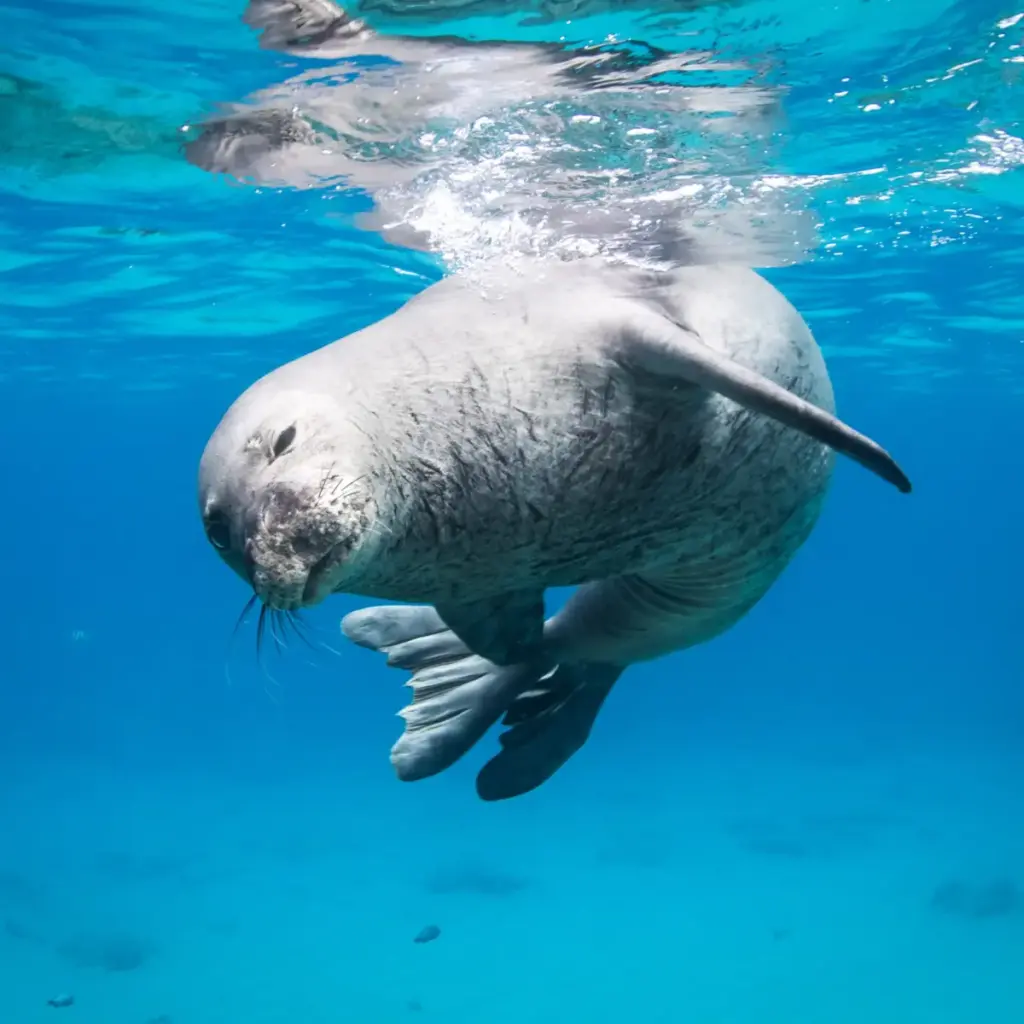
- The Evolutionary Timeline of Amphibious Hearing in Seals: New paleobiological research published this week indicates that modern seals perfected the ability to hear efficiently in both aquatic and terrestrial environments approximately 26 million years ago. This dual-hearing adaptation was a pivotal evolutionary milestone, allowing ancestral pinnipeds to exploit marine food resources while maintaining critical terrestrial behaviors such as breeding and predator avoidance. Understanding the timeline of these anatomical transformations provides researchers with baseline data on how marine mammals historically coped with sensory shifts in changing marine ecosystems.
- Geothermal Insights into Climate Resilience: In a novel study comparing fish populations inhabiting naturally heated Icelandic geothermal pools with those from cooler ambient waters, researchers have discovered that prolonged exposure to elevated temperatures can induce lasting phenotypic and genetic trait changes. These thermal adaptations may significantly enhance a species’ capacity to cope with accelerating ocean warming. However, scientists caution that while evolutionary plasticity offers a glimmer of hope, the unprecedented velocity of contemporary climate change far outpaces historical rates of natural selection.
- Behavioral Adaptations in Juvenile Great White Sharks: Advanced tracking data has provided unprecedented visibility into the micro-behavioral responses of young great white sharks to extreme weather events. Researchers observed that juvenile sharks can rapidly react to acute meteorological shifts, promptly abandoning established nursery areas when storm-driven surface cooling drastically alters local oceanographic conditions. This mobility highlights the sensitivity of coastal apex predators to climatic volatility, raising new questions about how increasingly frequent extreme weather events will alter vital juvenile habitats.
2. Fisheries Management and Socio-Economic Policy
The commercial extraction of marine resources remains one of the most volatile arenas in environmental policy, balancing the economic livelihoods of coastal communities against the stark realities of stock depletion and ecosystem degradation.
- Molecular Impacts of Heavy Fishing Pressure: Fisheries scientists have identified alarming molecular-level changes within heavily exploited populations of pearly razorfish. Chronic overfishing is no longer understood merely as a numerical depletion of stock, but as a selective pressure driving genetic and molecular degradation. These shifts can undermine the long-term viability, reproductive capacity, and resilience of fish stocks, signaling a hidden biological cost of intensive commercial harvesting.
- Brazil Classifies Tambaqui as Threatened: In South America, Brazil’s official reclassification of the tambaqui—a cornerstone freshwater species of the Amazon basin—as threatened has sent ripples through the regional fishing economy. The new classification has immediately galvanized fishers, indigenous communities, and conservation groups to forge practical, grassroots solutions to prevent local extinction while securing sustainable livelihoods for those dependent on riverine resources.
- Regulatory Consultations in the Irish Sea: Public consultations have officially opened regarding draft fisheries management plans for the Irish Sea. These frameworks seek to balance demersal fishing activities with the urgent necessity of ecosystem restoration, aiming to mitigate seabed disruption and rebuild depleted commercial stocks through collaborative stakeholder engagement.
- Landmark Protections for Indonesian Fishing Crews: In a major victory for human rights and labor standards at sea, a new agreement enacted in Indonesia promises significantly safer working conditions for the nation’s vast contingent of fishing crews. The treaty mandates fairer treatment, enhanced workplace safety standards, and rigorous oversight to combat human trafficking and labor abuses within the commercial fishing sector.
3. Biodiversity Conservation and Environmental Law
Global biodiversity frameworks are currently being tested by political shifts, illicit trade networks, and chronic chemical pollution that threatens apex species across marine and freshwater realms.
- Controversy Over Species Protection Laws in Ontario: Conservation organizations have voiced fierce opposition to planned legislative updates concerning Ontario’s endangered species laws. Environmental advocates warn that the proposed modifications threaten to dilute statutory safeguards for vulnerable wildlife, prioritizing commercial development over the preservation of regional biodiversity.
- The Overlooked Trade in Sawfish Teeth: Marine scientists are urgently calling on international governing bodies to crack down on a largely forgotten illicit trade: the global commerce in sawfish teeth. As all species of sawfish face critical endangerment from habitat loss and accidental entanglement in fishing gear (bycatch), the unregulated trade in their rostrum parts poses an insidious, compounding threat to their survival.
- Continued Decline of Atlantic Salmon Stocks: A comprehensive review published by the International Council for the Exploration of the Sea (ICES) has issued a stark warning regarding the continued, alarming decline of Atlantic salmon populations across their native range. The report underscores the compounding pressures of rising river temperatures, industrial pollution, barriers to migration, and marine mortality, reinforcing the critical need for aggressive, coordinated conservation and watershed restoration initiatives.
- Grassroots Conservation in West Africa: In Ghana, dedicated researchers are spearheading grassroots campaigns to pull native guitarfish populations back from the brink of extinction. By integrating marine science with community-led engagement and alternative livelihood programs, these initiatives demonstrate how local stakeholders can become frontline defenders of threatened marine species.
- Persistent Pollutants in Marine Mammals: Toxicology studies have revealed concerning data regarding the bioaccumulation of per- and polyfluoroalkyl substances (PFAS)—commonly known as "forever chemicals"—in dolphins. Researchers found that these highly persistent synthetic chemicals accumulate systematically within marine mammals as they age, raising profound concerns about chronic toxicological impacts on immune function, reproductive health, and long-term population viability.
- Freshwater Crises in European River Systems: Severe, prolonged heatwaves have dramatically reduced river flows and water levels across France, placing intense thermal and osmotic stress on freshwater fish populations. These drying waterways have triggered emergency conservation interventions designed to rescue stranded fish and mitigate the cascading impacts of climate change on vulnerable aquatic ecosystems.
- Enhanced Protections for Vulnerable Seahorse Populations: The UK Marine Management Organisation (MMO) is actively expanding regulatory measures to safeguard fragile seahorse populations. The enhanced framework focuses intensely on mitigating localized threats, such as destructive bottom-towed fishing gear, and preserving the delicate seagrass habitats upon which these unique species depend for shelter and breeding.
4. Climate Crisis, Governance, and Political Landscapes
Environmental policy is inextricably linked to broader geopolitical currents, where changes in national leadership can abruptly alter a nation’s trajectory on fossil fuel dependency and scientific integrity.
- Political Tensions Surrounding Scientific Independence: Global scientific communities continue to monitor the chilling effects of political interference in environmental and public health research, drawing comparisons to historical tensions witnessed under past administrations, such as that of Donald Trump. Observers stress that maintaining the autonomy and credibility of scientific research is paramount for evidence-based climate policy.
- The UK’s North Sea Oil Dilemma: Newly appointed UK Prime Minister Andy Burnham has publicly stated that the nation "cannot ignore" the ongoing economic and energy realities surrounding North Sea oil production. This stance has reignited fierce debates among climate advocates and energy analysts who argue that continued fossil fuel extraction directly contradicts the UK’s legally binding net-zero carbon commitments and international climate obligations.
Supporting Context and Metrics
To fully comprehend the scope of these environmental shifts, it is necessary to examine the underlying metrics and historical baselines driving modern marine research:
- Deep-Time Chronology: The adaptation of pinniped hearing roughly 26 million years ago occurred during the late Oligocene epoch—a period characterized by significant global cooling and tectonic reorganizations that fundamentally restructured marine productivity and coastal upwelling zones.
- Thermal Tolerance Metrics: Research into geothermal fish populations indicates that physiological acclimatization can shift thermal tolerance thresholds by up to 1.5°C to 2°C. While significant, climate models project ocean temperature anomalies that frequently exceed these biological buffering capacities within the next three decades.
- Persistent Chemical Accumulation: Toxicology reports show that PFAS concentrations in apex marine predators can magnify by several orders of magnitude relative to surrounding seawater concentrations, demonstrating extreme biomagnification through marine food webs.
- Freshwater Habitat Degradation: Recent commentary from environmental watchdogs emphasizes that freshwater habitats, particularly ponds and low-order streams, have suffered disproportionate degradation. In the UK alone, decades of intensive agricultural runoff, unmitigated urban development, and systemic institutional neglect have severely compromised the structural integrity of internal waterways.
Official Statements and Expert Commentary
- On Fisheries and Community Engagement: Experts organizing the upcoming Open Communications for the Ocean webinar, titled "The Community Voice Method: Amplifying Community Voices in Decision-Making Processes," emphasize that sustainable resource management is impossible without local buy-in. An spokesperson noted:
"True conservation cannot be imposed from the top down; it requires embedding the lived experiences and traditional knowledge of coastal communities directly into the policy architecture."
- On Freshwater Degradation: Highlighting the plight of inland water networks, environmental analysts remarked on the systemic policy failures plaguing aquatic ecosystems:
"The decline of ponds and river systems is part of a wider story of chronic damage to our waterways by a toxic cocktail of intensive agriculture, unchecked building development, industrial pollution, and a systemic failure of institutional management."
- On Coastal Encounters: Illustrating the increasingly dynamic interaction between humans and marine wildlife during coastal recreation, field reports from conservation diarists captured the serendipitous nature of modern surf culture:
"As we enjoyed the surf, the relentless waves brought many more jellyfish to join the party around our boards."
Future Outlook
Looking ahead, the trajectory of global marine and freshwater conservation hinges on several critical policy junctures and scientific milestones over the coming months:
- Regulatory Decisions on the Irish Sea: The ongoing public consultations regarding Irish Sea demersal fisheries will serve as a litmus test for post-Brexit regional fisheries management, determining whether ecological recovery can be successfully balanced against commercial fishing interests.
- Implementation of Labor Treaties in Indonesia: The enforcement of the new Indonesian fishing crew agreement will be closely monitored by international labor watchdogs to evaluate its effectiveness in eliminating workplace abuses and establishing a replicable benchmark for global maritime labor standards.
- Global Action on Illicit Wildlife Trade: Scientists and convention delegates are preparing to lobby international bodies, including CITES, to formally address the overlooked trade in sawfish parts and derivatives, aiming to close regulatory loopholes that currently facilitate the exploitation of critically endangered elasmobranchs.
- Upcoming Community Governance Dialogues: Scheduled events, such as the Open Communications for the Ocean webinar on September 29, will provide vital platforms for advancing participatory governance models, ensuring that marginalized coastal communities retain a decisive voice in marine spatial planning and climate adaptation strategies.
Ultimately, whether addressing the microscopic accumulation of forever chemicals in marine mammals or navigating high-level political debates over fossil fuel extraction, the health of our aquatic biosphere remains inextricably linked to decisive, evidence-based human action.