The unfolding environmental reality of the mid-2020s presents a stark dichotomy between intensifying ecological collapse and resilient global resistance. Across continents, the impacts of a warming planet are no longer distant theoretical projections; they are immediate, violent disruptions claiming lives, incinerating ancient landscapes, and suffocating marine ecosystems. At the forefront of documenting, challenging, and confronting these crises stands Greenpeace, continuing a half-century legacy of high-impact photo activism and direct action.
From the heat-scorched asphalt of European capitals to the remote, biodiverse waters of Southwest Papua, and from the contested gas fields of the Black Sea to the smoke-choked peatlands of Belgium and Wales, environmental defenders are mobilizing with unprecedented urgency. This past week encapsulated the multifaceted nature of the global climate fight. Activists deployed life-size ice sculptures to humanize the silent toll of urban heatwaves, scaled corporate lobbying headquarters to indict industrial polluters, etched massive warnings onto scorched mountain ranges, and joined forces with Indigenous communities to restore fragile coral reefs.
This report provides a comprehensive, chronologically detailed overview of Greenpeace’s international operations, contextualizing the local struggles within the broader geopolitical and scientific framework of the global climate and biodiversity emergency.
Detailed Chronology of Global Actions
1. Berlin, Germany: Visualizing the Human Toll of Extreme Heat
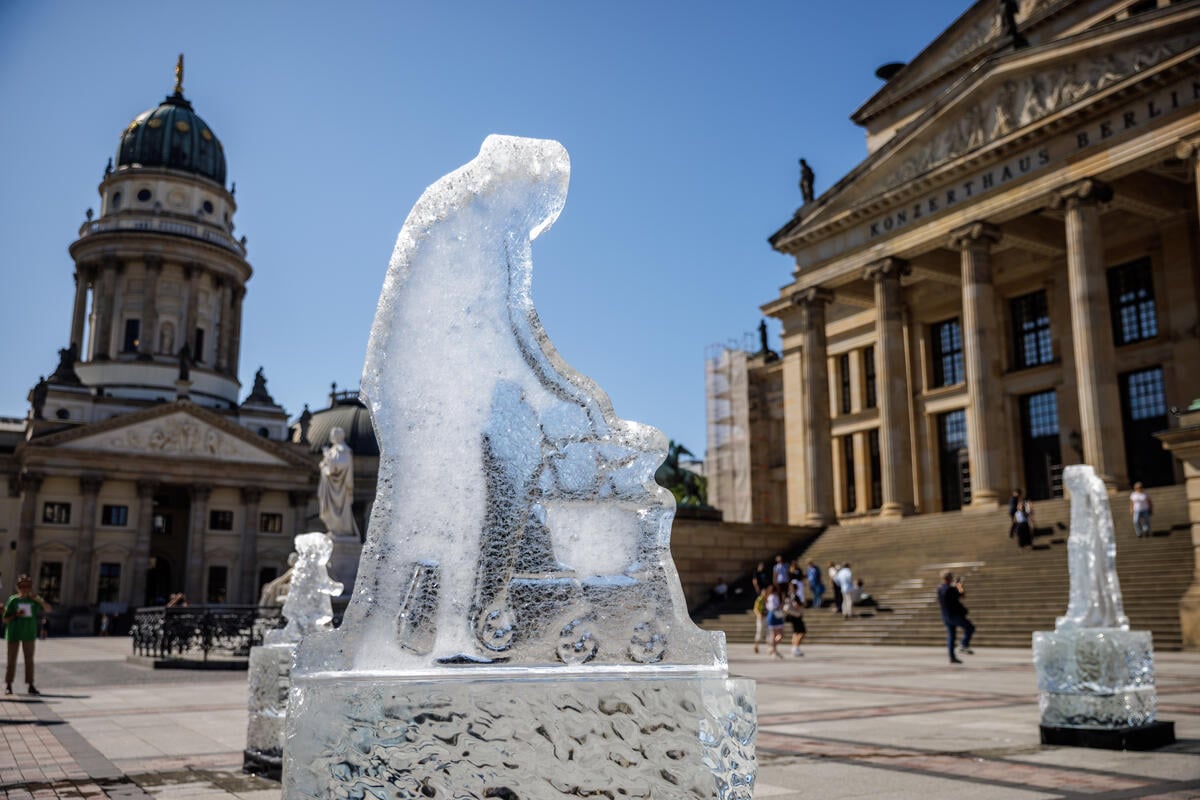
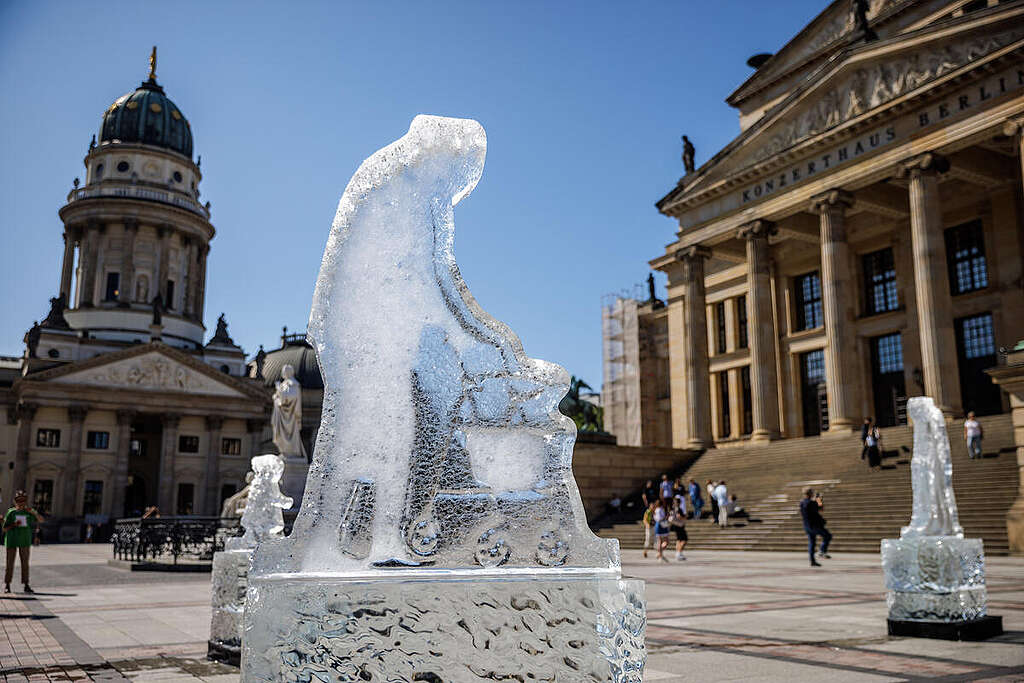
In the treeless expanse of Berlin’s historic Gendarmenmarkt, Greenpeace Germany confronted the grim reality of urban overheating. Activists erected four life-size ice sculptures, serving as ephemeral, melting monuments to the victims of the extreme summer. Placed squarely at the center of these dissolving figures was an updated, sobering statistic: 15,800.
According to current epidemiological estimates released by the Robert Koch Institute, this is the number of people who died prematurely across Germany from the cumulative physiological effects of heatwaves during the summer of 2026. The action was designed to pierce through abstract weather reports, forcing the public and policymakers to visualize how vulnerable populations—particularly the elderly and infirm—are literally melting away under the weight of climate inaction.
2. Arborek Island, Raja Ampat, Indonesia: Indigenous-Led Marine Restoration
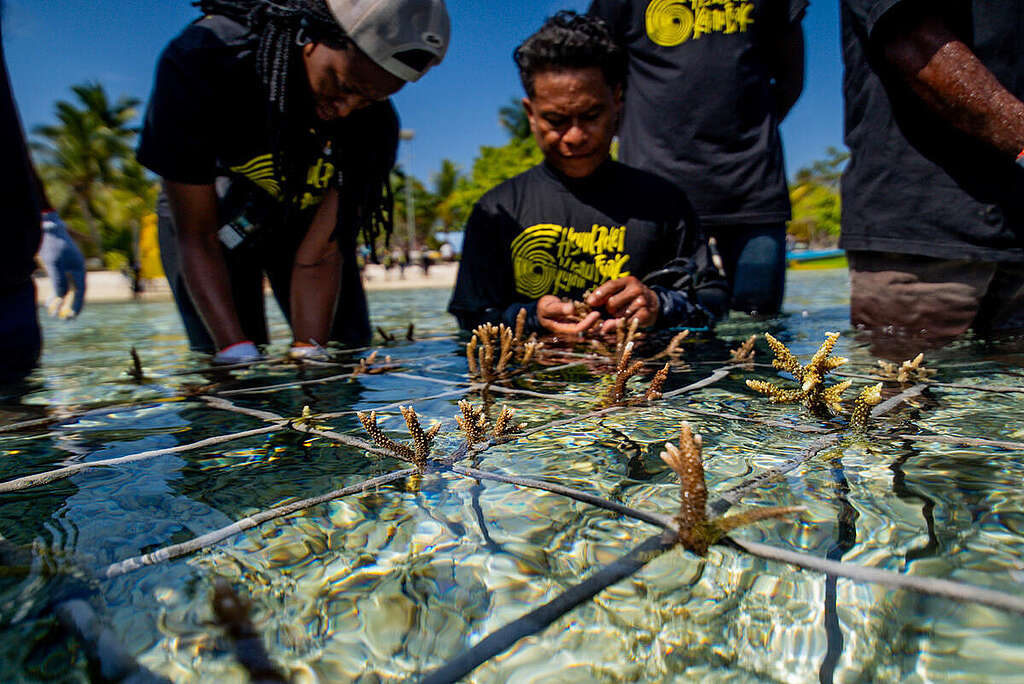
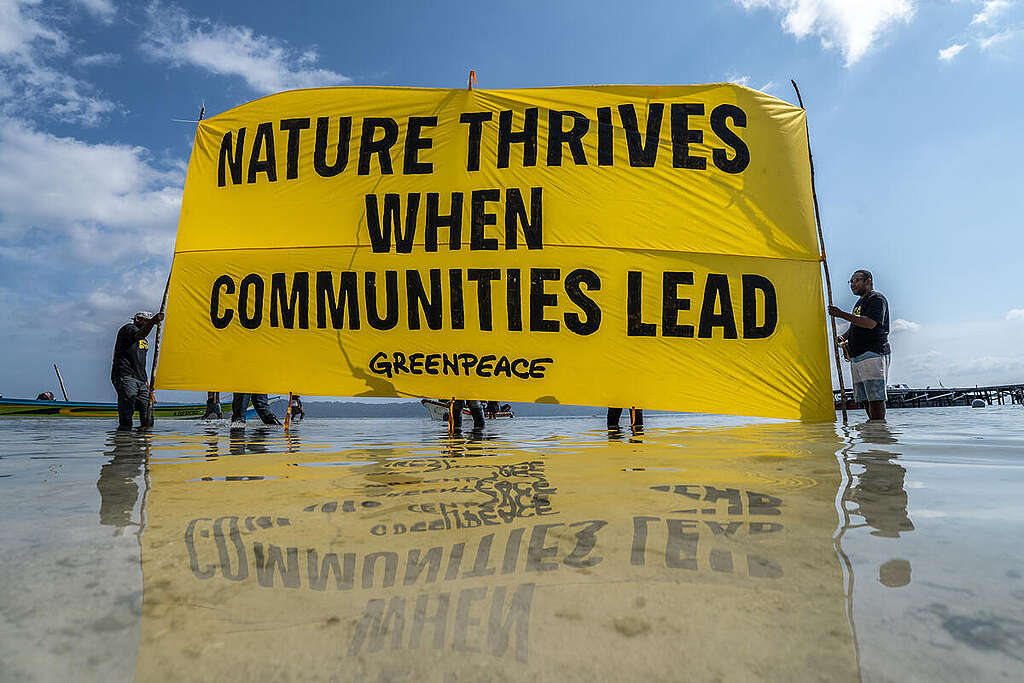
Shifting from the urban heat islands of Europe to the vibrant marine landscapes of Southwest Papua, Greenpeace Indonesia partnered with the USBA Institute, the Raja Ampat Indigenous Community, and the Congo Basin Indigenous Community for a profound act of ecological healing. On Arborek Island, participants engaged in hands-on coral reef restoration through coral transplantation.
This initiative coincided with the Raja Ampat Indigenous Grand Assembly—convened to celebrate the International Day of the World’s Indigenous Peoples and to build momentum following the #SaveRajaAmpat campaign and the Indigenous Senate Assembly. The gathering produced eight core demands aimed at safeguarding ancestral lands and biodiversity ahead of the pivotal UN Biodiversity Conference (CBD COP17) in Armenia.
3. The High Fens, East Belgium: The Devastation of Peatland Fires
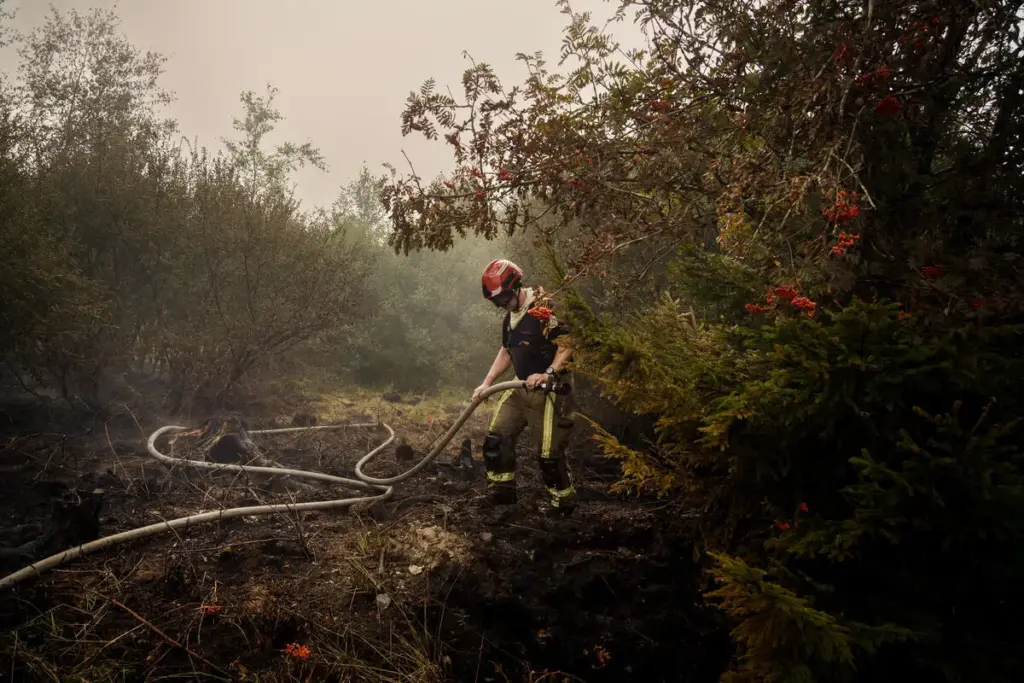
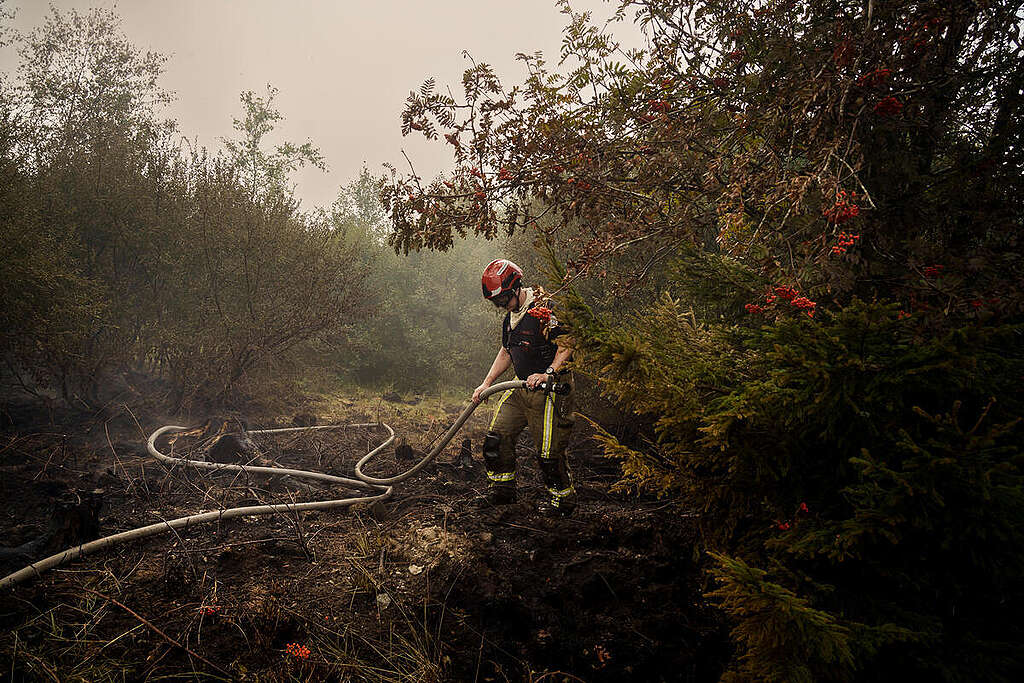
On Friday, August 14, 2026, the fragility of European ecosystems was brutally underscored in the High Fens (Hautes Fagnes) nature reserve in eastern Belgium. Fueled by prolonged drought and desiccated vegetation, a massive wildfire tore through the region.
Because the High Fens comprise critical peatland ecosystems, the fire did not merely destroy surface flora; it incinerated over 3,000 hectares of vital carbon sinks. The disaster released massive volumes of trapped greenhouse gases back into the atmosphere while devastating native habitats, highlighting the dangerous feedback loop of climate change drying out landscapes primed for combustion.
4. Neuhardenberg Castle, Germany: Confronting the Federal Cabinet
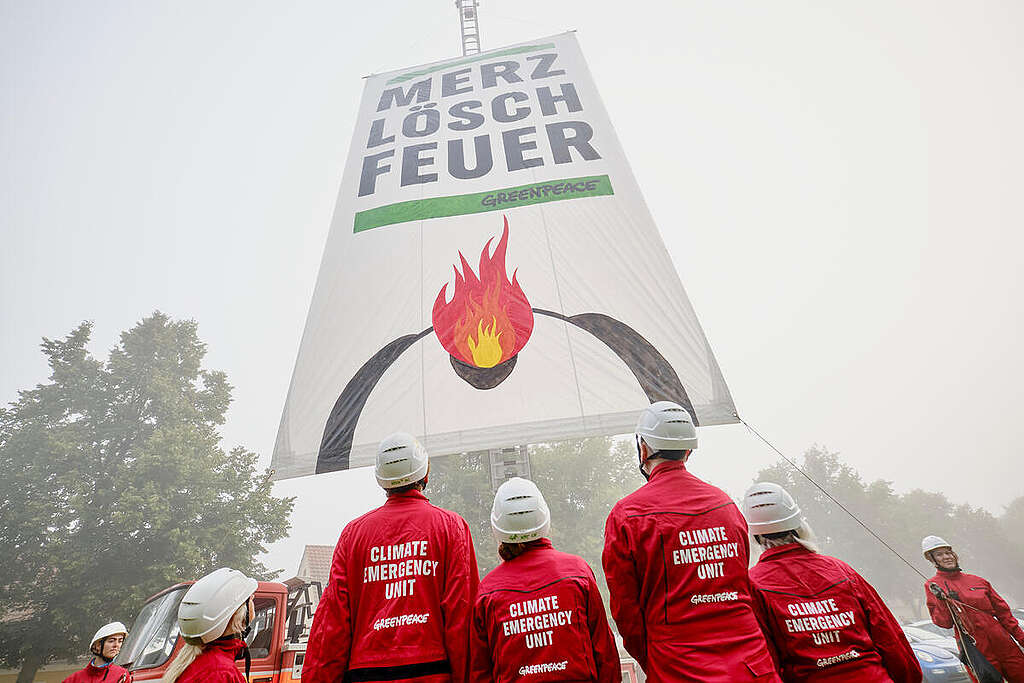
As the German federal governing coalition convened at Neuhardenberg Castle near Berlin to discuss economic policy, Greenpeace activists brought the climate emergency directly to their doorstep. Utilizing a decommissioned fire truck and unfurling a bold banner reading "Merz, put out the fire," the protesters demanded immediate, structural enhancements to national heat protection and climate adaptation frameworks.
The demonstration underscored a tense political deadlock: while climate adaptation was nominally on the cabinet agenda, conservative factions within the coalition continued to categorically reject the Social Democratic Party’s (SPD) demand to enshrine a "joint mission for climate adaptation and nature conservation" into the nation’s Basic Law (Grundgesetz).
5. Conwy, Wales: Etching a Burning Warning into the Mountainside
In the United Kingdom, Greenpeace UK delivered an unmissable message to Prime Minister Andy Burnham. Following terrifying wildfires that swept across vast swaths of Welsh terrain, activists utilized the scorched earth of a mountain slope in Conwy as an eco-friendly canvas.
Using non-toxic, plastic-free paint, they created a massive land artwork reading, "Our house is on fire Andy." The visual prominently featured an illustration of Prime Minister Burnham pouring oil and gas over the flames. The action served as a direct indictment of government policies, urging the new administration to abandon plans for further oil and gas licensing in the North Sea and instead reckon with the immediate climate impacts battering the British Isles.
6. The Black Sea: The Arctic Sunrise Warns Against Neptun Deep
Aboard the iconic icebreaker Arctic Sunrise, an international coalition of Greenpeace activists from Romania, Austria, Slovenia, and Slovakia launched a peaceful protest in international Black Sea waters. Deploying an 11-meter floating banner, the crew targeted the highly controversial Neptun Deep offshore gas project.
Coming in the wake of recent drone security scares in the region, the protest exposed the profound geopolitical and environmental risks of expanding fossil fuel infrastructure in a conflict-adjacent zone. Activists argued that offshore gas extraction is exceptionally vulnerable to military escalation, fails to deliver genuine energy security, and poses catastrophic, irreversible risks to marine ecosystems—all while diverting financial capital away from safe, scalable renewable energy deployment.
7. Yaoundé, Cameroon: "Sport for Ebo Forest" on International Youth Day
Marking International Youth Day, the Youth and Volunteers Programme in Cameroon organized a high-energy campaign titled "SPORT FOR EBO FOREST" at the Parcours Vita fitness park in Yaoundé.
Combining fitness walks led by professional sports coaches with recreational games and photography sessions, the event galvanized young Cameroonians and volunteers. The gathering served as a dynamic platform to raise awareness about the ecological threats facing the irreplaceable Ebo Forest, mobilizing the next generation of African environmental stewards to advocate for forest conservation and indigenous land rights.
8. Copenhagen, Denmark: Targeting the Lobbyists of "Dead Fjords"
In the heart of Denmark, Greenpeace Nordic activists executed a high-visibility, peaceful direct action at the headquarters of the Danish Agriculture & Food Council in Copenhagen. Ascending the building’s facade, activists hoisted a red warning flag and unfurled a massive banner bearing the chilling message: "Here the dead fjords begin."
The protest directly linked the powerful agricultural lobbying organization to the widespread ecological collapse occurring in Danish fjords and coastal waters. For years, critics argue, the council has obfuscated agriculture’s role in catastrophic nitrogen pollution—which triggers severe oxygen depletion (hypoxia) and suffocates marine life. Greenpeace used the action to demand that politicians sever cozy ties with agricultural lobbyists and enact strict, legally binding regulations to curb fertilizer and manure runoff.
Supporting Context & Metrics
The convergence of these global actions highlights systemic institutional failures in addressing the triple planetary crisis: climate change, biodiversity loss, and widespread pollution.
The Human Cost of Heat: According to the Robert Koch Institute, 15,800 premature deaths in Germany alone during the summer of 2026 underscore the lethal inadequacy of current urban planning and public health heat-protection policies. Urban heat island effects, exacerbated by concrete-heavy architectures and a lack of green infrastructure, disproportionately impact the elderly.
Peatland Vulnerability: The 3,000-hectare fire in Belgium’s High Fens illustrates how degraded and drying peatlands transform from carbon sinks into massive carbon emitters, accelerating global warming.
Agricultural Runoff & Hypoxia: In Denmark, decades of intense industrial farming have overloaded aquatic ecosystems with nitrogen and phosphorus. This nutrient pollution fuels massive algal blooms, which subsequently die and decompose, stripping the water column of oxygen and creating aquatic "dead zones."
The Energy Insecurity Trap: In the Black Sea and the North Sea, ongoing fossil fuel expansion represents both an ecological hazard and a strategic liability. Protests against projects like Neptun Deep and UK North Sea drilling emphasize that true energy security lies in decentralised, renewable grids rather than vulnerable, conflict-prone fossil infrastructure.
Official Statements
On the Berlin Heat Protest, Greenpeace Germany spokesperson noted:
"We cannot allow our society to quietly normalize the thousands of preventable deaths caused by extreme heat each summer. The melting ice figures at Gendarmenmarkt are a mirror reflecting government inaction. Chancellor Merz and federal leaders must stop treating climate adaptation as an optional luxury; it is a matter of immediate survival."
On the Arctic Sunrise Black Sea Action, project coordinator Dan Saracut stated:
"Extracting gas from the depths of a militarized Black Sea is an act of supreme recklessness. Projects like Neptun Deep do not guarantee energy independence—they expose us to catastrophic environmental disaster and military vulnerability, while ignoring the obvious solution: rapidly deploying safe, clean renewables."
On the Copenhagen Action against the Danish Agriculture & Food Council, Rasmus Preston of Greenpeace Nordic remarked:
"For too long, agricultural lobbying groups have dictated environmental policy behind closed doors, greenwashing industrial farming while our fjords suffocate from oxygen depletion. We have drawn a red flag over their doors because the public deserves to know who is driving the destruction of our marine environments."
Future Outlook
As the international community looks toward upcoming diplomatic milestones—including the UN Biodiversity Conference (CBD COP17) in Armenia—the demands articulated by Indigenous peoples, youth groups, and environmental defenders grow increasingly urgent.
The events of this week demonstrate that grassroots resistance and direct witness are more critical than ever. Whether halting illegal deforestation in Cameroon, defending marine sanctuaries in Indonesia, or confronting corporate capture in European capitals, Greenpeace remains unwavering in its mission. The path forward demands an immediate cessation of fossil fuel expansion, strict legal protections for natural carbon sinks and marine ecosystems, and a binding commitment to prioritize human life and ecological health over corporate profit.