Executive Overview
On May 4, 2026, the global sustainability sector marked a significant milestone with the official release of the year’s inaugural Climate Impact Portfolio. Designed to accelerate the global transition toward net-zero emissions, this multi-faceted initiative strategically channels vital financial resources into six diverse, rigorously vetted carbon offset projects across the globe. By spanning critical domains such as forestry preservation, renewable energy generation, blue and teal carbon restoration, and advanced carbon removal technologies, the portfolio offers a comprehensive blueprint for addressing the interconnected crises of climate change, biodiversity loss, and socioeconomic instability.
In an era where greenwashing and superficial environmental claims face intense scrutiny from regulators and consumers alike, the 2026 Climate Impact Portfolio stands out for its uncompromising transparency, holistic impact metrics, and reliance on peer-reviewed, independent verifications. The initiative goes beyond mere carbon accounting; it actively champions the rights of Indigenous and local communities, restores fragile ecosystems, and injects much-needed financial capital into marginalized economies. This extensive report explores the architecture of the portfolio, details the individual projects driving its success, and evaluates the profound ripple effects these interventions are generating worldwide.
Detailed Chronology and Project Breakdown
The first Climate Impact Portfolio of 2026 represents a carefully calibrated mix of technological innovation, ecological restoration, and community-led conservation. Distributed across six distinct initiatives, the portfolio allocates resources to address specific regional vulnerabilities while contributing to global climate stabilization. Below is an in-depth look at each project comprising the portfolio.

1. Macaúbas Waste-to-Energy Project (Brazil)
- Portfolio Allocation: 39.6%
- Project Type: Energy (Biogas Capture & Renewable Electricity Generation)
- Geographical Focus: Iron Quadrangle, Minas Gerais, Brazil
Historical Context and Local Impact
Deep within Brazil’s historic Iron Quadrangle, the legacy of the historic Gold Rush continues to shape the landscape. While this region fostered rich cultural traditions, urban expansion, and culinary heritage, it also triggered a dramatic surge in energy consumption and municipal waste generation. Today, the Macaúbas project tackles this dual challenge head-on.
By capturing methane—a greenhouse gas with a global warming potential significantly higher than carbon dioxide—emitted from decomposing organic waste at the Macaúbas landfill, the project prevents toxic emissions from entering the atmosphere. Crucially, this captured biogas is converted into clean, reliable renewable electricity.
Strengthening Energy Resilience
As climate change alters weather patterns across South America, Brazil’s traditional river-powered hydroelectric grid faces unprecedented strain from prolonged droughts. The Macaúbas Waste-to-Energy project acts as a vital decentralized supplementary energy source, stabilizing the local power grid while fostering green employment and sustainable municipal development.

2. Sargassum Recovery for Clean Coasts (Mexico)
- Portfolio Allocation: 1.0%
- Project Type: Carbon Removal & Upcycling
- Geographical Focus: Riviera Maya, Mexico
Combating the Sargassum Crisis
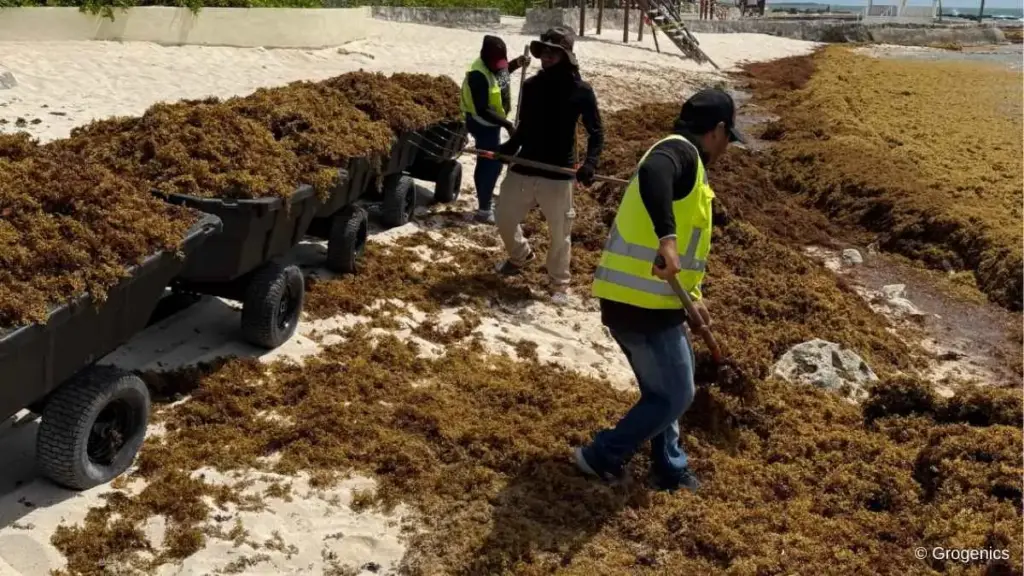
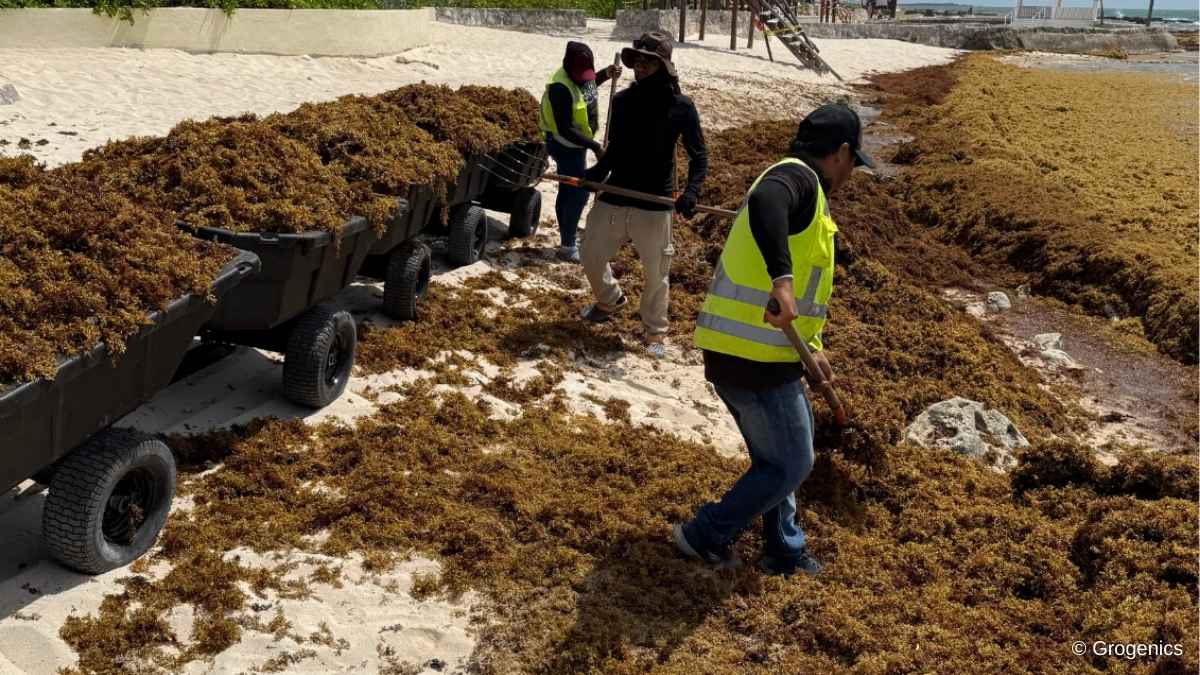
The turquoise waters and white-sand beaches of Mexico’s Riviera Maya face an escalating ecological crisis due to massive influxes of floating sargassum seaweed. Left unmanaged, decomposing sargassum blankets shorelines, smothering coral reefs, trapping nesting sea turtles, and releasing toxic hydrogen sulfide gas that threatens local tourism and marine life.
The Sargassum Recovery initiative employs low-impact manual and mechanical collection methods to clear seaweed from vulnerable resort shorelines. Rather than sending this organic material to overflowing landfills, the project upcycles the harvested sargassum into biochar, agricultural compost, and durable shoreline protection materials. Furthermore, it supports women-led farming cooperatives that supply sustainably grown produce to local hotel menus, establishing a circular bio-economy.
Recent Accolades and Industry Recognition
Over the past year, the initiative has garnered widespread international acclaim for its pioneering approach to "Blue Innovation." Notably, it was named a Top Innovation Winner in the World Economic Forum’s Coastal Tourism Challenge. It also earned the prestigious Ocean Solution Label from the Sustainable Ocean Alliance and was named a finalist for the 2026 Unlocking the Planet Award, solidifying its status as a global model for coastal resilience.

3. Valle Paleazza Restoration Project (Italy)
- Portfolio Allocation: 5.8%
- Project Type: Blue/Teal Carbon Ecosystem Restoration
- Geographical Focus: Venice Lagoon, Italy
Reviving Traditional Water Management
In the iconic Venice Lagoon, the Valle Paleazza project breathes new life into centuries-old fishing valleys through traditional water management and ecological restoration. By combining historical local heritage with cutting-edge ecological science, the project successfully sequesters carbon in wetland biomass while revitalizing essential fish nurseries and migratory bird nesting grounds.
Beyond carbon sequestration, the restored wetlands act as natural buffers against rising sea levels, reducing storm surge erosion and protecting low-lying human settlements from catastrophic flooding.
Recent Milestones: Expanding Forest Cover
In April 2026, the project advanced its terrestrial restoration goals by planting 200 additional trees along the margins of the valleys. To ensure high survival rates among the new saplings, the project team initiated a rigorous maintenance protocol. This includes scheduled dry-period watering, continuous plant health monitoring, rapid replacement of failing specimens, targeted pest management, and the removal of invasive plant species. These efforts guarantee the long-term structural integrity and resilience of both newly planted and mature flora.

4. Keo Seima Wildlife Sanctuary (Cambodia)
- Portfolio Allocation: 34.9%
- Project Type: Forestry (REDD+ Avoided Deforestation)
- Geographical Focus: Mondulkiri Province, Cambodia
Defending Biodiversity and Indigenous Rights
The Keo Seima Wildlife Sanctuary protects a sprawling tropical forest of immense cultural, spiritual, and economic significance to the Indigenous Bunong people. Historically threatened by illegal logging, unsustainable agricultural conversion, and rural poverty, the sanctuary now serves as a fortress against deforestation. By providing sustainable alternative livelihoods, the project addresses the root economic drivers of environmental degradation.
Keo Seima is a refuge for countless endemic species, including irreplaceable tree varieties and endangered fauna such as the yellow-cheeked gibbon, while actively disrupting regional wildlife trafficking networks.
Community Governance and First-Aid Training
Recent months have seen substantial investments in local empowerment and safety within the sanctuary. Through focused leadership workshops and collaborative forums in communities like Cheung Phnum Beng and Karamash, forest protection efforts remain firmly guided by Indigenous governance and transparent management frameworks.
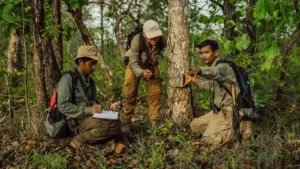
To safeguard frontline personnel operating in remote jungle environments, the project recently partnered with the Cambodian Red Cross to deliver intensive first-aid training. Additionally, the construction of traditional Bunong houses anchors Indigenous architectural history within the landscape, while the "Green Sprouts" educational campaign encourages community-wide participation in grassroots reforestation.
5. Yaeda-Eyasi Landscape Project (Tanzania)
- Portfolio Allocation: 4.7%
- Project Type: Forestry (Avoided Conversion & Land Stewardship)
- Geographical Focus: Rift Valley, Tanzania
Safeguarding Pastoralist and Hunter-Gatherer Lands
In the arid landscapes of Tanzania, the Yaeda-Eyasi project assists Indigenous pastoralist and hunter-gatherer communities in legally securing their ancestral territories. By preventing the conversion of dryland forests into encroaching agricultural plots, the project protects fragile carbon sinks while preserving nomadic lifestyles. The financial returns generated through carbon credit sales directly fund community-managed healthcare clinics, educational scholarships, and local infrastructure.
Rigorous Five-Year Verification
The Yaeda-Eyasi project is currently undergoing a comprehensive five-year independent audit under the Plan Vivo Standard. This stringent verification process guarantees that reported carbon emission reductions are scientifically accurate and verifiable on the ground. Concurrently, project auditors are updating the regional carbon baseline using advanced accounting methodologies. To monitor wider environmental health, a novel biodiversity tracking program utilizing avian species as biological indicators has also been successfully integrated into the management plan. Furthermore, the project has upgraded its Free, Prior, and Informed Consent (FPIC) protocols, surpassing international benchmarks to ensure absolute community alignment and decision-making power.

6. Rimba Raya Biodiversity Reserve (Indonesia)
- Portfolio Allocation: 14.0%
- Project Type: Blue/Teal Carbon & Peat Swamp Forest Conservation
- Geographical Focus: Indonesian Borneo, Indonesia
Protecting Carbon-Rich Peatlands
Accounting for 14% of the portfolio, the Rimba Raya Biodiversity Reserve protects a vast tropical peat swamp forest in Indonesian Borneo that was previously slated for clear-cutting and conversion into industrial palm oil plantations. Peat swamp forests store staggering amounts of carbon beneath their waterlogged soils; releasing this carbon would have catastrophic consequences for the global climate.
Supporting Endangered Fauna and Human Well-Being
In addition to halting peat degradation, Rimba Raya plays a pivotal role in the rehabilitation and reintroduction of critically endangered Bornean orangutans. By tackling systemic issues such as local poverty, food insecurity, and preventable diseases, the project addresses the underlying socio-economic pressures that drive deforestation, proving that ecosystem conservation and human development are mutually reinforcing goals.
Supporting Context and Metrics: Impact in Numbers
The aggregate impact of the six projects featured in the first Climate Impact Portfolio of 2026 demonstrates the immense scale achievable when targeted carbon finance meets grassroots execution. Together, these initiatives accelerate the global net-zero transition across four primary pillars:

- Forestry & Land Use: Successfully preventing the destruction and degradation of 1,060,000 acres of high-carbon-density forests across tropical and dryland ecosystems.
- Renewable Energy Generation: Producing 78.7 Gigawatt-hours (GWh) of clean renewable energy annually, directly displacing fossil-fuel-derived electricity and relieving strain on vulnerable regional grids.
- Waste Upcycling & Carbon Removal: Diverting up to 1,440 cubic meters ($m^3$) of sargassum seaweed and organic municipal waste per week from landfills, preventing fugitive methane emissions while generating useful biomaterials.
- Blue and Teal Carbon Conservation: Actively protecting and restoring 91,317 acres of coastal mangroves, seagrasses, and lagoon wetlands, which sequester carbon up to ten times faster than terrestrial forests.
Carbon Dioxide Equivalent ($CO_2e$) Allocation Summary
[Macaúbas Waste-to-Energy] .......... 39.6% (Energy)
[Keo Seima Wildlife Sanctuary] ...... 34.9% (Forests)
[Rimba Raya Biodiversity Reserve] ... 14.0% (Blue/Teal Carbon)
[Valle Paleazza Restoration] ........  5.8% (Blue/Teal Carbon)
[Yaeda-Eyasi Landscape Project] .....  4.7% (Forests)
[Sargassum Recovery Initiative] .....  1.0% (Carbon Removal)
Official Statements and Industry Perspective
Environmental strategists and project developers emphasize that the composition of the 2026 portfolio reflects a mature, highly nuanced understanding of modern climate finance.
"We have moved past the era where carbon offsetting was viewed merely as a transactional purchase of paper credits," notes a senior environmental policy analyst. "Today’s market demands holistic integration. When a portfolio simultaneously tackles methane capture in urban Brazil, protects orangutan habitats in Borneo, secures Indigenous land rights in Tanzania, and restores Venetian lagoon ecosystems, it proves that climate action cannot be siloed. It must be ecologically diverse, socially equitable, and strictly verified."
Independent auditors overseeing the Plan Vivo and Verra standards have similarly praised the heightened emphasis on community-led Free, Prior, and Informed Consent (FPIC). By placing local populations—such as the Bunong of Cambodia and the Indigenous groups of the Yaeda Valley—at the helm of project management, these initiatives ensure long-term permanence that top-down bureaucratic mandates could never achieve.
Future Outlook and Market Implications
As the world navigates the midpoint of the decade, the release of the first Climate Impact Portfolio of 2026 establishes a rigorous benchmark for corporate and individual voluntary climate action. The inclusion of innovative removal methodologies, such as sargassum upcycling alongside legacy forestry and renewable energy projects, signals where the carbon markets are heading: toward multi-benefit solutions that address localized environmental crises while securing global atmospheric goals.
Looking ahead, subsequent portfolios scheduled for release later in 2026 will continue to adapt to emerging ecological needs and technological breakthroughs. However, the foundational ethos established in May 2026 remains clear: effective carbon offsetting requires an unwavering commitment to scientific integrity, biodiversity preservation, and the economic empowerment of the communities best positioned to act as Earth’s frontline stewards.
For corporations, travelers, and conscious global citizens seeking to offset their footprints, participating in such diversified portfolios ensures that capital is not only neutralizing emissions today but actively building a resilient, biodiverse, and equitable net-zero future for tomorrow.