

Executive Overview
Every garden tells a story, and while high-profile showstoppers—such as grand hybrid roses, towering delphiniums, and exotic architectural specimens—frequently command the spotlight, the true backbone of a resilient, thriving ecosystem often lies in the shadows. In July 2026, a nationwide call to action launched across social media channels by leading horticultural community networks invited enthusiasts to share their favorite, yet chronically under-appreciated, botanical varieties. The response was overwhelming. Gardeners submitted an expansive inventory ranging from delicate ferns and architectural heucheras to resilient hellebores, carnivorous wonders, and airy cosmos.
However, amidst the diverse entries, five distinct plants emerged as clear favorites among seasoned growers. Far from being mere weeds or background fillers, these five selections—the Mexican fleabane (Erigeron karvinskianus), the common lawn daisy (Bellis perennis), London pride (Saxifraga x urbium), the versatile hardy geranium (Geranium), and the much-maligned dandelion (Taraxacum officinale agg.)—punch far above their weight. They offer unbeatable low-maintenance resilience, prolonged flowering seasons, crucial ecological support for pollinators, and an undeniable aesthetic charm.
This comprehensive report explores the botanical characteristics, environmental advantages, cultural history, and community sentiment surrounding these top five underrated plants, offering a definitive guide on how modern gardeners can integrate them to create sustainable, biodiverse, and visually arresting green spaces.

Detailed Chronology: The Evolution of Garden Perceptions
To understand why these five plants have captured the imagination of modern gardeners, one must examine the shifting paradigms of landscape design over the past century.
The Shift Toward Ecological Gardening
- Early to Mid-20th Century: Horticultural trends favored formal, highly manicured, and labor-intensive layouts. Lawns were treated as emerald-green monocultures, where any intrusion of "foreign" flora like daisies or dandelions was met with swift chemical eradication. Plants that spread too freely or defied strict geometric boundaries were classified simply as weeds.
- Late 20th Century: The rise of the environmental movement introduced a broader ecological consciousness. Horticulturists began recognizing the value of native and naturalized species in sustaining local insect populations. Perennials that required less water, minimal fertilizer, and virtually no chemical intervention started gaining traction among forward-thinking designers.
- The 2026 Landscape (Present Day): Today, contemporary gardening is shaped by the realities of climate change, water scarcity, and urban densification. Gardeners are increasingly turning away from high-input, fragile exotics in favor of tough, self-sustaining perennials. The July 2026 social media outreach served as a digital town hall, highlighting a massive cultural pivot: everyday gardeners are no longer striving for sterile perfection; instead, they are championing ecological harmony, resilience, and plants with personality.
Supporting Context & Metrics: The Ecological and Practical Case
The enduring appeal of these five plants is not merely aesthetic; it is backed by structural botanical resilience and vital ecological metrics.
1. Extended Flowering Windows and Pollinator Support
In an era of declining pollinator populations, the availability of nectar and pollen across extended seasons is paramount.

- Mexican Fleabane (Erigeron karvinskianus): Boasts an exceptional flowering period that often spans from late spring well into the autumn frosts. Its dense clusters of daisy-like blossoms provide a continuous buffet for hoverflies, bees, and butterflies when other garden favorites have faded.
- Dandelions (Taraxacum officinale agg.): Frequently among the very first sources of high-protein pollen and nectar available in early spring when emerging queen bees and early butterflies desperately require nourishment.
2. Low-Input Adaptability and Climate Resilience
Modern gardens must contend with erratic weather patterns, ranging from extended summer droughts to unseasonal saturation.
- Hardy Geraniums and London Pride: Both demonstrate extraordinary resilience against pests and diseases. London pride is famously slug-resistant and drought-tolerant, surviving effortlessly in dry shade where few other plants dare to grow.
- Common Daisies and Fleabane: Both species exhibit remarkable tolerance for poor, well-drained soils and micro-climates that would stress delicate bedding plants. Their capacity to self-seed or spread via stolons ensures natural regeneration without financial or labor investment from the gardener.
Official Statements and Horticultural Insights
The July 2026 community consultation yielded rich qualitative data, revealing deep emotional and practical connections between growers and their preferred flora. Below is an analysis of the top five plants, enriched with insights from professional horticulturists and participating gardeners.
5. Mexican Fleabane (Erigeron karvinskianus)
- Botanical Classification: Semi-evergreen herbaceous perennial.
- Optimal Growing Conditions: Full sun in any well-drained soil.
- Aesthetic and Functional Profile: Originating from Central America, this industrious plant produces trailing stems smothered in cascades of white, pink, and deep lavender flowers. It is the ultimate solution for softening harsh landscape lines, spilling over retaining walls, creeping between paving stones, or anchoring container arrangements and hanging baskets.
- Community Insight: “Erigeron grows practically anywhere and flowers all summer long,” noted one enthusiastic contributor. Despite its reputation as an enthusiastic self-seeder, gardeners emphasize that its shallow root system makes rogue seedlings exceptionally easy to pull up, rendering it non-invasive in a managed landscape.
4. Common Daisy (Bellis perennis)
- Botanical Classification: Evergreen herbaceous perennial.
- Optimal Growing Conditions: Full sun to partial shade in well-drained soil.
- Aesthetic and Functional Profile: The wild cousin of the Mexican fleabane, the common daisy is steeped in nostalgia. Often associated with childhood memories of weaving daisy chains on sun-drenched lawns, Bellis perennis brings a whimsical, cottage-garden aesthetic directly to the turf.
- Community Insight: Gardeners note that the primary threat to the common daisy is not nature, but human intolerance. “We have lots in our lawn and they look so lovely, but many people just ignore them, or tread on them,” remarked a community member. By simply raising mower heights or adopting a "No Mow May" approach, homeowners can transform an ordinary grass plot into a dynamic, flowering meadow that supports essential ground-nesting insects.
3. London Pride (Saxifraga x urbium)
- Botanical Classification: Evergreen herbaceous perennial.
- Optimal Growing Conditions: Partial to full shade in moist, well-drained soil.
- Aesthetic and Functional Profile: A classic garden stalwart, London pride features rosettes of glossy, bright green foliage that form dense carpets, effectively suppressing weeds in difficult shady areas. In late spring and early summer, it erupts into airy clouds of tiny, star-shaped white and pink-flecked flowers.
- Community Insight: Renowned for its resilience, this plant carries an intriguing cross-cultural reputation. While British gardeners cherish its low-maintenance charm and ease of propagation, it bears the evocative Dutch common name Schildersverdriet ("painter’s sorrow")—a humorous nod to the agonizingly intricate detail required if an artist attempted to paint every single delicate flower stem. Gardeners love its slug resistance and its ability to be easily divided or relocated if placed incorrectly.
2. Hardy Geranium (Geranium)
- Botanical Classification: Herbaceous perennial.
- Optimal Growing Conditions: Full sun to partial shade (with some varieties tolerating full shade) in well-drained soil.
- Aesthetic and Functional Profile: Not to be confused with tender bedding pelargoniums, true hardy geraniums (cranesbills) are perennial powerhouses. Varieties like the vivid magenta Geranium ‘Anne Folkard’ or the pale lilac-veined Geranium clarkei ‘Kashmir White’ provide exceptional ground cover, excel at underplanting roses and shrubs, and thrive in rock gardens or mixed borders.
- Community Insight: The economic and ecological value of hardy geraniums is unmatched. A frequently cited gardener tip highlights their incredible propagation potential: “You only have to buy one and in three years you can split it and have loads of free plants to share with your neighbours and friends.” Beyond thriftiness, their dense foliage acts as an effective living mulch, smothering weeds while offering a vital haven for beneficial predatory insects.
1. Dandelion (Taraxacum officinale agg.)
- Botanical Classification: Herbaceous perennial.
- Optimal Growing Conditions: Full sun to partial shade across virtually all soil types.
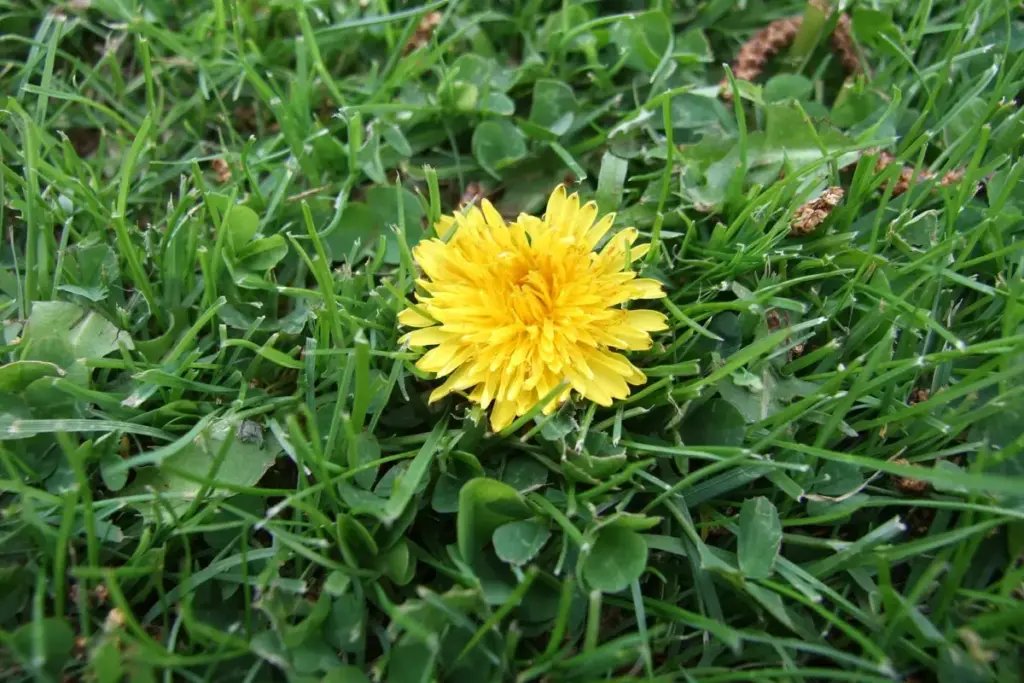
- Aesthetic and Functional Profile: Claiming the undisputed top spot in the 2026 grower survey, the dandelion represents the ultimate botanical underdog. Comprising roughly 250 microspecies, this resilient plant delivers brilliant, sun-yellow flower heads from early spring through summer, eventually transitioning into the iconic, spherical seed "clocks" beloved by generations of children.
- Community Insight: While traditional turf management manuals have spent decades villainizing the dandelion, enlightened modern gardeners view it as an essential ecological asset. Stripping away the social stigma reveals a plant of striking geometric beauty and immense environmental utility. As one simple yet passionate survey respondent summarized: “Dandelions. I love them!”
Future Outlook: Reimagining the Modern Garden
As we look toward the future of landscape design and horticulture, the elevation of these five underrated plants signals a profound shift in aesthetic values. The era of the high-maintenance, resource-heavy garden is steadily giving way to an ethos rooted in resilience, biodiversity, and emotional resonance.

Gardeners are increasingly recognizing that perfection is overrated. A landscape that welcomes the resilient charm of Mexican fleabane, honors the childhood nostalgia of lawn daisies and dandelions, relies on the dependable shade-tolerance of London pride, and shares the generational wealth of hardy geranium clumps is a garden that truly lives.
By embracing these unsung botanical heroes, modern growers can cultivate spaces that are not only easier to maintain and kinder to the planet, but are also richer in character, history, and life. Whether you are looking to patch a dry corner under a tree, soften the hard edges of a patio, or provide an early feast for emerging spring pollinators, these five plants prove that sometimes the greatest botanical treasures are the ones hiding right in plain sight.



