

By Global Environmental Desk
Published: August 28, 2026
Executive Overview
The first half of 2026 has etched itself into the historical record as a harrowing turning point for the planet. Fueled by decades of unmitigated fossil fuel emissions and supercharged by the sudden emergence of an unprecedented "super" El Niño, record-shattering heatwaves have scorched Europe, Asia, Africa, and North America. What were once described as unprecedented weather anomalies have now crystallized into the predictable, terrifying baseline of an overheated world.
From catastrophic glacial collapses in the Himalayas triggering deadly flash floods in Nepal, to historic, record-breaking droughts choking Europe’s vital waterways and forcing nuclear plant shutdowns, the cascading failures of human and natural infrastructure are glaringly apparent. Atmospheric carbon dioxide levels have breached a monthly average high of 432.3 parts per million at Mauna Loa, and scientists warn that the critical 1.5°C global heating threshold is no longer a distant horizon—it is an imminent, temporary reality we are poised to breach between 2026 and 2030.
As global temperatures soar and extreme weather claims thousands of lives, intensifying pressure mounts on world leaders to abandon outdated extractive systems. The global community stands at a crossroads: either hold major fossil fuel polluters accountable and radically accelerate the transition to decentralised renewable energy, or face an irreversible spiral of climate collapse.
Detailed Chronology of a Crisis: The Events of 2026
The unfolding climate catastrophe of 2026 has not manifested as a slow, uniform burn, but rather as a series of compounding, high-intensity disasters striking continents in rapid succession.
Spring to Summer: The Great Heat and the Smoke Across Continents
The year began with relentless rainfall, cyclones, and widespread flooding across Southern Africa, serving as an early indicator of a destabilized global hydrological cycle. By late spring and early summer, however, the narrative shifted dramatically to historic, life-threatening heat.
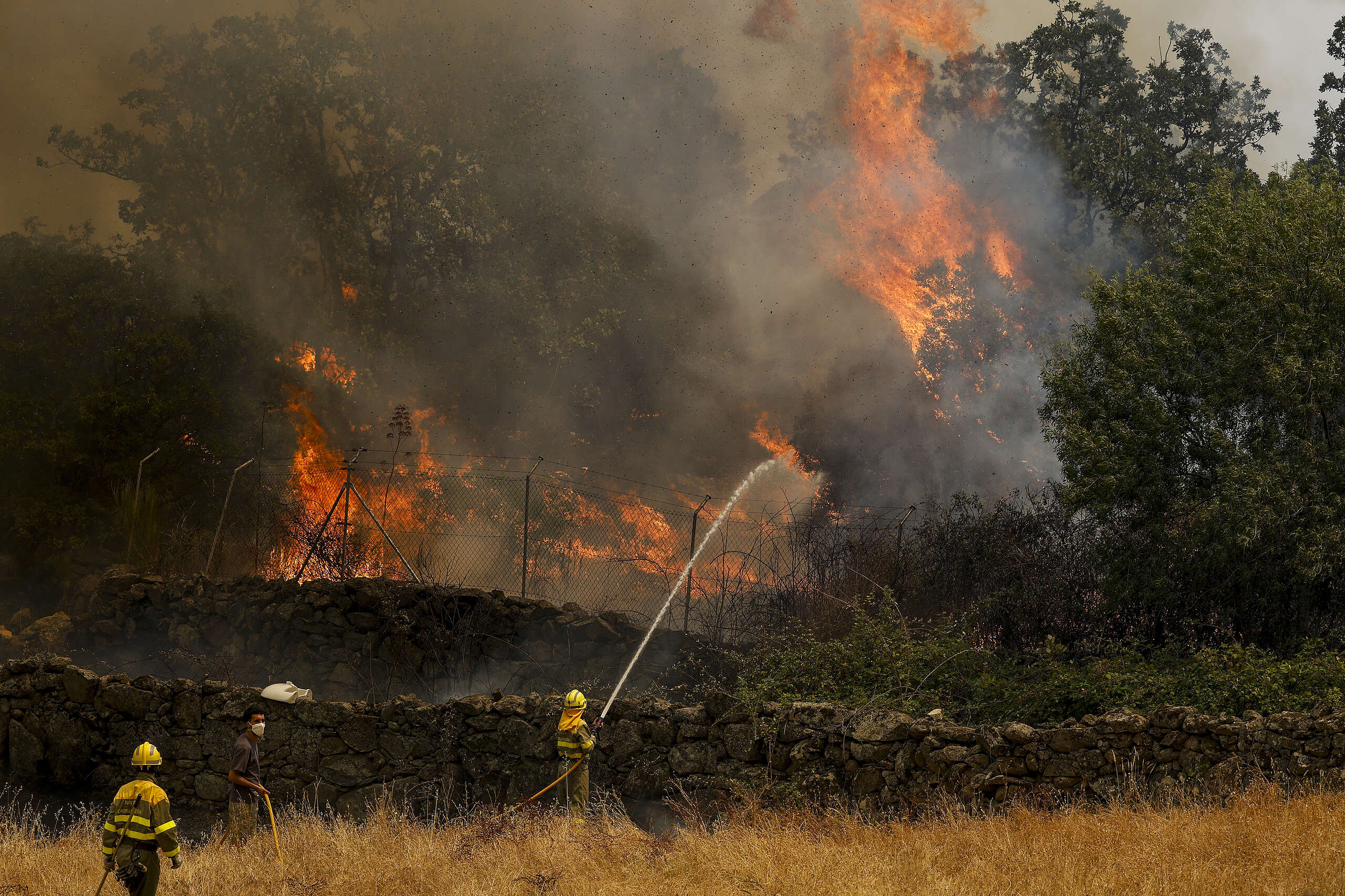
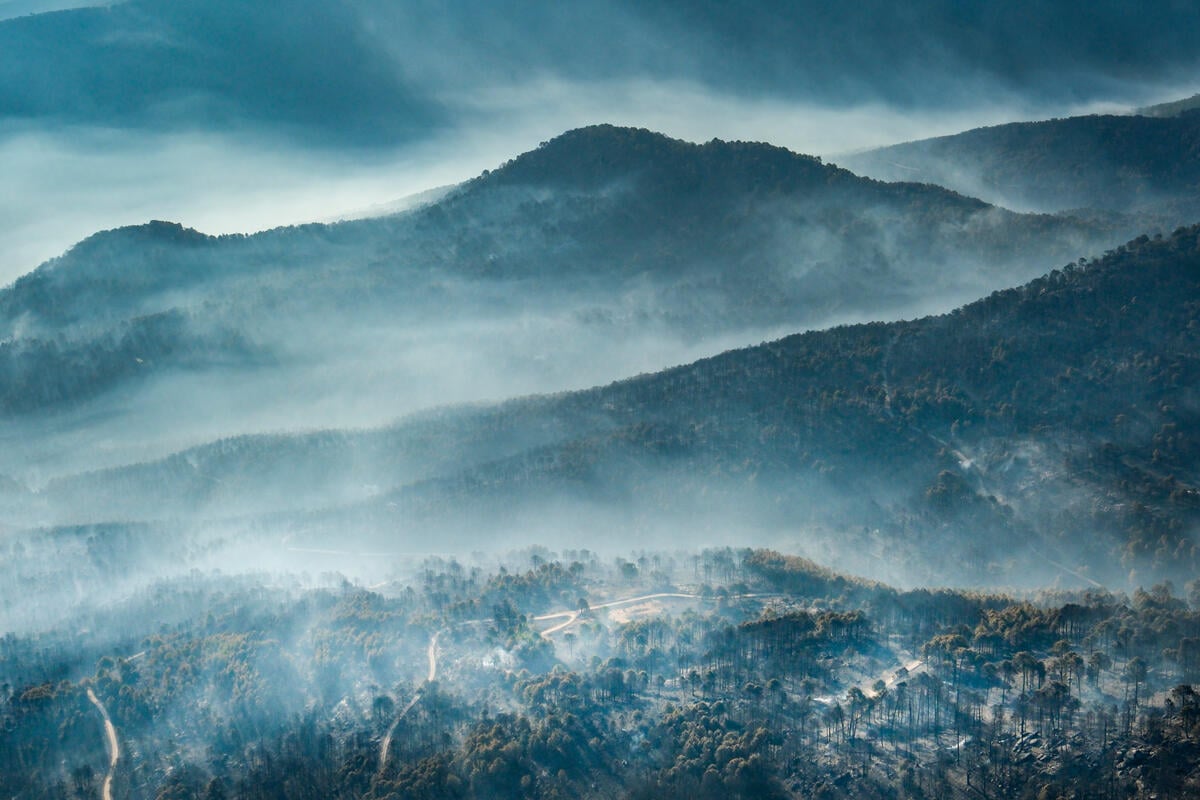
Western Europe endured its hottest June-July period on record, trapped in an exceptional run of four distinct heatwaves starting as early as May. Spain recorded its most devastating wildfire season in modern history, with blazes tearing through Toledo, Madrid, Ávila, Segovia, and Guadalajara. The Burgohondo fire in Ávila sparked a national emergency, prompting Greenpeace Spain activists to stage peaceful protests outside the Congress of Deputies beneath a banner reading, "Spain is burning. Your inaction is killing us."
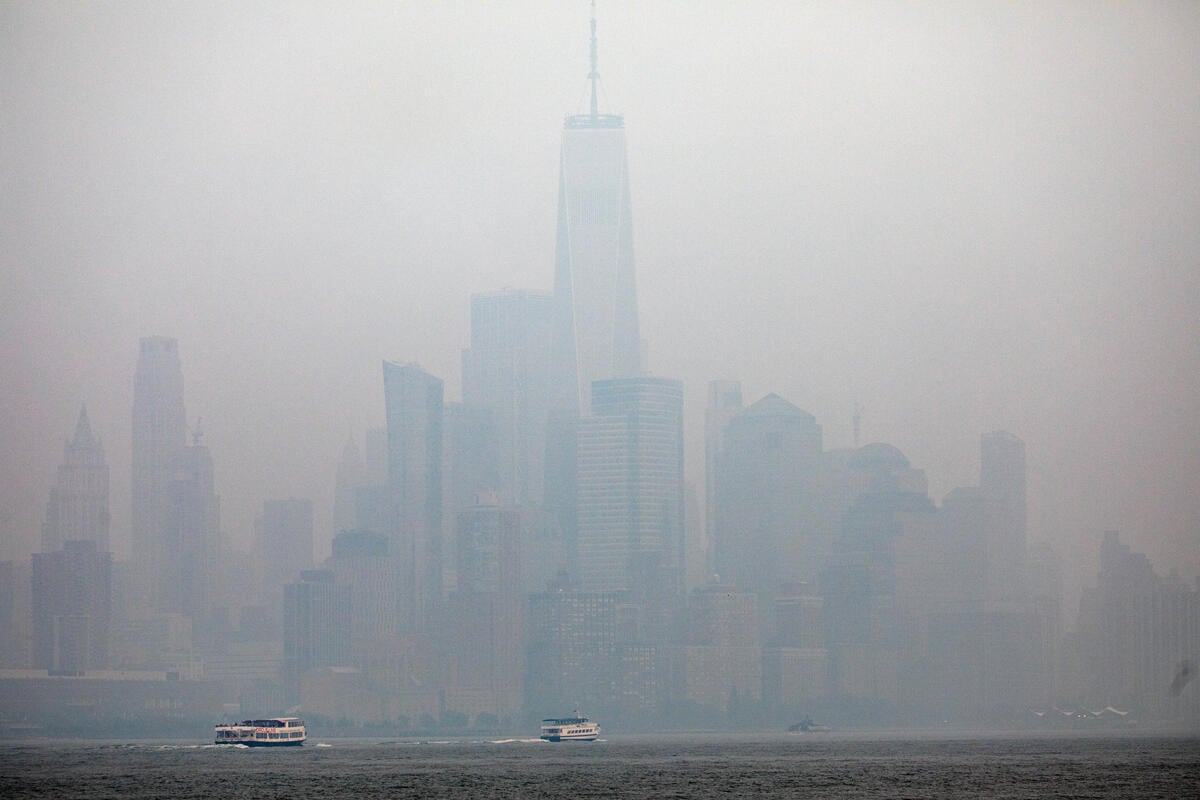
Concurrently, a punishing heatwave settled over North America, directly impacting the United States’ 250th-century milestone celebrations and major sporting events. This immense heat baked Canadian forests, igniting over a hundred simultaneous wildfires whose thick, toxic smoke plumes drifted southward. By mid-July, the air quality index (AQI) in New York City and large swathes of the U.S. Northeast and Midwest plummeted into "very unhealthy" territory (surpassing 201), blanketing urban skylines in an acrid haze and triggering widespread respiratory and cardiovascular health warnings.
Asia and Southeast Asia Under Siege
In South Asia, India confronted its weakest monsoon season in nearly two decades, drastically undermining agricultural yields and threatening millions of rural livelihoods. Meanwhile, high in the Himalayas, a catastrophic glacier collapse in late August triggered a massive avalanche of ice and rock, unleashing devastating flash floods across Nepal. Experts noted that this tragedy underscores a terrifying regional trend: floods, landslides, avalanches, and droughts in High Mountain Asia are increasing exponentially in both frequency and ferocity.
Further east, Indonesia recorded its most destructive wildfires since the devastating El Niño events of 2015. Burning nearly 95,000 hectares of land in July alone, these peatland and forest blazes choked large parts of Southeast Asia—including Kalimantan—in a suffocating, toxic haze. Japan and South Korea mirrored these conditions, recording unprecedented, record-breaking temperatures at the dawn of August.
Supporting Context & Metrics: The Science Behind the Extremes
The catastrophic events of 2026 are underpinned by relentless, quantifiable shifts in the Earth’s atmosphere, oceans, and cryosphere.
Thermal Anomalies and Ocean Records
According to the National Oceanic and Atmospheric Administration (NOAA) and the World Meteorological Organization (WMO), July 2026 tied with July 2024 as the planet’s joint warmest July on record. This continues an ominous trend: the ten warmest Julys in recorded human history have all occurred since 2016, with the past four years (2023–2026) commanding the top four spots.
Global Temperature Milestones (2023-2026):
--------------------------------------------------
2026 (Jan-Aug): On track for one of hottest years on record (69% chance of #1)
2025: Part of the hottest 11-year streak (2015-2025)
2024: Previous global temperature record holder (tied with 2026 July anomalies)
2023: Marked the beginning of consecutive record-shattering global averages
Combined with record-shattering sea surface temperatures, these land-heat anomalies have pushed the Earth’s climate system further out of balance than at any point in recorded history. Europe is currently warming at more than twice the global average rate, cementing its status as the fastest-warming continent on Earth.
The Looming Spectre of the "Super" El Niño
Compounding this baseline warming is the rapid development of a historic, "super" El Niño event. Forecasted by the U.S. Climate Prediction Center (CPC) and the UK Met Office to be potentially the largest such event since the 19th century, this climate driver is dominating global weather patterns through the latter half of 2026.
While El Niño historically elevates global temperatures—with scientific bodies projecting that 2027 will likely usurp 2024 as the warmest year on record—it also fractures regional weather systems:
- Drought Risks: Severe dryness threatens the Indian summer monsoon, Central America, the West Pacific, and tropical South America.
- Agricultural Collapse: The UN Food and Agriculture Organization (FAO) warns of failed harvests, catastrophic livestock losses, spiking household debt, and climate-induced migration as food and water security degrades.
- Intense Storms: Conversely, the El Niño pattern primes central Asia (China, Japan, South Korea), southern South America, the southern United States, and parts of the Horn of Africa for hyper-intense storms and catastrophic rainfall.
Carbon Dioxide Concentrations Reach New Heights
The engine driving these systemic failures remains unabated greenhouse gas emissions. Data from the International Energy Agency (IEA) shows that while the growth rate of global energy-related CO₂ emissions slowed to 0.4% in 2025 due to rapid renewable deployment, total emissions still climbed to a staggering new high of nearly 38.4 billion tonnes (Gt)—surpassing 2019 levels by 5%.
At Hawaii’s Mauna Loa Observatory, which maintains the world’s longest continuous record of direct atmospheric measurements, monthly average CO₂ concentrations reached an unprecedented 432.3 parts per million (ppm) in May 2026. This represents a roughly 50% increase over pre-industrial concentrations.
Official Statements & Scientific Consensus
The scientific consensus regarding human attribution of these extreme events has reached an unprecedented level of certainty.
The Verdict of the National Academies and WMO
The National Academies of Sciences, Engineering, and Medicine (NASEM) recently reported with "high confidence" that human-caused atmospheric warming—driven by historical and contemporary emissions from industrialized nations and major multinational corporations—is directly tied to the escalation of extreme heat, cold, and heavy precipitation events.
The World Meteorological Organization has issued repeated alarms, emphasizing that the probability of temporarily breaching the Paris Agreement’s 1.5°C threshold for at least one individual year between 2026 and 2030 is now "very likely."
Rapid Attribution Studies: A Fingerprint on the Heatwaves
Recent rapid attribution studies conducted by World Weather Attribution (WWA) have removed any lingering ambiguity regarding the role of fossil fuels in the 2026 disasters:
- Western Europe Heatwave: WWA researchers concluded that the intense June heatwave in western Europe would have been approximately 3.5°C cooler had it occurred just 50 years ago. The persistent, baking conditions were deemed virtually impossible without human-induced climate change.
- North American Independence Day Heatwave: The historic heat suffocating the United States during its 250th anniversary celebrations was found to be exponentially more intense and probable due to fossil fuel combustion. Scientists explicitly noted that the humid, persistent heat domes driving these events "would not have happened in a preindustrial climate."
Sectoral Vulnerability: Europe’s Rivers and Nuclear Power Crisis
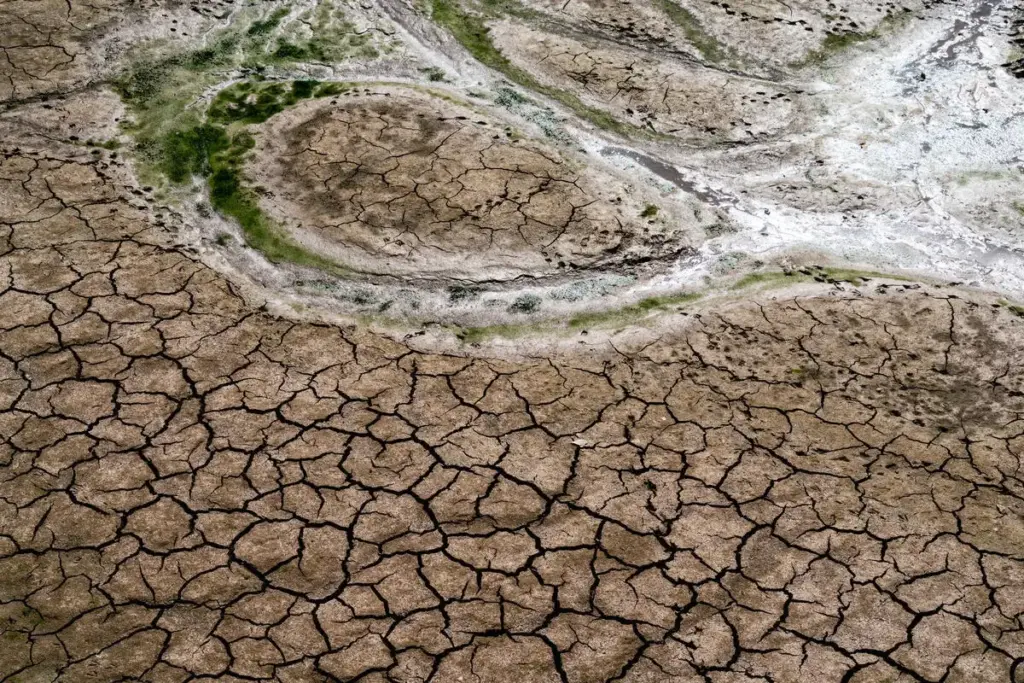
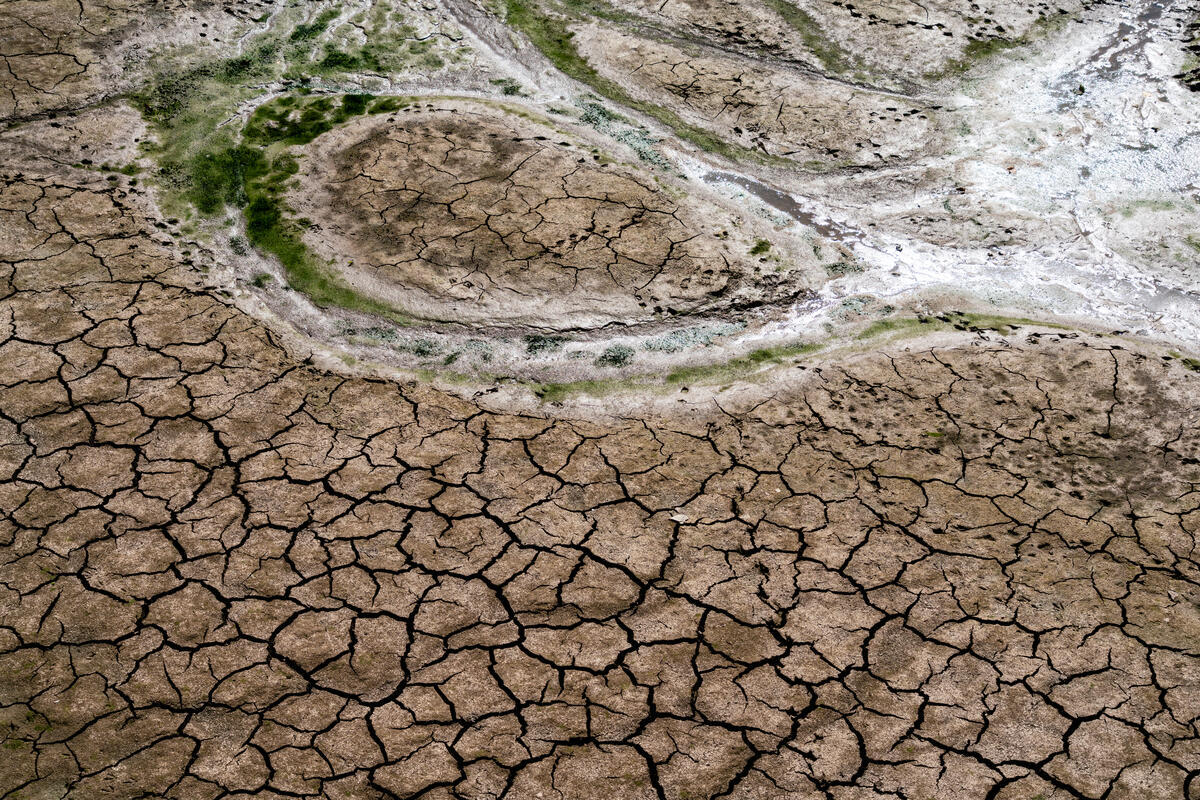
The cascading real-world impacts of the 2026 heatwaves were thrown into sharp relief in August, when water levels across four of Europe’s primary commercial arteries—the Loire, Po, Rhine, and Danube rivers—plummeted to record lows.
This historic hydrological deficit crippled river transport, battered ecosystems, and devastated agricultural yields. However, the most alarming systemic failure occurred within Europe’s energy infrastructure, specifically its reliance on nuclear power.
European Nuclear Power Reductions (August 2026):
-------------------------------------------------------------------------
Plant Name       Country     Status               Impact on Grid
-------------------------------------------------------------------------
Cernavodă        Romania     Total Shutdown       Lost 20% national power
Paks (Reactors)  Hungary     10% Capacity         Lost ~40% national power
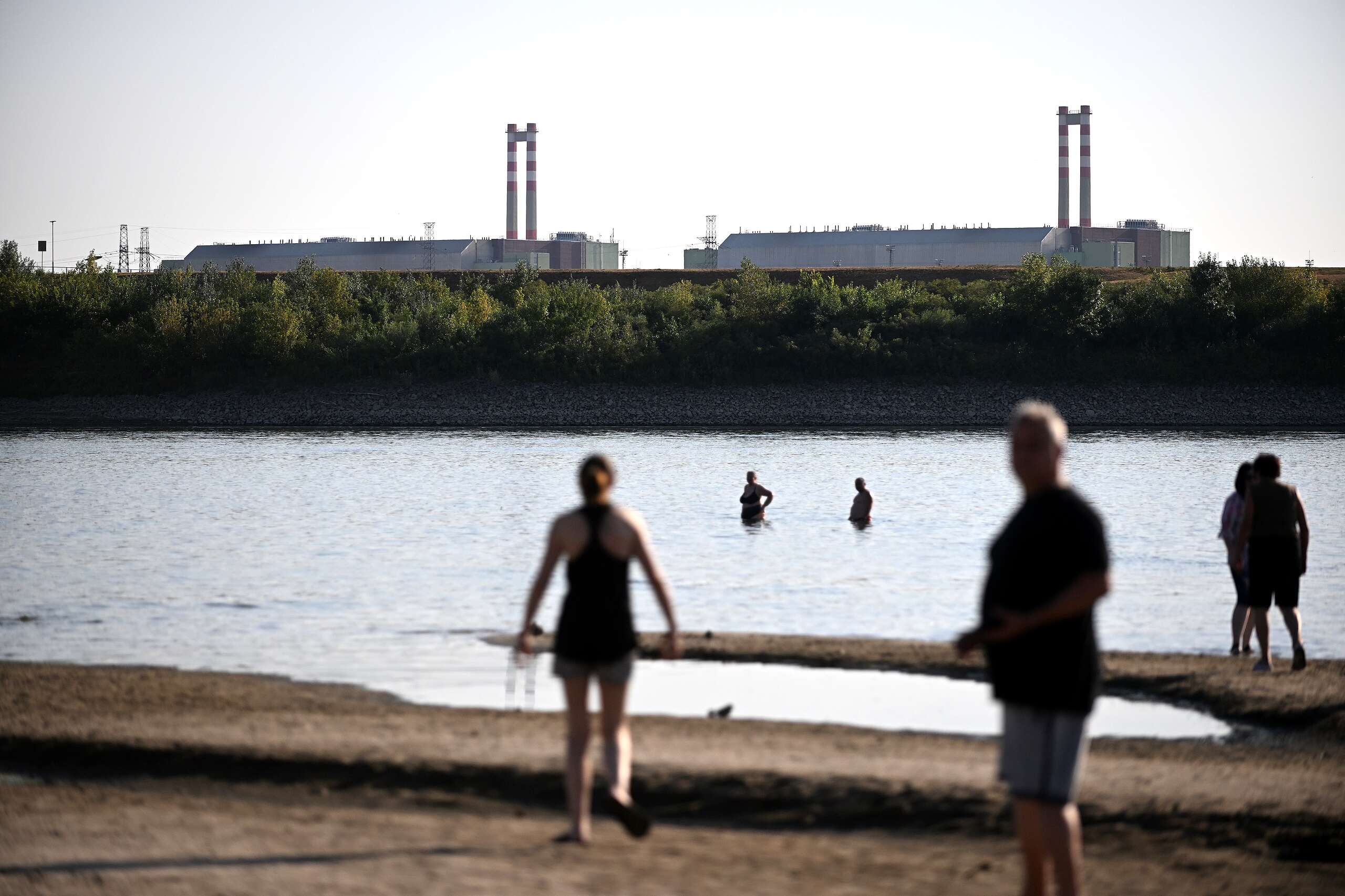
Nuclear power plants rely heavily on vast quantities of pumped river water for primary and secondary cooling systems. As Danube water levels recedaded past intake thresholds:
- Romania was forced to completely shut down its Cernavodă nuclear power plant, which typically accounts for roughly 20% of the nation’s electricity generation.
- Hungary narrowly avoided a total blackout at its Paks nuclear facility by hastily shutting down three of its four reactors, reducing plant output to a mere 10% capacity. The facility normally supplies nearly half of Hungary’s total electricity.
This crisis exposed the profound structural vulnerability of nuclear energy in a warming world. As river temperatures rise and flow rates dwindle during prolonged droughts, baseload nuclear systems become direct liabilities to national energy security—underscoring the urgent necessity of decentralised, water-independent renewable systems like wind and solar.
Future Outlook & Path Forward
Dismantling the Myth of "Natural" Disasters
Environmental experts and climate justice advocates increasingly reject the terminology of "natural disasters." Decades of political inaction, fueled by the willful disinformation campaigns and lobbying of oil, gas, and coal conglomerates, have manufactured an extractive economic system that leaves vulnerable communities defenseless against predictable hazards.
The political and economic architects of this crisis operate with near-total impunity, obstructing legislative efforts to hold major polluters financially and legally accountable. Movements like the global Polluters Pay Pact are gaining traction, demanding that fossil fuel corporations shoulder the staggering economic costs of climate damages, adaptation, and loss.
The Imperative of the Just Transition
Despite the grim trajectory of 2026, the solutions are already well-established, technologically mature, and economically viable:
- The Rise of Renewables: Recent analyses by Greenpeace International demonstrate that the phenomenal cost reductions in solar photovoltaic, wind turbine, and battery storage technologies over the past decade offer immense hope. Solar energy alone avoided 1.5 Gt of global CO₂ emissions in 2025—equivalent to half of India’s total annual emissions.
- The Coalition of the Willing: At the inaugural conference for the transition away from fossil fuels held in Santa Marta, nearly 60 nations agreed to collaborate on national and regional roadmaps to actively phase out coal, oil, and gas. This "coalition of doers" faces the critical task of transforming rhetoric into aggressive domestic policy.
- Equitable Implementation: A true just transition requires robust public funding, exhaustive community consultation, and protections against the neocolonial exploitation of vulnerable populations and ecosystems—particularly regarding the mining of critical transition minerals.
Looking Toward COP31 and Beyond
As world leaders prepare for the upcoming United Nations General Assembly in September and the pivotal COP31 climate conference in November 2026, the window to avert catastrophic tipping points is narrowing. Governments must utilize these diplomatic milestones to signal unyielding commitment: translating ambitious clean-energy targets into binding pathways that phase out fossil fuels, protecting global carbon sinks, and enacting strict polluter-liability frameworks.
The unprecedented crises of 2026 must not be viewed merely as an isolated year of misfortune, but as a definitive warning. Homegrown, decentralized, and reliable renewable energy systems are ready to deliver true climate stability today. The question remains whether global leadership possesses the political courage to seize them before time runs out.



