

Executive Overview
Creating a welcoming sanctuary for garden wildlife is one of the most rewarding pursuits for any homeowner or nature enthusiast. Well-stocked bird feeders do more than simply decorate an outdoor space; they act as vital lifelines, supplementing natural food supplies when resources run low. By establishing a consistent feeding routine, gardeners can invite a vibrant array of British garden birds—from flitting blue tits and bold robins to melodic finches—transforming their yards into thriving ecosystems.
However, recent scientific findings demand a fundamental shift in how we approach this rewarding hobby. Groundbreaking studies conducted in partnership with the British Trust for Ornithology (BTO) and the Institute of Zoology, alongside confirmations from the Royal Society for the Protection of Birds (RSPB), reveal that avian diseases like trichomonosis spread with alarming ease during the warmer summer and autumn months. Particularly hazardous are flat surfaces, such as traditional bird tables and communal bird baths, where birds congregate and pathogens proliferate.

In response, conservation authorities have updated their primary directive for wildlife lovers: Feed safely. Feed seasonally. This comprehensive guide explores the rationale behind these vital new guidelines, offers expert insight into optimal garden hygiene, and reviews the top-performing, eco-friendly, and pest-resistant bird feeders available on the market to help you protect your feathered visitors.
Detailed Chronology: The Evolution of Modern Bird Feeding and Disease Awareness
For decades, standard gardening wisdom encouraged year-round, indiscriminate feeding. Bird tables laden with scraps, open trays overflowing with seed mixes, and communal water basins were viewed as unequivocal goods. However, as suburban developments expanded and natural habitats fragmented, urban and suburban gardens became increasingly dense nodes for wildlife activity. This concentration of birds brought unintended consequences.

- The Early Warning Signs (Late 2000s): Researchers began noting mysterious declines in specific seed-eating populations, most notably greenfinches and chaffinches. Field surveys revealed that a parasitic protozoan, Trichomonas gallinae—traditionally associated with pigeons and raptors—had jumped species, manifesting as trichomonosis in garden songbirds.
- Collaborative Scientific Inquiries (2010s–2020s): Recognizing a public health crisis among garden species, the RSPB, BTO, and the Institute of Zoology pooled resources to track disease transmission. Their multi-year epidemiological studies mapped how pathogens moved through garden networks. They discovered that high-traffic feeding stations, especially those with damp, flat surfaces where birds walked directly over contaminated seed hulls and droppings, acted as primary transmission vectors.
- The Seasonal Paradigm Shift (Present Day): Armed with robust data, wildlife organizations revised their foundational advisory. Feeding is no longer viewed as a static, year-round activity, but rather as a dynamic practice that must adapt to ecological pressures, temperature shifts, and biological cycles. Today, the mantra "Feed seasonally, feed safely" governs responsible wildlife gardening.
Supporting Context & Metrics: Understanding Avian Vulnerabilities
To truly appreciate why modern bird care requires a strategic approach, one must examine the mechanics of garden ecosystems, the nutritional needs of wild birds, and the physical threats they face.
The Threat of Trichomonosis
Trichomonosis is caused by a flagellate protozoan parasite that infects the upper digestive tract of birds. When an infected bird regurgitates food to a mate or chick, or when multiple birds feed from damp, contaminated surfaces—particularly flat trays or unclean seed ports—the parasite spreads rapidly. Symptoms include lethargy, fluffed-up feathers, difficulty swallowing, and visible saliva or discharge around the beak. In severe cases, lesions form in the throat, eventually causing starvation or suffocation. Because warm, humid weather accelerates the survival and reproduction of the parasite, summer and autumn represent peak danger windows.

Nutritional Diversity
Attracting a wide range of bird species requires moving beyond generic seed blends. Different species possess distinct physical adaptations and dietary preferences:
- Specialist Bird Cakes and Suet: Essential for high-energy requirements, particularly during nesting seasons and cold snaps. Suet appeals heavily to insectivores like tits, nuthatches, and woodpeckers.
- Seeds and Sunflower Hearts: Preferred by finches and buntings. Sunflower hearts offer high caloric value with minimal waste, as birds do not need to spend energy de-husking them.
- Live Foods (Mealworms and Flaked Maize): Vital for ground-feeding insectivores like robins and blackbirds, especially when natural soil invertebrates burrow deep to escape dry summer soils.
The Pest Dilemma: Squirrels and Corvids
Grey squirrels and large corvids (such as magpies and jackdaws) can quickly overwhelm a garden feeding station, consuming expensive provisions in minutes while frightening away smaller, more vulnerable songbirds. Furthermore, squirrels are notorious for chewing through standard plastics, ruining equipment and creating sharp edges that can injure wildlife. Investing in specialized, weight-activated or caged feeders is often necessary to restore ecological balance to the garden.

Official Statements and Expert Guidance
The updated advisory from leading conservation bodies centers on two core pillars designed to mitigate disease transmission without discouraging wildlife conservation.
1. Feed Seasonally
Adjusting what and how much we feed garden birds during high-risk windows is critical. As natural food sources fluctuate throughout the year, supplementary feeding should mirror these natural rhythms while scaling back when disease transmission risks peak in summer and autumn. During these months, birds can often forage for natural seeds and insects, meaning garden feeders should be managed with heightened vigilance, smaller quantities of food, and frequent rotations.

2. Feed Safely
"Just one infected bird can turn your busy feeder into a disease hotspot." To counter this, wildlife authorities emphasize that hygiene is paramount. Feeders must be regularly dismantled, scrubbed with a mild, pet-safe disinfectant solution, and thoroughly dried before refilling. Moving feeding stations around the garden periodically also prevents the accumulation of droppings and contaminated soil beneath the hanging point.
Curated Product Guide: The Best Bird Feeders for 2026
Choosing the right feeder depends on your garden’s layout, the species you wish to attract, and your commitment to sustainability and ease of cleaning. Below is a curated selection of top-tier bird feeders reviewed for modern wildlife gardeners.

1. Peckish 100% Recycled Woodland Feast Multi Feeder
- Price: £29.99
- Available From: Amazon
- Overview: Part of an innovative eco-conscious collection, this multi-feeder is constructed from sustainably sourced wood and 100% recycled materials. Its slate-effect roof and sturdy suet-cake mesh incorporate approximately 125 recycled food and drink cartons. It accommodates roughly 500g of seed alongside two suet cakes.
- Key Features: Highly sustainable, easy to dismantle and clean, plastic-free packaging, and versatile feeding options for mixed species.
2. Eco-Blu Bird Feeder
- Price: £17.99
- Available From: The Wildlife Community
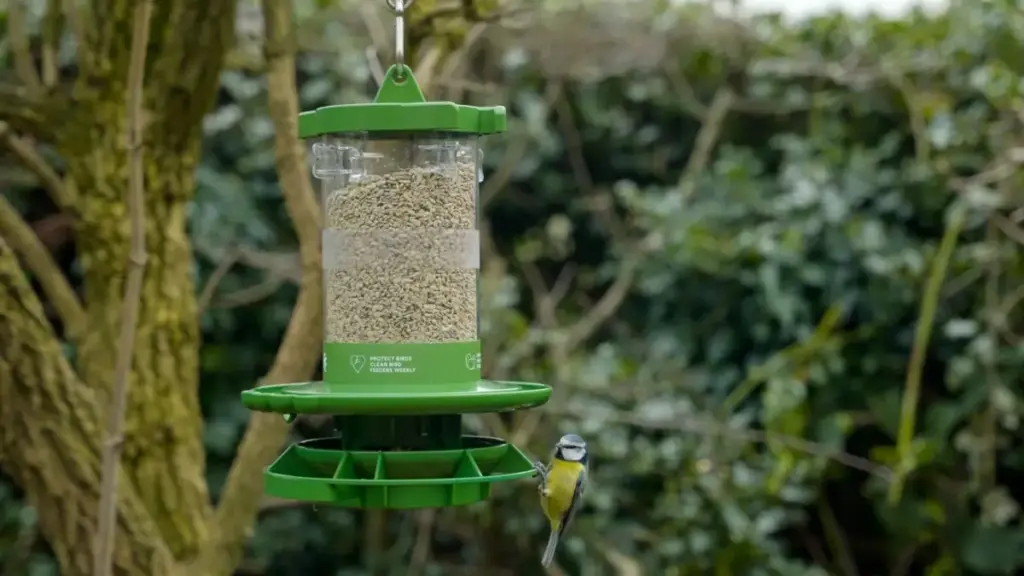
- Overview: Crafted from recycled ocean plastic, the Eco-Blu lantern-style feeder features specialized material composition designed to inhibit the growth of harmful bacteria, fungi, and microbes. A transparent hopper allows for instant visual checks on feed levels.
- Key Features: Antimicrobial properties, simple locking system for rapid disassembly, ideal for sunflower hearts, seeds, and kibbled nuts.
3. Finches Friend Cleaner Feeder 1
- Price: £44.99
- Available From: Finches Friend
- Overview: Specifically engineered to combat the spread of avian diseases like trichomonosis—which has severely impacted chaffinch and greenfinch populations—this premium feeder prioritizes absolute hygiene. It holds an impressive 1.79 liters of feed and is fully recyclable.
- Key Features: Exceptional capacity, robust construction, completely tool-free disassembly, designed to keep food perpetually clean and dry.
4. Roamwild Pest Off Squirrel Proof Bird Feeder
- Price: £32.99
- Available From: Roamwild
- Overview: A heavy-duty defense against squirrels and large pest birds. When a heavy animal lands on the perch, a spring-loaded hatch automatically drops to block access to the ports. Once the animal departs, the mechanism springs back.
- Key Features: Auto-adjusting weight-sensitive mechanism, 1.5-litre capacity, integrated rain guard to prevent seed clogging and mold.
5. Ch-Eco Recycled Bird Feeder
- Price: £6.95
- Available From: Welland Valley Feeds
- Overview: A budget-friendly, highly creative option manufactured in the UK. These colorful feeders are crafted from recycled plastics and upcycled chewing gum. Every component is fully recyclable, and each unit ships with a complimentary bag of bird food.
- Key Features: Highly affordable, cheerful aesthetic available in six colors, upcycled materials, starter food pack included.
6. RSPB Suet Feeder and Guardian
- Price: £28.00
- Available From: RSPB
- Overview: Measuring 30cm tall and 24cm wide, this compact unit is engineered with an external metal guardian cage. This ensures that smaller, nimble garden birds can safely access up to 10 suet balls while larger predatory or nuisance birds are excluded.
- Key Features: Protective outer cage, compact footprint suitable for smaller gardens, robust weather-resistant wire mesh.
7. Cleaner Peanut Feeder
- Price: £34.95
- Available From: Finches Friend
- Overview: Designed to house peanuts securely while preventing them from jamming in the center of the cylinder. The covered, sealed container keeps nuts dry, encouraging birds to consume food efficiently.
- Key Features: UV-stabilised polycarbonate that resists sun-induced degradation, removable hopper for effortless cleaning. (Note: Always ensure you use Aflatoxin-tested peanuts).
8. RSPB Ultimate Easy-Clean Seed Feeder
- Price: £13.00
- Available From: RSPB
- Overview: Combining a durable zinc alloy cap and base with a robust polycarbonate feeding tube, the RSPB guarantees this feeder will not crack or discolor under intense ultraviolet exposure. Available in three sizes, the largest holds 1.5 liters of seed.
- Key Features: UV-resistant materials, long-term manufacturer guarantee, highly accessible cleaning mechanism.
How to Choose the Right Bird Feeder
Selecting the ideal feeder requires balancing two primary considerations: target species and garden architecture.
- Identify Your Visitors: If you want to attract acrobatic tits, hanging tubular seed feeders or suet cages are ideal. If you hope to support ground-feeding robins, dunnocks, and thrushes, low-level ground trays or open tables work best—though these require rigorous daily hygiene practices.
- Evaluate Garden Layout: Open spaces allow birds to spot predators easily, but dense shrubbery nearby provides a vital bolt-hole when startled. Ensure your chosen feeder matches your hanging capabilities—whether that involves suspending from a sturdy tree branch, mounting on a dedicated pole, or attaching to a wall bracket.
Where to Position Your Bird Feeder for Maximum Safety
Location is just as important as the equipment itself. To keep your garden visitors safe and healthy:

- Predator Awareness: Position feeders out of easy pouncing range from domestic cats. Keep them far enough away from dense bushes, fences, and low-hanging tree branches that grey squirrels could use as launchpads.
- Height Matters: Hang feeders at approximately eye level or slightly higher. This makes refilling and monitoring comfortable for you while giving birds a clear panoramic view of their surroundings.
- Pest Mitigation: Where grey squirrels are persistent, prioritize weight-activated or caged designs. This saves money on wasted seed and protects delicate plastic components from destructive chewing.
Future Outlook
As urban green spaces become increasingly vital refuges for wildlife, the intersection of citizen science, conservation policy, and consumer product design will continue to evolve. The growing emphasis on recycled ocean plastics, antimicrobial materials, and ultra-hygienic, easily dismantled feeding mechanisms marks a permanent shift in how we care for garden birds.
By embracing seasonal feeding practices, maintaining rigorous hygiene standards, and investing in durable, disease-mitigating equipment, gardeners can ensure their backyards remain safe, vibrant havens for local bird populations for generations to come.

This Product Guide was last updated in August 2026. Prices and product availability are subject to change.



