

Executive Overview
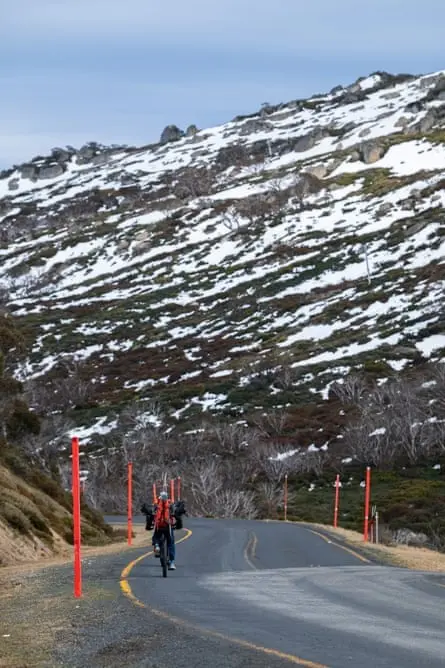
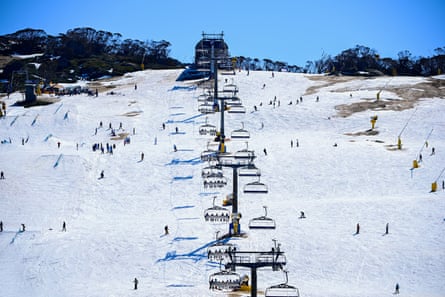
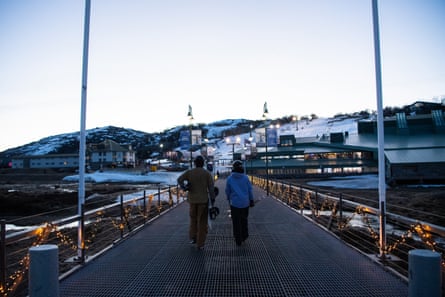
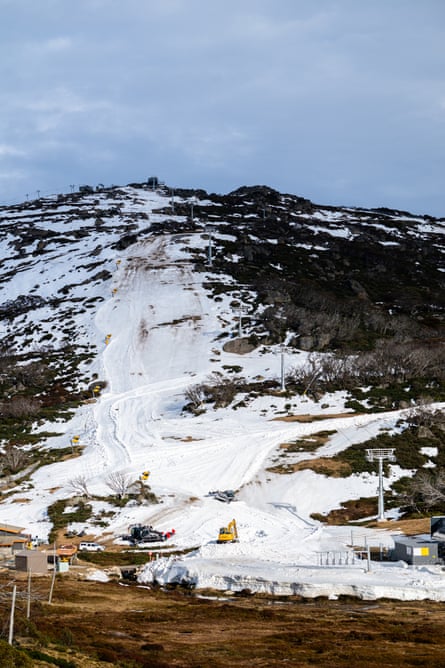
On a crisp weekday morning in early September, the alpine resort of Perisher cuts a striking silhouette against the clear New South Wales sky. As the ski lifts hum to life at 8:30 AM, snow-making guns pump out a fresh blanket of artificial powder, coating the front valley in a pristine, glistening white that catches the early-morning sun sweeping across the Snowy Mountains. Yet, this picturesque scene masks a deeper ecological anxiety. By midday, ambient temperatures climb to a balmy 13°C (55°F), revealing stubborn brown patches of bare earth poking through the thinning alpine cover. Skiers and snowboarders, shedding their high-tech, multi-layered synthetic jackets, carve down the remaining runs in T-shirts—a surreal tableau of spring skiing in the Australian Alps.
This premature thaw follows one of the warmest and virtually snowless winters on record, forcing major alpine operators in New South Wales and Victoria to curtail their operations up to a month ahead of schedule. While visitors on the ground maintain a resilient, holiday-centric spirit—eagerly sliding across whatever frozen flakes remain—the structural foundations of Australia’s winter tourism economy are cracking.

Generated by a volatile cocktail of global heating and El Niño weather patterns, the shrinking snowpack threatens not just a recreational pastime, but an estimated $5.7 billion economic engine that sustains countless regional communities, seasonal workers, small business owners, and local ecosystems. As scientists warn of a rapidly disappearing winter, the alpine sector faces an existential reckoning: adapt aggressively or watch the snow disappear entirely.
Detailed Chronology: Anatomy of a Stunted Season
The 2026 winter season was marked by anomalies from its very inception, transforming what should have been months of reliable powder into an erratic, high-stakes battle against rising temperatures.
The Delayed Start and False Dawns
Historically, the Australian ski season kicks off on the June long weekend, offering a steady, predictable accumulation of natural snow that peaks through July and August before gracefully tapering off in October. For veteran Olympians like independent MP Zali Steggall, who trained full-time on these slopes, the traditional calendar meant months of reliable alpine conditions.
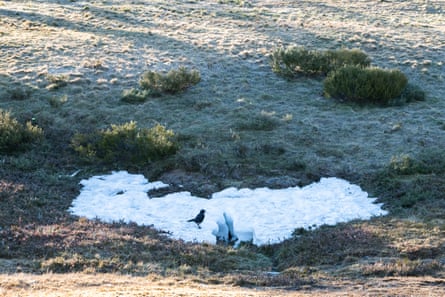
However, the winter of 2026 defied historical precedent. June arrived with unseasonably warm ground temperatures and negligible natural precipitation. When cold fronts did manage to sweep across the Snowy Mountains, they were frequently followed immediately by warm rain events that washed away foundational snowpacks almost as quickly as they formed.
The Mid-Season Peak and Rapid Decline
According to long-term monitoring data collected by Snowy Hydro at Spencers Creek—situated at a crucial midpoint between Perisher and Thredbo—natural snow depth peaked at a meager 94 centimeters in mid-August. By historical standards, this peak was profoundly underwhelming; at the exact same point in the previous year, snow depths hovered at a robust 200 centimeters.
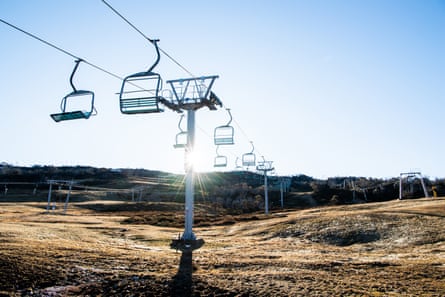
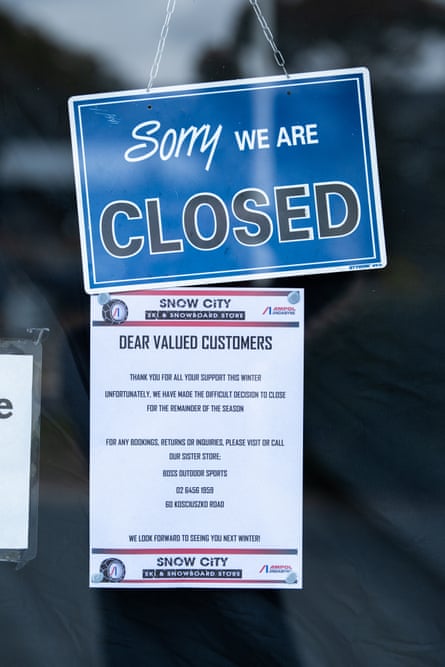
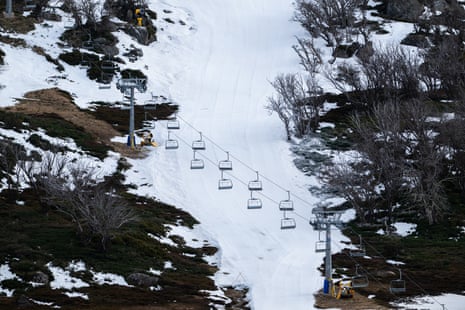
Rather than stabilizing into a reliable late-winter plateau, the snowpack collapsed under persistent thermal pressure. By the first week of September, readings at Spencers Creek plummeted to a catastrophic 21 centimeters. Confronted by this rapid deterioration, resorts across Victoria and New South Wales took the unprecedented step of shutting down major lift infrastructure and closing operations up to a month early.
Supporting Context & Metrics: Economic Stakes and Hard Data
The contraction of the Australian snow season is not merely a seasonal inconvenience for weekend warriors; it is a profound economic shock to regional economies and an empirical indicator of a shifting global climate.
Economic Footprint: Reefs vs. Ridges
Industry estimates position the economic contribution of Australia’s alpine sector at approximately $5.7 billion annually. To put this into perspective, the iconic Great Barrier Reef generates roughly $9 billion for the national economy.
Yet, the disparity in government intervention between these two natural assets is glaring. Since 2015, the federal government has committed $3.9 billion to reef protection, bolstered by more than $1 billion from the Queensland state government. Conversely, no comparable, targeted federal rescue or transition package exists for the alpine region, leaving mountain communities largely to fend for themselves against the onslaught of climate change.
Historical Snow Depth Declines
The vulnerability of the Australian snowpack is meticulously documented by decades of empirical data. Snowy Hydro’s continuous tracking at Spencers Creek, which began in 1954, reveals a clear, undeniable downward trend. Average snow depths have declined by nearly 20% over the past seven decades, driven by rising baseline temperatures and a shrinking window of sub-zero days necessary for natural accumulation.
| Metric | Historical Average | 2025 Season | 2026 Season |
|---|---|---|---|
| Peak Snow Depth (Spencers Creek) | ~180-210 cm | 200 cm | 94 cm |
| Early September Snow Depth | ~140-170 cm | ~150 cm | 21 cm |
| Season Duration | Early June – Late October | June – Early October | June – Early September |
The Human Toll on Seasonal Workers
The ripple effects of a shortened season are felt most acutely by the legion of seasonal workers who anchor the local economy in towns like Jindabyne, the gateway village nestled at the base of Kosciuszko National Park.
Maggie Hume, a veteran of 10 years in the ski hire industry who spent this season working at Jindy Snow, captures the prevailing mood among local staff. "Everyone’s feeling a little bit like, ‘Oh, so this is what our new normal is,’" she observes. With daily rentals restricted to a trickle of visiting families and tourists, staff shifts have dwindled rapidly.
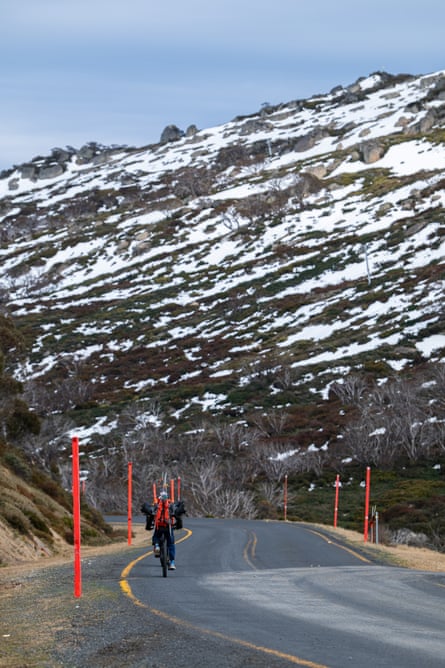
Nearby, at Snow City Ski Hire, management made the pragmatic yet painful decision to close shop a month early. Genevieve Langford, working behind the counter while on hold with Centrelink, notes that while beginner tourists still manage to enjoy the slushy conditions of lower slopes like Friday Flat, the financial viability of operating rental stores through extended autumns is rapidly evaporating.
Official Statements and Stakeholder Perspectives
As the snow lines creep higher up the mountainside, a stark divide persists between the philosophical optimism of resort operators, the pragmatic concerns of local business owners, and the alarm sounded by climate scientists and political advocates.
Industry Resilience vs. Hard Realities
Bob Tait, who has managed Corroboree Lodge near Perisher for 13 years alongside his wife Anna, acknowledges that the season has been exceptionally difficult. However, he points to a psychological shift among visitors. Rather than expecting a traditional, high-intensity ski holiday, tourists are treating their trips as general holidays that happen to feature skiing.
"For us, it’s been a positive adventure because the people here have great attitudes," Tait says. "I say it’s one bad season in 13 that I’ve been involved with."
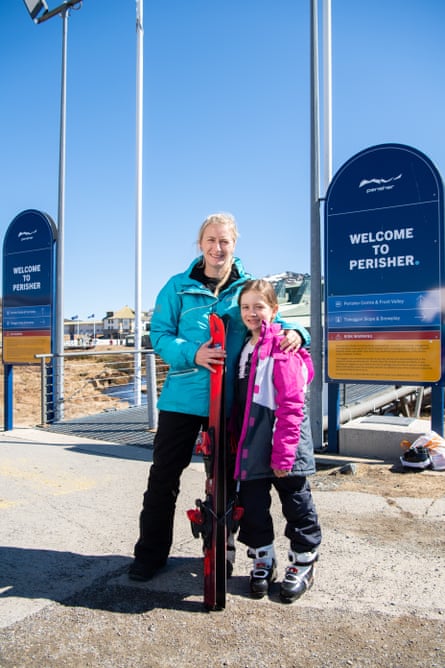
Andrew Kennedy, Perisher’s head of mountain operations, echoes this sentiment of corporate resilience. In an official statement, Kennedy emphasized that the resort industry has always been weather-dependent and proactive in adapting to change. "Our teams are experienced in managing the impacts of variable weather, including El Niño years, and continue to invest in energy-efficient snowmaking and summer grooming," he stated.
The Scientific and Activist Alarm
In sharp contrast to corporate optimism, researchers and environmental advocates argue that adaptation strategies like artificial snowmaking are merely temporary Band-Aids on a hemorrhaging ecosystem.
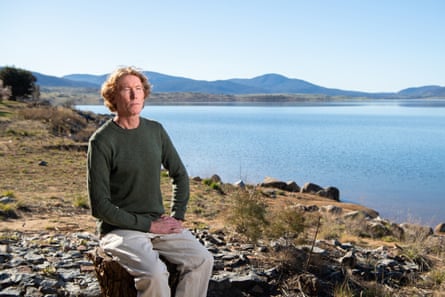
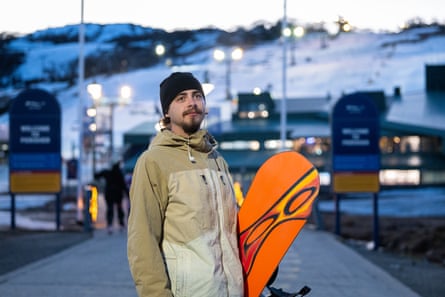
Stuart Browning, a climate risk scientist and avid snowboarder based in Jindabyne, reviews alpine data daily and finds little comfort in the numbers. "We all hope for good seasons, but the reality is that the snowpack is declining," Browning warns.
Ruby Olsson, a social scientist with the advocacy group Protect Our Winters, recently traveled to Canberra to lobby federal politicians on behalf of vulnerable alpine communities. She reports that lawmakers and regional stakeholders are deeply unsettled by the systemic implications of shortened seasons.
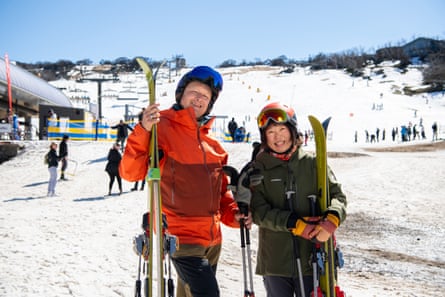
Independent MP and 1998 Olympic bronze medalist Zali Steggall pulls no punches when discussing the federal government’s policy disconnect. "It’s incredibly frustrating for so many of us that have been heeding the warnings for years," Steggall says. "Governments are just not doing what they need to be doing. They are still approving coal and gas projects, while ordinary Australians are left with this tragic reality."
Glen Clark, who operates a backcountry ski business at Mount Hotham in Victoria—where the resort was forced to close a month early—uses blunt terminology to describe the current climate trajectory. "I think shithouse is the technical term," Clark says. "The reality is… nothing less than net zero is going to start to turn things around. There’s no two ways about it."
Future Outlook: The Crossroads of Alpine Tourism
As the sun sets over a slushy Perisher valley on a warm September afternoon, the long-term outlook for the Australian Alps hangs in a delicate balance. The ingenuity of modern snow-making technology and the unwavering enthusiasm of winter sports enthusiasts have successfully bought the industry time, cushioning the blow of exceptionally lean years.
However, physics and climatology present an unforgiving equation. As baseline global temperatures continue to rise, the window of temperatures cold enough to sustain both natural snowfall and artificial snow production narrows inexorably. For regional economies dependent on millions of visiting tourists, the transition away from a pure winter-sports model toward diversified four-season alpine tourism—encompassing mountain biking, hiking, and eco-tourism—is no longer a strategic option; it is an absolute necessity for survival.
Ultimately, the future of the Snowy Mountains depends on broader macroeconomic shifts. Without aggressive, economy-wide decarbonization and a firm commitment to net-zero emissions, the iconic white peaks of Australia will increasingly become relics of the past, preserved only in photographs and memory.



