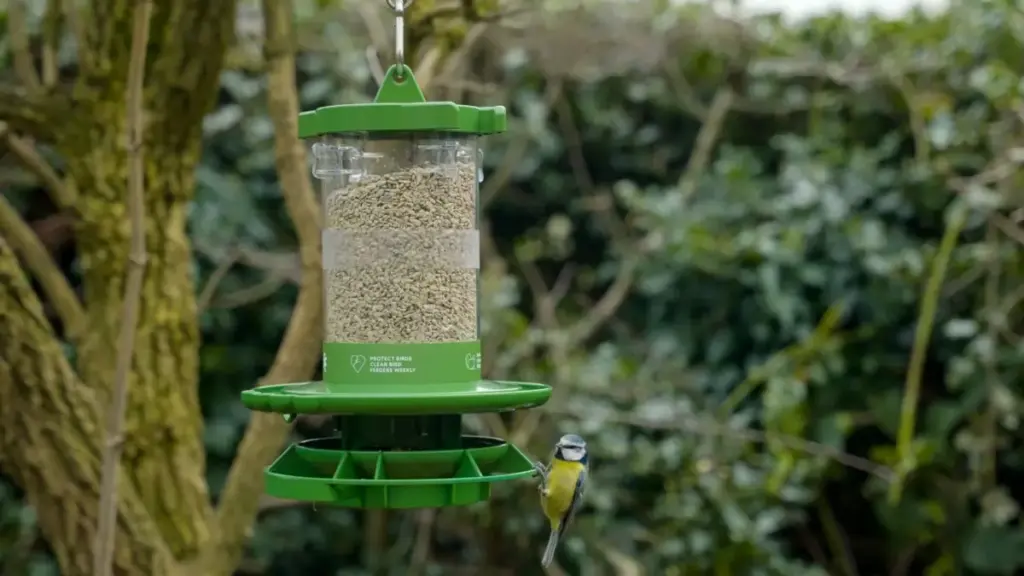
For millions of wildlife enthusiasts, maintaining a well-stocked bird feeder is a cornerstone of garden stewardship. Providing high-energy seeds, specialist bird cakes, mealworms, and flaked maize helps supplement natural diets when resources run thin, while transforming backyards into vibrant ecosystems. Regularly replenished feeding stations establish reliable routines, ensuring that garden birds return day after day. However, recent scientific findings and evolving conservation guidelines from leading ornithological bodies have fundamentally shifted how we must approach garden feeding.
Following comprehensive research conducted in partnership with the British Trust for Ornithology (BTO) and the Institute of Zoology, the Royal Society for the Protection of Birds (RSPB) has updated its core directives. The modern consensus emphasizes two guiding principles: Feed Seasonally and Feed Safely. Avian diseases, notably trichomonosis, spread with alarming efficiency during the warmer summer and autumn months, particularly on flat surfaces like traditional bird tables and bird baths. Consequently, maintaining pristine hygiene and adapting feeding habits throughout the year are no longer optional—they are critical to preventing localized wildlife declines and protecting vulnerable species like greenfinches and chaffinches.
Detailed Chronology: The Shift in Modern Bird Feeding Guidance
Understanding the current landscape of garden bird conservation requires looking back at how feeding practices have evolved over recent decades.
Phase One: The Rise of Backyard Supplementation (Late 20th Century)
Historically, backyard bird feeding was viewed purely as an act of kindness during the harsh winter months when natural forage was scarce. Feeders were simple wooden structures or mesh baskets hung haphazardly from trees. Little consideration was given to material safety, disease transmission vectors, or predator accessibility. The primary goal was simply to attract as many species as possible by offering high-fat, high-energy scraps.
Phase Two: Ecological Recognition and Disease Emergence (2000–2015)
As suburban sprawl reduced natural habitats, garden feeders became increasingly vital lifelines for urban and suburban bird populations. However, ornithologists began recording worrying population crashes among common British garden birds, most notably greenfinches. Researchers identified the parasite Trichomonas gallinae—causing the disease trichomonosis—as a primary culprit. Studies revealed that dense, unhygienic feeding stations operating year-round acted as catastrophic disease incubators.
Phase Three: Modern Evidence-Based Stewardship (2016–Present)
Recent joint studies by the RSPB, BTO, and the Institute of Zoology provided undeniable data linking disease outbreaks directly to summer/autumn feeding habits and flat, unwashed feeding surfaces. This led to a complete overhaul of public advisory notices. Today, the focus has pivoted away from indiscriminate, year-round heavy feeding toward a more nuanced, hygienic, and ecologically conscious approach. Manufacturers responded by redesigning products entirely, utilizing recycled materials, anti-bacterial polymers, and targeted mechanisms to safeguard public garden wildlife.
Supporting Context & Metrics: Diseases, Design, and the Eco-Market
The modern wildlife gardening market reflects a direct response to scientific data regarding disease transmission and ecological sustainability.
The Threat Matrix: Trichomonosis and Hygiene
Trichomonosis is an infection caused by a flagellate protozoan parasite. While historically affecting pigeons and doves, it jumped significantly to passerine species, particularly finches.
Seasonal Risk: Transmission rates spike during summer and autumn. Warm temperatures combined with moisture create ideal breeding grounds for pathogens on contaminated perches and flat platforms.
The "Hotspot" Effect: Research shows that a single infected bird visiting a busy, poorly maintained feeder can transform it into a focal point of contagion for dozens of other visitors.
Surface Vulnerability: Flat surfaces—such as traditional wooden bird tables and open bird baths—accumulate droppings and saliva much faster than vertical tube feeders, drastically increasing infection rates.
Material Innovation in Feeders
To combat both disease transmission and environmental degradation, manufacturers have revolutionized feeder construction. Modern products incorporate:
Recycled Ocean Plastics: Materials designed to actively inhibit bacterial, fungal, and microbial growth.
Polycarbonate Tubes: UV-stabilized clear plastics that withstand solar degradation without cracking, yellowing, or developing micro-fissures where bacteria hide.
Upcycled Cartons and Chewing Gum: Innovative manufacturing processes repurpose household food cartons and consumer waste into weather-resistant, fully recyclable garden fixtures.
Official Statements and Expert Guidance
Leading conservation organizations have streamlined their messaging to ensure gardeners can easily implement best practices without sacrificing the joy of bird-watching.
"Just one infected bird can turn your busy feeder into a disease hotspot. To help keep birds healthy, we need to prioritise hygiene above all else."
— RSPB Ornithology Advisory
"It’s important to adjust what we feed our garden birds during the summer and autumn months when there’s a higher risk of disease spreading. Feeding must be approached with seasonal awareness."
— Joint BTO and Institute of Zoology Research Summary
Core Directives for Gardeners:
Feed Seasonally: Taper off heavy seed and fat-ball feeding during peak disease windows in summer and autumn unless you are strictly managing hygiene and targeted species requirements. Allow birds to forage on natural insects and seeds during these months.
Feed Safely: Prioritize daily cleaning regimens. Disinfect feeders regularly using pet-safe, wildlife-friendly cleaning solutions. Swap out flat, open feeding tables for vertical, covered tube feeders that minimize contact with droppings.
Future Outlook: Sustainable Backyard Ecosystems
As urban environments continue to expand, private gardens will play an increasingly critical role as wildlife corridors. The future of backyard bird feeding lies in a holistic approach that bridges commercial product innovation with active environmental stewardship.
Growing Your Own Food
An emerging trend among conscious gardeners is moving away from reliance on commercially packaged feeds by growing natural food sources. Cultivating seed-bearing plants—such as sunflowers, teasels, coneflowers, and ornamental grasses—provides birds with natural foraging opportunities that mimic wild ecosystems and eliminate the stagnant disease risks associated with artificial containers.
Integrated Wildlife Havens
Future garden design will not focus on birds in isolation. Creating interconnected habitats that simultaneously support bats (via bat boxes), hedgehogs (via specialized houses and wildlife corridors), and beneficial insects will ensure resilient, self-balancing ecosystems. By integrating wildlife cameras and smart monitoring equipment, gardeners can observe these delicate interactions without disturbing natural behaviors.
Product Spotlight: Recommended Bird Feeders for the Modern Garden
Selecting the right bird feeder involves balancing durability, ease of cleaning, target species accommodation, and pest prevention. Below is an expert-curated guide to some of the best wildlife-friendly feeders available on the market.
1. Peckish 100% Recycled Woodland Feast Multi Feeder
Price: £29.99
Available From: Amazon
Overview: Part of an innovative generation of wild bird accessories manufactured from sustainably sourced wood and 100% recycled materials. This multi-feeder accommodates approximately 500g of seed alongside dual suet cake racks. The striking slate-effect roof and sturdy suet mesh are constructed using roughly 125 recycled food and drink cartons. It is remarkably easy to disassemble for cleaning and arrives in entirely plastic-free packaging.
2. Eco-Blu Bird Feeder
Price: £17.99
Available From: The Wildlife Community
Overview: Crafted from recycled ocean plastic engineered to naturally repel harmful bacteria, fungi, and microbes. This lantern-style feeder features a transparent hopper for effortless monitoring of food levels. A straightforward locking mechanism allows the unit to be quickly taken apart for thorough sanitation. It is exceptionally well-suited for sunflower hearts, standard seeds, and kibbled nuts.
3. Finches Friend Cleaner Feeder 1
Price: £44.99
Available From: Finches Friend
Overview: Specifically designed to combat the spread of debilitating avian diseases like trichomonosis, which has heavily impacted chaffinch and greenfinch numbers. This robust, fully recyclable feeder holds an impressive 1.79 liters of feed—significantly more than standard models. Its clever engineering ensures feed stays perpetually clean, dry, and easily accessible while remaining simple to dismantle and sanitize.
4. Roamwild Pest Off Squirrel Proof Bird Feeder
Price: £32.99
Available From: Roamwild
Overview: A premier solution for frustrating garden pests. When a grey squirrel or larger bird lands on the perimeter perch, a spring-loaded hatch automatically shifts downward to block access to the ports. Once the animal departs, the mechanism springs back. With a 1.5-liter capacity and an integrated rain guard to prevent seed clumping and rot, it offers exceptional protection.
5. Ch-Eco Recycled Bird Feeder
Price: £6.95
Available From: Welland Valley Feeds
Overview: Proudly manufactured in the UK in six vibrant colorways, these budget-friendly eco-feeders are fashioned from recycled household plastics and upcycled chewing gum. Entirely recyclable at the end of its lifecycle, each unit even ships with a complimentary starter bag of bird food, making it an accessible entry point for beginner wildlife gardeners.
6. RSPB Suet Feeder and Guardian
Price: £28.00
Available From: RSPB Shop
Overview: Measuring 30cm in height and 24cm in width, this compact unit features an integrated metal cage guardian designed exclusively to permit small garden birds access to up to 10 standard suet balls while keeping larger corvids and squirrels at bay.
7. Cleaner Peanut Feeder
Price: £34.95
Available From: Finches Friend
Overview: Another masterclass in feeder hygiene from Finches Friend. This enclosed, sealed container keeps peanuts entirely dry and forces nuts outward toward the feeding ports rather than letting them lodge dangerously in the center. The removable hopper facilitates deep cleaning, while the UV-stabilized polycarbonate construction prevents sun-induced weakening. (Note: Always ensure you use Aflatoxin-tested peanuts).
8. RSPB Ultimate Easy-Clean Seed Feeder
Price: £13.00
Available From: RSPB Shop
Overview: Combining a durable zinc alloy cap and base with a tough polycarbonate feeding tube, the RSPB guarantees this unit will neither crack nor discolor under intense solar exposure. Available in three sizes, the largest variant holds an ample 1.5 liters of high-grade seed.
How to Choose the Right Bird Feeder
Choosing the ideal bird feeder for your outdoor space comes down to evaluating two primary factors: the specific bird species you wish to attract and the physical layout and dimensions of your garden.
Tube Feeders: Perfect for hanging from mature tree branches or brackets; ideal for smaller seed-eating passerines like tits, finches, and sparrows.
Suet & Fat Block Feeders: Essential for high-energy winter feeding, attracting acrobatic insect-eaters like woodpeckers, nuthatches, and starlings.
Guardian-Protected Feeders: Crucial if your garden suffers from high populations of grey squirrels or aggressive larger birds (such as magpies and pigeons) that crowd out smaller species.
Where to Position Your Bird Feeder
Protecting visiting wildlife from predators—primarily neighborhood cats and grey squirrels—should dictate your placement strategy.
Clear Sightlines & Safe Distances: Hang feeders in quiet, sheltered zones positioned at roughly eye-level (or slightly above). Ensure they are placed well away from overhanging trees, garden fences, or dense shrubs that nimble predators could use as launching pads.
Combating Squirrels: Grey squirrels are notoriously destructive, often chewing through standard plastic ports to reach feed. Opt for specialized squirrel-proof casing designs or metal-shielded units to protect both your investment and the birds’ food supply.
This comprehensive Product Guide and Conservation Overview was last updated in August 2026. Prices and product availability are subject to change by respective manufacturers and retailers.