

This comprehensive investigative report is made possible through a collaborative partnership between Grist and WABE, Atlanta’s flagship NPR station.
Executive Overview
A high-stakes legal and environmental showdown is officially underway following the Trump administration’s sweeping proposal to repeal stringent federal greenhouse gas standards for the nation’s power plants. Spearheaded by the Environmental Protection Agency (EPA), this deregulatory push seeks to dismantle Biden-era climate rules designed to curb carbon pollution from the fossil fuel sector.
In response, a coalition of leading environmental justice and public health organizations—including the Natural Resources Defense Council (NRDC) and the American Public Health Association (APHA)—has launched a robust federal lawsuit to block the rollback. The plaintiffs argue that discarding these vital standards directly imperils public health, accelerates the worst impacts of global climate change, and rolls back decades of incremental progress toward a cleaner energy economy.
Nowhere are the stakes of this federal pivot clearer than in Georgia, where the proposed repeal is already fundamentally altering the long-term energy calculations of the state’s dominant utility provider. Energy analysts and advocacy groups warn that the EPA’s retreat will trigger a dramatic surge in carbon emissions across the Southeast. Without the legal impetus to phase out aging coal infrastructure or curb the operational hours of new methane-powered facilities, regional emissions are projected to skyrocket, compounding public health burdens like extreme urban heat, ozone pollution, and respiratory illnesses.
Detailed Chronology: The Evolution and Rollback of Federal Carbon Standards
The regulatory trajectory governing American power plant emissions has experienced whiplash over the past several years, shifting from aggressive climate containment to a deregulatory free-for-all.
The Biden-Era Mandate (2022–2024)
Under the previous administration, the EPA instituted a landmark regulatory framework targeting power plant emissions. The core directive provided coal-fired power plants with a strict ultimatum: by 2032, operators must either adopt advanced carbon capture and sequestration (CCS) technology to scrub their emissions or shutter their facilities entirely. For newly constructed natural gas-fired power plants, the regulations dictated that utilities must either install carbon capture systems or significantly restrict their operational hours—effectively utilizing them as peaking units rather than continuous baseload power sources.
For a brief period, these federal guidelines were working as intended. In 2022, Georgia Power, the state’s largest investor-owned electric utility, published a long-term resource plan determining that retrofitting its aging coal fleet with costly carbon capture technology was economically unviable. Consequently, the utility charted a course toward a systematic, definitive phase-out of its coal infrastructure.
The Anticipatory Shift and Political Realignment
However, energy markets and utility long-term planning are deeply sensitive to shifting political winds. According to Maggie Shober, research director at the Southern Alliance for Clean Energy (SACE), utility executives and regional planners began recalibrating their strategies long before Donald Trump officially returned to the Oval Office. Anticipating a second Trump term and an inevitable deregulatory wave, utilities began hedging their bets.
More than a year ago, Georgia Power successfully petitioned the Georgia Public Service Commission (GPSC) to delay the scheduled retirements of multiple coal-fired units. Specifically, the utility extended the operational life of one unit at Plant Scherer near Macon, Georgia, and three units at Plant Gaston across the border in Alabama.
Crucially, these extensions were granted even though the utilities had no intention of investing in the carbon capture infrastructure that would have been required under the Biden-era rules. "Technically, the regulation would have been still in effect, but everybody understood it was not going to stay in effect," Shober noted, describing how utilities rapidly capitalized on the anticipated regulatory vacuum.
The 2025 Resource Planning Hearings
During formal resource planning hearings held in 2025—proceedings that ultimately codified the delay of the coal plant closures—Georgia Power officials defended their strategic pivot by pointing to regulatory volatility. Jeff Grubb, the utility’s director of resource policy and planning, testified that the company evaluated nine distinct future planning scenarios to navigate the shifting landscape. Three of these scenarios accounted for strict compliance with the Biden EPA rules, while six assumed a complete repeal or judicial invalidation of the standards.
"These scenarios provide a flexible framework for the company to evaluate its options among differing plausible future scenarios, positioning it to make informed resource planning decisions," Grubb argued during the hearings.
Ultimately, the 2025 planning agreement authorized Georgia Power to pursue compliance with the EPA rule at specific facilities, such as Plant Bowen and Plant Scherer, while mandating regular updates to the state commission regarding the "current legal status" of the regulations. In practice, however, the momentum had decisively swung away from decarbonization.
Supporting Context & Metrics: The Human and Environmental Cost
The legal challenge mounted by public health and environmental advocates is anchored in hard data concerning emissions, air quality, and chronic human health outcomes. The repeal of the EPA’s carbon caps threatens to lock in high levels of greenhouse gas pollution for decades, undermining global efforts to maintain manageable global temperature thresholds.
The Toll of Coal: Plants Scherer and Gaston
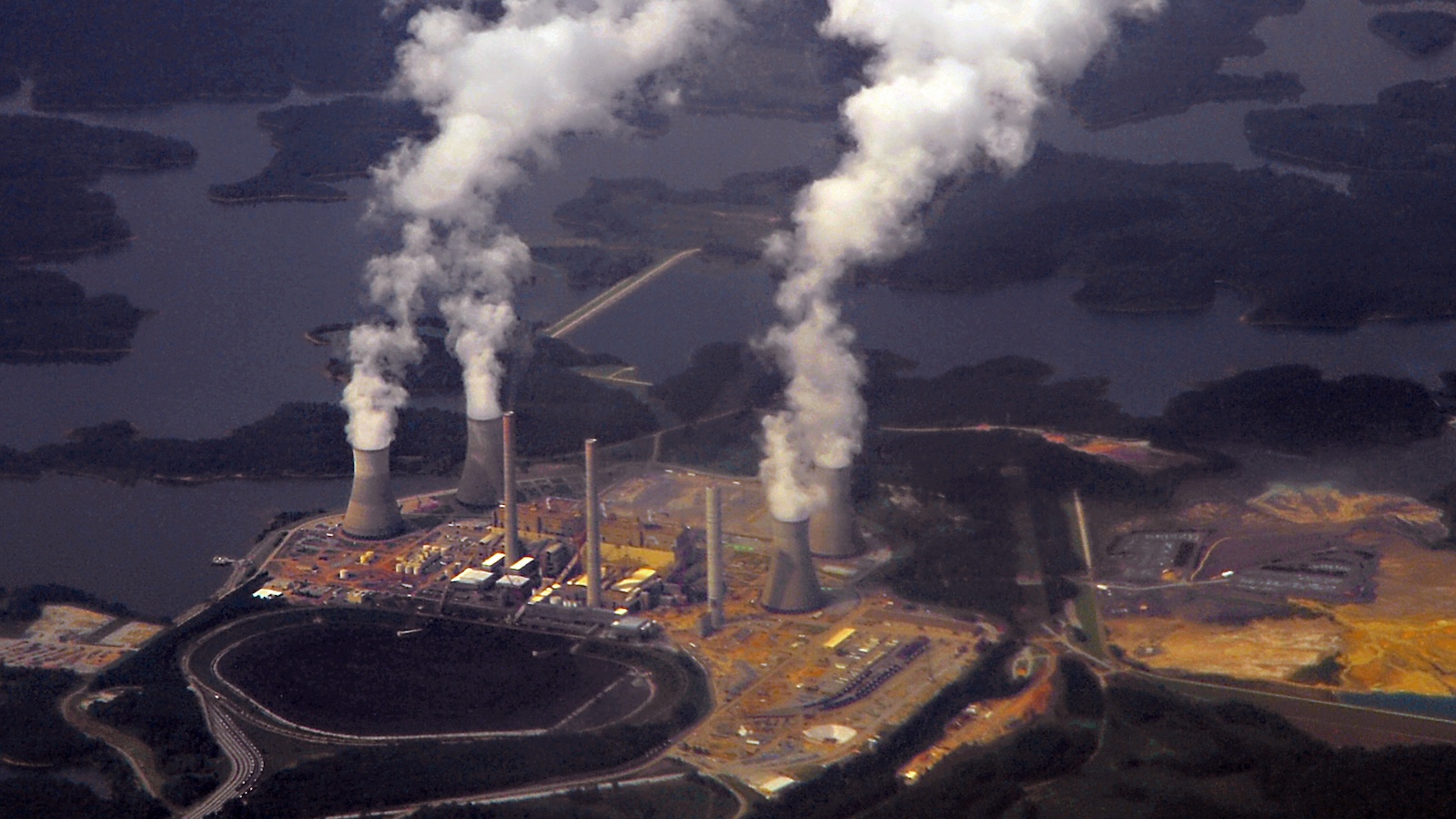
The numbers associated with the extended coal plants illustrate the massive carbon footprint at stake. According to the most recent dataset published by the U.S. Energy Information Administration (EIA):
- Plant Scherer (Georgia): Located near Macon, this massive coal-fired facility emitted more than 8 million tons of carbon dioxide in 2024 alone. By postponing its retirement, millions of additional tons of CO2 will enter the atmosphere.
- Plant Gaston (Alabama): Operating regionally within the Southern Company network, this facility accounted for more than 2 million tons of carbon dioxide emissions in the same reporting year.
The Methane Gas Boom and the Data Center Dilemma
Compounding the problem is an unprecedented spike in regional electricity demand, largely driven by the explosive growth of energy-intensive data centers proliferating across Georgia and the broader Southeast. To meet this surging load, Georgia Power is aggressively building new generation capacity powered by methane gas (commonly referred to as natural gas).
Without the operational restrictions imposed by the Biden-era EPA rules, the carbon emissions from these new gas turbines are projected to double or even triple.
- Under the Repealed Rules: Shober estimates that federal restrictions would have capped the operation of these new gas turbines at roughly 40 percent of the year, limiting their output to approximately 4 million tons of carbon dioxide annually.
- Under the Proposed Repeal: Unburdened by federal constraints, utilities will be legally permitted to run these turbines up to 85 percent of the year. Shober estimates this expanded operational schedule will drive annual emissions from these new units to an alarming 8.5 million tons of carbon dioxide.
Public Health Implications
The American Public Health Association and its legal co-plaintiffs emphasize that power plant emissions are not merely an abstract climate concern; they are an immediate public health crisis. Fossil fuel combustion releases particulate matter, sulfur dioxide, nitrogen oxides, and hazardous air toxics that trigger asthma attacks, cardiovascular disease, and premature death. Furthermore, the greenhouse gases driving climate change directly exacerbate extreme summer heatwaves, which disproportionately impact vulnerable, low-income communities and urban heat islands across Georgia.
"Clean air is a basic human right," said Dr. Georges C. Benjamin, CEO of the American Public Health Association, in a sharp public statement. "Power plant pollution threatens the health of millions of Americans and fuels climate change, worsening extreme heat, poor air quality, and other serious health risks."
Official Statements and Corporate Posture
As the legal battle intensifies and public scrutiny mounts, the primary corporate actors and federal agencies involved have staked out rigid positions.
The Environmental Protection Agency
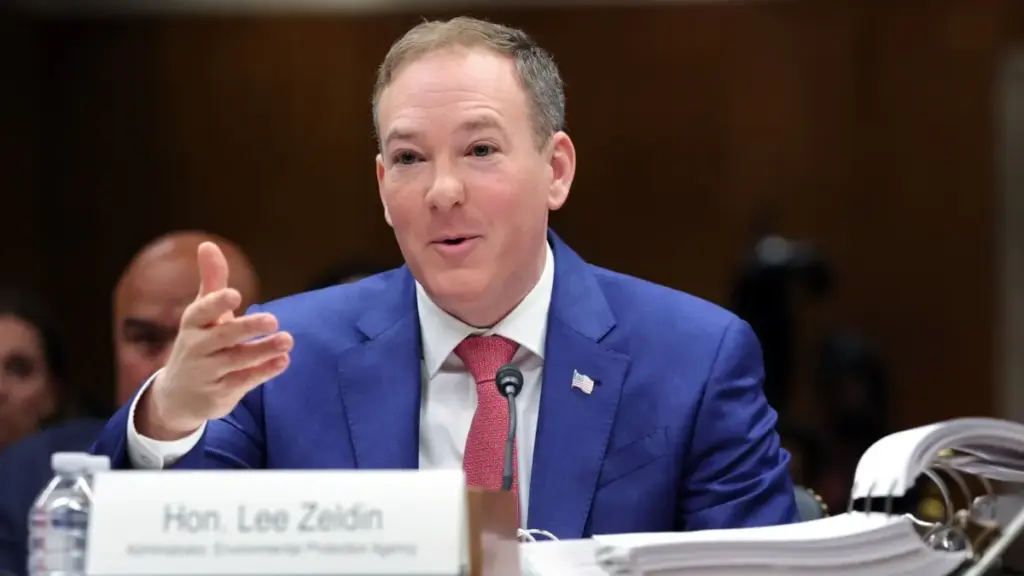
Under the current leadership of EPA Administrator Lee Zeldin, the agency maintains that the Biden-era carbon rules overstepped statutory authority, imposed economically crippling mandates on the energy sector, and threatened grid reliability. The administration frames the proposed repeal as a necessary step to restore regulatory common sense, lower energy costs for consumers, and ensure that fossil fuel baseload generation remains online to support a growing economy.
Southern Company and Georgia Power
Georgia Power’s parent corporation, Southern Company, declined to grant interviews or respond to detailed inquiries regarding the long-term climate implications of the rule repeal. Instead, a corporate spokesperson issued a brief, carefully worded written statement:
"Southern Company supports regulatory certainty with a durable framework that leads to reliable and affordable electricity for our customers."
Notably, the statement omitted any reference to Southern Company’s high-profile corporate pledge to achieve net-zero greenhouse gas emissions by 2050. Environmental watchdogs argue that actions such as delaying coal retirements and maximizing fossil gas utilization render the net-zero pledge functionally meaningless, transforming a corporate climate target into little more than public relations greenwashing.
Future Outlook: What Lies Ahead for Climate Policy and Regional Energy
The EPA’s proposed rule repeal is not yet finalized; it must navigate a mandatory public comment period and survive a battery of rigorous federal court challenges. Legal scholars suggest that the ensuing litigation will center on whether the agency adequately justified its sudden about-face under the Administrative Procedure Act (APA) and whether it properly accounted for its statutory obligations under the Clean Air Act to protect public health and welfare.
Regardless of how the courts ultimately rule, the immediate operational reality on the ground has already shifted. Utilities have demonstrated that their long-term infrastructure planning is flexible enough to exploit political transitions. In states like Georgia, where regulatory oversight by the elected Public Service Commission has historically favored utility expansion of fossil fuel assets, the prospect of federal deregulation removes the primary external check on rising carbon emissions.
For residents, climate advocates, and public health officials, the coming months will test the limits of federal environmental law and corporate accountability. As data center demand surges and fossil fuel infrastructure expands, the Southeast stands as a vital battleground in the national struggle to balance grid reliability with planetary survival.



