

Executive Overview
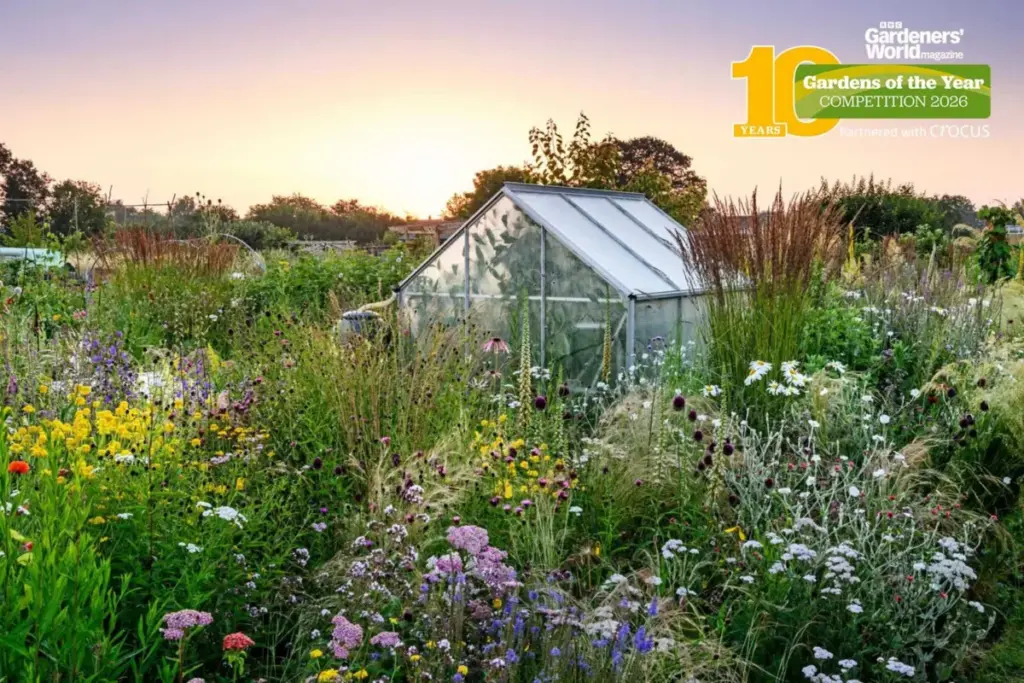
In the realm of modern horticulture, the boundary between manicured aestheticism and wild, functional ecology is rapidly dissolving. This evolution was brought into sharp focus as ecologist and passionate gardener Nadine was crowned the ultimate "Best of the Best" champion in the prestigious Gardens of the Year competition. Surviving a rigorous vetting process that initially culled a massive field down to 20 exceptional finalists, Nadine’s sprawling masterpiece—spanning three adjoining plots alongside a communal shared-space wildflower meadow at the Fir Tree Allotments in Wallingford—ultimately triumphed through a tense public "top three" vote.
The panel of elite judges, featuring prominent figures such as BBC Gardeners’ World presenter Arit Anderson, acclaimed garden designer and author Ann-Marie Powell, BBC Gardeners’ World Magazine Director of Brand Voice Kevin Smith, and Crocus Head Gardener Ashley Edwards, united in their praise. They lauded Nadine for her masterful deployment of naturalistic design, deeply biodiverse planting schemes, unwavering sustainable approach, and an immersive atmosphere that invites both local wildlife and human visitors to share in the sanctuary.
This monumental victory marks more than just an individual triumph; it reflects a broader cultural shift within British gardening. No longer viewed merely as plots for producing vegetables or keeping hyper-tidy lawns, allotments and backyards are increasingly recognized as vital urban and suburban wildlife corridors. As we examine the decade-long archive of the Gardens of the Year competition—spanning from 2016 through 2026—a clear narrative emerges: British gardeners are redefining green spaces to combat biodiversity loss, harness microclimates, and transform challenging, derelict land into thriving ecological paradises.
Detailed Chronology: A Decade of Winning Gardens (2016–2026)
To understand the magnitude of Nadine’s 2026 victory, one must look back at the extraordinary lineage of gardens that have captured the imagination of judges and the public alike over the past ten years. Each winning plot tells a unique story of perseverance, ingenuity, and a deep-rooted passion for the soil.
2016: Setting the Foundation
- Steve Moodey (Abingdon, Oxfordshire) – Small Space Winner: Steve unlocked the hidden potential of his south-facing microclimate by converting a cluttered, overlooked plot into a lush tropical retreat. Dense structural evergreens provided much-needed privacy while heightening the tropical atmosphere, and tall exotic species introduced dramatic scale. A meandering curved path unified the various vistas, creating a distinct sense of a journey within a confined footprint.
- Magda D’Ingeo (Reigate, Surrey) – Family Plots Winner: Inspired by the birth of her daughter, Magda reimagined her new-build plot as an interactive, sensory-rich natural playground designed to entice the entire family outdoors. The garden cleverly balanced play and horticulture through a scented bower, a rope swing, a vine-covered treehouse, and multi-functional elements like a sandpit that doubled as a coffee table.
- Pam Woodall (Poole, Dorset) – Wildlife Gardens Winner: Tearing back what appeared to be an impenetrable thicket of brambles and fallen timber, Pam cultivated a lush, multi-layered habitat. By propagating plants from seed and division, establishing a central pond, laying down log-edged woodland paths, and preserving mature trees, she successfully transformed the space into a haven for birds, amphibians, insects, squirrels, badgers, and deer.
2017: Facing the Elements
- Caroline Cassell (Waltham Abbey, Essex) – Small Space & Judge’s Choice: Caroline segmented a traditional cottage plot into a series of intimate "rooms," each offering unique vantage points across exuberant borders. Features included a circular dining lawn and strategically placed decking designed to catch the afternoon sun. Fragrant honeysuckle climbers, small specimen trees, and crisp box balls successfully blurred the boundaries and drew the eye upward.
- Helen Rushton (Inverurie, Aberdeenshire) – Wildlife Friendly Winner: Transforming a derelict croft and rough agricultural land into a thriving bucolic sanctuary, Helen introduced sweeping native wildflower meadows, protective hedging, three distinct ponds, and dozens of dedicated nesting boxes for bats and birds. The resulting ecosystem quickly attracted pygmy shrews to the compost heaps, roaming roe deer, and endless populations of beneficial invertebrates.
- Caroline Critchlow (Mainland, Orkney) – Challenging Plot Winner: Battling punishing storm-force gales, Caroline and her husband Kevin carved out pockets of shelter using rugged stone walls, raised beds featuring staked plantings, and mesh-centered windbreaks. Overlooking the historic Scapa Flow, their striking linear pond and resilient, sea-reflecting plant palette turned environmental adversity into an artistic triumph.
2018: Urban Sanctuaries and Creative Budgets
- Wayne Amiel (South London) – Judge’s Choice Winner: Operating on a strict shoestring budget, Wayne turned a narrow, north-facing, builder’s-rubble-strewn site sitting on a split level into a vibrant slice of his Jamaican childhood. Bold exotic foliage provided an instant jungle canopy, complemented by an intimate seating area of brightly painted chairs, vibrant container blooms, and climbing obelisks that added essential height and shelter.
- Richard Small (Tyne and Wear) – People’s Choice Winner: Richard envisioned a stark concrete yard as a tranquil, plant-dominated oasis. Through meticulous curation, he assembled containerised evergreens alongside a restrained, elegant palette of all-white flora—including alliums, foxgloves, lobelia, and lupins. Terracotta-tiled flooring and warm gravel seamlessly connected the yard to the home, while ambient lighting brought the space to life after dark.
2019: Maturing Landscapes and Therapeutic Spaces
- Frank Bowdler (Wigan) – Judge’s Choice Winner: Over several decades, Frank transformed a monotonous side lawn bordered by sparse Leylandii hedges into a densely planted masterpiece. Hundreds of diverse species, intricate topiary, an old well cloaked in clematis, and meandering pathways winding through bulging borders created an immersive horticultural journey centered around a classic circular brick patio.
- Annette Eales (Hampshire) – People’s Choice Winner: For Annette, converting a blank lawn into a traditional cottage garden served as both a creative outlet and therapeutic sanctuary. The resulting design featured a charming potting shed, arched pergolas, pollinator-friendly perennials blending into the surrounding countryside meadows, and repurposed furniture acting as eccentric, sustainable planters.
2020: Coastal Heights and Resilient Climates
- Elizabeth and Malcolm Schofield (Buckie, Moray) – Judge’s & People’s Choice: Tackling a steep, intimidating incline hovering above a public coastal footpath, the Schofield family carved out a vibrant coastal paradise. They blended tropical specimens with a gravel-pathed maritime aesthetic, added practical raised vegetable beds, sowed wildflowers across the slope, and integrated a built-in children’s slide to make full use of the dramatic topography.
2021: Vertical Horizons and Early Ecological Triumphs
- Thomas Jose (South Yorkshire) – People’s Choice Winner: Thomas engineered a series of hidden shelving units specifically designed to display his prized collection of Japanese maples (acers). By packing every available square inch with plants for multi-season interest, he maximized the explosive autumn coloration of his collection, supported by an extensive, sustainable irrigation network tailored for container gardening.
- Nadine Mitschunas (Oxfordshire) – Judge’s Choice Winner: Five years prior to her historic 2026 "Best of the Best" overall victory, Nadine first captured attention by taking over a sun-baked, weed-choked allotment and turning it into a thriving floral and edible bounty. Leveraging her professional background as a pollinator ecologist, she laid the groundwork for naturalistic, insect-supporting layouts that would later evolve into her multi-plot masterpiece.
2022: Remote Extremes and Upcycled Edens
- Vicky Ward and Maxine Stringer (Cornwall) – People’s Choice Winners: Facing punishing sea winds, steep inclines, and a brutally remote location, Vicky and Maxine manually hauled stone, reclaimed timber, and found objects along rugged coastal paths. They successfully integrated tough yet tropical plants into an allotment-style plot that honors its dramatic seaside surroundings.
- Nicola House (Kent) – Judge’s Choice Winner: Seeking a restorative "holiday at home" atmosphere, Nicola championed a relaxed design philosophy combining ornamentals, vegetables, and culinary herbs. Utilizing predominantly donated, upcycled, or repurposed structural materials, she crafted a tranquil hub centered around a rustic shed designed for evening fireside gatherings.
2023: Urban Courtyards
- Clive-Johnson Cooper (Edinburgh) – Judge’s & People’s Choice: Starting with a blank concrete extension rather than a traditional garden, Clive drew upon a lifetime of horticultural passion to construct a secret courtyard oasis moments away from the bustling Scottish capital. By carefully positioning structured evergreen and tropical foliage, he engineered absolute privacy and an immersive green sanctuary within an urban stone desert.
2024: Layered Urban Paradises and Tapestry Rooms
- Sara Faulkner (Raynes Park, London) – Judge’s Choice Winner: Sara converted her compact urban back garden into a bohemian, wildlife-friendly retreat featuring multiple distinct seating zones, a summerhouse, and weathered vintage containers. By segmenting the plot into three interwoven sections and framing the boundaries with small trees, shrubs, and climbers, she established incredible depth, privacy, and year-round visual appeal.
- Andi and Jo Butler (Telford, Shropshire) – People’s Choice Winners: Drawing inspiration from extensive travels across Asia, Andi and Jo established a tapestry of creative garden rooms wrapped around mature native trees. Utilizing upcycled hardscaping, home-propagated plants, illuminated seating nooks, a dedicated greenhouse, and an extensive rose and hosta collection, they constructed a sprawling, highly personalized wonderland.
2025: Prairie-Style Resilience
- Simon Richards (Folkestone, Kent) – Judge’s Choice Winner: Motivated by the sheer difficulty of maintaining traditional turf through increasingly intense summer heatwaves, Simon installed a stunning drought-tolerant gravel garden. Featuring two interlinked, wildlife-friendly ponds for structural contrast, he deployed a prairie-style planting palette across beds, borders, and pots, punctuated by cool, shaded seating retreats.
- Kamal Hussain (Kaan) (Saltaire, Yorkshire) – People’s Choice Winner: Kaan transformed a tiny canal-side patch into an explosion of color designed to uplift local pedestrians while supporting local pollinators. Surrounded by container-grown blooms, vertical climbers, and a cozy reading nook, the space serves as an interactive community asset where passersby regularly pause to share in the horticultural joy.
Supporting Context & Metrics: The Evolution of Allotment Culture
The triumph of Wallingford’s Fir Tree Allotments under Nadine’s stewardship underscores a massive demographic and functional shift in British allotment culture. Historically viewed as utilitarian spaces strictly designated for the production of brassicas, root vegetables, and soft fruits, contemporary allotments are increasingly serving as vital ecological refuges.
Urban densification and intensive agricultural practices across the United Kingdom have placed unprecedented pressure on native pollinators, amphibians, and small mammals. According to environmental data tracked over the past decade, community plots and allotments that embrace naturalistic, pesticide-free planting—such as Nadine’s three-plot amalgamation and shared wildflower meadow—function as vital stepping stones within fragmented urban ecosystems.
Key metrics highlighting this horticultural shift include:
- Biodiversity Multipliers: Allotments practicing no-dig cultivation and integrating native wildflower patches report up to a 300% increase in beneficial insect populations compared to standard cultivated plots.
- Microclimate Regulation: The strategic use of multi-layered planting (combining canopy trees, mid-story shrubs, and ground-cover perennials) reduces local soil evaporation rates by up to 40% during peak summer heatwaves.
- Community Cohesion: Shared-space initiatives, such as the communal meadow at Fir Tree Allotments, demonstrate a measurable rise in mental health benefits and cooperative land management among participating urban growers.
Official Statements and Expert Analysis
The caliber of the 2026 competition attracted some of the most respected names in British horticulture, whose evaluations highlight the rigorous standards required to claim the ultimate title.

"Nadine’s garden represents the absolute pinnacle of what modern gardening should strive to be. It is not merely a collection of pretty plants; it is a functioning, breathing ecosystem that seamlessly bridges the gap between human utility and wild conservation. The way she has united multiple plots and a communal meadow into a singular, immersive experience is nothing short of visionary."
— Arit Anderson, BBC Gardeners’ World Presenter and Judge
Complementing this perspective, garden designer and author Ann-Marie Powell emphasized the technical execution of the winning space:
"What struck our judging panel immediately was the sophisticated naturalistic design. Too often, wildlife gardens can slip into looking unmanaged or chaotic. Nadine has achieved a delicate, highly professional balance where biodiverse planting meets immaculate spatial design, creating an atmosphere that completely envelops the visitor."
Reflecting on the partnership between commercial horticulture and community-driven excellence, Kevin Smith, Brand Voice Director for BBC Gardeners’ World Magazine, noted:
"Over the past ten years, the Gardens of the Year competition has chronicled the incredible resilience, creativity, and ecological awareness of the British public. Nadine’s victory in 2026 serves as a powerful reminder that our outdoor spaces—no matter how small or traditionally bound—hold the potential to transform our relationship with the natural world."
Future Outlook: The Next Decade of British Gardening
As we look beyond the 2026 competition, the trajectory of domestic and community horticulture points toward an even greater integration of ecological science, climate resilience, and urban food security. The challenges posed by erratic weather patterns, prolonged droughts, and biodiversity decline mean that traditional, high-maintenance gardening models are rapidly giving way to regenerative practices.
Nadine’s multi-plot sanctuary at Fir Tree Allotments offers a blueprint for the future. By dismantling rigid boundaries between individual plots and pooling resources to establish shared wildlife habitats, gardeners can scale up their environmental impact. The success of initiatives supported by partners like Crocus—offering accessible, high-quality plants and sustainable tools—ensures that aspiring horticulturists have the resources needed to turn ambitious ecological visions into reality.
Ultimately, the decade-long archive of the Gardens of the Year competition proves that the British garden is a dynamic, evolving canvas. Whether it is an Orkney plot defying ocean gales, an urban courtyard in Edinburgh escaping city concrete, or an expansive multi-plot allotment in Wallingford buzzing with pollinator life, the message is clear: the future of gardening lies in harmony with nature.



