

Executive Overview
The global electric vehicle (EV) landscape is experiencing a profound geographic divergence. Fresh data released by Benchmark Mineral Intelligence paints a complex picture of the industry at the close of the first quarter of 2026. While worldwide sales figures remain high—hovering near the multi-million mark—the overarching trend reflects a 3% year-over-year contraction globally, with 4 million EVs sold worldwide in Q1 2026.
Beneath this headline figure lies a compelling story of regional fragmentation. Europe has decisively emerged as the primary growth engine for the electric mobility sector, fueled by a powerful convergence of regulatory support, generous consumer subsidies, and surging conventional fuel prices exacerbated by geopolitical tensions in the Middle East. Conversely, North America has encountered a severe cooling-off period, marked by double-digit declines, shifting federal incentives, and strategic retreats by legacy automakers. Meanwhile, China—the world’s undisputed titan of EV production and consumption—is fighting through domestic policy shifts and sluggish local demand, increasingly leaning on exports that threaten to over-supply international ports.
Outside these three superpowers, secondary markets in Oceania are experiencing explosive, unprecedented surges. As the industry navigates this volatile economic and geopolitical climate, the opening quarter of 2026 serves as a crucial barometer for how quickly consumers pivot to electric mobility when traditional energy markets face sudden disruptions.
Detailed Chronology of Q1 2026
To understand the trajectory of the electric vehicle market in early 2026, one must examine the sharp intra-quarter shifts that defined the period, moving from a sluggish January freeze to a dramatic March rebound.
January and February: The Winter Slowdown
The year began under a cloud of cautious sentiment. January and February saw subdued delivery numbers across multiple continents. In China, the traditional Lunar New Year holiday exerted its usual seasonal drag on industrial output and consumer purchases. At the same time, North American markets struggled with the lingering aftershocks of policy alterations, most notably the expiration of certain federal tax credit structures in the latter half of 2025.
During these opening weeks, global momentum appeared to stall. Automakers reported inventory buildup, and industry analysts began revising annual forecasts downward. Yet, this quiet start proved to be the calm before a storm of shifting consumer habits driven by unexpected macroeconomic shocks.
March: The Turning Point and Regional Divergence
The narrative of Q1 2026 flipped script in March, which delivered a staggering 1.75 million EV sales globally—a 66% rebound over February figures and a 3% improvement over March 2025. However, this global recovery was unevenly distributed.
In Europe, March shattered all historical ceilings. Propelled by structural registration updates (such as the UK’s bi-annual plate change) and a sudden spike in crude oil prices, European buyers rushed showrooms in unprecedented numbers. Continental markets pushed total monthly registrations past the half-a-million milestone for the first time in history.
Concurrently, China experienced a sharp domestic recovery, nearly doubling its February output as factories resumed full-scale operations post-holiday. North America also showed signs of life in March, crossing the 100,000-unit monthly threshold in the United States for the first time since the Q3 2025 tax credit expiration. Yet, these regional recoveries could not fully erase the deep deficits accumulated earlier in the quarter, leaving the global quarterly tally down 3% year-over-year.
Supporting Context & Metrics: Regional Breakdowns
A granular analysis of Benchmark Mineral Intelligence data reveals stark contrasts in how different parts of the world are reacting to the energy transition in early 2026.
| Region | Q1 2026 Performance vs. Q1 2025 | March 2026 Highlights & Key Drivers |
|---|---|---|
| Europe | Strong Growth (Record-breaking) | Topped 500,000 sales in March (+72% MoM, +37% YoY); driven by high gas prices and subsidies. |
| China | Down 21% Year-to-Date | Sharp March rebound from Feb lows; domestic demand dampened by policy changes, leading to export push. |
| North America | Down 27% (US & Canada) | US crossed 100,000 monthly units in March; market hampered by policy shifts and strategic cancellations. |
| Oceania (Aus/NZ) | Surging (NZ +263% YoY in March) | Driven by fuel supply fears and 20%+ hikes in petrol prices following Middle East conflicts. |
Europe: The Uncontested Growth Engine
Europe’s performance in Q1 2026 was nothing short of historic. Surging 37% year-over-year and 72% month-over-month, the European market benefited immensely from external macroeconomic pressures. The ongoing conflict in the Middle East rattled global energy markets, causing fuel prices at European pumps to skyrocket. In nations like France, escalating prices triggered brief panic buying and localized supply disruptions at service stations, directly accelerating consumer migration toward battery-electric vehicles (BEVs). BEV sales in France surged 69% year-over-year in March—nearly double the growth rate recorded in January and February.
National records tumbled across the continent. Austria, Belgium, Finland, France, Italy, Portugal, and Spain all logged all-time highs for BEV sales during the quarter. The United Kingdom similarly posted a record-breaking March, buoyed by seasonal plate changes and acute sensitivity to rising fuel costs, securing a 31% year-over-year expansion.
Furthermore, Chinese automakers continued their aggressive territorial expansion across Europe. In Italy, emerging Chinese brand Leapmotor captured approximately 30% of the country’s entire BEV market in Q1. When aggregated with other Chinese manufacturers, their combined regional market share approached a commanding 40%, illustrating the deep entrenchment of Asian imports in European supply chains despite looming tariff debates.
China: Domestic Hurdles and Export Pressures
As the world’s largest electric vehicle market, China experienced a predictable post-holiday surge in March, yet the broader ledger shows a 26% contraction year-to-date. Domestic demand has been constrained by a shifting regulatory framework and the gradual phase-out or restructuring of legacy local purchase incentives.
Facing softer domestic absorption, Chinese original equipment manufacturers (OEMs) have intensified their export strategies. However, this strategy faces mounting logistical hurdles. Overseas inventories at international ports are beginning to swell, indicating that foreign shipments are outpacing immediate retail demand in destination countries—particularly as trade barriers and regulatory scrutiny tighten in Western markets.
North America: Cooling Sentiment and Strategic Retrenchment
North America endured a challenging start to the year, with Q1 EV sales tumbling 27% compared to the same period in 2025. Both the United States and Canada registered steep declines as the market digested the expiration of certain federal incentives implemented late last year.
Despite the broader slump, March offered a glimmer of hope. Fuel price increases began mirroring European trends, nudging American consumers back toward showrooms. The US market recorded upwards of 100,000 EV sales in March, marking its strongest monthly performance since federal tax credits lapsed in Q3 2025.
Nevertheless, automotive executives are visibly recalibrating their investments. Signaling a broader cooling of aggressive electrification timelines, Honda officially scrapped the development of its ambitious "Honda 0 Series" EV lineup during the quarter. Additionally, the highly anticipated "Afeela" models—stemming from Honda’s joint venture with tech giant Sony—were similarly canceled, underscoring a pragmatic retreat among select legacy players facing higher capital costs and slower-than-projected near-term adoption curves.

The Rest of the World: Explosive Growth in Oceania
While the major geopolitical blocs experienced mixed fortunes, smaller markets outside the traditional triad recorded exponential growth rates.
New Zealand emerged as a standout global performer, with BEV registrations skyrocketing by a staggering 263% year-over-year in March alone, cementing a triple-digit growth rate for the year to date. Australia mirrored this enthusiasm, posting an 89% year-over-year jump in March. Although this represented a slight cooling from the torrid 111% growth pace observed in January and February, it was more than enough to establish a historic monthly sales peak, outpacing previous records by over 2,000 units.
Analysts attribute this Oceania surge directly to energy vulnerability. Following the escalation of hostilities in Iran, fuel prices across parts of Oceania spiked by over 20%. Isolated island economies, acutely sensitive to global shipping and oil price shocks, saw consumers rapidly abandon internal combustion engines in favor of locally charged electric alternatives.
Official Statements and Industry Insights
The divergence in regional performance has prompted candid appraisals from industry leaders, trade associations, and energy analysts.
Speaking on the macroeconomic drivers behind the Q1 data, Benchmark Mineral Intelligence market analysts noted:
"The first quarter of 2026 has shattered the illusion of a uniform global EV transition. What we are witnessing is a macro-environment heavily dictated by localized energy security. Where traditional fuel prices spike due to geopolitical friction, EV adoption acts as an immediate economic hedge for the consumer. Where policy supports are withdrawn or delayed, the market hesitates."
European trade bodies have similarly highlighted the resilience of their consumer base in the face of supply chain pressures. A spokesperson for the European Automobile Manufacturers’ Association (ACEA) remarked:
"March proved that European motorists are increasingly ready to make the switch permanently when pushed by external economic realities. Achieving half a million sales in a single month is a watershed moment, though maintaining this momentum will require continued rollout of robust public charging infrastructure."
Conversely, North American automotive analysts have adopted a more cautionary tone regarding the recent cancellations by legacy brands. Industry observers point out that while consumer interest persists—as evidenced by the March US rebound—cautious boardroom strategies among legacy manufacturers risk ceding market share to agile, vertically integrated competitors who remain fully committed to aggressive EV platform rollouts.

Future Outlook: Navigating the Rest of 2026
As the automotive industry looks past the first quarter toward the remainder of 2026, the strategic imperatives for automakers, policymakers, and energy providers are coming into sharp focus.
-
Infrastructure and Grid Resilience: With Europe carrying the global market and Oceania experiencing exponential surges, the immediate bottleneck is no longer solely vehicle supply, but grid capacity and charging infrastructure. European nations must accelerate their multi-billion-euro charging corridor projects to prevent congestion as fleet adoption scales past the 500,000-monthly-sales threshold.
-
Geopolitical Energy Volatility: The close correlation between Middle Eastern conflicts, fuel price spikes, and immediate surges in EV registrations underscores how deeply intertwined mobility has become with geopolitical stability. Automakers operating globally must build flexible manufacturing footprints that can quickly pivot production to regions experiencing high demand shocks.
-
Trade Tensions and Export Dynamics: With Chinese domestic demand cooling and overseas inventories climbing, the coming quarters will likely see heightened trade friction. European and North American regulators are expected to monitor import volumes closely, potentially introducing new tariff frameworks to protect domestic manufacturing bases from an influx of excess overseas stock.
-
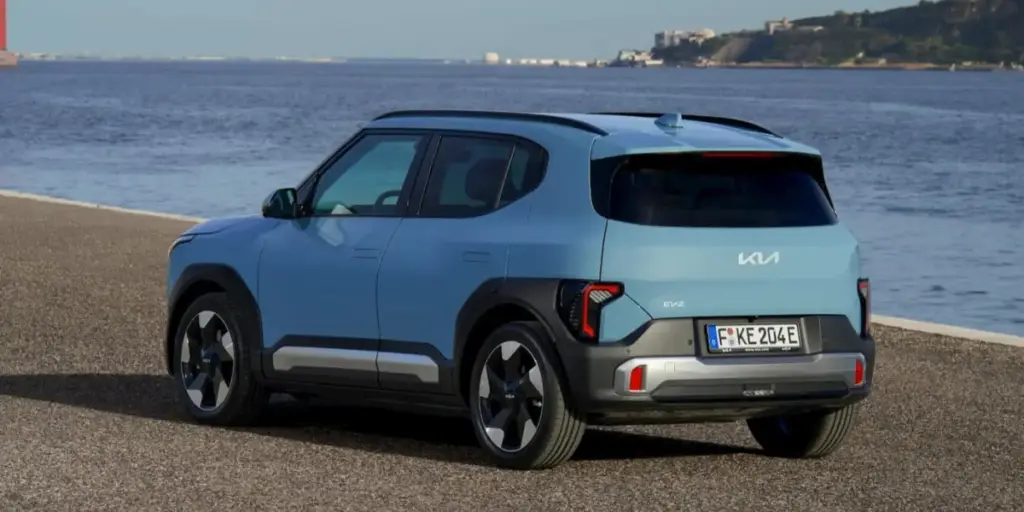
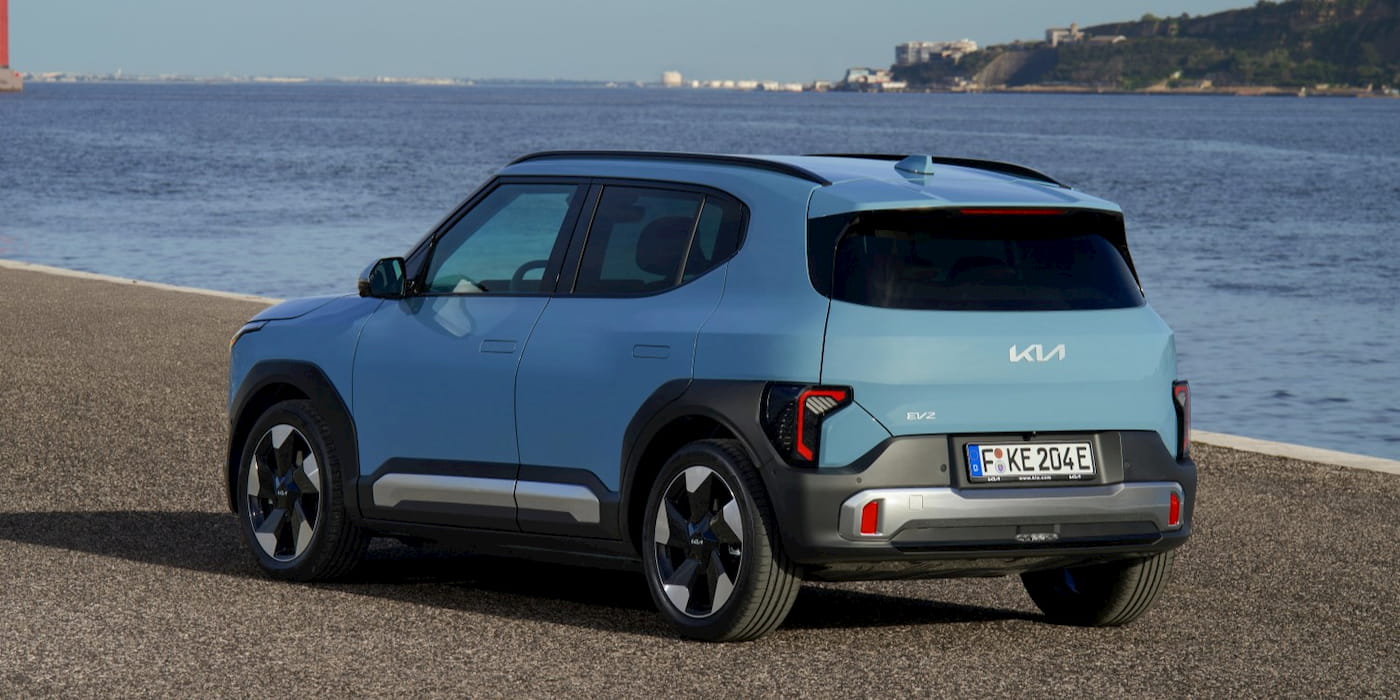
Product Strategy Realignment: In North America, the retreat of select legacy EV programs suggests a period of consolidation. Success for the remainder of 2026 will likely favor automakers that can deliver affordable, margin-positive entries—such as Kia’s upcoming EV2 line—rather than high-cost halo vehicles, capturing the cost-conscious consumer squeezed by fluctuating traditional fuel markets.
Ultimately, Q1 2026 has proven that the global transition to electric mobility is not a linear march, but a dynamic, highly reactive ecosystem shaped by policy, price at the pump, and the relentless pace of global technological competition.



