

Executive Overview
In what marks a structural inflection point for the European automotive landscape, battery-electric vehicle (BEV) registrations across 14 key European Union and European Free Trade Association (EFTA) markets skyrocketed by 51% in March 2026. According to fresh market data released jointly by New Automotive and E-Mobility Europe, more than 224,000 new all-electric vehicles hit the road during the month alone. This impressive volume accounted for roughly 22% of all new car sales across these monitored territories, translating to an estimated 21.2% market share specifically within the EU.
While climate regulations, falling battery production costs, and aggressive corporate fleet targets have long been cited as the primary engines of the European EV transition, this unprecedented springtime surge points to an emerging, more urgent catalyst: energy security. Renewed geopolitical instability and escalating conflicts in the Middle East have once again laid bare Europe’s heavy structural reliance on imported fossil fuels. Consequently, consumer buying behavior and commercial fleet management strategies are pivoting rapidly. The transition away from internal combustion engines (ICE) is no longer viewed merely as an environmental checkbox; it is increasingly recognized as a vital pillar of national and regional self-reliance.
With over half a million new EVs registered in the EU during the first quarter of 2026—representing a robust 33.5% year-over-year increase compared to Q1 2025—the continent’s automotive market has decisively entered a new, accelerated chapter.
Detailed Chronology: The Road to the March 2026 Milestone
To fully understand the magnitude of the March 2026 statistics, it is necessary to examine the compressed timeline of regulatory pressures, economic adjustments, and geopolitical shocks that have reshaped Europe’s energy and automotive sectors over the past several years.
Late 2024 to 2025: Regulatory Headwinds and Market Corrections
Throughout late 2024 and much of 2025, the European EV market experienced a period of uneven growth. Several major economies, most notably Germany, grappled with sudden policy shifts, including the abrupt phase-out or reduction of consumer purchase subsidies. This led to a temporary cooling of consumer demand, forcing legacy automakers to re-evaluate their production lines, rethink pricing strategies, and lean heavily on hybrid offerings to meet preliminary fleet emissions standards without incurring hefty regulatory fines.
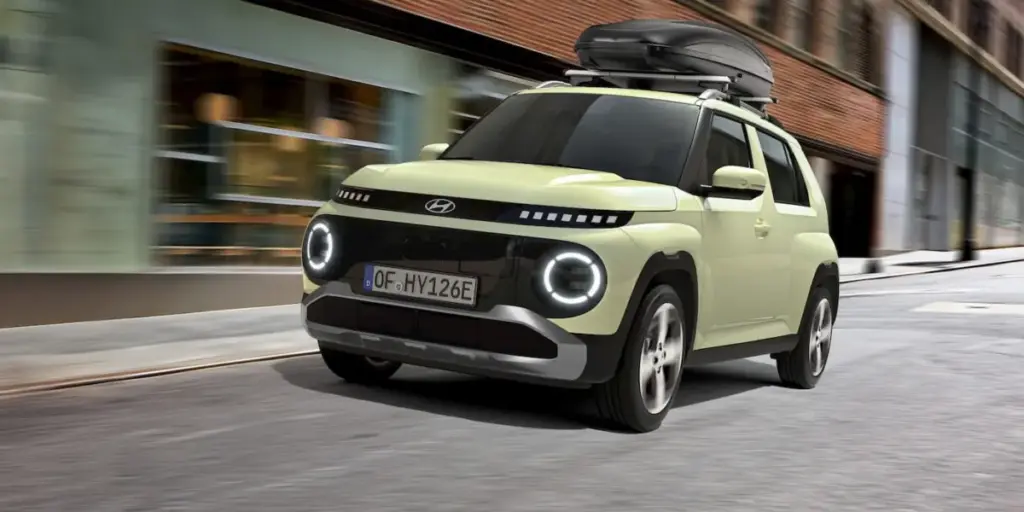
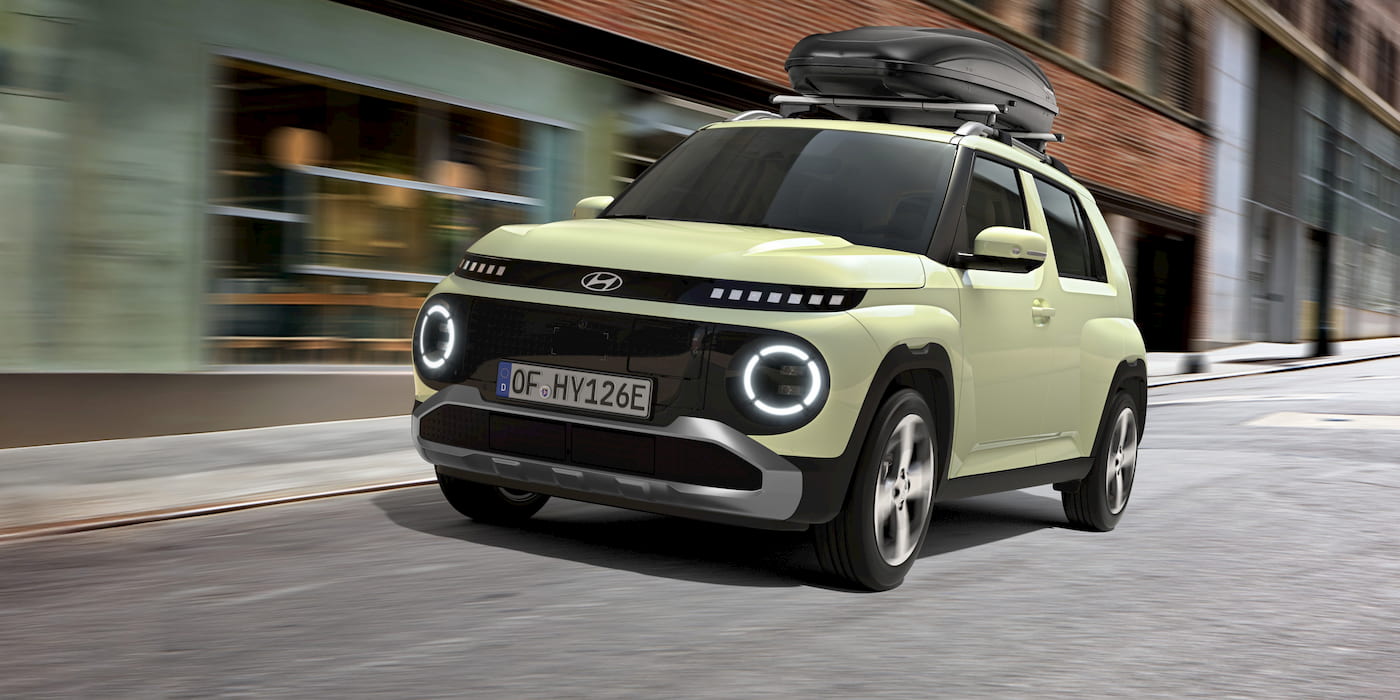
During this transitional lull, countries like Italy and Poland lagged behind Western European frontrunners, registering stubbornly low single-digit BEV market shares. Industry analysts worried that the European EV transition might stall before reaching mass-market tipping points. However, behind the scenes, carmakers were quietly preparing lower-cost models—such as Hyundai’s affordable compact electric SUVs and comparable offerings from European and Chinese manufacturers—designed to appeal to price-sensitive buyers.
Early 2026: The Geopolitical Shock and Supply Chain Adjustments
As the calendar turned to 2026, external macroeconomic pressures began to shift dramatically. Intensifying geopolitical friction in the Middle East rattled global crude oil markets, injecting fresh volatility into international supply chains. European leaders and consumers were starkly reminded of the economic vulnerability inherent in importing millions of barrels of oil daily.
Simultaneously, stricter pan-European emissions targets came into full force, compelling automotive brands to aggressively push electric inventory. By February 2026, market indicators suggested a rebound was underway. By March 2026, this convergence of renewed consumer urgency regarding fuel costs, new targeted national incentives, and a broader awakening to energy security created a compounding effect, resulting in the historic 51% year-on-year surge across the 14 analyzed European markets.
Supporting Context & Metrics: Broad-Based Growth Across Europe
A critical takeaway from the March 2026 data is that the surge was not propelled by a single outlier nation, but rather by synchronized, widespread acceleration across virtually all of Europe’s primary automotive powerhouses.
The Major Economies Step Up
The region’s five largest economies—Germany, France, Spain, Italy, and Poland—all recorded impressive BEV growth rates exceeding 40% on a year-to-date basis.
- Germany: Following a period of market sluggishness induced by previous subsidy cuts, Germany staged a definitive comeback in March 2026. Buoyed by newly introduced targeted incentives and aggressive discounting by major domestic automakers, approximately one in every four new cars registered during the month was fully electric. This drove a stellar 42% year-to-date increase in German BEV registrations.
- France: Maintaining its standing as a leader among large European markets, France reported that electric vehicles comprised an impressive 28% of total car sales in March. The continued success of the government’s social leasing scheme—which provides affordable long-term leasing options for lower-income households to access electric cars—has helped fuel a nearly 50% year-to-date expansion.
- Italy: Long considered a laggard in the European e-mobility race with a stagnant BEV market share hovering around 5% at the close of 2025, Italy emerged as one of the standout success stories of early 2026. Driven by a surge in urban adoption and newly refreshed purchasing grants, Italy’s market share climbed to 8.6% in March, underpinned by a 65% year-to-date surge in registrations.
- Poland: Mirroring Italy’s trajectory, Poland demonstrated that the EV transition is successfully penetrating Eastern and Central European markets that were previously slower to adopt battery-powered transport, recording consistent double-digit monthly gains.
The Nordic Benchmark: Norway, Denmark, and Finland
While major economies are accelerating their transition, the Nordic nations continue to operate in a league of their own, illustrating the ultimate destination of a mature EV ecosystem.
- Norway: Setting the global gold standard for transportation electrification, Norway reported that an astonishing 98.4% of all new car registrations in March 2026 were fully electric. Internal combustion engines have effectively been phased out of the new car market in the country, thanks to a decade-long framework of comprehensive fiscal privileges and robust charging infrastructure deployment.
- Denmark: Following closely behind its neighbor, Denmark witnessed 76.6% of its new car sales go fully electric during March.
- Finland: Finland also crossed a major milestone, with fully electric vehicles accounting for nearly 50% of the country’s monthly new car registrations.
Official Statements and Industry Insights
The convergence of automotive market dynamics and geopolitical energy security has prompted strong commentary from industry leaders and trade organization heads.

Chris Heron, Secretary-General of E-Mobility Europe, emphasized the profound macroeconomic implications of the March figures during a press briefing:
"March’s surge in electric car sales is one of Europe’s biggest recent gains in energy security, in a month when oil dependence has become a real vulnerability. Across the EU’s major markets, EV sales are growing at rates above 40%, marking a clear step change, not statistical noise. That translates into half a million electric cars registered so far this year, cutting roughly 2 million barrels of oil demand annually."
Echoing these sentiments, Ben Nelmes, CEO of New Automotive, highlighted the fundamental shift in how consumers and enterprises view battery-electric transport:
"Every electric vehicle registered means Europe is less reliant on imported oil. At a time when energy security has moved to the top of the political agenda, the EV transition is delivering real and measurable resilience. The pace of change we’re now seeing across major European markets—including countries like Italy and Poland that were slower to start—suggests the transition has entered a new phase."
Industry analysts point out that this acceleration is occurring organically, driven by consumer choice and fleet operators seeking insulation from fossil fuel price shocks, even before the full lag-effect of contemporary oil market disruptions ripples completely through retail fuel stations.
Future Outlook: What Lies Ahead for Europe’s EV Landscape Through 2026 and Beyond
As Europe navigates the remainder of 2026, the trajectory of the electric vehicle market appears primed for sustained, if not accelerated, momentum. Several key factors will dictate the pace and shape of the transition moving forward:

1. The Proliferation of Affordable Models
The historical barrier of high upfront vehicle purchase costs is steadily eroding. Automakers are aggressively rolling out sub-€25,000 electric models tailored specifically to European urban driving and everyday family use. As more affordable compact SUVs, hatchbacks, and city cars enter showrooms throughout late 2026 and 2027, adoption barriers for middle-income households will largely dissolve.
2. Fleet Electrification as a Corporate Imperative
Corporate and commercial fleets—which account for a substantial percentage of all new vehicle registrations in Europe—are facing tightening internal environmental, social, and governance (ESG) mandates alongside strict corporate fleet emission limits. Fleet managers are increasingly concluding that transitioning to all-electric line-ups is the most reliable way to hedge against volatile liquid fuel expenditures and future regulatory penalties.
3. Energy Security and Infrastructure Resilience
Energy security will undoubtedly remain a top-tier priority for European policymakers. As public awareness of oil supply vulnerabilities remains heightened, governments are likely to maintain or refine targeted support for charging infrastructure build-out, ensuring that rural and cross-border corridors keep pace with surging urban adoption.
Ultimately, the March 2026 data signals that Europe’s electric vehicle market has matured past the fragile early-adopter phase. Bolstered by shifting geopolitical realities, improving vehicle affordability, and broad geographic participation, the transition to electric mobility has firmly embedded itself as a cornerstone of Europe’s long-term industrial strategy and energy independence.



