

Executive Overview
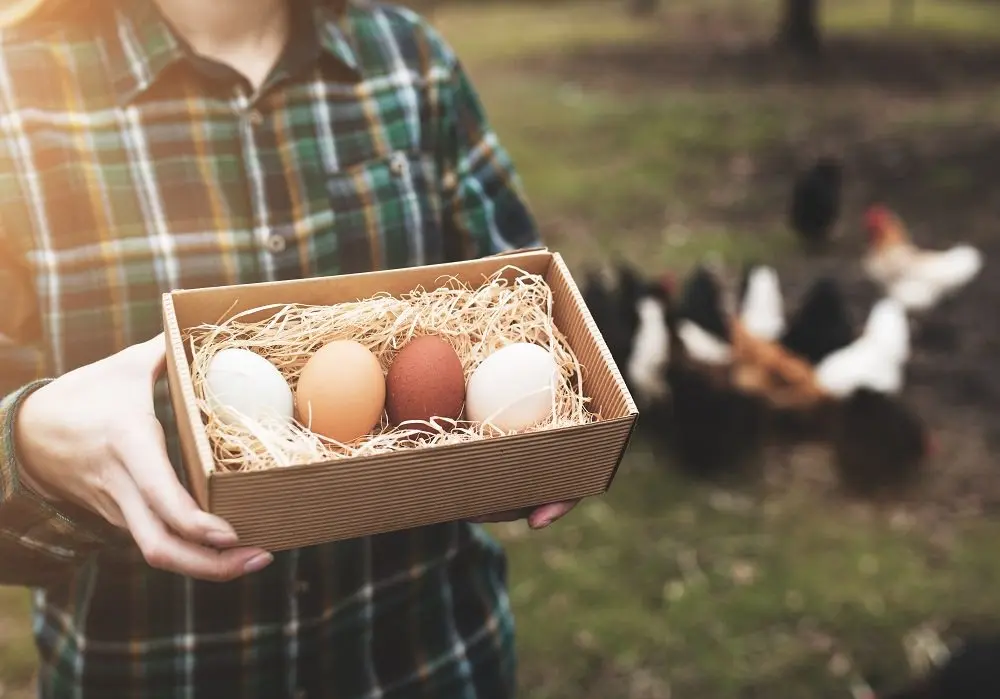
For a brief, frenzied period in early 2025, the humble backyard chicken coop was viewed across America as a premier asset of household economic defense. Driven by a historic spike in commercial egg prices—which peaked at an average of $6.22 per dozen for Grade A large eggs in March 2025—millions of suburbanites and urban homesteaders rushed to purchase chicks, feed, and coop construction kits. By the spring of 2025, the American Pet Products Association estimated that roughly 11 million U.S. households were maintaining backyard flocks, nearly doubling the 5.8 million recorded in 2018.
By mid-2026, however, the economic and biological calculus of home egg production dramatically reversed.
According to data from the U.S. Bureau of Labor Statistics (BLS), the average retail price for a dozen Grade A eggs collapsed to $2.14 in June 2026. This price crash dismantled the financial justification for small-scale egg production. At the same time, the biosecurity risks associated with backyard poultry escalated. Since 2024, highly pathogenic avian influenza (HPAI) H5N1 has claimed the lives of two U.S. backyard flock owners. Concurrently, a sweeping, multidrug-resistant Salmonella outbreak linked directly to backyard hatcheries has sickened over 800 people across 44 states, hospitalizing hundreds and killing one.
What began as a popular response to grocery store inflation has evolved into a cautionary tale of agricultural economics, epidemiological risk, and municipal regulatory battles. This investigative report examines the structural market forces, biological realities, and public health concerns shaping the backyard poultry landscape in 2026.
Detailed Chronology: From "Egg-flation" Panic to the Great Correction (2022–2026)
The rise and fall of the 2025 backyard chicken boom was set in motion years earlier by the most devastating animal health crisis in U.S. history.
  [Feb 2022: HPAI Outbreak Begins]
                 │
                 ▼
  [2022–2024: 166M+ Birds Culled globally/locally]
                 │
                 ▼
  [March 2025: Egg Prices Peak at $6.22/Dozen]  ──►  [Backyard Chicken Boom: 11M Coops Active]
                 │
                 ▼
  [Late 2025: Commercial Flocks Rebuilt]
                 │
                 ▼
  [June 2026: Retail Egg Prices Crash to $2.14] ──►  [The Bust: Unprofitable Coops & Health Risks]
2022–2024: The Incubation of a Crisis
In February 2022, Highly Pathogenic Avian Influenza (HPAI) was detected in commercial poultry flocks in the United States. Unlike previous, localized outbreaks, this strain of H5N1 proved exceptionally resilient, carried by migratory waterfowl across all major North American flyways. By the close of 2024, the United States Department of Agriculture (USDA) reported that more than 166 million birds across commercial and backyard flocks—including chickens, turkeys, ducks, geese, and pheasants—had been lost to the disease or culled to prevent its spread.
This catastrophic supply shock triggered unprecedented retail price increases:
- 2022: Retail egg prices rose 32.2%
- 2023: Prices stabilized slightly, rising 1.4%
- 2024: Prices surged again by 8.5% as late-year bird flu outbreaks hit major commercial producers in Ohio, Indiana, and California.
Late 2024–Early 2025: The Peak Boom
By early 2025, commercial laying operations were operating at severely diminished capacity. When retail prices peaked at $6.22 in March 2025, consumer panic set in. Agricultural retail stores and online hatcheries reported an unprecedented surge in demand.
"Chick Days"—the traditional spring retail window when farm supply stores stock day-old chicks—were effectively pulled forward to January and February. Hatcheries nationwide reported order volumes climbing by 80% to 100%, with most selling out of popular laying breeds, such as Rhode Island Reds and Buff Orpingtons, months in advance.
Late 2025–Mid-2026: The Market Collapse
The high-price signal that motivated consumers to buy chicks also incentivized commercial producers to rapidly rebuild. As HPAI detections slowed in late 2025 and early 2026, commercial operations successfully repopulated their facilities with young laying pullets.
By the first quarter of 2026, the USDA logged significantly fewer new HPAI detections compared to the same period in 2025. With supply catching up to, and eventually exceeding, demand, retail prices plummeted.
In May 2026, retail egg prices were 35.2% lower than the previous year. The USDA’s Economic Research Service (ERS) currently forecasts an overall 30.4% decline in retail egg prices for the full 2026 calendar year, alongside an 82.9% drop in wholesale prices paid to farmers. Consequently, the backyard chicken market has cooled dramatically. First-time buyers have largely exited the market, leaving hatcheries to rely once again on experienced hobbyists replenishing older flocks.
Supporting Context & Metrics: The Cold Math of Backyard Poultry
To understand the financial realities facing home poultry keepers in 2026, one must look past the emotional appeal of self-sufficiency and analyze the biological and economic inputs of flock management.
The Biological Production Discrepancy
Many first-time chicken owners in 2025 calculated their potential egg yields using commercial industry benchmarks. In 2025, commercial laying hens averaged roughly 300 eggs per year, sustained by highly controlled lighting, temperature, and professional-grade nutrition.
Backyard flocks cannot match these metrics. According to data from the University of Minnesota Extension:
- Onset of Laying: Pullets typically do not begin laying until they are approximately six months (20 to 24 weeks) old.
- Peak Production: Hens reach peak laying capacity during their first two years, producing between 180 and 250 eggs per year (approximately 15 to 21 dozen).
- Seasonal Delays: Production drops off precipitously during autumn and winter due to shorter daylight hours, unless coop owners install supplemental electrical lighting.
- Long-term Decline: Egg production declines by 10% to 20% each subsequent year. While a hen can live for 5 to 10 years, her economically productive life is largely spent by age three.
To replace the average American’s annual egg consumption (projected by the USDA at 22.9 dozen, or roughly 275 eggs per person in 2026), a household requires more than one hen per person to guarantee a consistent, year-round supply.
The Financial Ledger of a Six-Hen Flock (2026 Estimates)
Below is a realistic financial breakdown of operating a standard six-hen backyard flock in the current economic climate, compared against historical and contemporary retail prices.
| Measure / Cost Category | Low-End Estimate | High-End Estimate |
|---|---|---|
| Annual Flock Output (6 Hens) | 90 Dozen (180 eggs/hen) | 125 Dozen (250 eggs/hen) |
| Value at June 2026 Avg. Retail ($2.14/doz) | $192.60 | $267.50 |
| Value at Cage-Free Feature Price ($2.65/doz) | $238.50 | $331.25 |
| Value at March 2025 Peak Price (~$6.22/doz) | $559.80 | $777.50 |
| Startup Costs (Coop, run, fencing, feeders, birds) | $500.00 | $2,000.00 |
| Annual Operational Costs (Feed, bedding, grit, medicine) | $250.00 | $600.00 |
Data Sources: Production ranges adapted from University of Minnesota Extension; egg prices compiled from the U.S. Bureau of Labor Statistics (BLS) and USDA Agricultural Marketing Service (AMS) weekly reports.
Financial Analysis
- Under 2025 Peak Conditions: When conventional eggs approached $6.22 per dozen, a high-producing home flock could generate up to $777.50 worth of eggs annually, effectively offsetting annual operational costs and amortizing basic startup expenses within 12 to 18 months.
- Under 2026 Normalized Conditions: With conventional eggs back to $2.14, the annual output of a six-hen flock ($192.60 to $267.50) fails to cover even the lowest-end annual feed and bedding costs ($250). When startup costs are factored in, the venture operates at a net loss.
- The Specialty Caveat: For consumers who exclusively purchase organic, pasture-raised, or specialty cage-free eggs (which averaged $2.65 for cage-free and over $4.50 for organic in mid-July 2026), the financial deficit is smaller, though still rarely profitable when labor and veterinary care are valued.
The Meat Myth: The Broiler Miscalculation
Many households attempting to hedge against meat inflation in 2025 turned to raising meat birds (broilers). However, the economics of small-scale broiler production are even more challenging than egg production.
The U.S. produced an estimated 102.8 pounds of broiler meat per person in 2026. Replacing this consumption for a family of four requires roughly 120 meat birds per year, assuming a standard dressed carcass weight of 70% to 75% of a five-pound live bird.
University extension services warn that raising meat breeds (such as Cornish Cross) requires entirely different husbandry, faster processing cycles (typically 6 to 8 weeks), and specialized slaughter equipment. Furthermore, processing retired laying hens does not yield commercial-grade broiler meat; their muscle tissue is tough and suited almost exclusively for slow-cooking or soup stocks.
Biosecurity Risks: H5N1 and Drug-Resistant Salmonella
While the financial return on backyard poultry has turned negative, the biological risks associated with home flocks have reached critical levels. Two distinct pathogens have transformed backyard coops into focal points for public health investigations in 2026.
The Deadly Reality of H5N1 Avian Influenza
For years, HPAI was viewed primarily as an agricultural threat requiring the culling of birds. However, the current H5N1 strain has demonstrated an increased capacity for spillover into mammals and humans.
Since March 2024, the Centers for Disease Control and Prevention (CDC) has confirmed 71 human cases of influenza A(H5) in the United States. While the majority of these cases occurred in dairy and commercial poultry workers, three cases were identified in backyard flock owners. Tragically, two of those three cases resulted in fatalities:
- Louisiana (Early 2025): An individual with an infected backyard flock of mixed poultry succumbed to respiratory failure after handling dead birds without personal protective equipment (PPE).
- Washington State (November 2025): A backyard keeper with direct contact to infected wild waterfowl died following severe neurological and respiratory complications.
U.S. Human H5N1 Cases (Since March 2024): 71 Total
┌──────────────────────────────────────────────────────────┐
│ Commercial Poultry / Dairy Workers (68 Cases)            │
└──────────────────────────────────────────────────────────┘
┌───────────────────────────────────┐
│ Backyard Keepers (3 Cases)        │
│  ├─ Fatalities: 2                 │
│  └─ Recoveries: 1                 │
└───────────────────────────────────┘
The CDC maintains that the risk of H5N1 to the general public remains low. However, for individuals who directly handle sick or dead poultry in areas frequented by wild migratory waterfowl, the risk profile is substantially higher. Wild birds shed the virus in high concentrations through feces and oral secretions, contaminating shared water sources, paddocks, and feed trays.
The Multidrug-Resistant Salmonella Outbreak of 2026
While bird flu represents the most severe risk, Salmonella remains the most widespread health issue. As of July 27, 2026, the CDC, in coordination with state health departments, is actively investigating eight multistate outbreaks of Salmonella Saintpaul and other strains directly linked to contact with backyard poultry.
The Epidemic by the Numbers (2026 Outbreak Data)
- Total Cases: 814 confirmed infections across 44 states and one U.S. territory.
- Hospitalization Rate: 201 hospitalizations among patients with available clinical data.
- Fatalities: One confirmed death in Washington State.
- Vulnerable Populations: Children under the age of five account for 25% of all confirmed cases.
- Source of Infection: 84% of sickened individuals who reported poultry contact had purchased their birds since January 1, 2026, primarily from local agricultural retail stores.
       814                       201                       1
 Confirmed Cases           Hospitalizations         Confirmed Death
  (44 States)              (Among reported)          (Washington)
The Hatchery Connection and Antibiotic Resistance
Epidemiological tracebacks have linked the outbreak strains to seven commercial hatcheries that supply retail stores. Alarmingly, environmental testing of the shipping boxes used to transport day-old chicks from hatcheries to retail shelves revealed the presence of identical Salmonella strains.
Even more concerning for clinicians is the resistance profile of these strains. Whole-genome sequencing has identified resistance genes to critical, first-line human antibiotics, including:
- Ampicillin
- Ceftriaxone
- Ciprofloxacin
This antibiotic resistance complicates treatment for severe infections, particularly in pediatric, elderly, and immunocompromised patients who require hospitalization. Public health officials emphasize that poultry can carry and shed Salmonella without showing any visible signs of illness.
Official Statements, Guidelines, and Regulatory Realities
The convergence of economic volatility and public health crises has prompted responses from federal agencies, veterinary experts, and municipal authorities.
The CDC MMWR Study on Owner Knowledge Gaps
In May 2026, the CDC published a study in its Morbidity and Mortality Weekly Report (MMWR) surveying 638 backyard flock owners across 48 states. The findings revealed a stark disconnect between biosecurity awareness and actual practice:
- General Awareness: 94% of respondents were aware of avian influenza.
- Hand Hygiene: Only 41% reported consistently washing their hands with soap and water after handling poultry or cleaning coop equipment.
- Footwear Protocol: Only 28% maintained dedicated footwear for coop entry, meaning the majority likely tracked potentially contaminated feces into their homes.
- High-Risk Contact: 12% of respondents admitted to kissing or snuggling their birds, a behavior directly linked to Salmonella transmission.
- Protective Gear: Fewer than 15% reported using masks (such as N95 respirators) or eye protection when handling sick birds or cleaning dusty coops.
The study concluded that while flock owners possess a broad awareness of disease names, they frequently omit the daily, practical biosecurity habits necessary to prevent pathogen transmission.
USDA’s "Defend the Flock" Biosecurity Protocols
To mitigate these risks, the USDA’s Animal and Plant Health Inspection Service (APHIS) actively promotes its "Defend the Flock" campaign, emphasizing four core biosecurity habits:
- Keep Your Distance: Restrict access to your property and birds. Prevent wild birds, especially waterfowl, from entering coops or runs by using solid roofs and fine mesh fencing.
- Keep It Clean: Wash hands, shoes, and tools before and after contacting poultry. Establish a "coop-only" pair of boots that never enters the home.
- Don’t Share: Avoid sharing lawn equipment, tools, or poultry supplies with neighbors or other flock owners.
- Know the Signs: Monitor birds daily for signs of HPAI, which include sudden death, lack of energy or appetite, nasal discharge, purple discoloration of the wattles and comb, and a sudden drop in egg production.
Official Instruction: If HPAI is suspected, owners must immediately contact their state veterinarian or call the USDA APHIS toll-free hotline at 1-866-536-7593. If a flock tests positive, federal and state protocols require immediate depopulation to halt the chain of transmission.
The Evolving Landscape of Local Codes and HOA Rules
Before purchasing a flock, prospective keepers must navigate a complex web of municipal codes and Homeowners Association (HOA) regulations, which have shifted rapidly in response to the 2025 poultry boom.
- Flock Caps and Roosters: Most urban and suburban municipalities impose strict limits on flock sizes, typically capping numbers between four and eight hens. Roosters are almost universally banned in residential zones due to noise ordinances.
- Setback Requirements: Regulations typically mandate that coops be situated between 10 and 25 feet from property lines, and often up to 50 feet from any neighboring dwelling. In high-density suburbs, these setback rules can make legal coop placement impossible.
- State Preemption Laws: In response to local bans, several state legislatures have recently passed agricultural preemption laws that prevent municipalities from outright banning small backyard flocks, though they still allow cities to regulate coop setbacks, sanitation, and rodent control.
- HOA Enforceability: While state laws may override municipal bans, they rarely override private HOA covenants. HOAs retain the legal right to enforce strict bans on poultry, and they continue to issue fines and initiate foreclosure actions against non-compliant homeowners in 2026.
Environmental Impact Analysis: Retracting the "Green" Claim
A major selling point of the 2025 backyard chicken movement was the environmental benefit. Early homesteading guides and media reports suggested that backyard eggs carried roughly one-third the carbon footprint of commercial operations.
In 2026, environmental scientists and agricultural economists have thoroughly debunked this claim.
The Lifecycle Assessment (LCA) Reality
Life-cycle assessments of egg production demonstrate that feed cultivation and manufacturing account for 60% to 70% of an egg’s total carbon footprint. Commercial poultry operations utilize highly optimized feed formulations and automated feeding systems that maximize the Feed Conversion Ratio (FCR)—the amount of feed required to produce a kilogram of eggs.
Backyard flocks, by contrast:
- Eat Commercial Feed: Most backyard keepers purchase standard commercial feed shipped in small, plastic-lined bags, which carries a higher packaging-to-product ratio than bulk commercial feed.
- Have Lower Feed Efficiency: Because backyard birds are exposed to temperature swings and have higher activity levels, they consume more feed per egg produced than commercial hens.
- Suffer Higher Waste: Feed spilled on the ground or consumed by wild birds and rodents further degrades the FCR.
Feed Conversion Efficiency (Feed per kg of Eggs)
┌────────────────────────────────────────┐
│ Commercial Operations (Highly Efficient)│
└────────────────────────────────────────┘
┌────────────────────────────────────────────────────────┐
│ Backyard Flocks (Less Efficient / Higher Waste)        │
└────────────────────────────────────────────────────────┘
*Note: Lower efficiency means a higher carbon footprint per egg.*
According to global meta-analyses published in food-system research databases, commercial eggs generate approximately 4.7 kilograms of CO2-equivalent per kilogram of product. Because of feed inefficiencies, backyard eggs likely meet or exceed this metric, rendering their net carbon reduction negligible or negative.
Where Backyard Flocks Earn Their Keep
While backyard flocks are not a viable strategy for national carbon reduction, they do offer localized ecological benefits when managed correctly:
- Waste Diversion: Feeding hens kitchen scraps and garden waste diverts organic material from landfills, reducing localized methane emissions.
- Soil Amendment: Aged chicken manure is highly rich in nitrogen, phosphorus, and potassium, serving as an excellent organic fertilizer for home gardens.
- Pest Control: Free-ranging chickens naturally forage for ticks, fleas, grubs, and beetles, reducing the household’s reliance on chemical pesticides.
Future Outlook: The Shift to a Post-Boom Era
The backyard poultry landscape of late 2026 is settling into a mature, post-boom phase. The era of viewing chickens as an easy financial arbitrage against inflation has ended. Moving forward, the industry and the hobby are expected to stabilize around several key trends.
1. The Professionalization of Home Husbandry
As the financial incentive fades, casual keepers who bought birds on impulse are exiting the hobby. Those who remain are increasingly adopting professional biosecurity standards. Hatcheries are also facing mounting pressure from the CDC and USDA to implement more rigorous sanitation protocols to eliminate Salmonella from shipping materials and breeding facilities.
2. Regulatory Standardization
Municipalities are moving away from outright bans and toward structured permitting systems. Future local ordinances will likely require proof of biosecurity training or basic facility inspections before a backyard flock permit is issued, mirroring the regulatory structures used in parts of Europe.
3. Focus on Disruption Preparedness over Inflation Hedging
The primary lesson of the 2025–2026 cycle is that backyard flocks are a poor hedge against routine grocery store inflation, but a highly effective hedge against systemic supply chain disruptions. Moving forward, households will keep chickens not with the expectation of saving money, but as a lifestyle choice and a component of localized food security.
Actionable Checklists for Flock Owners
Before You Purchase Birds
- [ ] Verify Municipal Code & HOA Covenants: Ensure you are legally permitted to keep chickens, noting flock limits, setback requirements, and rooster bans.
- [ ] Analyze the Total Budget: Calculate startup costs ($500–$2,000) and ongoing monthly expenses against current retail egg prices ($2.14/dozen).
- [ ] Secure a Veterinarian: Confirm that a local avian or exotic animal veterinarian in your area is willing to treat backyard poultry.
- [ ] Establish a Biosecurity Plan: Design a coop that completely prevents contact between your flock and wild birds, including a fully enclosed run with a solid roof.
Daily Management Protocol
- [ ] Wear Dedicated Footwear: Never wear your "coop boots" inside your home or outside your property.
- [ ] Sanitize Feeding Equipment: Clean and disinfect waterers and feeders daily to prevent mold and pathogen buildup.
- [ ] Wash Hands Thoroughly: Use soap and warm water immediately after any contact with birds, eggs, or coop materials.
- [ ] Monitor for Symptoms: Inspect birds daily for lethargy, respiratory distress, or sudden drops in egg laying, and report suspected H5N1 immediately.
Related Reading & Resources
- USDA APHIS: Defend the Flock Program (Biosecurity guidelines and reporting hotlines)
- CDC Healthy Pets, Healthy People: Backyard Poultry Health and Safety Guide
- University of Minnesota Extension: Small-Scale Poultry Management Series
- U.S. Bureau of Labor Statistics: Consumer Price Index for Eggs (Series APU0000708111)



