Executive Overview
The automotive landscape is undergoing a quiet, yet profound, structural realignment. According to the latest comprehensive market estimates released by Kelley Blue Book (KBB), electric vehicle (EV) transaction prices experienced a downward drift in February, even as traditional internal combustion engine (ICE) vehicle prices crept upward. This dual trajectory has significantly compressed the pricing delta between electric and gas-powered automobiles, narrowing the gap to roughly $6,500—one of the tightest margins recorded in modern automotive history.
However, beneath the headline-grabbing trend of shrinking price parity lies a more complex market reality. While lower sticker prices and aggressive manufacturer incentives have successfully pulled EV costs closer to their fossil-fueled counterparts, the broader electric vehicle segment continues to face headwinds in consumer demand. Automakers are leaning heavily on discounting strategies, pushing incentive packages to unprecedented highs to clear inventory lots.
At the same time, market leader Tesla has bucked the broader industry trend by raising its average transaction prices, resulting in a noticeable contraction in its monthly sales volumes. This intersection of sliding prices, ballooning manufacturer incentives, and shifting brand-specific dynamics paints a nuanced picture of an EV market caught between maturation and transition. As the industry grapples with these competing pressures, stakeholders are left questioning whether aggressive price cuts will be enough to reignite consumer adoption or if deeper structural changes are required to sustain long-term growth.
Detailed Chronology and Market Dynamics
To fully understand the current state of the automotive market, it is essential to examine the sequential economic forces that shaped the early months of the year. The automotive sector entered the year on the heels of a turbulent 2025, marked by shifting regulatory landscapes, evolving consumer expectations, and fierce competition among legacy automakers and pure-play EV startups.
January: The Opening Salvo of Price Reductions
As the calendar turned to January, early market reports indicated that manufacturers were already looking for ways to jumpstart sluggish post-holiday sales. Industry data from the opening month showed that pioneering brands, led notably by Tesla, were experimenting with pricing adjustments to stimulate interest. Despite these early efforts to lower the barrier to entry, consumer hesitation remained palpable. Analysts noted that while sticker prices began to soften, the broader market was plagued by consumer wait-and-see attitudes, macro-economic anxieties, and lingering questions regarding charging infrastructure accessibility.
February: Widening the Discount Net
By February, the strategies deployed by automakers shifted from experimental adjustments to aggressive, broad-based interventions. Realizing that passive price drops were insufficient to clear dealership lots, manufacturers significantly ramped up their incentive packages. The average EV incentive package surged to 14.2% of the vehicle’s overall transaction price—a sharp increase from the 12.4% recorded just a month prior.
To put this figure into perspective, EV incentives in February were more than double the average discounts offered across the broader, total automotive market. This aggressive fiscal maneuvering was designed to achieve a singular objective: keep production lines moving and inventory flowing. Yet, despite these heavy subsidies and rebates, the overall EV segment experienced a contraction, with total sales sliding by approximately 26% year-over-year in February.
Supporting Context and Financial Metrics
A deep dive into the numbers provided by Kelley Blue Book reveals the exact dimensions of this evolving economic tug-of-war between electric and traditional vehicles.
The Shrinking Price Gap
In February, the average transaction price (ATP) for a brand-new electric vehicle settled at $55,300. When compared on an annualized and monthly basis, this figure demonstrates a steady downward trend:
- Year-Over-Year Change: Down 1.4% compared to February of the previous year.
- Month-Over-Month Change: Down 0.6% compared to January figures.
Simultaneously, the cost of acquiring a traditional internal combustion engine vehicle inched upward, driven by steady demand and stabilized production costs for legacy platforms. The cumulative effect of these opposing price vectors narrowed the historical price premium associated with electric vehicles down to roughly $6,500. For budget-conscious consumers who have long viewed the upfront cost of an EV as an insurmountable barrier, this narrowing gap represents a major psychological and financial milestone.
The Incentive Phenomenon
The reliance on heavy incentives underscores the financial balancing act that automakers must perform. Subsidies, cash-back offers, low-APR financing promotions, and lease loopholes (such as the commercial leasing pass-through of the federal EV tax credit) have effectively subsidized the consumer purchasing experience.
However, analysts caution that relying indefinitely on 14.2% incentive packages is a double-edged sword. While it successfully lowers inventory bloat in the short term, it can compress profit margins for manufacturers who are already spending billions on research, development, and factory retooling for next-generation EV platforms.

Tesla’s Divergent Strategy and Performance Metrics
As the undisputed market leader in the United States, Tesla has historically dictated the pricing rhythm of the entire EV sector. In February, however, the Austin-headquartered company charted a distinct course that diverged sharply from the rest of the industry:
- Average Transaction Price: Tesla’s ATP climbed to $53,821, marking a 3% increase year-over-year.
- Sales Volume: This pricing strategy coincided with a downturn in sales. KBB estimates peg Tesla’s February sales at approximately 38,500 vehicles, representing an 8.9% decline year-over-year.
- Historical Context: This sales volume marked Tesla’s lowest monthly performance figure since late 2021, highlighting the sensitivity of its consumer base to price adjustments.
Despite these domestic headwinds, Tesla’s brand equity and localized manufacturing scale allowed it to weather the storm better than some competitors. While the broader EV segment suffered a steep 26% year-over-year drop in sales for the month, Tesla’s contraction was considerably more modest, proving that brand loyalty still carries significant weight in a cooling market.
Official Statements and Industry Analysis
Industry executives, financial analysts, and market researchers have been swift to weigh in on the implications of the February data. The consensus emerging from automotive forums is that the market is currently undergoing a "healthy, albeit painful, normalization phase."
The View from Financial Analysts
Market strategists note that the rapid growth phase of early EV adoption—driven largely by affluent, early-adopting technophiles—has largely plateaued. To capture the next tier of mainstream buyers, the market must appeal to cost-sensitive pragmatists.
"We are witnessing the friction points of mass-market transition," noted one senior automotive researcher. "When the price gap drops to $6,500, you enter a territory where total cost of ownership (TCO) calculations—factoring in cheaper electricity versus volatile gas prices, along with reduced maintenance costs—can genuinely sway a hesitant buyer. However, the upfront sticker shock remains a psychological hurdle that requires heavy hand-holding from manufacturers through incentives and leasing deals."
Manufacturer Realities
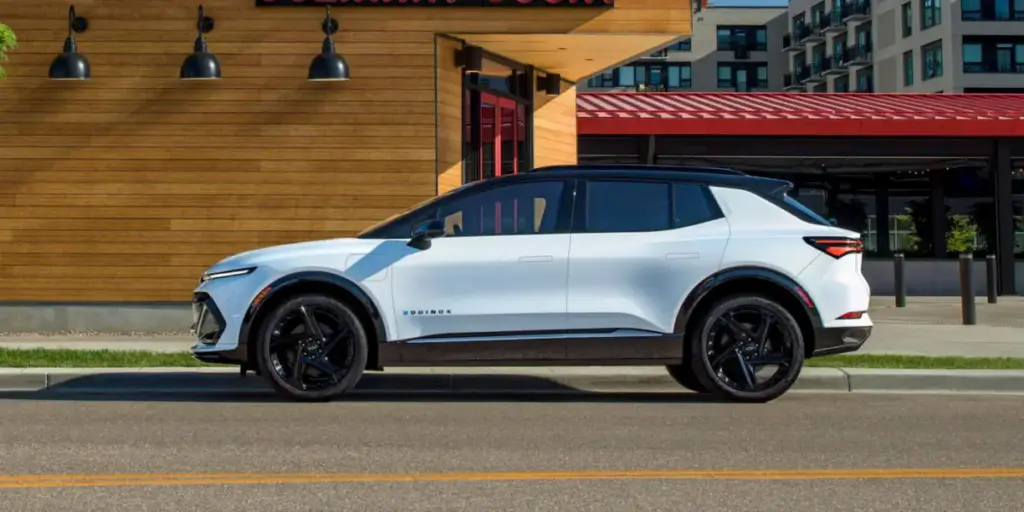
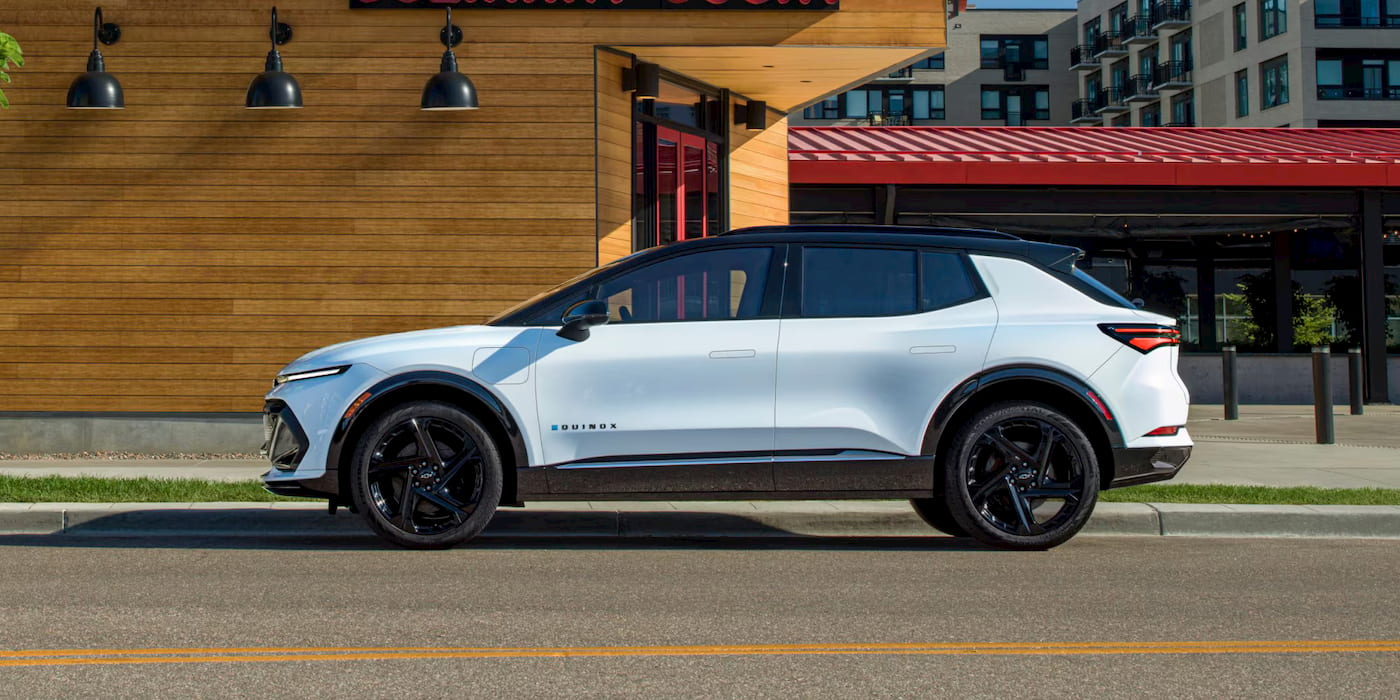
Legacy automakers, including General Motors, Ford, and various import brands, find themselves caught in a strategic squeeze. Companies that have invested heavily in dedicated EV architectures—such as GM’s Ultium platform—are ramping up production volumes on affordable models like the Chevrolet Equinox EV. To maintain momentum in a market where overall demand has temporarily softened, these legacy giants are absorbing the financial impact of higher incentive spending.

Conversely, luxury and premium EV manufacturers are discovering that discounting too heavily can dilute brand prestige. Tesla’s decision to let prices tick upward in February, even at the cost of short-term volume, suggests a calculated gamble: prioritizing margin preservation over sheer unit-moving volume while the broader market stabilizes.
Future Outlook: What Lies Ahead for the EV Market?
As the automotive industry looks past the February data toward the remainder of the year, several critical trends and variables will dictate the trajectory of electric vehicle pricing and sales.
1. The Proliferation of Sub-$40,000 Models
The primary catalyst required to truly close the price gap between EVs and ICE vehicles is not merely discounting existing models, but introducing inherently lower-cost vehicles from the ground up. Over the next 12 to 24 months, a wave of affordable electric crossovers, hatchbacks, and compact sedans is slated to hit showroom floors. As more automakers bring second- and third-generation EV platforms to market, the baseline average transaction price is expected to drift lower naturally, independent of temporary dealer incentives.
2. Regulatory Shifts and Policy Impacts
Government policy will continue to play an outsized role in shaping consumer behavior. Changes to federal tax credit guidelines, domestic sourcing requirements for battery minerals, and shifting state-level zero-emission vehicle (ZEV) mandates will force automakers to remain agile. Manufacturers that can successfully navigate these regulatory frameworks while maintaining competitive pricing will capture disproportionate market share.
3. Infrastructure Maturation
Pricing is only one variable in the consumer decision-making matrix. Range anxiety, charging reliability, and installation friction at multi-family dwellings or single-family homes remain significant deterrents for mainstream buyers. As solutions like home solar integration and expanded public fast-charging networks become more seamless, the overall value proposition of owning an electric vehicle will strengthen. Programs that streamline home energy upgrades—such as pre-vetted solar installation networks—are increasingly becoming part of the broader conversation around sustainable, cost-effective EV ownership.
Conclusion
The Kelley Blue Book data for February serves as a snapshot of a transition in motion. The convergence of falling EV prices and rising gas-car costs has brought the industry closer to genuine price parity than ever before. While short-term challenges—manifested in slumping overall sales volumes and record-high manufacturer incentives—demonstrate that the road to mass electrification is rarely linear, the underlying market fundamentals point toward a future where electric mobility is not a luxury option, but the default standard of modern transportation.