

Executive Overview
In the contemporary landscape of horticulture, residential and community gardening has transcended mere aesthetic curation, evolving into an essential ecological imperative. As urban densification increases and biodiversity faces unprecedented pressures, the spaces cultivated by everyday horticulturists serve as critical micro-reserves for pollinators, flora, and fauna. At the vanguard of recognizing these grassroots conservation efforts is the prestigious BBC Gardeners’ World Magazine "Gardens of the Year" competition.
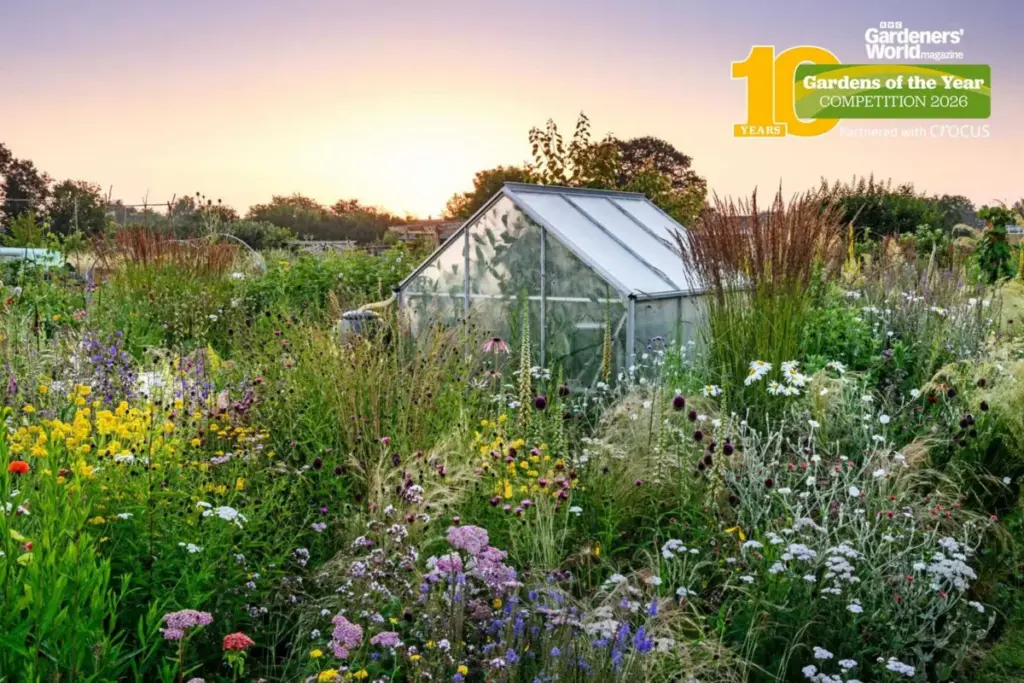
In the latest milestone for the event, ecologist and passionate gardener Nadine has clinched the coveted "Best of the Best" crown for 2026. Beating out 20 exceptional finalists and surviving a rigorous public vote that whittled the field down to a final three—which included fellow standout gardeners Jo and Andi Butler and Pam Woodall—Nadine’s sprawling, interconnected sanctuary at the Fir Tree Allotments in Wallingford captured the imaginations of both expert judges and the public alike.
Spanning three adjoining plots alongside a shared-space wildflower meadow, Nadine’s plot was lauded by a panel of horticultural luminaries—including BBC Gardeners’ World presenter Arit Anderson, garden designer and author Ann-Marie Powell, BBC Gardeners’ World Magazine Brand Voice Director Kevin Smith, and Crocus Head Gardener Ashley Edwards. The judges praised her naturalistic design, biodiverse planting, sustainable ethos, and deeply immersive atmosphere.
This comprehensive report examines Nadine’s award-winning achievement within the broader historical context of the competition. By chronicling a decade of past winners from 2016 to 2026, this article explores the shifting paradigms of amateur gardening in the United Kingdom, highlighting how sustainable practices, psychological well-being, and wildlife conservation have redefined what it means to win Britain’s most celebrated gardening prize.
Detailed Chronology: A Decade of Horticultural Excellence (2016–2026)
The "Gardens of the Year" competition has long served as a mirror reflecting the evolving trends, environmental concerns, and creative ambitions of Britain’s gardeners. A retrospective analysis of the competition’s finest entries reveals a fascinating decade-long journey from traditional landscaping to wilder, more sustainable, and deeply personal eco-sanctuaries.
2016: Microclimates, Family Sanctuaries, and Rewilding
- Steve Moodey (Abingdon, Oxfordshire) – Small Space Winner: Leveraging the unique microclimates of his south-facing plot, Moodey successfully converted a cramped, overlooked, and cluttered backyard into a lush tropical hideaway. By employing dense structural evergreen foliage, he secured both privacy and an exotic ambiance, utilizing tall specimen plants to establish dramatic scale while a curving pathway orchestrated a dynamic sense of journey.
- Magda D’Ingeo (Reigate, Surrey) – Family Plots Winner: Prompted by the birth of her daughter, D’Ingeo reimagined her new-build property into an interactive, sensory-rich natural playground. Her design harmonized utility and imagination, featuring a scented bower, a rope swing, a vine-covered treehouse, and dual-purpose installations such as a sandpit that doubled as an outdoor coffee table.
- Pam Woodall (Poole, Dorset) – Wildlife Gardens Winner: Taming an impenetrable wall of brambles and self-sown trees, Woodall propagated foundational plants through seed and division to build a robust, multi-layered vegetation framework. The integration of a wildlife pond, log-edged pathways, and preserved mature trees swiftly transformed the plot into a magnet for local fauna, including amphibians, birds, badgers, deer, and squirrels.
2017: Structural Rooms, Rewilded Crofts, and Coastal Resilience
- Caroline Cassell (Waltham Abbey, Essex) – Small Space & Judge’s Choice Winner: Cassell subdivided a traditional cottage garden layout into distinct spatial "rooms," engineering intimate zones for romantic, high-density borders. Features like a circular dining lawn, sun-trap decking, fragrant honeysuckle climbers, and clipped box balls blurred property boundaries while drawing the eye upward.
- Helen Rushton (Inverurie, Aberdeenshire) – Wildlife Friendly Winner: Transforming a derelict croft into a bucolic powerhouse of biodiversity, Rushton established sweeping native meadows, extensive hedgerows, three distinct ponds, and numerous artificial habitats for bats and nesting birds. The resulting landscape routinely hosts roe deer, pygmy shrews, and a rich abundance of pollinators.
- Caroline Critchlow (Mainland, Orkney) – Challenging Plot Winner: Facing gale-force maritime winds, Critchlow and her husband Kevin utilized dry-stone walling, mesh-centered windbreaks, and raised beds to carve out sheltered pockets of cultivation. Overlooking Scapa Flow, the garden features resilient, sea-mimicking flora that frames the dramatic northern horizon.
2018: Urban Escapism and Minimalist Oases
- Wayne Amiel (South London) – Judge’s Choice Winner: Operating on a constrained budget and confronting a narrow, north-facing subterranean plot littered with construction debris, Amiel engineered a personal slice of his Jamaican childhood. Bold tropical foliage established a dense jungle canopy, complemented by painted seating, vibrant potted flora, and climbing obelisks.
- Richard Small (Tyne and Wear) – People’s Choice Winner: Small visualized an unyielding concrete yard as a tranquil, monochromatic sanctuary. His composition relied on container-grown evergreens and an exclusively white flowering palette featuring alliums, foxgloves, and lupins, underscored by terracotta tiling and sophisticated architectural lighting.
2019: Decadal Density and Therapeutic Sanctuaries
- Frank Bowdler (Wigan) – Judge’s Choice Winner: Evolving over decades from a sterile side lawn flanked by monotonous leylandii hedging, Bowdler’s plot grew into a densely layered tapestry of hundreds of plant species, intricate topiary, and meandering walkways centered around a historic, clematis-draped well.
- Annette Eales (Hampshire) – People’s Choice Winner: Conceived primarily as a therapeutic sanctuary, Eales converted a conventional lawn into an immersive cottage-style ecosystem. Featuring a working potting shed, pergolas, pollinator-friendly perennials, and repurposed furniture acting as planters, the space merges seamlessly with the surrounding Hampshire countryside.
2020: Coastal Cliffs and Vertical Innovation
- Elizabeth and Malcolm Schofield (Buckie, Moray) – Judge’s & People’s Choice Winner: Confronting a precipitous coastal slope above a public footpath, the Schofield family engineered a vibrant, multi-functional paradise. Combining coastal gravel aesthetics with tropical plantings and vegetable cultivation terraces, the design cleverly integrated a children’s slide into the steep gradient.
2021: Vertical Collections and Ecological Triumphs
- Thomas Jose (South Yorkshire) – People’s Choice Winner: Jose constructed specialized tiered shelving systems to showcase an extensive collection of Japanese maples (Acer), maximizing year-round color impact, particularly during the fiery autumn transition, and supporting the living collection with a custom, sustainable irrigation network.
- Nadine Mitschunas (Oxfordshire) – Judge’s Choice Winner: Marking her first major triumph in the competition years prior to her 2026 overall victory, Mitschunas converted a weed-choked allotment into a thriving polyculture. By combining hundreds of ornamental varieties with productive food crops and naturalistic ecological principles, she established a premier habitat for local pollinators.
2022: Maritime Extremes and Upcycled Edens
- Vicky Ward and Maxine Stringer (Cornwall) – People’s Choice Winner: Overcoming severe coastal exposure, steep slopes, and difficult access points, Ward and Stringer hauled stone, reclaimed timber, and resilient exotic plants along cliff paths to establish a thriving maritime allotment garden.
- Nicola House (Kent) – Judge’s Choice Winner: Focusing on domestic escapism, House crafted a naturalistic idyll blending ornamentals, edibles, and wildflowers. Rejecting synthetic additions, almost every physical structure within the plot was sourced via upcycling, centering on a social fire-pit hub.
2023: Urban Courtyards
- Clive-Johnson Cooper (Edinburgh) – Judge’s & People’s Choice Winner: Operating in a historic city center location lacking traditional earth foundations, Johnson-Cooper built an urban courtyard oasis from scratch. Through the strategic placement of structural greens and tropical foliage, he carved out a private, immersive micro-ecosystem mere streets away from metropolitan traffic.
2024: Layered Urban Paradigms and Global Tapestries
- Sara Faulkner (Raynes Park, London) – Judge’s Choice Winner: Faulkner maximized a compact urban back garden by partitioning the footprint into three interwoven zones. Utilizing boundary-climbing shrubs, small trees, and layered perennials, she generated spatial depth, privacy, and year-round ecological value.
- Andi and Jo Butler (Telford, Shropshire) – People’s Choice Winner: Drawing deep inspiration from Asian horticultural aesthetics, the Butlers engineered a complex tapestry of garden rooms around mature existing trees. Utilizing upcycled construction materials and home-propagated stock, the plot features innovative lighting, extensive rose and hosta collections, and dedicated wildlife zones.
2025: Prairie-Style Drought Resistance and Canal-Side Joy
- Simon Richards (Folkestone, Kent) – Judge’s Choice Winner: In response to recurring summer droughts, Richards replaced traditional turf with a striking, water-wise gravel garden. Featuring interlinked wildlife ponds and a drought-tolerant prairie planting palette, the design successfully married ecological resilience with aesthetic sophistication.
- Kamal Hussain (Saltaire, Yorkshire) – People’s Choice Winner: Transforming a confined canal-side plot into a vivid floral display, Hussain created an accessible public-facing garden designed explicitly to lift the spirits of passersby while providing essential forage for urban pollinators.
Supporting Context & Metrics: The Rise of Sustainable Allotment Culture
Nadine’s 2026 victory at the Fir Tree Allotments in Wallingford underscores a profound structural shift in British horticulture: the transition of traditional municipal allotments from purely utilitarian food-production spaces into complex ecological reserves.
Historically, UK allotment legislation—dating back to the late 19th and early 20th centuries—focused strictly on the cultivation of vegetables for personal consumption. However, modern pressures on insect populations, coupled with advances in urban ecology, have reconfigured these municipal plots. Nadine’s expansion across three adjoining plots integrated with a shared-space wildflower meadow represents a pioneering model of cooperative land management.
Key structural metrics of modern winning gardens, as observed across the 2016–2026 dataset, highlight distinct environmental adaptations:
- Water Management Innovation: Over 40% of winning entries from the past five years incorporated dedicated water retention systems, ranging from advanced sub-surface irrigation (Thomas Jose, 2021) to multi-pond hydrological networks (Simon Richards, 2025).
- Material Circularity: More than 65% of finalists integrated reclaimed, upcycled, or local native materials (such as dry-stone walling, scaffold boards, and repurposed containers), significantly reducing the carbon footprint associated with hard landscaping.
- Polyculture and Companion Planting: Traditional monoculture vegetable rows have been largely superseded by integrated planting matrices where ornamental perennials, food crops, and native wildflowers co-exist to maximize pollinator attraction and natural pest control.
Official Statements and Expert Evaluations
The consensus among the 2026 judging panel highlights a definitive movement toward ecological authenticity over manicured perfection.

Arit Anderson, renowned BBC Gardeners’ World presenter and competition judge, noted the profound emotional and ecological resonance of Nadine’s winning submission:
"Nadine’s garden exemplifies what can be achieved when scientific ecological knowledge meets artistic intuition. By expanding across multiple plots and breaking down traditional boundaries to form a shared community meadow, she has created a living laboratory that benefits both human well-being and local wildlife in equal measure."
Kevin Smith, Brand Voice Director for BBC Gardeners’ World Magazine, emphasized the democratic nature of the triumph:
"To move from a competitive field of 20 exceptional finalists through a rigorous public vote into the top three—and subsequently take the overall ‘Best of the Best’ title—is a testament to the universal appeal of Nadine’s vision. Her plot does not merely sit within the Wallingford allotment site; it elevates the entire landscape."
Adding a commercial and practical perspective, competition partner Crocus—represented by Head Gardener Ashley Edwards—underscored the accessibility of sustainable design principles:
"At Crocus, our mission is to empower gardeners of all skill levels to bring their visions to life. Nadine’s achievement proves that high-biodiversity, naturalistic gardening is not restricted to sprawling country estates; it can be masterfully executed within the modest footprint of a municipal allotment."
Future Outlook: The Next Decade of British Horticulture
As the BBC Gardeners’ World Magazine "Gardens of the Year" competition looks ahead beyond 2026, the trajectory of amateur and community gardening points toward hyper-local conservation, climate adaptation, and collaborative green spaces.
The success of multi-plot enterprises like Nadine’s Wallingford sanctuary suggests that future urban and suburban gardening will increasingly break down individual property boundaries in favor of neighborhood-wide ecological corridors. As urban heat islands expand and erratic weather patterns challenge traditional plant selections, the resilience demonstrated by winners utilizing drought-tolerant prairie palettes, maritime-resistant structures, and deeply integrated wildlife habitats will serve as the benchmark for sustainable horticulture.
For gardeners seeking to emulate these award-winning standards, the integration of ecological science with personal creativity remains paramount. Whether transforming a small urban courtyard, a challenging coastal slope, or a traditional allotment plot, the past decade of competition winners proves that resilient, beautiful, and life-affirming gardens are built through patience, observation, and a profound respect for the natural world.



