Across the sun-baked expanses and struggling municipalities of rural Texas, a quiet economic revolution is underway, fueled by an unlikely savior: the multi-billion-dollar data center industry. Facing severe budgetary constraints, crumbling civic infrastructure, and the looming fiscal cliff of property tax cuts, cash-strapped small towns are finding themselves on the receiving end of unprecedented corporate philanthropy. According to an extensive investigation and data analysis by The Texas Tribune, tech giants and infrastructure developers have poured more than $343 million into local Texas communities over the past year alone.
This vast capital injection is funding everything from high-tech school programs and emergency responder barbecues to multi-million-dollar water towers and hospital upgrades. Yet, this influx of corporate cash is far from an act of pure, selfless altruism. It represents a calculated, high-stakes charm offensive. Data center developers are moving rapidly into the Lone Star State to capitalize on generous state-level sales tax exemptions—projected to forgo at least $3 billion in state revenue over two years—while simultaneously battling deep-seated public skepticism.
With statewide polling revealing that 57% of Texans oppose data center construction in their communities due to fears of skyrocketing electric bills, strained water supplies, and resource depletion, these corporations are utilizing their bottomless bank accounts to win hearts, minds, and municipal permits. As local officials weigh the immediate survival of their towns against the long-term industrial footprint of big tech, a complex narrative of dependency, corporate benevolence, and systemic municipal vulnerability is emerging across rural America.
Detailed Chronology: From Crisis to Corporate Intervention
The collision between rural Texas infrastructure crises and the hyper-modern digital expansion of data centers has played out dramatically across several communities over the past few years, transforming local towns into testing grounds for corporate-municipal partnerships.
The Temple Devastation and the Rowan Infrastructure Pact
Two years ago, a catastrophic tornado ripped through Temple, a city of over 96,000 residents located 70 miles north of Austin. The storm left a trail of severe destruction, demolishing hundreds of homes, local businesses, and the beloved Sammons Community Center—a vital hub where senior citizens gathered for meals, swimming, and social programs. The total price tag for community recovery was estimated at a staggering $7.7 million.
Into this vacuum stepped Rowan Digital Infrastructure, a major developer planning a massive $4.2 billion data center campus comprising six facilities in East Temple. Recognizing the community’s acute vulnerability, Rowan announced a staggering $38 million investment package directed entirely toward public infrastructure. This included a $25 million contribution to the South Temple Water Infrastructure Capital Program and $10 million dedicated to an aquifer storage and recovery program.
Furthermore, when city leaders proposed a $15 million bond to rebuild the destroyed Sammons Community Center, Rowan pledged an additional $3 million conditional upon voter approval. For Temple Mayor Tim Davis, the company’s willingness to invest heavily in pre-revenue community needs signaled an authentic desire to forge a constructive partnership.
The Turkey Water Crisis and QTS Intervention
Further north in the Panhandle, the tiny town of Turkey—home to just 275 residents—faced an existential crisis when its aging municipal water tower failed completely. Residents were left entirely without running water for weeks, forcing temporary relocations. City Manager Lynette Findley noted that while locals had known for years that the infrastructure was on the brink of failure, the town’s microscopic annual operating budget of $500,000 made replacement impossible.
As local leaders scrambled for solutions, QTS Data Centers—a global data center developer operating within the county—stepped forward to fully underwrite the replacement of the water tower. The estimated cost of the project ranges between $3 million and $5 million, a monumental sum for a municipality of Turkey’s size. For Findley, the timing was serendipitous, transforming a potential municipal disaster into a cooperative lifeline.
Childress Under Boil-Water Notice
A similar drama unfolded in Childress, a town of 5,834 residents that endured a month-long mandatory boil-water notice driven by severe regional drought conditions and plummeting levels at Greenbelt Lake. Local officials issued a disaster declaration and began handing out bottled water to the elderly and vulnerable populations.
Employees from IREN, one of two data centers operating in the area, immediately mobilized to assist with water distribution. Meanwhile, a second data center company, Lancium, tackled the root cause of the crisis. Although Lancium draws zero water from Greenbelt Lake, the company operates independent wells tapping into the nearby Blaine Aquifer. Lancium initiated the construction of a 16-mile pipeline connecting its campus directly to the city’s Greenbelt storage tank, pledging to treat and deliver 1 million gallons of water daily to the municipality at zero cost to taxpayers.
Supporting Context & Metrics: The Price Tag of Public Relations
The financial footprint left by data center companies across Texas reveals an aggressive strategy of systemic integration. The $343 million tracked by The Texas Tribune—compiled from public meeting agendas, corporate press releases, and local official interviews—is widely considered an undercount due to the private nature of many corporate philanthropic gifts.
Key Financial Injections Across Texas:
Rowan Digital Infrastructure (Temple): $38 million total, including $25 million for South Temple Water Infrastructure, $10 million for aquifer storage, and a pledged $3 million for the Sammons Community Center rebuild.
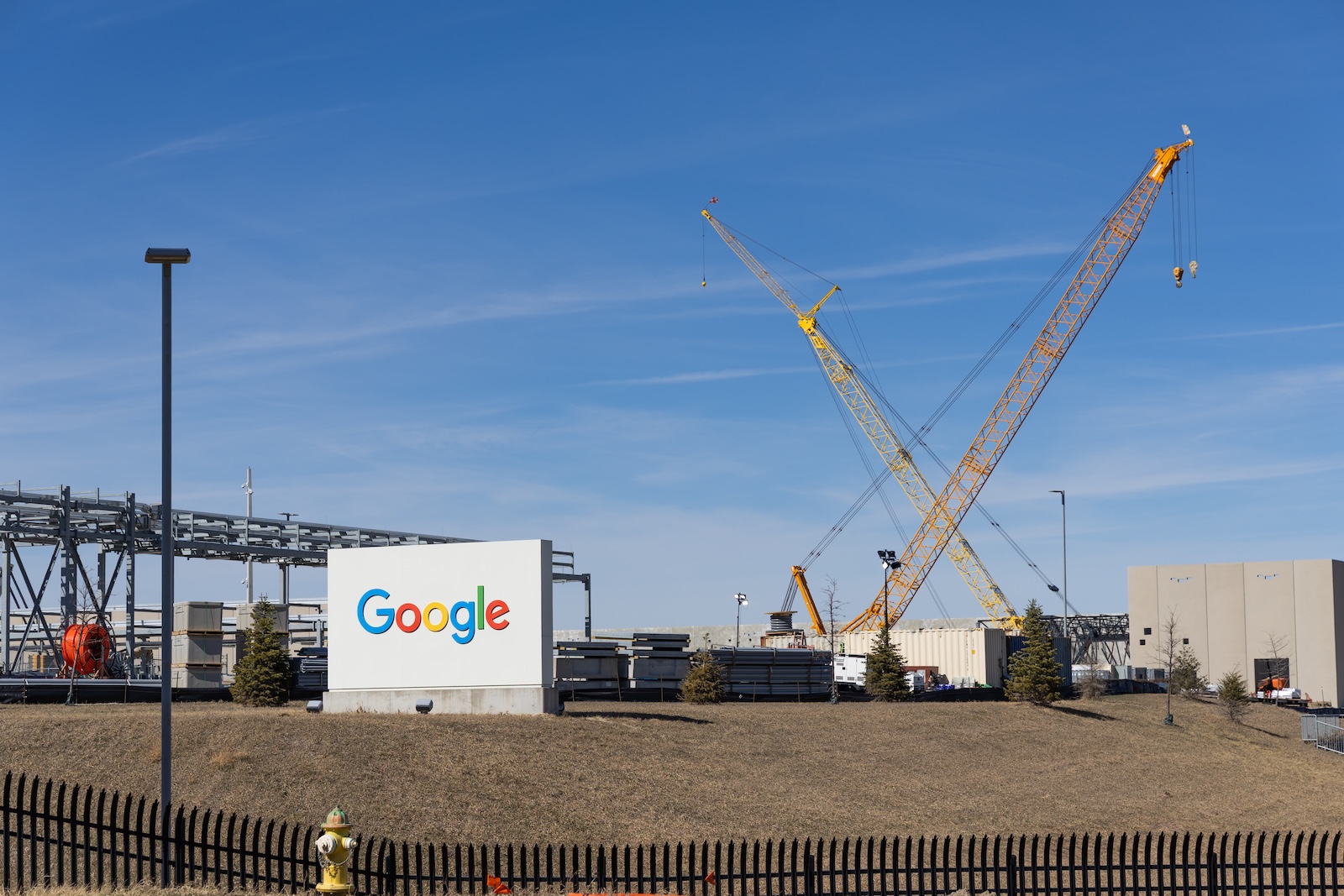
Google (Haskell, Stamford, Rule, Vernon): Multi-million-dollar contributions directed toward local hospitals, pregnancy centers, non-profit organizations, and a critical $4.5 million commitment to repair a leaking municipal pipeline in Vernon (population under 10,000).
QTS Data Centers (Turkey): $3 million to $5 million allocated for the complete replacement of the town’s failed municipal water tower.
Smaller Community Investments: Ranging from $400,000 for museum upgrades in Stamford to a modest $10,000 sponsorship for a first responders appreciation barbecue in Medina County.
The Tax Break Paradox
This charitable largesse exists in stark contrast to broader economic policies shaping the industry. A previous Texas Tribune analysis revealed that the State of Texas will forgo at least $3 billion in sales tax revenue over a two-year period due to targeted tax exemptions designed to lure the booming data center industry to the state.
While state lawmakers continue to implement property tax cuts and restrict municipal revenue-generating capabilities—pushing small towns toward a severe fiscal cliff—data center developers have effectively stepped in as corporate benefactors. They are simultaneously beneficiaries of massive state tax breaks and providers of the very public funds that cash-strapped local governments can no longer afford to raise independently.
Public Perception and the Backlash
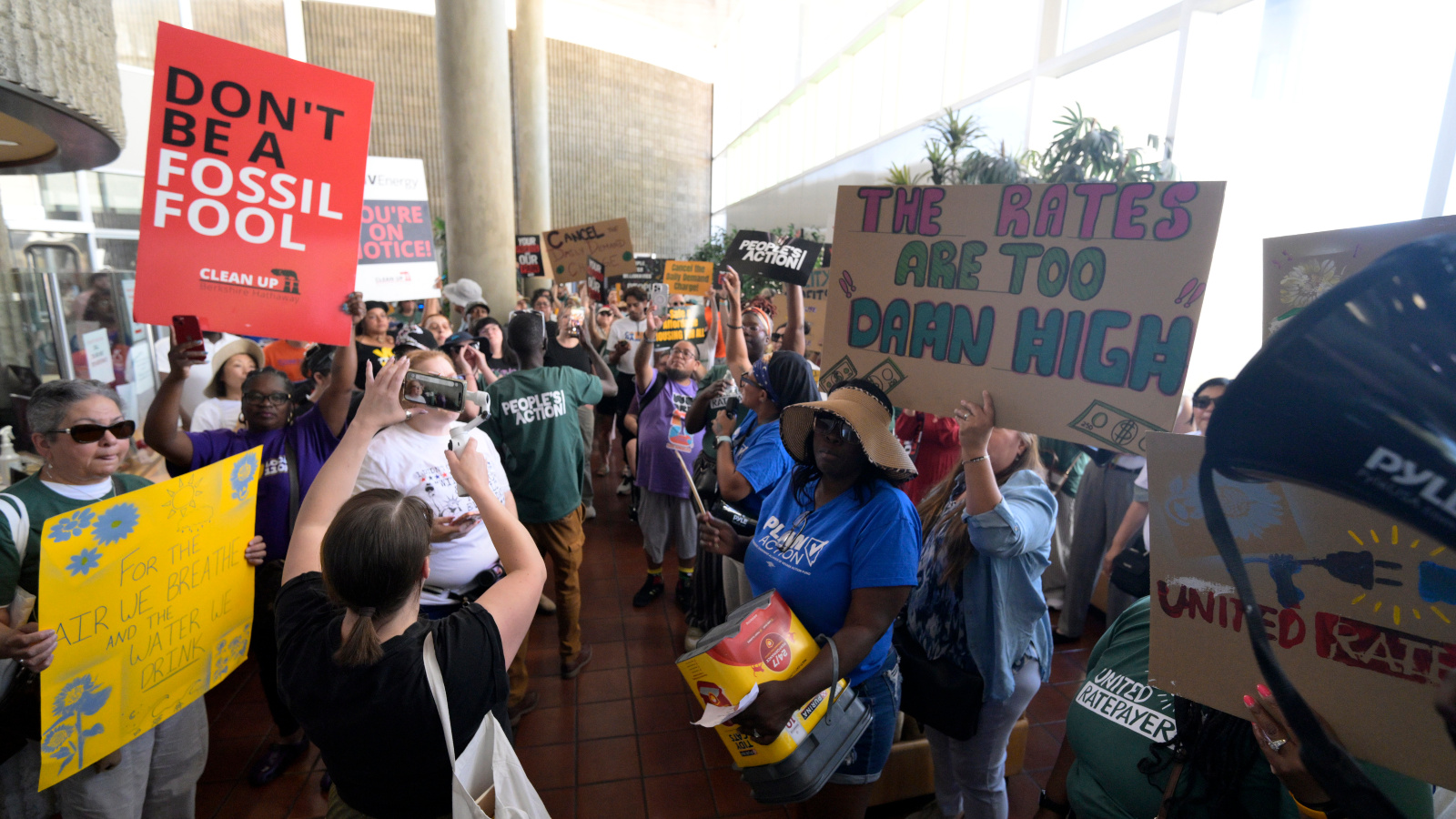
Despite these multi-million-dollar infusions of cash, public relations remain an uphill battle for tech giants. An August poll conducted by the Texas Politics Project found that 57% of surveyed Texans actively oppose the construction of a data center in their local communities. Fears regarding soaring residential electricity rates, heavy water consumption, and industrial noise have sparked fierce grassroots resistance.
In East Texas, a major data center development was completely scrapped following intense community backlash. Meanwhile, civic leaders in Lubbock instituted a 90-day moratorium on large-scale data center projects following a citizen-led petition demanding strict environmental and resource reviews.
Official Statements: Navigating Community Integration
Corporate executives and municipal leaders find themselves walking a delicate tightrope as they attempt to balance industrial expansion with local appeasement.
Nathaniel Brown, Director of Public Relations for Rowan Digital Infrastructure, readily admits that integrating high-tech facilities into rural Texas has been a formidable challenge. To bridge the gap, Rowan instituted monthly "neighbor dinners" where local residents can interface directly with construction teams, voice concerns, and ask technical questions alongside traditional public open houses and dedicated project update pages.
"This development doesn’t happen in a vacuum. It needs to be able to fit into the community’s vision for their area,"said Nathaniel Brown, Rowan Digital Infrastructure.
Google has mirrored this tactical approach, pairing community listening sessions with significant financial donations. Suzie Shin, manager of data center sustainability programs for Google, emphasizes that these infrastructure investments are designed to modernize shared resources—such as municipal water and wastewater systems—benefiting both the data centers and the broader citizenry.
"I think there’s a win-win for communities,"said Suzie Shin, Google Sustainability Manager."We have employees who live and work there. We are part of the community. It’s a great way to show the value and help improve outcomes, not only for the watershed but for the water users there."
Local municipal leaders, confronting harsh fiscal realities, express immense gratitude for corporate intervention while remaining pragmatic about the power dynamics at play. Kevin Hodges, City Manager of Childress, defends local data center operators against public criticism, highlighting their tangible contributions during severe resource shortages.
"They’re not taking, they’re providing,"said Kevin Hodges, Childress City Manager. Noting the impending legislative property tax restrictions that threaten municipal budgets, Hodges added, "If the ability to raise money is hampered, then those dollars have to come from somewhere. Or, a community simply delivers less services to its residents. And I don’t think that’s acceptable to them."
Suzanne Bellsnyder, a veteran newspaper editor, publisher, and rural issues commentator in the Texas Panhandle, captures the deeply conflicted sentiment of rural residents. While acknowledging the desperate need for capital in marginalized towns, she maintains a healthy dose of skepticism rooted in historical precedent.
"There is no question that these data centers are an opportunity for rural communities that are living in the margin,"Bellsnyder noted. However, she added a cautionary note regarding corporate motives: "I hope their intentions are good, and they’re not just trying to buy these communities off. I don’t want our entire identities to be built around what one company can provide to us. We still need to figure out ways to take care of our own business."
Future Outlook: The Long-Term Gamble for Rural Texas
As Texas cements its status as a primary national hub for artificial intelligence and cloud computing infrastructure, the relationship between rural municipalities and data center conglomerates will define the state’s economic landscape for decades to come.
The immediate future points toward an intensification of this transactional dynamic. With state legislators poised to enact further property tax limitations and fiscal restrictions on local governments, small towns will face mounting pressure to seek private sector partnerships just to maintain basic civic services like water treatment, road maintenance, and emergency response.
However, long-term risks loom large. Rural communities across Texas harbor deep generational memories of boom-and-bust industrial cycles—particularly tied to the oil and gas sector—where towns blossomed during resource booms only to experience severe economic abandonment when market conditions shifted or operations ceased. For data center host communities, the central question is whether multi-billion-dollar tech campuses will evolve into sustainable, integrated economic partners or leave behind concentrated industrial footprints with fragile local tax bases once the current technological gold rush matures.
For now, cash-strapped city managers and grateful mayors are willing to accept the billions, viewing corporate philanthropy as a pragmatic shield against municipal collapse. Whether this billion-dollar charm offensive ultimately secures lasting community trust or merely papers over profound structural vulnerabilities remains the definitive test for rural Texas in the digital age.