

Executive Overview
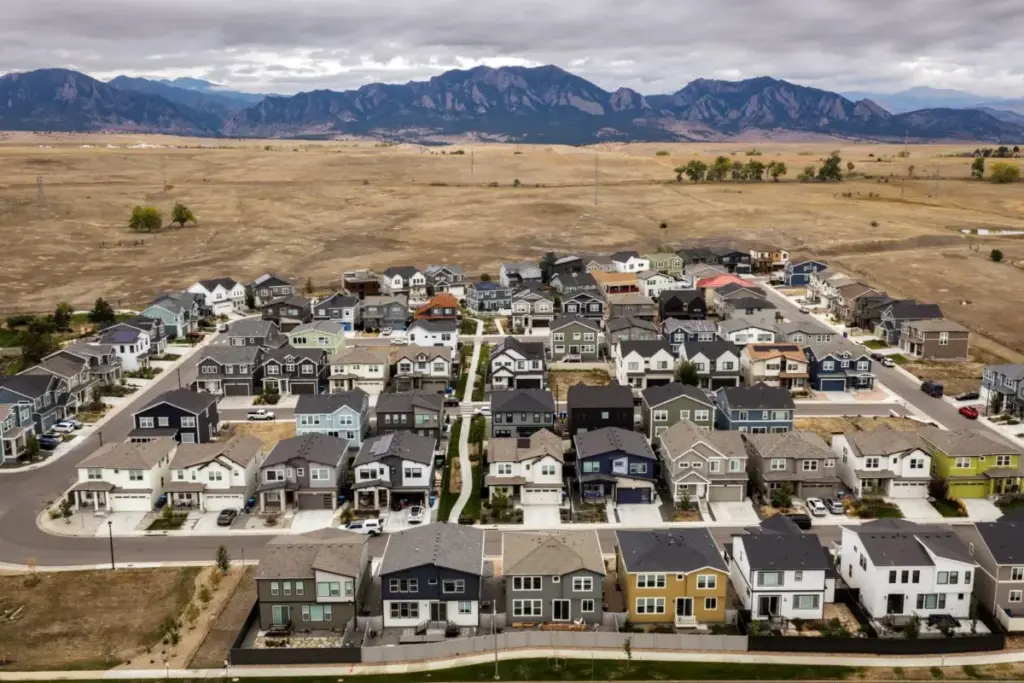
The United States Supreme Court opened its 2026–2027 term with a high-stakes legal showdown that could fundamentally reshape the landscape of corporate and environmental accountability. At the center of the docket is a sweeping lawsuit filed by Boulder, Colorado, against fossil fuel giants ExxonMobil and Suncor, a major Canadian energy company. The municipality is seeking financial compensation for the mounting, localized costs of managing a rapidly warming planet—expenses that include disaster recovery, infrastructure reinforcement, and long-term adaptation strategies.
This case is far from an isolated local dispute. It sits at the vanguard of dozens of similar legal actions filed by municipalities, counties, and states across the United States. These local governments are increasingly turning to the civil justice system to hold oil and gas companies accountable for their historic roles in driving global climate change.
During two hours of intense oral arguments, the Supreme Court justices offered no definitive indicators of how they intend to rule. However, they demonstrated a rare moment of ideological unison on one foundational point: identifying and assigning legal liability for the systemic, cumulative impacts of global climate change is an exceptionally complex and consequential undertaking.
While the energy companies argue that such cross-border and global matters belong exclusively in the halls of Congress and the executive branch, local communities maintain that traditional state-level tort and consumer protection laws provide a valid mechanism to recover damages for corporate deception. The court’s ultimate decision—expected months from now—will likely dictate the viability of climate liability litigation nationwide, answering the pivotal question of whether fossil fuel producers must bear the financial burdens of the damages their products have caused.
Detailed Chronology of the Case
From Local Courts to the Federal Stage
The legal journey that brought Boulder to the steps of the Supreme Court began years prior in the Colorado state court system. Boulder County and the city of Boulder, facing escalating climate-related threats—including devastating wildfires like the catastrophic Marshall Fire that leveled entire neighborhoods in suburban Boulder County—sought legal recourse against major greenhouse gas producers. Rather than fighting the litigation on its merits within Colorado’s jurisdiction, the defendant energy companies, led by ExxonMobil and Suncor, aggressively petitioned the federal judiciary to intervene.
The energy companies argued that climate change is, by its very nature, an interstate and international phenomenon that cannot and should not be regulated or litigated piecemeal through state courts. They maintained that allowing state-level judges and juries to sit in judgment of global energy markets violates constitutional principles of federalism and separation of powers.
Boulder, conversely, petitioned the Supreme Court to reject the fossil fuel industry’s federal preemption arguments and remand the case back to Colorado state courts, allowing the litigation to proceed toward trial.
The Supreme Court Arguments: A Clash of Legal Philosophies
With Justice Samuel Alito recusing himself from the proceedings—reportedly following scrutiny over unrelated family investments in the energy sector—an eight-member bench heard oral arguments on the opening Monday of the term.
Throughout the two-hour session, justices from across the ideological spectrum expressed frustration with the layers of legal abstraction surrounding the case. Multiple justices posed variations of the question, "Why make this argument so complex?" yet found little consensus on what a simplified framework would look like.
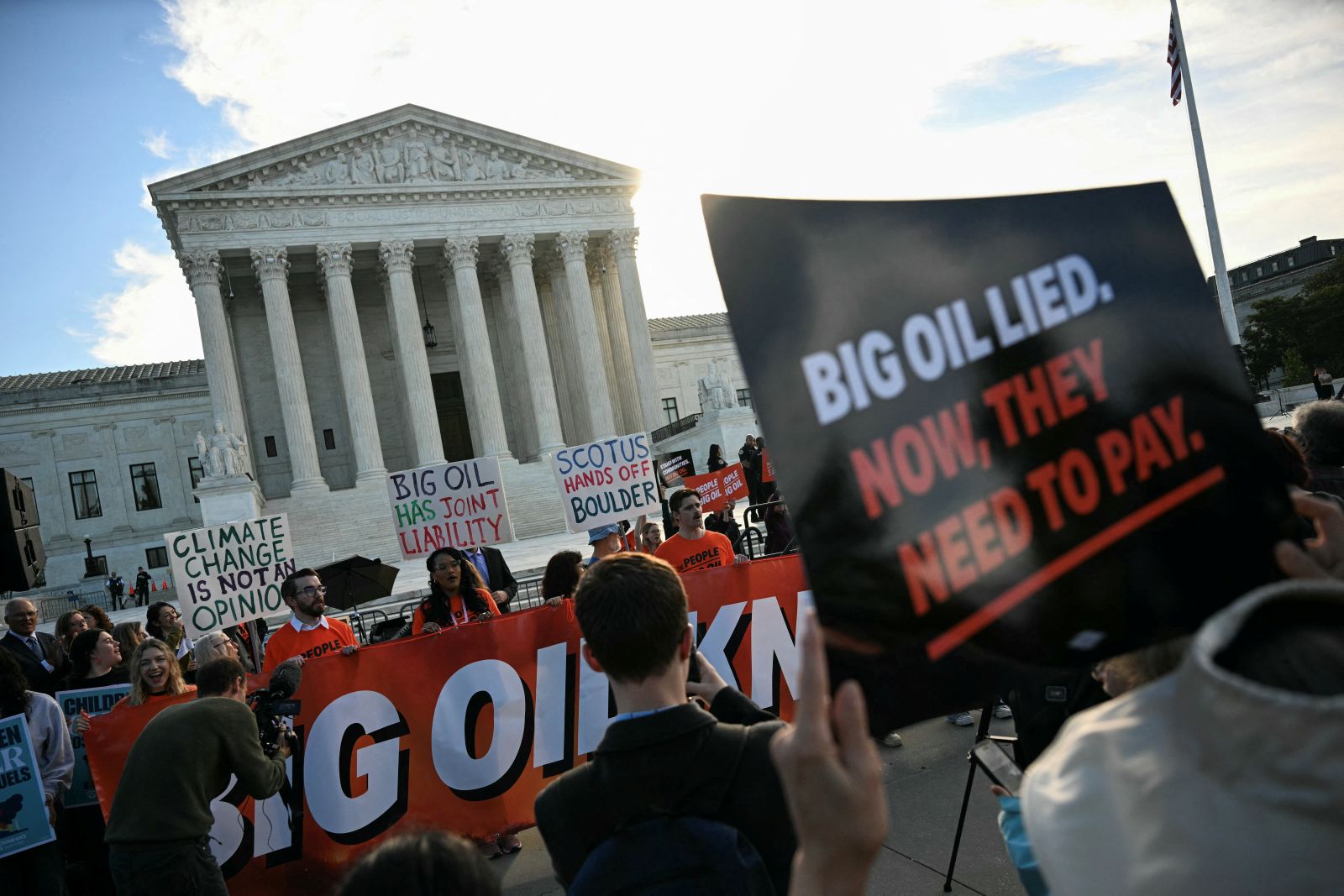
The defense, represented by attorney Kannon Shanmugam, framed Boulder’s lawsuit as an unprecedented and dangerous overreach of state authority. Shanmugam argued that if the lawsuit were permitted to advance, it would establish a chaotic precedent whereby individual state courts could effectively police and regulate global energy conduct.
"This case involves an unprecedented effort to use state law to regulate global conduct," Shanmugam told the bench, adding for emphasis: "Boulder could tag me […] when I am in Colorado in two weeks and sue me on a nuisance claim for refilling my car and thereby contributing to global climate change."
Justice Brett Kavanaugh appeared largely sympathetic to this framing. He explicitly drew a parallel between allowing a state court to award climate damages and granting that state the regulatory power to dictate greenhouse gas emissions worldwide. Kavanaugh warned that the financial exposure facing the oil and gas sector could be catastrophic, noting that cumulative judgments across multiple jurisdictions could potentially bankrupt several major firms.
Supporting Context & Metrics: The Mechanics of the Lawsuit
The Deception Theory vs. Emissions Regulation
A critical friction point during the arguments centered on the fundamental intent of Boulder’s legal strategy. Defense attorneys and several conservative justices repeatedly characterized the lawsuit as a backdoor attempt to force a reduction in greenhouse gas emissions. Under this interpretation, state courts would functionally become environmental regulators, dictating production caps and penalizing energy extraction.
However, Boulder’s legal team, led by attorney Kevin Russell, pushed back vigorously against this characterization. Russell argued that the city’s lawsuit is not designed to halt fossil fuel production, nor is it an injunction demanding an immediate cessation of oil and gas combustion. Instead, Boulder’s case is rooted in a consumer protection and public nuisance framework: alleging that fossil fuel companies spent decades actively deceiving the public and downplaying the known climate risks of their products, even as their own internal scientists warned of impending ecological crises.
To illustrate this legal distinction, Justice Elena Kagan drew a direct comparison to the landmark tobacco litigation of the 1990s. In those historic suits, state attorneys general successfully sued major cigarette manufacturers to recoup soaring public healthcare costs linked to smoking-related illnesses. The tobacco settlements did not outlaw the sale of cigarettes; rather, they forced companies to alter their deceptive marketing practices, fund public health awareness campaigns, and internalize a portion of the societal costs associated with their products.
"This is not an effort to reduce emissions," Russell asserted during oral arguments. "Under our deception theory, they can continue to produce as much fossil fuels as they like and contribute to as much air pollution and greenhouse gas emissions as the market will bear when consumers are properly informed about the consequences of that decision. It doesn’t prohibit them from engaging in the conduct. It requires them to internalize a portion of the cost of their activities by paying for some of the damage."
Financial Exposure and the "Floodgates" Argument
The energy industry has made no secret of the existential financial threat it believes these lawsuits represent. Major corporate defendants, including Suncor, have explicitly warned their shareholders that the proliferation of climate accountability litigation poses a material risk to their bottom lines and long-term capital stability.
Shanmugam underscored this point by warning the justices of an impending legal avalanche. With new lawsuits being filed by municipal and state governments almost weekly—each seeking billions of dollars in damages—Shanmugam argued that the Supreme Court must provide definitive clarity to prevent widespread judicial chaos.
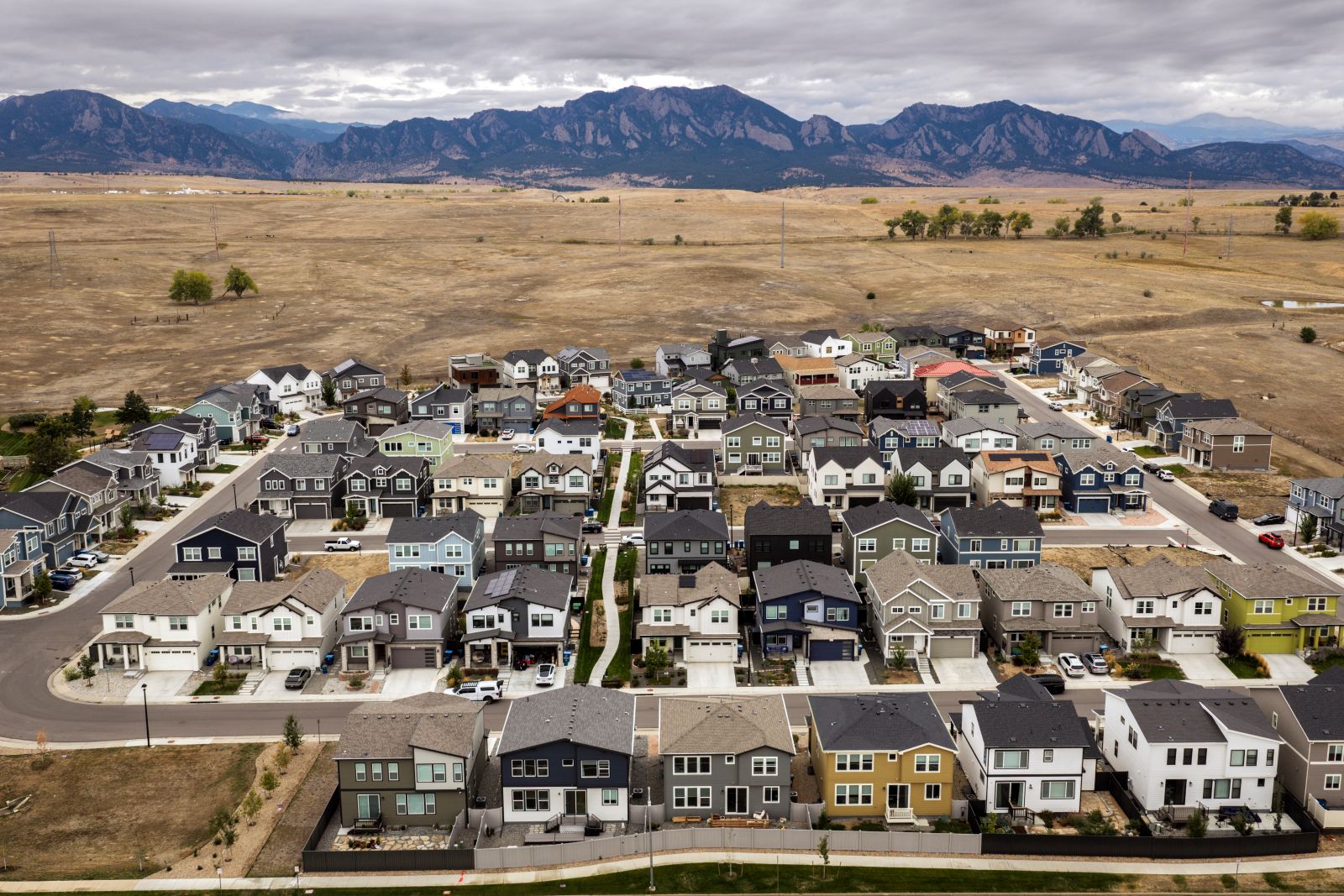
Legal experts note that the financial stakes extend far beyond the immediate parties. Erika Kranz, an attorney with Harvard Law School’s Environmental and Energy Law Program, noted that local governments nationwide are utilizing diverse legal theories to recoup climate adaptation costs. Whether these secondary and tertiary lawsuits survive judicial scrutiny will depend heavily on the precise statutory and constitutional rationale the Supreme Court employs in its eventual ruling.
Official Statements & Expert Analysis
Legal scholars and policy analysts monitoring the October term have emphasized the profound ambiguity of the justices’ questioning.
Chris Winter, executive director of the Getches-Wilkinson Center at the University of Colorado Law School, observed that while it remains difficult to definitively gauge the ultimate voting alignment of the bench, the pointed focus on corporate financial exposure reveals deep institutional anxiety among conservative jurists.
"There’s a lot of concern from the oil industry, from corporate actors, and from the conservative justices about the significant consequences of these cases," Winter noted. "One way to get at that is to equate this case with previous cases, which were much more directly about regulation of pollution."
To prevail, Winter and other legal observers argue that Boulder’s legal team must successfully de-couple the concept of financial restitution from regulatory overreach. They must convince the high court that holding a corporation financially liable for deceptive marketing and localized infrastructure damages does not equate to a state court unconstitutionally setting national or international environmental policy.
Conversely, industry defenders maintain that separating the two concepts is a legal fiction. In their view, any court-ordered financial penalty steep enough to alter corporate behavior or absorb infrastructure costs functions inherently as a regulatory tax on energy production—a power they argue is constitutionally reserved for the federal legislature.
Future Outlook: Potential Pathways and Implications
As the Supreme Court takes its customary months to deliberate, draft, and refine its opinion, legal analysts are mapping out several plausible outcomes:
- A Remand to Colorado: The court could rule that the federal judiciary lacks jurisdiction or that the preemption arguments brought by the oil companies are premature, sending the case back to Colorado state courts to proceed toward a trial.
- A 4-4 Deadlock: Due to Justice Alito’s recusal, a tied vote among the remaining eight justices would automatically affirm the lower court’s decision allowing the Boulder lawsuit to proceed, though it would fail to establish a unifying nationwide binding precedent.
- Broad Federal Preemption: The court could issue a sweeping ruling in favor of ExxonMobil and Suncor, establishing that federal statutes—such as the Clean Air Act—preempt state-level tort claims regarding global climate change. Such a ruling would effectively terminate Boulder’s lawsuit and preemptively strike down dozens of analogous climate liability cases pending across the United States.
- Narrow Procedural Ruling: The justices could issue a narrow, fact-specific decision that addresses only specific procedural questions regarding jurisdiction or removal, leaving broader questions of corporate climate liability largely unresolved for future litigation.
Regardless of the legal mechanism the court ultimately chooses, the reverberations of this term’s opening case will be felt across corporate boardrooms, municipal planning departments, and legislative chambers for years to come. As extreme weather events continue to strain local budgets and amplify the human toll of a changing climate, the judiciary’s impending decision will determine whether the fossil fuel industry shares in the fiscal reality of the crisis, or whether those costs remain exclusively on the shoulders of taxpayers.



