

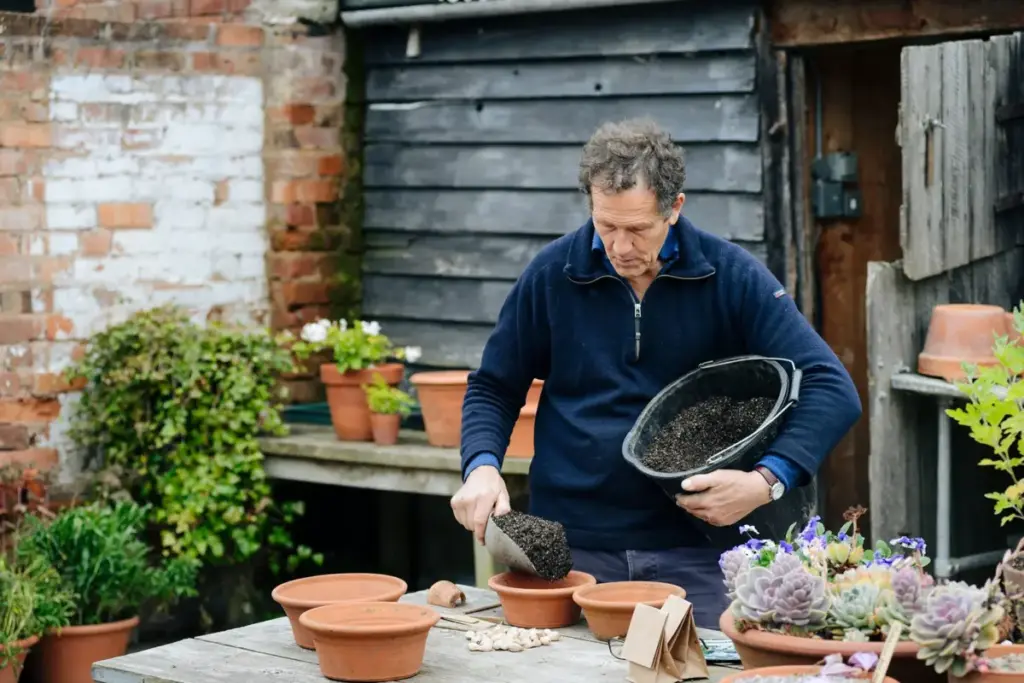
Executive Overview
As the crisp winds of autumn sweep across the landscape and daylight hours noticeably shorten, the rhythm of the garden shifts dramatically. October is a pivotal month of transition—a bridge connecting the vibrant, high-energy productivity of summer with the necessary, restorative dormancy of winter. Far from signaling the end of a gardener’s labors, this month demands a strategic, hands-on approach to secure the health of perennial plantings, protect delicate harvests, maintain vital infrastructure, and lay the robust groundwork for next year’s blooming cycles.
To help green-penned enthusiasts navigate this critical seasonal pivot, Gardeners’ World has released its definitive October checklist. This comprehensive guide spans multiple disciplines within horticulture, detailing essential interventions for flowers, fruits and vegetables, household greenery, greenhouse management, and fundamental property maintenance. Additionally, savvy gardeners can leverage timely autumn promotions—ranging from woodland bulb duos to specialized winter-hardy alliums and exclusive bulb discounts—to future-proof their green spaces. This report explores the core tenets of the October garden maintenance schedule, offering deep-dive guidance on executing these crucial seasonal tasks with professional precision.

Detailed Chronology: Week-by-Week October Action Plan
Executing garden tasks at the exact right juncture in autumn can mean the difference between a thriving spring landscape and a season of struggle against rot, frost, and pests. The October workload is best approached systematically.
[Early October: Harvest & Protection]
       │
       ▼
[Mid October: Propagation & Clean-Up]
       │
       ▼
[Late October: Infrastructure & Planting]
Early October: Securing the Harvest and Managing the Elements
The primary objective at the onset of October is safeguarding remaining outdoor yields and shielding sensitive plants from the year’s first impending frosts.

- Pumpkin and Squash Management: As night temperatures plummet, pumpkins and winter squashes left directly on damp soil are increasingly vulnerable to fungal diseases and rotting. Gardeners must act swiftly to elevate these ripening gourds off the ground. Placing them on upturned plant saucers, slates, or wooden boards allows air circulation underneath and keeps the fruit dry, ensuring maximum sweetness and extended storage potential.
- Monitoring the Greenhouse: Transitioning from the heavy watering schedules of summer, greenhouse managers must scale back hydration and begin checking ventilation needs. Condensation buildup during chilly October nights can trigger devastating outbreaks of grey mold (Botrytis cinerea).
Mid October: Propagation and Structural Clean-Up
With the bulk of the harvest secured, attention turns toward propagation and winterizing essential systems.
- Taking Hardwood Cuttings: October offers an ideal window for propagating deciduous trees, shrubs, and climbers (such as roses, fruit bushes, and cornus) via hardwood cuttings. Unlike soft greenwood cuttings taken in summer, these woody stems are mature and dormant, allowing them to form strong root systems underground over the winter months without expending energy on leaf production.
- Water Butt Maintenance: Autumn delivers heavy, sustained rainfall, making functional rainwater collection systems indispensable. However, accumulated sludge, leaves, and organic debris over the spring and summer can clog valves and foster foul-smelling anaerobic bacteria. Cleaning and flushing water butts thoroughly before the heavy autumn rains arrive ensures a clean, abundant supply of soft water for the year ahead.
Late October: Leaf Harvesting and Soil Enrichment
As deciduous trees shed their brilliant canopies, the final weeks of October require intensive garden hygiene and soil conditioning.

- Making Leaf Mould: Fallen leaves represent an extraordinary, free resource for gardeners. Instead of bagging them up for municipal waste, leaves can be gathered and transformed into nutrient-rich, crumbly leaf mould using simple bin bags or wire mesh enclosures. Oak, beech, and hornbeam leaves break down exceptionally well, yielding a supreme soil conditioner that rivals commercial peat-free composts.
Supporting Context & Metrics: Horticultural Science Behind October Interventions
Understanding why these October tasks are vital elevates routine yard work to a science. Horticultural research highlights several key physiological shifts occurring in plants and ecosystems during mid-autumn.
The Mechanics of Hardwood Cuttings
Plant physiology dictates that deciduous species store high concentrations of carbohydrates in their stems at the end of the growing season. When a hardwood cutting is severed in October (typically 20–30 cm in length, cut just below a leaf node) and inserted into a sandy, free-draining trench or container, the plant redirects its remaining stored sugars toward callus formation and basal root development. Soil temperatures remain sufficiently warm throughout mid-autumn to stimulate root growth long before top-growth resumes in spring.

The Alchemy of Leaf Mould
Unlike standard compost, which requires a balanced ratio of "green" (nitrogen-rich) and "brown" (carbon-rich) materials and heats up via bacterial decomposition, leaf mould relies primarily on fungal breakdown. Fungi slowly digest the tough lignin and cellulose found in tree leaves over a 12-to-24-month period. The resulting medium has an exceptional capacity to retain moisture and improve soil structure, making it an invaluable addition to container plantings and seed composts.
Water Quality and Anaerobic Activity in Water Butts
Stagnant water butts often develop a foul, sulfurous odor caused by sulfur-reducing bacteria thriving in oxygen-depleted (anaerobic) environments created by decaying organic debris like pollen, dust, and trapped insects. Thoroughly scrubbing the interior with a stiff brush and eco-friendly disinfectant, then clearing the downpipe mesh filters, restores an aerobic environment and protects sensitive ericaceous plants from mineral-heavy tap water.

Expert Insights and Official Guidance
Industry leaders and horticultural experts emphasize that October is a season of preparation rather than passivity.
Sarah Gerrard-Jones, renowned houseplant expert and specialist podcaster, highlights the importance of transitioning indoor flora during this period. "As central heating clicks on and natural daylight hours dwindle, indoor plants face a sudden, stressful environmental shock," Gerrard-Jones notes. "October is the time to assess root health, pull back on feeding regimens, and reposition light-hungry species closer to unobstructed windows to prevent leggy, weak growth through the dark winter months."

Similarly, vegetable and fruit authorities point out that autumn planting is one of the best-kept secrets of high-yield gardening. Establishing garlic cloves, overwintering onions, and shallots in October allows these crops to establish a robust root system before winter dormancy. When spring arrives, they possess a massive head start over crops planted in March, resulting in larger, more flavorful bulbs and significantly reduced vulnerability to pests and rust.
Future Outlook: Planning Ahead for Spring Splendor
The actions taken in October cast a long shadow over the garden’s performance well into the next decade. By investing time today in tasks like leaf collection, greenhouse hygiene, and bulb cultivation, gardeners are directly engineering their landscape’s spring aesthetic.

┌───────────────────────────┬───────────────────────────────────┐
│ Action Taken in October   │ Resulting Spring Benefit          │
├───────────────────────────┼───────────────────────────────────┤
│ Raising Pumpkins          │ Unblemished fruit for storage     │
│ Hardwood Cuttings         │ Free, established shrubs & hedges │
│ Leaf Mould Production     │ Rich, moisture-retaining compost  │
│ Autumn Bulb/Allium Planting│ Early color & robust harvests    │
└───────────────────────────┴───────────────────────────────────┘
Furthermore, seasonal promotions coordinated through horticultural networks—such as the Woodland Garden Duo (snowdrops and bluebells for naturalizing under shaded tree canopies) and specialized onion, shallot, and garlic collections—empower gardeners to diversify their plots economically. Integrating these hardy perennials now ensures that as soon as the frost breaks in late winter, the garden bursts into an orchestrated sequence of color and productivity.
Ultimately, October teaches patience and strategic foresight. By embracing the checklist approach—covering everything from delicate greenhouse ferns and indoor rescues to heavy-duty leaf composting and vegetable ground-prep—gardeners ensure that their green spaces emerge from winter not depleted, but revitalized, resilient, and ready to flourish anew.



