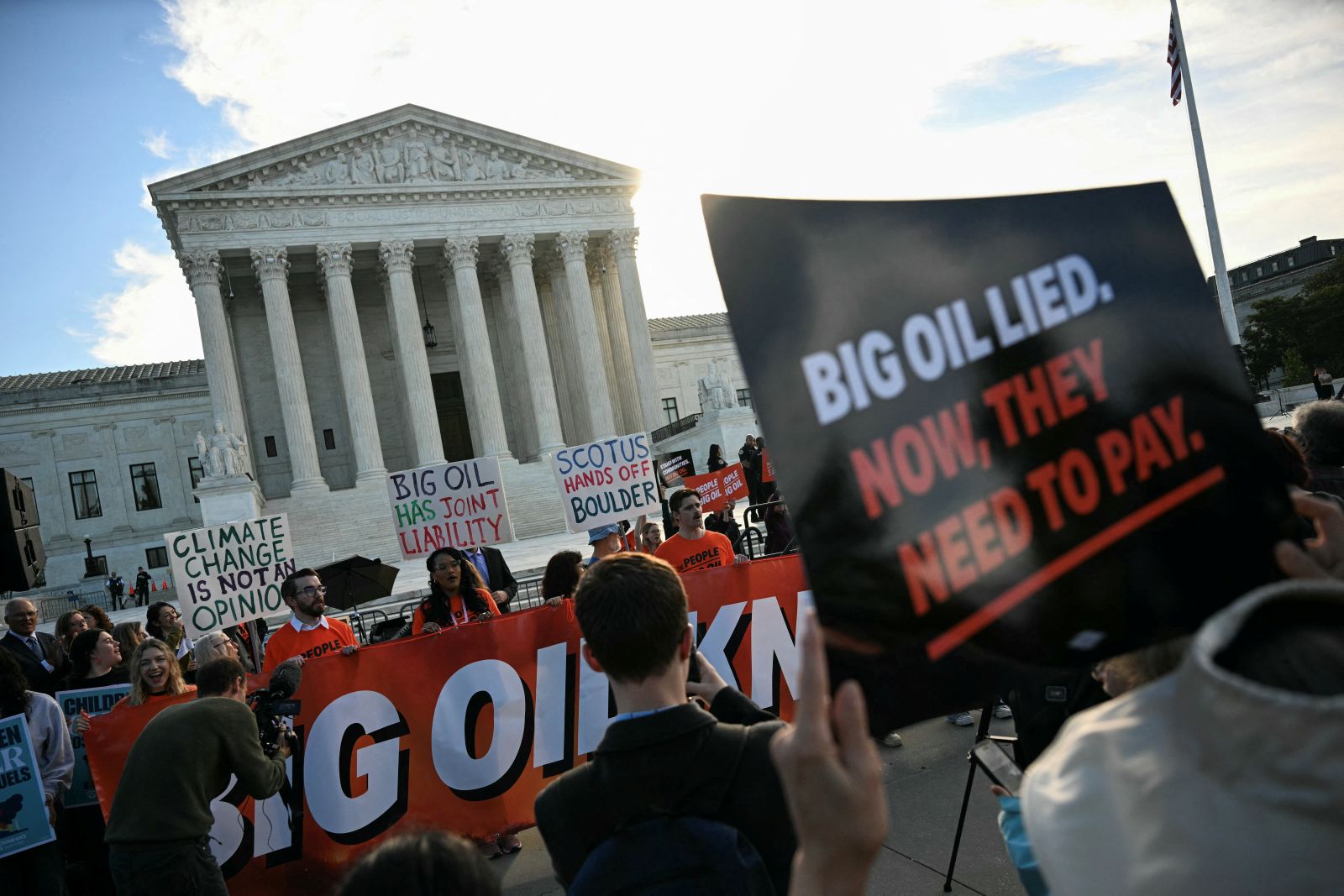
The Supreme Court officially opened its 2026–2027 term with high-stakes oral arguments in a landmark climate liability lawsuit that could fundamentally reshape the intersection of environmental law, corporate accountability, and state jurisdiction. At the center of the dispute is a lawsuit filed by Boulder, Colorado, against fossil fuel giants Exxon Mobil and Suncor, a Canadian energy corporation. The municipal government is seeking compensation for the mounting local economic and infrastructure costs driven by a warming planet—including damages related to extreme weather events, rising temperatures, and climate adaptation.
This high-profile litigation is not happening in a vacuum. It serves as a bellwether for dozens of similar lawsuits filed by local and state governments nationwide. These municipalities are attempting to hold major oil and gas companies financially accountable for their historical roles in driving global climate change through the production, marketing, and distribution of fossil fuels.
During a contentious two-hour session, the eight participating justices offered few definitive clues regarding their ultimate verdict. However, they demonstrated a striking consensus on one central dilemma: identifying and establishing legal liability for the systemic, cumulative impacts of global climate change is an extraordinarily complex and consequential task. While the energy industry’s legal representatives warned of an impending cascade of chaotic state-level litigation capable of destabilizing the global energy market, attorneys for Boulder countered that the case is fundamentally about consumer deception and corporate accountability, drawing direct parallels to historic litigation against the tobacco industry.
The high court’s impending decision, expected later in the term, will dictate whether Boulder’s lawsuit—and a sprawling national web of parallel climate accountability cases—can proceed in state courts, or if such sweeping cross-border grievances must be exclusively managed by the federal political branches.
Detailed Chronology of the Legal Battle
The legal road to the steps of the Supreme Court has been arduous, marked by years of procedural maneuvering between state and federal jurisdictions.
The Inception in Colorado Courts: The legal battle began when Boulder, alongside other local Colorado entities, filed a lawsuit in state court. The municipality targeted Exxon Mobil and Suncor, accusing them of public nuisance, failure to warn, and consumer deception. Boulder did not attempt to stop the extraction or combustion of fossil fuels; rather, it sought damages to help pay for local climate adaptation and infrastructure defense.
The Industry’s Federal Pivot: Seeking to escape the terrain of state-level courts, the fossil fuel defendants petitioned federal courts to remove the case. The oil companies argued that questions concerning global climate change, greenhouse gas emissions, and interstate pollution are inherently federal issues that transcend local courtrooms and belong exclusively within the purview of Congress and the White House.
The Supreme Court Steps In: Following conflicting lower court rulings across the country—many of which allowed municipal climate suits to proceed in state forums—Exxon Mobil and Suncor successfully petitioned the Supreme Court to grant certiorari. The oil majors urged the high court to establish a definitive nationwide rule preempting state-level climate nuisance suits.
Oral Arguments Open the 2026–2027 Term: The Supreme Court heard oral arguments on the first Monday of its 2026–2027 term. With Justice Samuel Alito recusing himself—reportedly amid scrutiny over personal investments in the energy sector—eight justices grappled with the profound constitutional and economic implications of allowing state courts to adjudicate planetary phenomena.
Supporting Context & Metrics: The Stakes of Municipal Climate Litigation
The legal battle in Washington, D.C., is underpinned by a rapidly expanding landscape of climate litigation across the United States. Across dozens of jurisdictions, cities, counties, and states have initiated legal proceedings against investor-owned fossil fuel companies. The metrics driving these lawsuits reflect a staggering financial burden falling squarely on local taxpayers:
Billions in Damages: Municipalities are collectively seeking billions of dollars to offset the costs of building sea walls, upgrading stormwater management systems, relocating vulnerable communities, and recovering from unprecedented climate-fueled disasters.
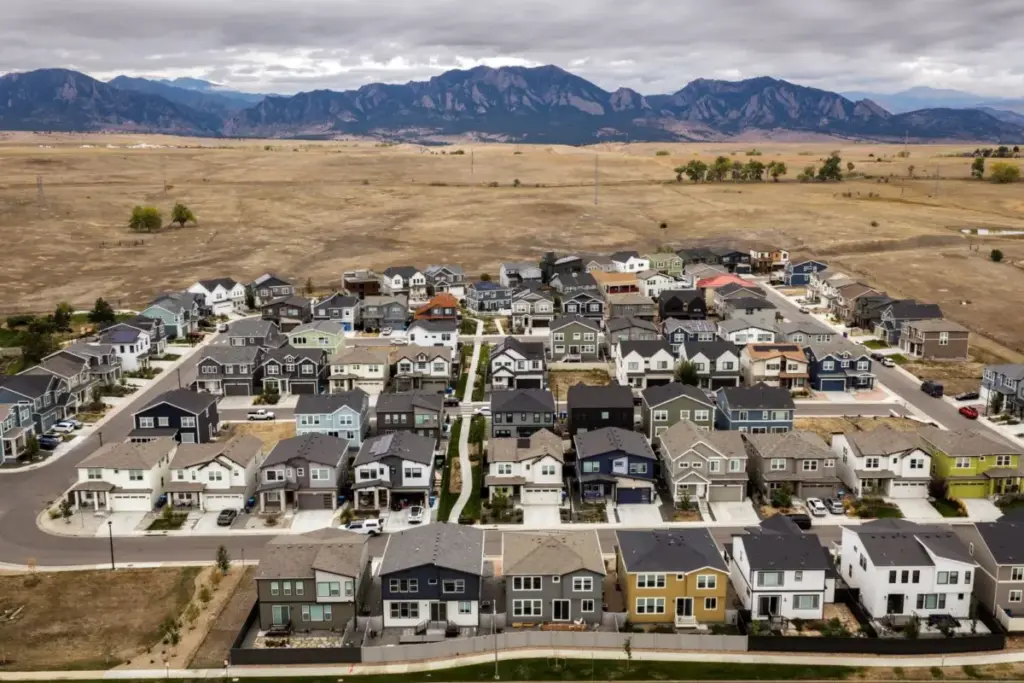
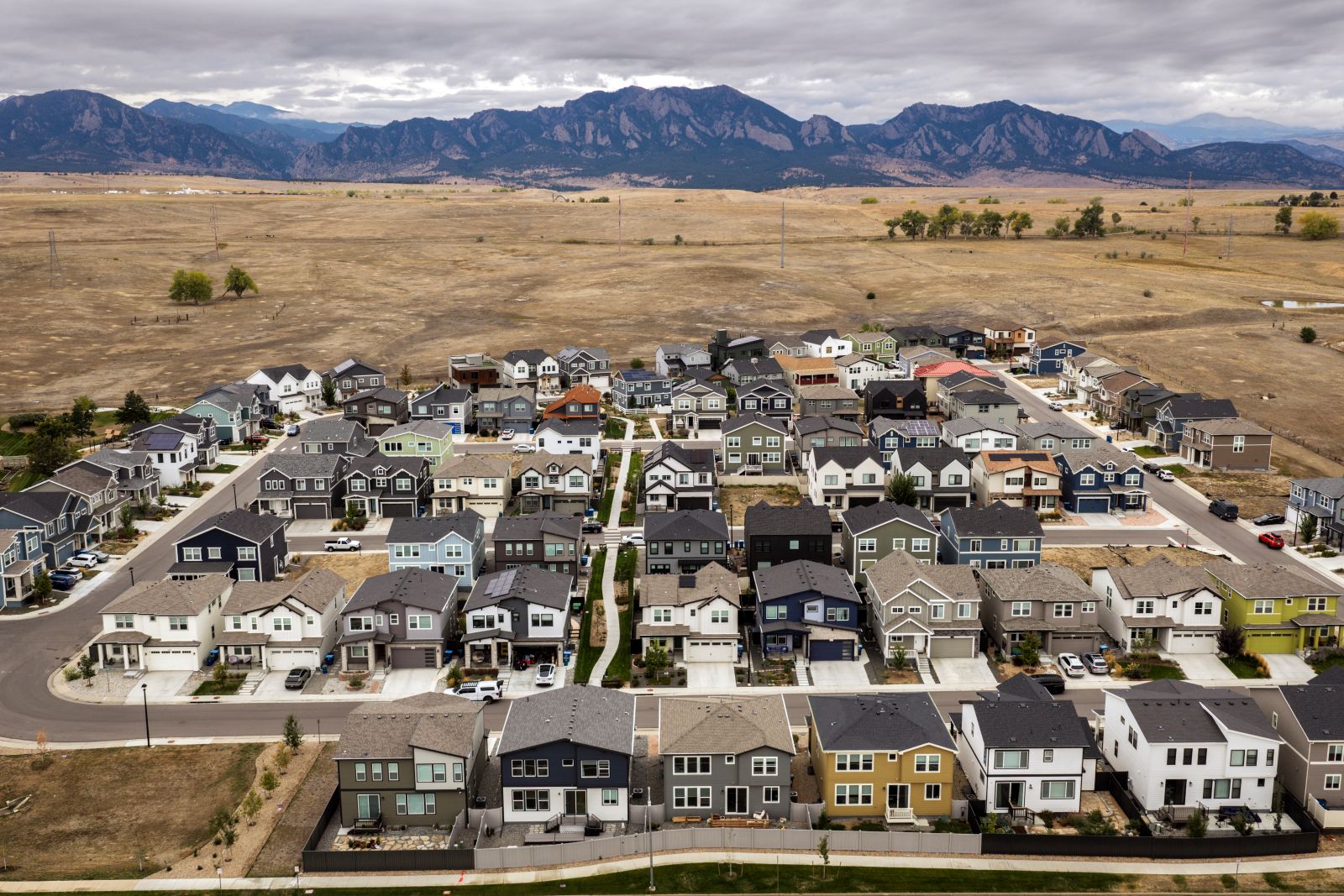
The Cost of Disasters: As exemplified by the devastating Marshall Fire in Boulder County—which wiped out entire neighborhoods now rebuilt in the shadow of the Rocky Mountains—local governments face spiraling emergency response and reconstruction costs linked to climate-intensified weather anomalies.
The Tobacco Precedent: Legal strategists for municipalities have increasingly modeled their approach on the landmark 1990s Master Settlement Agreement between state attorneys general and major tobacco companies. In those cases, states successfully forced cigarette manufacturers to internalize healthcare costs and fund public health campaigns without outright banning the sale of tobacco products. Boulder’s legal team is attempting to apply this identical logic to fossil fuels: forcing companies to pay for the damages caused by their products while funding accurate public awareness regarding climate change.
An Accelerating Trend: According to environmental law experts, new lawsuits are being filed by municipal and state entities almost weekly, amplifying the urgency for a definitive ruling from the nation’s highest court.
Official Statements and Arguments from the Courtroom
The oral arguments before the Supreme Court exposed a sharp philosophical divide between the justices, the fossil fuel industry, and municipal plaintiffs regarding the true nature and potential consequences of the lawsuit.
The Fossil Fuel Industry Perspective
Kannon Shanmugam, representing Exxon Mobil and Suncor, framed Boulder’s lawsuit as an unprecedented and legally impermissible attempt to use state tort law to regulate global conduct.
"This case involves an unprecedented effort to use state law to regulate global conduct," Shanmugam argued before the justices.
He warned of an anarchic legal future if the lawsuit is allowed to proceed, noting that the logic of the suit would expose individual corporations and consumers to endless liability.
"Boulder could tag me… when I am in Colorado in two weeks and sue me on a nuisance claim for refilling my car and thereby contributing to global climate change," he added, emphasizing the necessity for the Supreme Court to intervene swiftly given the astronomical financial damages demanded across the country.
The Municipal Perspective
Kevin Russell, attorney for Boulder, pushed back against the industry’s characterization, maintaining that the city’s claims are rooted strictly in consumer protection and deceptive marketing rather than emissions reduction.
"This is not an effort to reduce emissions," Russell asserted during oral arguments. "Under our deception theory, they can continue to produce as much fossil fuels as they like and contribute to as much air pollution and greenhouse gas emissions as the market will bear when consumers are properly informed about the consequences of that decision."
Russell further emphasized that the lawsuit simply forces corporations to account for the externalities of their business models:
"It doesn’t prohibit them from engaging in the conduct. It requires them to internalize a portion of the cost of their activities by paying for some of the damage."
Judicial Perspectives and Concerns
The justices struggled to reconcile these conflicting legal theories. Justice Brett Kavanaugh voiced deep skepticism toward Boulder’s framing, warning that the financial fallout for the energy sector could be catastrophic. Kavanaugh drew a direct equivalence between ordering oil companies to pay damages for climate-related harms and empowering state courts to effectively regulate global greenhouse gas emissions. He characterized Russell’s assurances as "cavalier," noting that the financial exposure could potentially "bankrupt" major energy firms.
Conversely, Justice Elena Kagan found merit in Boulder’s comparison to historical tobacco litigation, suggesting that holding companies liable for deceptive marketing and the downstream costs of their products is a well-established legal mechanism that does not inherently constitute direct environmental regulation.
Throughout the two-hour session, however, justices from across the ideological spectrum repeatedly pressed attorneys to simplify their arguments, asking variations of the fundamental question: "Why make this argument so complex?" Yet, they remained starkly divided on what a simpler, legally sound framework would actually look like.
Future Outlook: Potential Outcomes and National Implications
As the Supreme Court takes its customary months-long deliberation period before issuing a final ruling, legal scholars and industry analysts are parsing the potential pathways the court might take and what they mean for the broader ecosystem of climate litigation.
1. A Broad Preemption Ruling in Favor of Oil Companies
If a conservative majority on the court adopts the argument that state laws cannot be applied to cumulative global pollution, the ruling could effectively gut the national wave of climate liability lawsuits. Such a decision would establish that climate change regulation is the exclusive domain of the federal government, shutting courthouse doors to municipal plaintiffs nationwide.
2. A Narrow Remand to State Courts
Alternatively, the court could issue a narrow ruling—or split in a 4–4 tie due to Justice Alito’s recusal—which would automatically send the Boulder case back down to Colorado state courts to proceed with litigation. Legal experts note that a split decision would not set a binding national precedent, leaving lower courts to evaluate each municipality’s claims on a case-by-case basis.
3. The Interplay of Federal Statutes
The justices also probed the intricate interplay between state regulatory authority under the U.S. Constitution and the statutory intent of the federal Clean Air Act. Depending on the specific rationales embedded in the final written opinion, different climate lawsuits may encounter distinct hurdles based on their unique legal foundations.
As Erika Kranz, an attorney with Harvard Law School’s Environmental and Energy Law Program, noted:
"States and local governments are trying to recoup costs related to harms from climate change in a lot of different types of lawsuits. Whether these other cases run into trouble will depend on how justices write their decision."
For now, communities facing the physical and financial tolls of a warming planet—and corporate actors bracing for multi-billion-dollar liabilities—must wait to see how the Supreme Court balances local accountability against the chaotic specter of global climate litigation. As Chris Winter, executive director of the Getches-Wilkinson Center at the University of Colorado Law School, summarized:
"There’s a lot of concern from the oil industry, from corporate actors, and from the conservative justices about the significant consequences of these cases. One way to get at that is to equate this case with previous cases, which were much more directly about regulation of pollution."
Whether Boulder’s legal team can successfully convince the court that corporate deception is entirely separate from emissions regulation remains the central question that will define the future of climate justice in America.