By Jim Giles | Editor-at-Large
Special Investigative Report
Executive Overview
A years-long, highly coordinated political campaign led by Republican state attorneys general against corporate environmental, social, and governance (ESG) initiatives has taken a sharp, unexpected turn. In a sweeping development, a coalition of 16 Republican state prosecutors targeted the world’s most powerful accounting institutions—collectively known as the “Big Four”: Deloitte, EY, KPMG, and PwC.
In a joint letter spearheaded by Nebraska Attorney General Mike Hilgers, the state officials accused these corporate accounting titans of severe conflicts of interest, professional overreach, and potential violations of state law. The catalyst for this unprecedented action? The firms’ outspoken support for international climate disclosure frameworks, coupled with their dual role in auditing and preparing sustainability reports for major global corporations.
This aggressive maneuver represents a notable tactical pivot. While previous rounds of Republican-led legal pressure heavily relied on antitrust statutes—famously characterizing climate advocacy groups as anti-competitive “cartels”—the new campaign against the Big Four introduces novel legal theories rooted in professional independence, fiduciary duty, and conflicts of interest.
Furthermore, this multi-state offensive does not operate in a political vacuum. It aligns directly with shifting federal regulatory priorities under the administration of President Donald Trump, most notably the ideological backing of SEC Chair Paul Atkins. As state-level investigators and federal regulators synchronize their efforts, the pressure on corporations, auditors, and financial institutions to distance themselves from sustainability metrics is reaching a fever pitch. This investigative report explores the genesis of this strategy, the profound implications for the global accounting industry, and what lies ahead as the battle over corporate climate transparency enters a perilous new phase.
Detailed Chronology: The Evolution of the Anti-ESG State Campaign
To understand the weight of the August 24 letter targeting the Big Four, one must trace the rapid evolution of the Republican attorneys general (AG) campaign against corporate sustainability over recent years. What began as scattered state-level pushback against sustainable investing has blossomed into an organized, multi-pronged legal strategy aimed at dismantling the infrastructure of global climate accountability.
Phase One: Targeting Sustainable Finance and Asset Managers
The opening salvos of the anti-ESG movement focused primarily on the financial sector. Conservative AGs launched coordinated inquiries into major Wall Street asset managers—including BlackRock, Vanguard, and State Street—alleging that their participation in climate alliances like the Net Zero Asset Managers initiative violated antitrust laws and breached fiduciary duties to everyday investors.
The argument at the time was straightforward: by pressuring carbon-heavy industries to reduce emissions, these financial giants were allegedly acting as a cartel, stifling market competition and driving up energy costs for consumers. While most of these early inquiries resulted in political theater rather than courtroom trials, the pressure yielded tangible outcomes. In a landmark settlement finalized in February, Vanguard agreed to distinct operational restrictions, pledging not to lobby portfolio companies to adopt specific carbon-reduction pathways. Meanwhile, firms like BlackRock and State Street dug in their heels, continuing to contest the constitutional and statutory validity of the AGs’ demands.
Phase Two: Expanding to Climate Nonprofits and Packagers
Buoyed by their skirmishes with asset managers, the Republican AG coalition broadened its aperture to target influential climate nonprofits and corporate sustainability frameworks. Subpoenas and investigative letters quickly rained down on organizations such as the Science Based Targets initiative (SBTi) and the CDP (formerly the Carbon Disclosure Project), as well as various bodies focusing on packaging and plastic waste mitigation.
In these actions, the antitrust framing returned with vigor. State officials accused SBTi and CDP of engineering a “climate cartel” that supposedly extracted corporate fees in exchange for favorable environmental ratings. Simultaneously, corporations cooperating with these nonprofits—household names like Unilever, Coca-Cola, and Target—found themselves inundated with demands for internal documents, emails, and strategic memos regarding their packaging and climate strategies.
Phase Three: The Pivot to the Big Four Accounting Firms
The current chapter opened on August 24, when Nebraska AG Mike Hilgers and 15 of his state-level colleagues delivered their 38-page missile to the leadership of Deloitte, EY, KPMG, and PwC.
This move fundamentally transformed the theater of conflict. By setting their sights on the Big Four, the AGs bypassed traditional climate advocacy groups and targeted the commercial arbiters of corporate financial health. The core of the complaint is that these accounting giants cannot objectively audit corporate climate disclosures—such as those aligned with the International Sustainability Standards Board (ISSB)—while simultaneously offering consulting and preparation services designed to help clients meet those exact standards.
According to Hilgers and his co-signatories, this dual role creates an irreconcilable conflict of interest that compromises the firms’ core mandate of independent auditing, while allegedly infringing upon state regulatory authorities.
Supporting Context & Metrics: The Anatomy of the August 24 Letter
A closer examination of the 38-page document authored by Nebraska AG Mike Hilgers reveals a calculated departure from past legal strategies. While the word "antitrust" served as the primary battering ram in previous attacks against SBTi, CDP, and Wall Street asset managers, Hilgers’ letter completely omits the term.
Why the Shift Away from Antitrust?
Antitrust litigation carries a high evidentiary bar. Proving that an organization has illegally restrained trade requires demonstrating tangible economic harm, consumer injury, and coordinated market manipulation—hurdles that can be difficult to clear when dealing with voluntary environmental disclosures.
Recognizing these challenges, the architects of the August 24 letter pivoted toward traditional domains of state authority: professional licensing, consumer protection, audit independence, and corporate governance. The argument posits that by championing global climate disclosure frameworks, the Big Four are effectively promoting non-governmental, politically motivated standards that could mislead investors, compromise the integrity of financial statements, and violate state-level professional conduct codes.
The Federal Alignment: SEC Chair Paul Atkins
Crucially, the state-level campaign does not exist in isolation; it is deeply intertwined with a concurrent shift in federal regulatory posture. The multi-state letter explicitly invokes the ideological framework championed by SEC Chair Paul Atkins, who was nominated by President Trump in 2025.
Atkins has long been a vocal critic of mandatory sustainability reporting. Shortly after taking the helm at the Securities and Exchange Commission, Atkins systematically dismantled the agency’s nascent climate disclosure rules, aligning federal policy with the grievances voiced by conservative state officials.
In past commentary, Atkins argued that climate policies were never truly about financial materiality. Instead, he characterized them as vehicles designed to "mandate disclosure of information climate activists have long sought in order to conduct pressure campaigns to achieve their desired political outcomes." The synergy between Atkins’ federal rollback and the state AGs’ campaign against the Big Four demonstrates a synchronized strategy across federal and state lines, designed to freeze corporate climate compliance in its tracks.
Official Statements and Industry Reactions
The audacity of the state AGs’ letter has sent shockwaves through the corporate governance and accounting sectors, prompting careful calibrations from targeted firms, targeted nonprofits, and legal analysts alike.
The Silence and Scrutiny of the Big Four
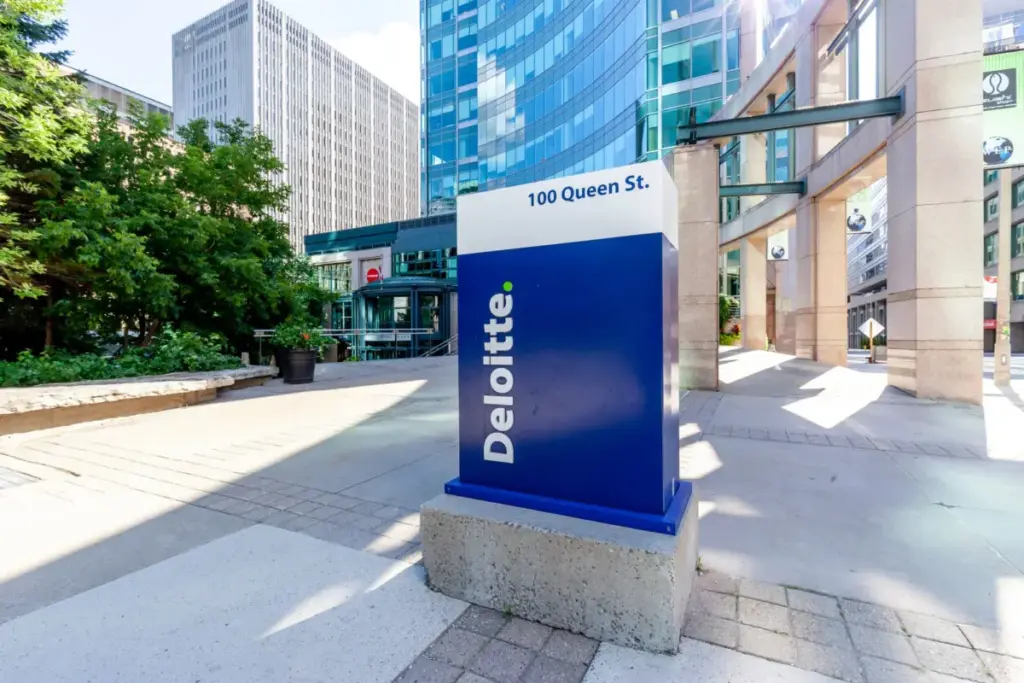
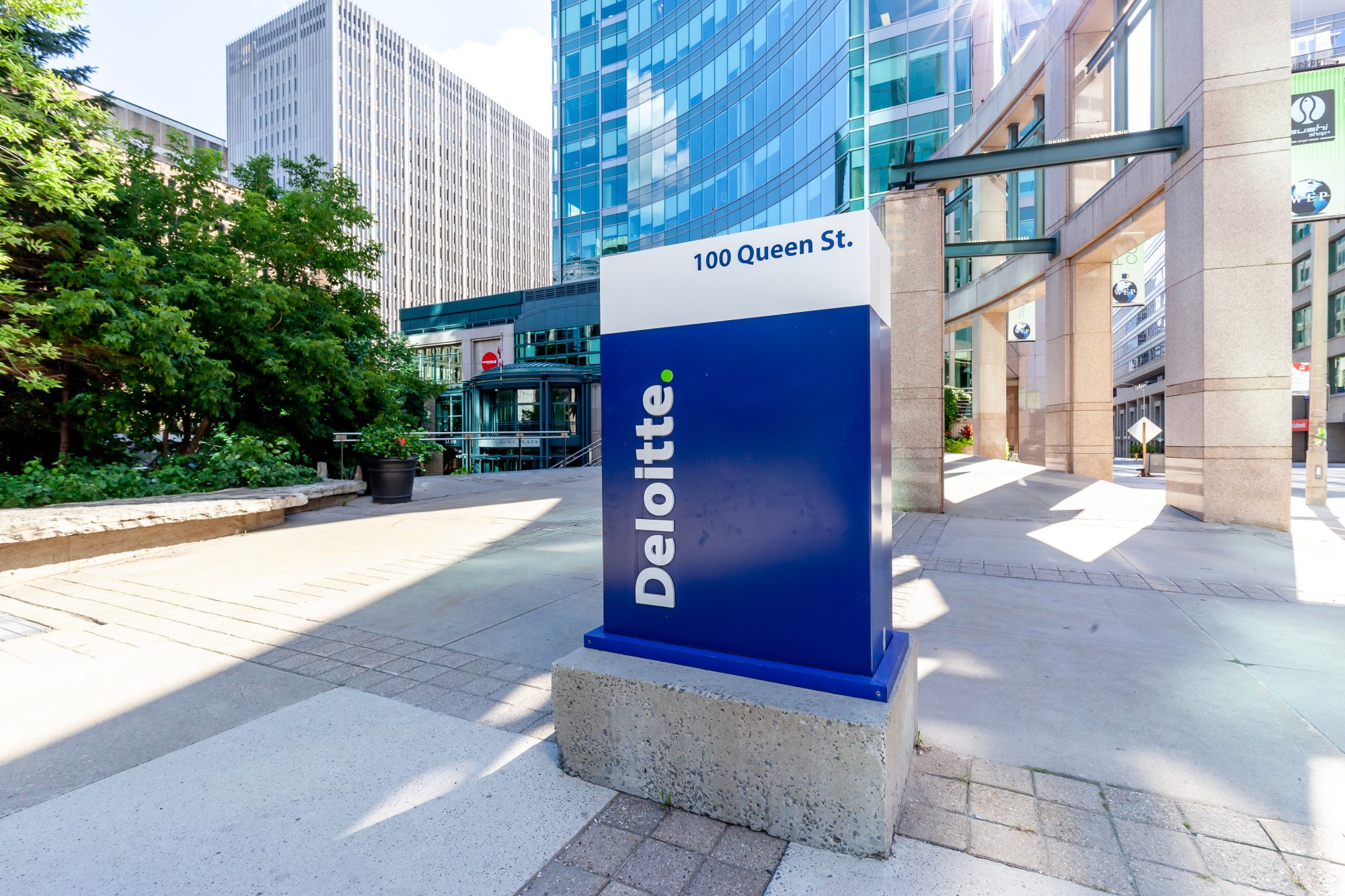
Thus far, Deloitte, EY, KPMG, and PwC have responded with guarded caution, issuing standard corporate communications emphasizing their commitment to regulatory compliance, client confidentiality, and the highest standards of professional objectivity. However, behind closed doors, general counsels across all four networks are frantically reviewing their exposure.
Accounting firms occupy a uniquely sensitive position in the modern economy. They rely heavily on public trust and strict regulatory compliance across dozens of distinct state jurisdictions. By framing their sustainability practices as a violation of professional independence, the AGs have struck at the heart of the accounting profession’s licensing and accreditation framework.
Nonprofits Respond to Coordinated Pressure
Other organizations caught in the crosshairs of the broader Republican AG campaign report a mix of defiance and administrative fatigue. For instance, when a group led by Florida AG James Uthmeier fired off an investigative letter to Ceres—a prominent sustainability nonprofit working with institutional investors—the organization pushed back immediately.
In January, Ceres issued a comprehensive denial of Uthmeier’s claims, systematically dismantling the legal and factual premises of the state’s accusations. According to a Ceres spokesperson, the organization has not heard a single word from the Florida Attorney General’s office since submitting its rebuttal.
Yet, silence from an AG’s office does not always mean the investigation is dead. As demonstrated by Uthmeier’s subsequent February letter targeting packaging organizations and corporate partners—followed by formal demands for document production in May—the state-level campaign often operates as an endurance test. The objective is frequently less about securing a courtroom victory and more about imposing high administrative costs, generating chilling headlines, and forcing risk-averse corporations to voluntarily sever ties with climate initiatives.
Future Outlook: Where Does the Corporate Climate Campaign Go From Here?
As this multi-front war on corporate climate action intensifies, legal scholars, corporate executives, and environmental advocates are parsing the tea leaves to predict what comes next. Several key trajectories are beginning to emerge:
1. The Weaponization of State Regulatory Boards
While blockbuster antitrust lawsuits grab media headlines, the true danger to the Big Four may lie in quiet regulatory maneuvers. State attorneys general wield considerable influence over state accountancy boards—the bodies responsible for issuing licenses to certified public accountants (CPAs). If the AG coalition decides to press their conflict-of-interest argument before state boards, they could theoretically threaten the operating licenses of individual partners or entire regional offices, creating an administrative nightmare for the accounting giants.
2. The Chilling Effect on Corporate Disclosures
Even if the AGs never secure a formal court judgment against Deloitte, EY, KPMG, or PwC, their strategy is already achieving its primary psychological objective: cultivating fear, uncertainty, and doubt (FUD) in corporate boardrooms. Risk-management committees at Fortune 500 companies are increasingly hesitant to adopt advanced climate reporting metrics or integrate ISSB guidelines into their financial reporting, fearing they will become the next targets of multi-state subpoenas, congressional inquiries, and negative media coverage.
3. Fragmentation of the Regulatory Landscape
The growing dissonance between federal deregulation under SEC Chair Paul Atkins and the remaining state-level climate mandates—particularly in Democratic-led states like California, which continues to enforce its own rigorous climate corporate data accountability acts—presents a chaotic landscape for multinational corporations. Businesses are increasingly trapped in a crossfire of conflicting legal mandates, forced to navigate a patchwork of state laws where complying with one jurisdiction’s requirements risks inviting legal retaliation from another.
4. Judicial Showdowns on the Horizon
Despite the strategy of relying on press releases and investigative letters rather than formal indictments, the legal risks cannot be completely written off. The Vanguard settlement proved that sustained legal pressure can force major financial institutions to alter their behavior out of court. Whether the Big Four will stand firm, negotiate a quiet settlement, or take the unprecedented step of suing state attorneys general to halt politically motivated investigations remains one of the defining corporate governance questions of the decade.
Conclusion
The Republican attorneys general campaign against corporate climate action has evolved from a series of populist potshots against Wall Street asset managers into a sophisticated, highly calculated assault on the very infrastructure of global business reporting. By dragging the Big Four accounting firms into the fray, conservative state prosecutors have shifted the battlefield from vague antitrust arguments to foundational questions of professional ethics, audit independence, and conflict of interest.
Backed by the ideological tailwind of SEC Chair Paul Atkins at the federal level, this campaign has successfully altered the corporate calculus surrounding sustainability. For Deloitte, EY, KPMG, PwC, and the thousands of global corporations that rely on their services, the message is unmistakable: supporting climate transparency is no longer just a business decision—it is a high-stakes political liability. As this battle unfolds across state capitals and federal agencies, the future of corporate climate accountability hangs delicately in the balance.