

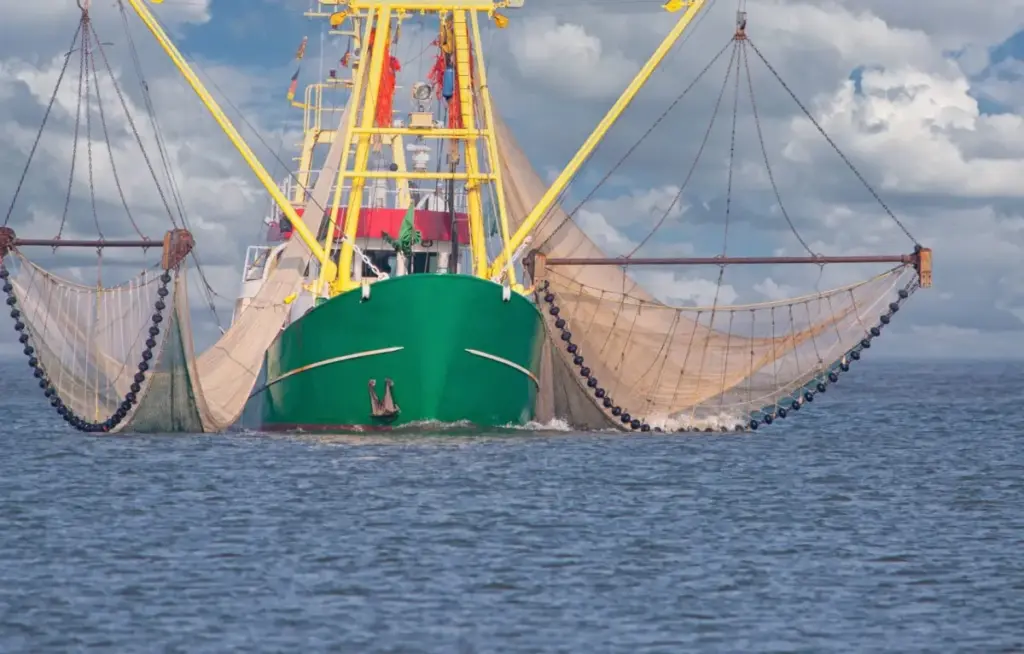
By the Blue Marine Foundation Investigative Desk
Published: October 6, 2026
Executive Overview
As the Member States of the European Union enter the final stages of negotiation for the upcoming multi-annual financial framework, a quiet crisis is unfolding behind closed doors. At stake is the future of Europe’s marine ecosystems, the economic survival of coastal communities, and the very viability of the fishing industry itself. Brussels is poised to finalize budget allocations for oceans and fisheries—decisions that will dictate policy trajectories and environmental impacts for the next legislative cycle.
However, an analysis of current spending trends and newly drafted national funding frameworks reveals a deeply concerning status quo. The vast majority of EU ocean subsidies continue to flow into the coffers of large-scale industrial fishing fleets, often rewarding practices that exacerbate overfishing and degrade fragile marine habitats. Meanwhile, small-scale artisanal fishers—who account for a staggering 76 percent of the entire European fleet—are marginalized, receiving a mere fraction of financial support. Worse still, funding dedicated to the actual restoration and protection of the marine environment remains chronically underfunded, representing a paltry 7 percent of every public euro spent on ocean-related subsidies.
Compounding this imbalance, emerging drafts of the National and Regional Partnership Plans (NRPPs) suggest that governments are prepared to double down on past mistakes. Proposals currently on the table include redirecting crucial capital toward the construction of new industrial fishing vessels and the large-scale modernization of existing ones. In an ocean where only 28 percent of assessed fish stocks are currently considered healthy, injecting capital to increase harvesting capacity threatens to push marine ecosystems past a point of no return.
This report investigates the mechanics of Europe’s flawed fisheries subsidization model, explores the widening chasm between industrial might and artisanal vulnerability, and outlines the urgent interventions required as policymakers finalize their NRPPs.
Detailed Chronology: The Road to the 2026 Budget Crisis
To understand how Europe arrived at this critical juncture, it is necessary to examine the historical trajectory of the EU’s Common Fisheries Policy (CFP) and its associated financial mechanisms, culminating in the current 2026 funding cycle.
Phase I: The Legacy of Overcapitalization (Pre-2020)
For decades, European fisheries policy has struggled with a fundamental contradiction: attempting to conserve fish stocks while simultaneously subsidizing the means to catch them. Through successive iterations of financial instruments—most notably the European Maritime and Fisheries Fund (EMFF) and its successor, the European Maritime, Fisheries and Aquaculture Fund (EMFAF)—billions of euros have been funneled into the maritime sector.
Historically, a significant portion of these funds went toward capacity-enhancing measures, such as vessel construction and engine modernizations. While intended to keep European fleets competitive on a global scale, these subsidies artificially inflated fishing capacity, allowing industrial operators to chase dwindling fish stocks further offshore and deeper into the water column. Despite periodic reforms aimed at aligning subsidies with Maximum Sustainable Yield (MSY) targets, loopholes and lax enforcement by Member States allowed harmful subsidies to persist.
Phase II: The Post-Pandemic Financial Reset (2021–2025)
Following the economic shocks of the COVID-19 pandemic and the geopolitical disruptions affecting global supply chains, the EU embarked on a massive restructuring of its long-term budget. Member States were tasked with drafting recovery and resilience plans alongside routine structural funding frameworks. During this period, environmental NGOs repeatedly warned that public stimulus packages were disproportionately benefiting high-impact industrial fisheries.
Despite rhetorical commitments to the European Green Deal and the Biodiversity Strategy for 2030, the allocation of ocean funds remained heavily skewed. Industrial lobbies successfully argued that modernization was necessary to improve safety and energy efficiency. However, critics pointed out that modernizing vessels often translated into increased catching power—hyper-efficient sonar, larger net capacities, and extended operational ranges—which accelerated the depletion of vulnerable fish populations.
Phase III: The Current NRPP Negotiations (2026)
As of late 2026, the battleground has shifted to the National and Regional Partnership Plans (NRPPs). These strategic documents serve as the blueprints for how individual Member States will absorb and distribute EU maritime funds over the coming years.
Drafting processes are currently underway across capitals from Madrid to Helsinki. Rather than seizing the opportunity to pivot toward green transitions, preliminary drafts indicate that several coastal states intend to prioritize fleet renewal subsidies. If approved, these plans will unlock public funds for the construction of new industrial trawlers. Environmental watchdogs and marine scientists have mobilized in response, recognizing that the window to alter these national blueprints is rapidly closing before they are formally submitted to the European Commission.
Supporting Context & Metrics: The Anatomy of an Imbalance
The debate over EU fisheries funding is not merely philosophical; it is defined by stark, quantifiable disparities that illustrate systemic policy failure.
1. The Fleet Divide: Industrial Power vs. Artisanal Neglect
Europe’s fishing fleet is far from monolithic. Statistically, small-scale, artisanal fishing vessels—defined generally as vessels under 12 meters using passive gear—make up 76 percent of the total European fleet. These operators are typically tied to local coastal communities, employ low-impact fishing techniques, have a minimal carbon footprint, and discard significantly less byproduct than their industrial counterparts.
Yet, despite representing more than three-quarters of the fleet in numerical terms, artisanal fishers receive a mere 20 percent of the total ocean budget allocated under current funding structures. The remaining 80 percent is absorbed by the industrial and semi-industrial sectors. This lopsided distribution undermines local economies, deprives coastal communities of generational livelihoods, and incentivizes a race-to-the-bottom consolidation model where capital-rich corporations squeeze out independent fishers.
+-------------------------------------------------------------+
|              EU Fleet Breakdown vs. Funding Share           |
+-------------------------------------------------------------+
| Small-Scale / Artisanal Fleet (Under 12m)                   |
| [████████████████████████████████████████] 76% of Fleet     |
| [██████████] 20% of Funding                                 |
+-------------------------------------------------------------+
| Industrial & Semi-Industrial Fleet                          |
| [██████████] 24% of Fleet                                   |
| [██████████████████████████████████████████████] 80% of Fund|
+-------------------------------------------------------------+
2. The Conservation Deficit
The most alarming metric within EU maritime finance pertains to environmental restoration. For every one billion euros of subsidies granted from the ocean budget, the European Union allocates a mere 7 percent toward the actual protection, rehabilitation, and management of marine ecosystems.
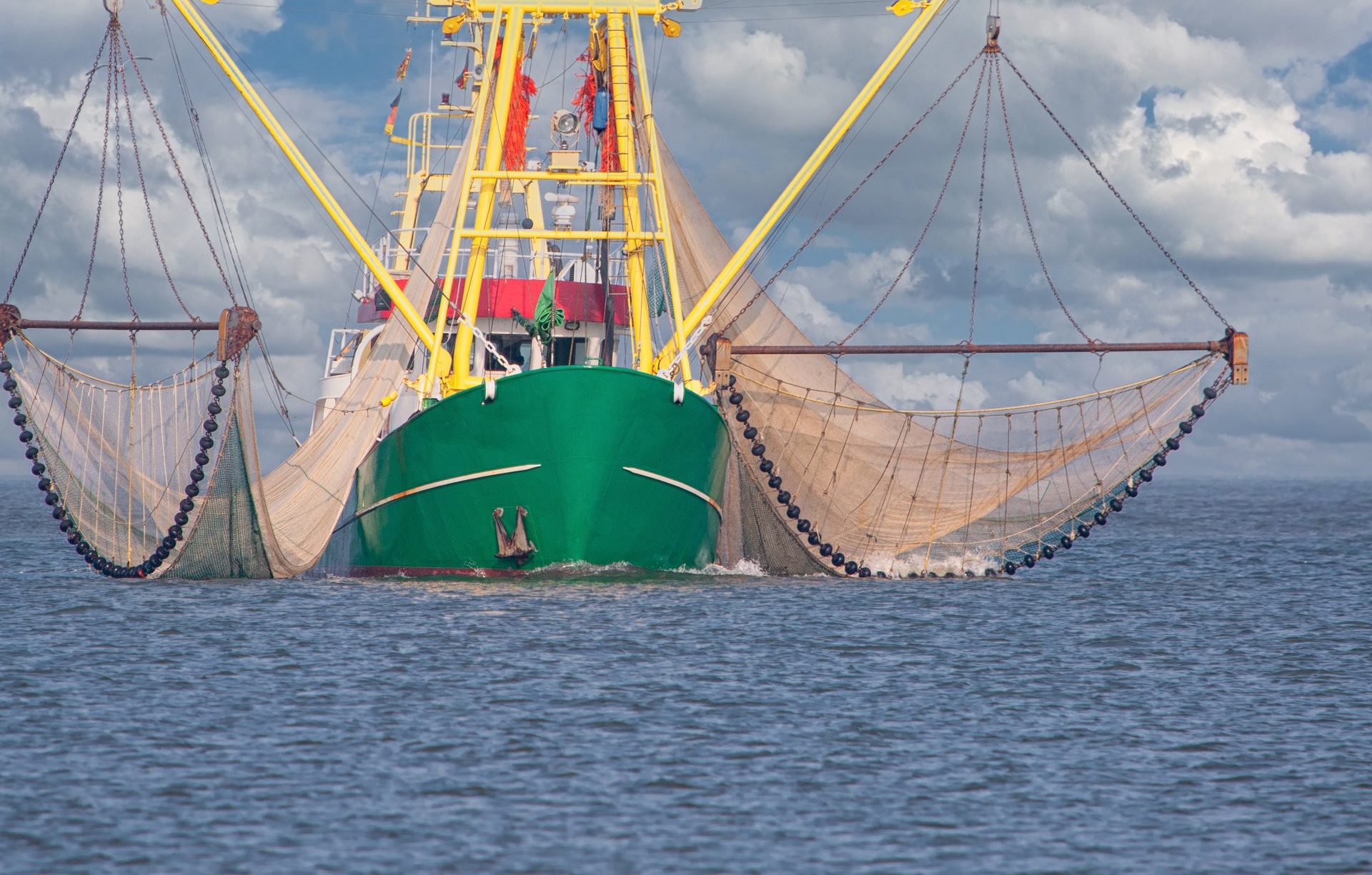
Marine Protected Areas (MPAs) across European waters frequently exist only on paper ("paper parks"), lacking active management, surveillance, or enforcement against illegal bottom-trawling. Without adequate financial backing for habitat restoration—such as seagrass meadow recovery, salt marsh regeneration, and the replenishment of spawning grounds—the marine environment continues to degrade under the dual pressures of climate change and overexploitation.
3. The State of Fish Stocks
The justification for capacity-enhancing subsidies collapses entirely when examined against the biological reality of European waters. According to scientific assessments referenced by marine authorities, only 28 percent of Europe’s assessed fish stocks are currently in a healthy state.
The remaining 72 percent suffer from overfishing, historical depletion, or data deficiencies that preclude accurate stock assessment. In the Mediterranean and Black Seas, the crisis is even more acute, with over 80 percent of assessed stocks exploited beyond sustainable biological limits. Pouring public funds into the construction of new industrial vessels under these conditions is tantamount to subsidizing the systemic collapse of marine biodiversity.
Official Statements and Stakeholder Perspectives
The debate has drawn sharp commentary from policymakers, scientists, and environmental advocates, highlighting a deep ideological divide over the future of the blue economy.
Dr. Helena Vance, Senior Marine Economist at the Blue Marine Foundation, noted:
"We are witnessing an institutional disconnect of historic proportions. At a time when climate disruption and overfishing have pushed marine ecosystems to the brink—with fewer than three in ten fish stocks qualifying as healthy—national governments are drafting plans to build more ships to catch fewer fish. Subsidizing industrial fleet expansion is not economic support; it is a state-sponsored subsidy for ecological insolvency."
Conversely, representatives from industrial fishing associations have defended the push for modernization grants, arguing that capital injection is vital for technological upgrades.
A spokesperson for Europêche, the body representing the European catching sector, stated in a recent policy briefing:
"Modernization is not about catching more fish; it is about catching fish more safely, efficiently, and cleanly. Restrictions on fleet renewal prevent operators from investing in modern safety equipment, crew accommodations, and low-emission propulsion systems. Without financial support to renew aging vessels, the European fleet risks falling behind global competitors while failing to meet decarbonization targets."
Environmental advocates counter this argument by pointing out that "modernization" funding frequently masks an increase in gross tonnage and engine power, directly violating the spirit of sustainability commitments.
Margarida Silva, Corporate Transparency Campaigner, added:
"When governments subsidize new engines or larger hulls, they are increasing the physical capacity of the vessel to sweep the sea clean. If the EU is serious about climate and biodiversity, public money must be strictly conditional: zero subsidies for capacity-increasing gear, and 100 percent prioritization of low-impact, sustainable coastal fishing."
Future Outlook: What Can Be Done?
The trajectory of Europe’s seas is not yet locked in stone. Because National and Regional Partnership Plans (NRPPs) are still in their formative drafting stages, citizens, civil society organizations, and progressive policymakers possess a narrow window of opportunity to intervene.
To redirect the course of the EU ocean budget, targeted advocacy must focus on three core demands for the upcoming NRPPs:
- Absolute Exclusion of Capacity-Enhancing Subsidies: National governments must ban the use of public funds for the construction of new industrial fishing vessels or the expansion of engine power on existing ones. Funding must not be used to accelerate the depletion of the 72 percent of fish stocks that are currently unhealthy.
- Reallocation to Artisanal and Low-Impact Fleets: The funding imbalance must be redressed. A significant majority of maritime funds should be redirected toward small-scale, artisanal fishers who utilize passive gear, fostering local economic resilience and sustainable coastal traditions.
- Massive Scaling of Marine Conservation: The allocation for ocean protection must be radically increased from the current negligible 7 percent. Robust financing is urgently required to establish, monitor, and enforce genuine Marine Protected Areas and to fund large-scale marine habitat restoration projects.
How to Make Your Voice Heard
The decisions that shape Europe’s marine environment over the next decade are being made in ministries of fisheries, environment, and finance across every EU Member State right now. Citizens are urged to engage directly with their national representatives, demand transparency in NRPP drafting, and insist on a sustainable future for our oceans.
Share this report, engage with policymakers, and ensure that public money works for the restoration of our seas, not their depletion.



