

Executive Overview
As the autumn leaves begin to blanket gardens across the United Kingdom, millions of households face an annual seasonal transition: clearing away summer growth, preparing beds for the dormant winter months, and managing an influx of organic garden debris. Historically, this period has signalled a slowdown in horticultural activity. However, a major shift in modern sustainable gardening practices has reframed autumn not as an end, but as the ultimate catalyst for year-round soil enrichment.
At the vanguard of this movement is an exclusive new nationwide initiative launched in partnership with industry leader HOTBIN. Aimed at transforming how households view both food scraps and garden waste, the campaign offers two lucky participants the chance to secure high-performance hot composting systems worth up to £313 each. Beyond the immediate appeal of a seasonal giveaway, this initiative highlights a broader, urgent pivot within British households toward circular living, drastically reduced landfill dependency, and the elimination of chemical-laden peat products in favour of nutrient-dense, home-produced organic compost.
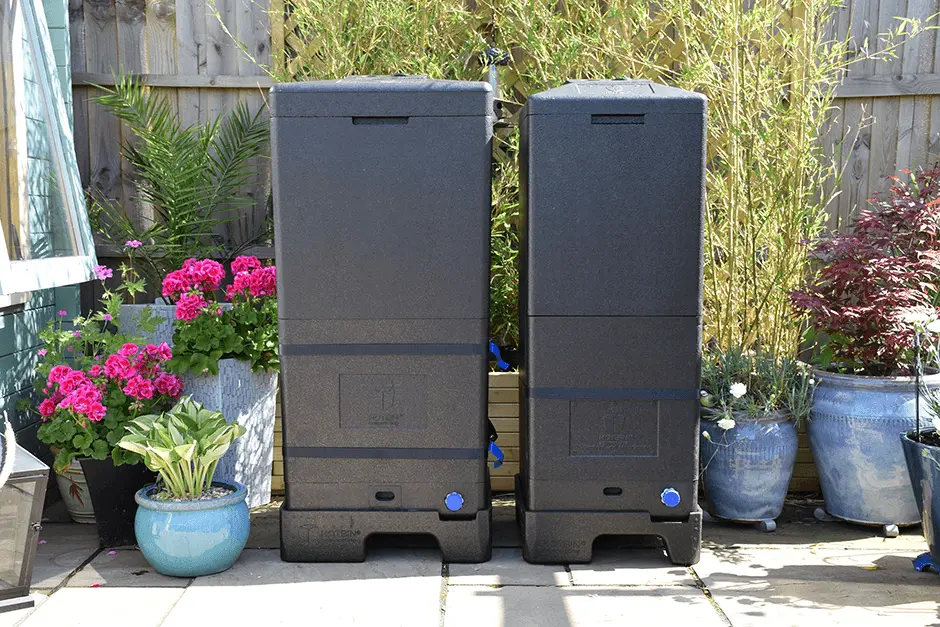
Recognised by BBC Gardeners’ World Magazine as both a "Best Buy" and the fastest composter tested in its class, the HOTBIN system represents a quantum leap from traditional, slow-rotting wooden heap methods. By harnessing aerobic thermophilic (high-temperature) decomposition, these insulated units achieve internal temperatures of between 40°C and 60°C year-round. This thermal efficiency enables the breakdown not only of standard garden waste and weeds, but also of difficult kitchen scraps—including cooked foods, meat, fish bones, and citrus peels—that traditionally attract vermin in conventional bins.
This comprehensive report examines the mechanics of the high-performance composting revolution, the environmental imperative driving UK gardeners to rethink organic waste, the granular details of the current national giveaway, and the long-term future of urban and suburban sustainability.
Detailed Chronology: The Evolution of Modern Composting and the Rise of Hot Systems
The Traditional Composting Bottleneck
For generations, home composting was viewed as a passive, long-term chore. Standard cold composting heaps operated on nature’s baseline timeline, often requiring anywhere from nine months to two full years to yield usable material. During autumn, gardeners would pile high volumes of fallen leaves, dead stems, and lawn clippings into dark corners of the yard, covering them with tarpaulins or leaving them exposed to the elements.
This traditional approach carried significant operational limitations:
- Temperature Fluctuation: Cold heaps are entirely at the mercy of ambient weather. When winter temperatures plummet below freezing in the UK, microbial activity grinds to a near-total halt, freezing the decomposition process in its tracks.
- Input Restrictions: Traditional open bins or wooden pallets are notoriously vulnerable to pests. Adding cooked leftovers, dairy, meat, or bones invites rats, foxes, and flies, restricting users almost exclusively to raw green and brown garden matter.
- Nutrient Leaching: Uncovered or poorly managed heaps frequently become waterlogged during heavy autumn and winter rains, washing away vital water-soluble nitrates and potassium before the compost ever reaches maturity.
The Aerobic Breakthrough
The introduction of engineered, insulated aerobic systems marked a paradigm shift in how organic matter is processed at a residential scale. By studying the biological parameters required to accelerate microbial reproduction, engineers developed sealed containers engineered to retain metabolic heat generated by bacteria as they consume organic material.
The timeline of this technology’s ascent accelerated over the past decade as municipal landfill taxes increased, local council garden waste collections faced service cuts or subscription fees, and climate-conscious citizens sought tangible ways to lower their domestic carbon footprints. The HOTBIN, in particular, disrupted the market by proving that high-temperature aerobic digestion could be scaled down from industrial agricultural facilities to the average British back garden or urban courtyard.
The Current Nationwide Initiative
The launch of the current nationwide competition marks a strategic milestone in consumer education. By collaborating with horticultural media platforms, the initiative targets both seasoned horticulturists and novice growers who might otherwise feel intimidated by the science of waste management.
Running through to the closing deadline of 23:59 on 9 November 2026, the campaign is designed to capture the autumn clean-up window—the exact moment when households generate the highest volume of combined kitchen and garden waste. By bundling the core composting units with ergonomic accessories such as the HOTBIN Plinth and the HOTBIN Garden Kneeler, the initiative addresses common physical barriers to composting, such as bending, heavy lifting, and liquid collection, thereby democratising sustainable practices for a broader demographic of UK residents.
Supporting Context & Metrics: The Environmental Imperative of Domestic Waste Diversion
The Scale of the Kitchen Waste Crisis
To understand the significance of high-efficiency home composting, one must examine the broader metrics of municipal waste generation. According to environmental data compiled across the United Kingdom, British households throw away millions of tonnes of edible food and organic garden refuse annually. A significant proportion of this waste ends up in municipal landfills.
When organic matter is buried in the anaerobic (oxygen-free) depths of a landfill, it decomposes via methanogenic bacteria, releasing methane ($CH_4$) gas. Methane is a potent greenhouse gas with a global warming potential significantly higher than carbon dioxide over a 20-year timeframe. Diverting food and garden waste from landfills into an aerobic composting system effectively short-circuits this destructive cycle, trapping carbon in stable humus while returning vital macronutrients directly back to the soil.
Performance Metrics: Speed, Temperature, and Output
The technical superiority of modern insulated systems is anchored in rigorous testing metrics. In comparative evaluations conducted by leading horticultural authorities—including BBC Gardeners’ World Magazine—insulated hot composters consistently outperform traditional wooden or plastic slat bins across several key performance indicators:
- Decomposition Velocity: While cold bins take up to 24 months, a properly managed HOTBIN can convert raw kitchen and garden waste into rich, dark, friable compost in as little as 30 days.
- Thermal Range: Operating continuously between 40°C and 60°C, these systems harness thermophilic bacteria that thrive in elevated heat environments. This thermal threshold is critical because it naturally destroys weed seeds and plant pathogens that would otherwise survive a cold heap and contaminate future garden beds.
- Volume Reduction: Due to the rapid microbial breakdown and moisture management, the volume of input material reduces dramatically, allowing households to continuously feed the bin week after week without running out of capacity.
The Peat-Free Horticultural Imperative
The timing of this composting push coincides with a monumental regulatory and cultural shift in British horticulture: the phasing out of peat-based growing media. For decades, commercial and amateur gardeners relied on peat moss extracted from fragile lowland bogs—ecosystems that act as some of the planet’s most effective carbon sinks.
As government restrictions tighten and environmental awareness peaks, gardeners are urgently seeking high-performance alternatives to commercial compost bags. Home-produced compost generated via a balanced diet of nitrogen-rich kitchen waste (food scraps, vegetable peelings, coffee grounds) and carbon-rich garden waste (fallen autumn leaves, shredded paper, woody prunings) creates a supreme, nutrient-balanced, peat-free medium. This closed-loop system eliminates the carbon footprint associated with manufacturing, bagging, and transporting commercial compost from retail outlets.
Official Prizes & Bundle Breakdown
The current nationwide promotion offers two distinct, high-value packages tailored to different household sizes and garden layouts. Two winners will be selected, with each winner receiving their choice of one of the following comprehensive bundles:
Option A: The HOTBIN Mini 100-litre Essentials Bundle
- Valuation: £243
- Component 1: HOTBIN Mini Composter (100-Litre Capacity): Engineered specifically for smaller gardens, patios, townhouses, and compact urban spaces. Despite its smaller footprint, it retains the advanced insulation properties of its larger counterparts, ensuring rapid thermophilic decomposition.
- Component 2: HOTBIN Plinth: A custom-moulded base designed to elevate the composter off the ground. Beyond improving stability, the plinth features an integrated collection tray system that captures liquid fertiliser (often referred to as "liquid gold"), which can be diluted and used as a potent organic plant feed.
- Component 3: HOTBIN Garden Kneeler: An ergonomic, high-density foam kneeler designed to protect joints during prolonged gardening sessions, seed sowing, weeding, and harvesting finished compost from the base hatch.
Option B: The HOTBIN 200-litre Essentials Bundle
- Valuation: £313
- Component 1: HOTBIN Composter (200-Litre Capacity): Designed for medium to large family homes with substantial gardens, generating higher volumes of both kitchen scraps and autumn garden waste. The 200-litre model maintains optimal core temperatures even more efficiently due to its increased thermal mass.
- Component 2: HOTBIN Plinth: Provides the necessary elevation for the larger 200-litre unit, ensuring seamless drainage and liquid nutrient collection.
- Component 3: HOTBIN Garden Kneeler: Offers the same ergonomic knee protection and comfort features for intensive seasonal garden maintenance.
How to Enter and Competition Guidelines
Participation in the nationwide initiative is structured to be accessible while ensuring adherence to strict regulatory standards.
Entry Requirements
- Eligibility: Entrants must be legal residents of the United Kingdom and aged 18 years or older at the time of entry.
- Closing Date: All entries must be submitted by 23:59 on 9 November 2026. Submissions received after this precise timestamp will be automatically disqualified.
- Action Required: Participants must visit the official campaign portal, review the associated terms and conditions, provide necessary digital consent regarding cookie usage and widget loading (powered by interactive platforms such as Riddle), and correctly answer the designated horticultural question.
Winner Notification and Fulfilment
Following the closing deadline, verified winners will be drawn at random from the pool of correct entries. Winners will be contacted directly via the contact details provided during entry, at which point arrangements will be made to dispatch their chosen prize bundle directly to their UK residential address.
Future Outlook: The Next Decade of Urban and Suburban Sustainability
Looking ahead toward 2030 and beyond, the intersection of domestic waste management and home horticulture is poised for exponential transformation. Several key trends indicate that high-performance composting will shift from a niche eco-hobby to a mainstream household standard:
1. Integration with Smart Living and Urban Architecture
As residential footprints shrink and urban densification increases across major UK cities, property developers and landscape architects are beginning to design outdoor spaces with built-in sustainability infrastructure. Future suburban and urban developments are expected to feature dedicated composting utility zones alongside rainwater harvesting tanks and EV charging points. Compact units like the HOTBIN Mini are leading this architectural shift, proving that high-efficiency organic recycling requires minimal physical space.
2. Municipal Alignment and Council Incentives
With local authorities facing mounting financial pressures regarding residual waste collection and landfill gate fees, forward-thinking councils are exploring partnerships with home composting manufacturers. Subsidised purchase schemes and educational outreach programmes are projected to increase, as municipal leaders recognise that the most cost-effective way to manage food waste is to prevent it from entering the collection stream altogether.
3. Advanced Soil Health Science and Micro-Biome Education
The modern gardener is increasingly literate in soil science. The understanding that soil is a living ecosystem—reliant on bacteria, fungi, actinomycetes, and earthworms—has elevated the status of compost from a generic soil improver to a vital biological inoculant. As home composters become more sophisticated, users are learning to curate their waste inputs (balancing carbon-to-nitrogen ratios, monitoring moisture levels, and managing aeration) to cultivate specific microbial communities that suppress plant diseases and enhance drought resilience in ornamental and food crops alike.
Conclusion
The convergence of seasonal autumn garden clean-ups, stringent environmental regulations, and award-winning waste-reduction technology creates a unique moment for British households. By rethinking organic refuse not as rubbish to be discarded, but as a valuable raw material for the next growing season, gardeners can actively participate in the circular economy. Whether through securing an advanced hot composting bundle in the current nationwide giveaway or simply adopting more sustainable daily habits, the future of British gardening is undeniably hot, fast, and fiercely green.



