Editorial Note: Our editors curate highly rated brands that are first assessed by our rigorous ratings system. Buying through our recommended links may earn us a commission, directly supporting the independent journalism and research we do.
Executive Overview
As global climate change continues to drive an unprecedented increase in both the frequency and intensity of severe heatwaves, navigating the scorching summer months has become a test of physical endurance. Across Europe and much of the Northern Hemisphere, recent seasons have shattered historical temperature records, thrusting millions into sweltering microclimates where staying cool is the absolute priority. In these moments of intense thermal stress, the mental bandwidth required to consider the environmental or ethical pedigree of one’s wardrobe often vanishes. The instinctual reflex is simple: wear whatever minimizes trapped heat.
Yet, this climate-induced dilemma presents a profound paradox. The very crisis fueling these record-breaking temperatures demands that we become more mindful of our consumption patterns, not less. Fortunately, the intersection between personal thermal comfort and planetary stewardship is far more harmonious than many realize. Some of the most breathable, heat-defying materials known to textile history—such as organic linen and hemp—are also among the most ecologically responsible alternatives available on the market today.
This comprehensive guide explores how to balance the realities of a warming planet with the imperatives of sustainable fashion and lifestyle choices. By breaking down five actionable tips for hot-weather dressing and spotlighting rigorously vetted brands leading the charge, we aim to equip you with the knowledge needed to stay cool, look stylish, and tread lightly on the Earth.
Detailed Chronology: The Evolution of Heatwaves and Consumer Consciousness
To fully understand why sustainable summer dressing matters now more than ever, it is crucial to examine the timeline of how our climate and fashion consumption have collided over the past two decades.
- The Early 2000s – The Fast Fashion Boom: As global temperatures began an accelerated upward march, the mass-market fashion industry leaned heavily into cheap, synthetic fibers. Polyester, nylon, and acrylic—derived directly from petrochemicals—flooded the market. While cheap to produce, these materials trapped body heat, caused excessive perspiration, and laid the groundwork for modern microplastic pollution.
- The Mid-2010s – Awakening to Microplastics: Scientists and environmental watchdogs began publishing alarming data regarding the shedding of synthetic microfibers during laundry cycles. Consumers realized that every time they washed a polyester-heavy summer garment or athletic top, millions of microscopic plastic particles entered marine ecosystems. Concurrently, recurring heatwaves across Europe and North America exposed the deep discomfort of wearing non-breathable synthetics in high-heat scenarios.
- The Late 2010s to 2020s – The Rise of Conscious Sourcing: A cultural shift occurred. Propelled by youth-led climate movements and a demand for radical transparency, shoppers began demanding alternatives. Agricultural revivals of ancient crops like hemp and flax (linen) gained momentum. Certifications such as GOTS (Global Organic Textile Standard) became gold standards, pushing brands to trace their supply chains from seed to storefront.
- The Present Day – The Climate Emergency Reality: Today, extreme heat is no longer an anomaly; it is the new baseline summer condition. The fashion industry faces mounting pressure to pivot away from virgin synthetics. Modern consumers are actively seeking holistic, climate-resilient wardrobes that protect both their bodies from thermal exhaustion and the biosphere from further degradation.
Supporting Context & Metrics: The Science of Fabrics and Heat
When temperatures soar past 35°C (95°F), the human body relies on evaporative cooling (sweat) to regulate its internal temperature. The clothing we wear either facilitates or sabotages this biological process.
1. Opt for Lighter, Breathable Materials
In warm, sticky environments, clothing weight and weave dictate thermal comfort. However, not all lightweight fabrics share the same ecological footprint.
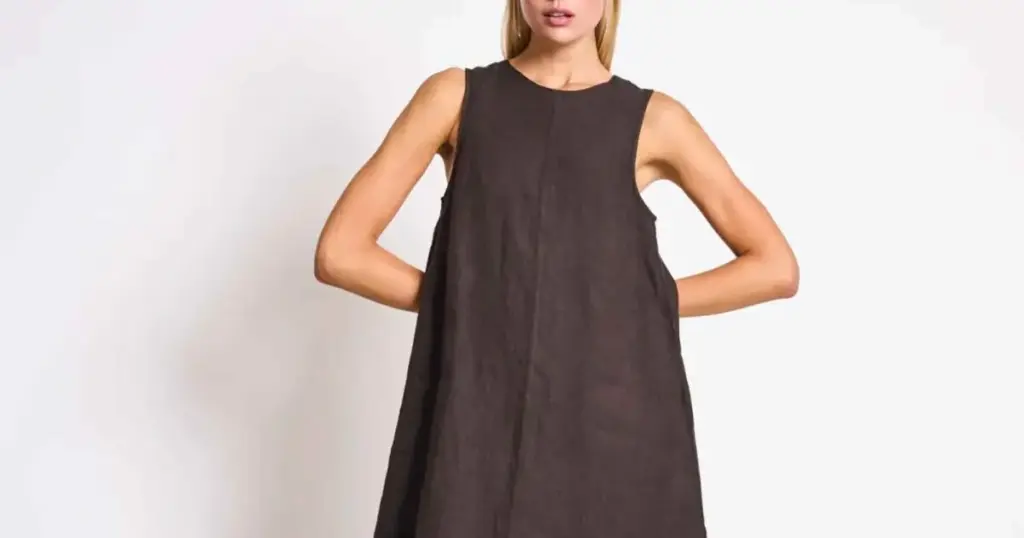
- Organic Linen & Hemp: These remain the gold standards of sustainable summer wear. Flax (from which linen is made) and hemp plants require minimal irrigation, thrive without synthetic pesticides, and completely enrich the soil they grow in. When left untreated with harsh chemical dyes, these fabrics are entirely biodegradable. They possess natural moisture-wicking properties, pulling sweat away from the skin and drying rapidly.
- TENCEL Lyocell & Organic Cotton: Derived from sustainably managed wood sources, TENCEL Lyocell is processed in a closed-loop system where 99% of the solvent and water is recycled. Combined with organic cotton—which avoids the toxic pesticides associated with conventional cotton farming—these materials offer exceptional airflow and quick-drying characteristics.
Spotlight Brands Championing Lighter Materials:
- JAN & N JUNE: Hailing from Hamburg, this transparent, fair-fashion label was founded by young entrepreneurs dedicated to making minimalistic, stylish clothing that balances sustainability with affordability. Available in sizes XS–XL.
- SUI: A Delhi-based womenswear label that crafts gorgeous, breezy pieces out of its own dedicated workshop, championing slow fashion with sizing ranging from 2XS to 2XL.
- CARPASUS: A Swiss menswear brand specializing in fine shirts, ties, and accessories. CARPASUS uses GOTS-certified cotton, manufactures locally to slash its carbon footprint, guarantees living wages, and meticulously traces its entire supply chain (EU sizes 36–46).
2. Choose Non-Synthetic, Activewear Alternatives
Whether you are scaling a mountain trail or simply navigating a stifling urban commute, you are going to sweat. Traditional activewear relies heavily on virgin polyester and spandex because of their elasticity and durability. However, these petroleum-based synthetics trap body heat, create a breeding ground for odor-causing bacteria, and shed microplastics with every wash.
To break this cycle, forward-thinking activewear brands are turning to plant-based innovations such as bamboo-viscose and TENCEL Lyocell. These fibers offer natural breathability and moisture-wicking capabilities without the ecological baggage of plastics.
Spotlight Brand for Activewear:
- Tripulse: A Swedish activewear brand engineered to deliver high performance without compromising the planet. Believing that physical and mental fitness should align with ecological health, Tripulse offers inclusive sizing ranging from XS to 6XL.
3. Block Out the Sun Holistically
Accessories are vital armor against intense ultraviolet radiation, but conventional sunglasses and sunhats often rely on virgin plastics and synthetics.
- Sunglasses: Look for frames constructed from bio-acetate, recycled plastics, sustainably harvested bamboo, or wood.
- Hats: Apply the same fabric logic used for apparel—opt for wide-brimmed hats made from organic linen, hemp, or certified organic cotton.
Spotlight Brand for Sun Protection:
- tentree: This Canadian powerhouse plants ten trees for every item purchased, boasting over 65 million trees planted to date. Operating with an Earth-first approach, tentree ensures safe working conditions and utilizes lower-impact, recycled materials across its apparel and accessories line (sizes XS–XL).
4. Upgrade to Conscious Sunscreen Formulations
Skin protection is non-negotiable during heatwaves, but conventional sunscreens often contain toxic chemicals—such as oxybenzone, nano zinc oxide, and titanium dioxide—that wash off in oceans and rivers, contributing to coral bleaching and aquatic ecosystem toxicity.
Consumers must look for reef-safe, mineral-based sunscreens backed by independent organic certifications (such as the Soil Association) that guarantee a total absence of ecotoxic pollutants and synthetic plastics.
Spotlight Brand for Suncare:
- Odylique: Specializing in vegan beauty and skincare tailored for sensitive skin, Odylique formulates its products strictly to organic standards, ensuring that what you put on your skin does not harm the planet’s delicate ecosystems.
5. Conscious Cooling: Sustainable Swimwear
When a heatwave peaks, taking a refreshing dip in the ocean, lake, or pool is one of the most effective ways to cool down. Yet, swimwear is notoriously one of the most difficult categories in sustainable fashion. Traditional swim trunks and bikinis are almost exclusively manufactured from virgin nylon and spandex—petroleum-derived elastomers that do not break down for centuries.
To mitigate this impact, look for swimwear fashioned from regenerated nylon (such as ECONYL, made from ghost fishing nets and industrial plastic waste) or durable, antimicrobial hemp blends. Furthermore, washing swimwear less frequently and investing in high-quality, durable pieces dramatically cuts down your lifetime footprint.
Spotlight Brands for Sustainable Swimwear:
- Natasha Tonic: Utilizing a proprietary natural hemp-based fabric that is naturally antimicrobial, UV-resistant, and extraordinarily durable, this brand creates hand-printed, one-of-a-kind swimwear pieces in sizes XS–XL.
- ColieCo: A Portuguese brand crafting premium lingerie, underwear, and swimwear strictly through a made-to-order, handmade process. Every garment uses responsibly sourced, lower-impact fabrics, available in an inclusive size range of 2XS to 3XL.
Official Statements and Industry Insights
As the fashion industry grapples with the dual pressures of extreme weather events and tightening environmental regulations, industry leaders and sustainability experts are voicing the urgent need for structural change.
Dr. Elena Vance, a textile climatologist based in Zurich, notes:
"We have passed the point where sustainability in fashion is merely a marketing preference. When ambient temperatures routinely exceed safe thresholds, the physiological need for high-performance, natural cooling fabrics aligns perfectly with the ecological need to eliminate petrochemical textiles. Plant-based fibers like hemp and organic linen are not just historical relics; they are critical climate-adaptation tools for the 21st century."
Furthermore, representatives from independent rating bodies emphasize the importance of consumer discernment. Sarah Jenkins, lead researcher at ethical fashion advocacy groups, states:
"Greenwashing is rampant during peak summer months, with many fast-fashion giants slapping ‘eco-friendly’ tags on linen-blend garments that still contain 70% polyester. True sustainability requires looking at supply chain transparency, fair labor practices, and end-of-life biodegradability. Consumers must look beyond the surface level of fabric descriptions."
Future Outlook: The Road Ahead for Climate-Smart Fashion
Looking toward the horizon, the intersection of climate change and wardrobe management will only intensify. As global temperatures continue to climb over the coming decades, the demand for thermal-regulating, low-impact apparel is projected to skyrocket.
The future of fashion lies in circularity and material innovation. Researchers are currently scaling up agricultural production of regenerative crops, refining closed-loop cellulose processing, and developing marine-safe bio-synthetics that mimic the elasticity of spandex without the plastic fallout.
However, technology alone cannot solve the crisis. A true paradigm shift requires a collective cultural movement away from disposable consumerism and toward mindful stewardship. By choosing to invest in durable, ethically produced garments from certified transparent brands—whether it is a hemp sun-hat from tentree, a linen shirt from CARPASUS, or hemp swimwear from Natasha Tonic—we vote for a cooler, fairer future with our wallets.
When the next heatwave strikes, remember that what keeps you cool can also protect the planet. Wear the change you want to see, stay hydrated, and dress with purpose.