Executive Overview
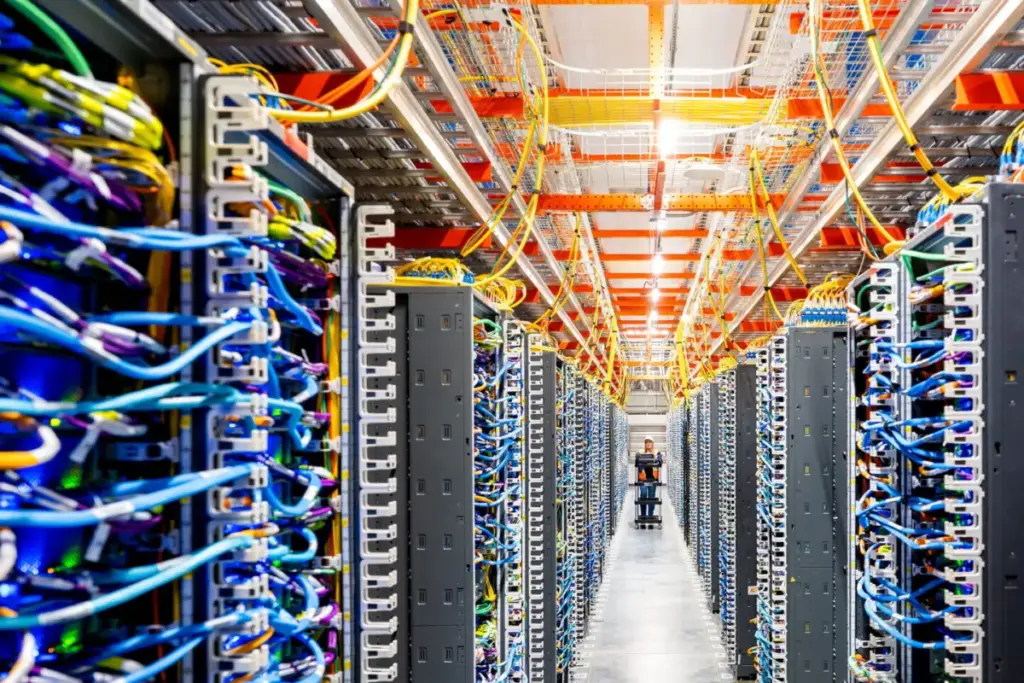
As Silicon Valley rushes to deploy generative artificial intelligence across every facet of the global economy, public and media scrutiny has focused almost exclusively on the physical backbone of this transformation: hyperscale data centers. The narrative is as familiar as it is troubling—massive facilities drawing vast quantities of electricity, threatening regional power grids, and spurring a resurgence in fossil fuel investment to keep up with relentless compute demand.
However, an investigative look into the intersection of technology and energy reveals a far more insidious climate impact. While tech conglomerates and energy advisory bodies frame operational power consumption as an offsettable byproduct of a technology that will ultimately solve climate change, this perspective overlooks AI’s most direct environmental footprint: its integration into upstream oil and gas operations.
Far from simply consuming energy, advanced machine learning architectures are being deployed directly into the oilfield. By accelerating seismic processing, optimizing reservoir management, and automating drilling operations, AI is allowing energy majors to extract hydrocarbons faster, cheaper, and at scales previously considered economically unfeasible. The public dialogue around "power-hungry servers" masks a deeper reality: the tech sector’s most powerful algorithms are actively extending the runway of the fossil fuel era.
Detailed Chronology: The Evolution of the Tech-Fossil Fuel Convergence
+-----------------------------------------------------------------------------------+
| 2015–2018: Enterprise Cloud Expansion                                             |
| • Big Tech establishes dedicated Energy Divisions (AWS, Azure, Google Cloud).     |
| • Focus: Legacy enterprise cloud migration and basic data storage for oil majors. |
+-----------------------------------------------------------------------------------+
                                         │
                                         ▼
+-----------------------------------------------------------------------------------+
| 2019–2021: Machine Learning in Hydrocarbon Exploration                            |
| • Deployment of predictive analytics and seismic imaging algorithms.              |
| • Public pushback leads to partial policy shifts (e.g., Google's public pledge    |
|   to end custom AI for upstream oil & gas), though legacy cloud deals persist.    |
+-----------------------------------------------------------------------------------+
                                         │
                                         ▼
+-----------------------------------------------------------------------------------+
| 2022–2024: The Generative AI Boom & Grid Strain                                   |
| • GenAI models balloon compute requirements; data center energy needs surge.     |
| • U.S. utilities delay coal plant retirements and sign new natural gas contracts   |
|   to support hyperscale power purchase agreements (PPAs).                         |
+-----------------------------------------------------------------------------------+
                                         │
                                         ▼
+-----------------------------------------------------------------------------------+
| Present & Beyond: The Dual Climate Burden                                        |
| • Operational Footprint: Data centers projected to triple power use by 2030.     |
| • Application Footprint: Deep integration of LLMs and digital twins in field      |
|   operations, boosting oil and gas recovery factors globally.                     |
+-----------------------------------------------------------------------------------+
The Early Cloud Era (2015–2018)
The partnership between Big Tech and Big Oil began long before the current generative AI boom. In the mid-2010s, enterprise software sales teams from major cloud providers recognized that oil and gas exploration companies held some of the world’s largest unanalyzed datasets. Upstream energy companies were sitting on decades of geological surveys, borehole logs, and sensor feeds.
Custom enterprise cloud units were formed, pitching public cloud infrastructure to supermajors like BP, Shell, ExxonMobil, and Chevron. Initially, these partnerships focused on basic database migration and cloud storage.
The Machine Learning Transition (2019–2021)
By the end of the decade, simple storage evolved into advanced machine learning. Tech companies began marketing proprietary algorithms specifically tailored for sub-surface exploration and reservoir simulation. High-performance computing clusters running deep learning models began processing complex 3D and 4D seismic datasets in weeks rather than months.
During this period, rising public pressure and internal employee activism led some tech executives to promise a retreat from custom AI tools for upstream extraction. However, enterprise cloud services and non-custom AI services continued largely uninterrupted under modified commercial terms.
The Generative AI Surge and Grid Realities (2022–2024)
The commercialization of large language models (LLMs) and multi-modal AI completely altered the energy equation. Data centers transformed from standard server warehouses into high-density compute facilities requiring unprecedented amounts of electricity.
To ensure continuous power, utilities—particularly in the United States—began delaying planned retirements of fossil fuel infrastructure. In several regions, utilities announced new investments in natural gas-fired power plants explicitly to meet the demand profiles of incoming hyperscale data center hubs.
Supporting Context & Quantitative Metrics
To understand the full environmental scope of the artificial intelligence boom, the technology’s footprint must be evaluated across two distinct operational domains: Operational Consumption (the electricity burned to train and run models) and Application Impact (how those models are used in the wider economy).
Global Data Center Electricity Growth vs. Regional Consumption
---------------------------------------------------------------------------------
[2024] Data Center Global Power Usage:  ~1% of Global Total
[2030 Projected] Data Center Growth:     3x Combined Annual Consumption of:
                                         • Pakistan
                                         • Bangladesh
                                         • Nigeria
---------------------------------------------------------------------------------
Source: International Energy Agency (IEA) / UN Reports
Operational Consumption: The Grid Strain
The energy required to sustain modern AI infrastructure is scaling at a rate that undermines regional decarbonization goals.
- 2030 Projections: According to estimates cited in United Nations reporting, global electricity consumption by data centers is projected to nearly triple by 2030 relative to early-2020s baselines. To put this in perspective, this incremental growth alone exceeds the combined annual electricity consumption of Pakistan, Bangladesh, and Nigeria—nations with a collective population exceeding 500 million people.
- Fossil Fuel Expansion: In the United States, investment in natural gas infrastructure dedicated to supporting data centers has accelerated. Despite corporate pledges to power data centers with 100% clean energy, the intermittency of wind and solar has forced utilities to rely on gas-fired "peaker" plants and firm natural gas contracts to guarantee the 99.999% uptime required by enterprise cloud networks.
- Global Baseline: Currently, operational greenhouse gas emissions from data centers account for less than 1% of the global total. However, analysts warn that as compute intensity grows, this percentage will climb sharply if grid decarbonization fails to keep pace with demand.
Upstream AI Optimization: Efficiency Gains in Hydrocarbon Extraction
+------------------------------------+------------------------------------+
| Traditional Exploration Workflow   | AI-Enhanced Upstream Workflow      |
+------------------------------------+------------------------------------+
| Seismic Data Processing: 6-12 mos  | Seismic Data Processing: Days/Wks |
| Exploration Well Success: ~30-40%  | Exploration Well Success: >60%     |
| Reservoir Recovery Factor: Standard| Dynamic AI Adjustments: +5 to 15%  |
+------------------------------------+------------------------------------+
Application Impact: Amplifying Fossil Fuel Extraction
While operational emissions attract headline news, the application of AI within the oil and gas sector represents a far larger multiplier of carbon emissions.
- Seismic Imaging: Deep neural networks can analyze seismic wave refraction data with high accuracy, mapping deep underground rock formations. This reduces exploration risks, lowers capital costs, and allows drillers to hit pay-dirt faster.
- Predictive Maintenance and Automated Drilling: Autonomous drilling systems, guided by real-time sensor feedback processed via edge AI models, optimize the rate of penetration (ROP) in hydraulic fracturing (fracking) operations. This minimizes downtime and significantly lowers the cost per barrel produced.
- Enhanced Oil Recovery (EOR): Physics-informed neural networks (PINNs) simulate fluid dynamics inside aging reservoirs, identifying untapped pockets of oil and suggesting optimal fluid injection parameters. Industry studies suggest AI-driven reservoir management can boost recovery factors by 5% to 15% over the lifespan of a well, effectively unlocking billions of barrels of legacy oil that would otherwise remain in the ground.
Official Statements & Industry Narratives
The debate over AI’s environmental impact features contrasting viewpoints between corporate leadership, international energy organizations, and independent environmental watchdogs.
The Tech Sector & Industry Analysts: The "Green AI" Defense
Major technology companies and analytical bodies like the International Energy Agency (IEA) often emphasize the net-positive potential of artificial intelligence. The core argument rests on technological efficiency gains across global supply chains.
Excerpt from IEA Energy and AI Report Analysis:
"While energy demand from data centers and AI models is growing rapidly, artificial intelligence possesses unique capabilities to accelerate clean energy transitions. From optimizing variable renewable energy integration into smart grids to designing next-generation batteries and improving industrial energy efficiency, the net system benefit of AI can far exceed its direct operational footprint."
Tech executives frequently echo this sentiment during earnings calls and sustainability updates, framing high-performance computing as an indispensable tool for climate mitigation:
Industry Narrative (Aggregated Tech Enterprise Position):
"We cannot solve complex multi-variable problems like global decarbonization without advanced computing. AI enables modern power grids to dynamically balance intermittent solar and wind resources, predicts material science breakthroughs for carbon capture, and minimizes waste across industrial manufacturing. The compute foundation built today is the engine for tomorrow’s sustainability solutions."
Environmental Advocates & Climate Scientists: The Upstream Paradox
Conversely, climate scientists, policy advocates, and investigative groups argue that the "Green AI" narrative creates a dangerous blind spot. By emphasizing hypothetical future grid efficiencies while ignoring active enterprise contracts with fossil fuel companies, the industry presents an incomplete picture of its environmental footprint.
Statement from Climate Tech Watchdog Advocates:
"Focusing exclusively on server electricity usage lets tech firms off the hook far too easily. It allows tech executives to point to green power purchase agreements while their software divisions sell high-powered machine learning tools to oil majors to extract hydrocarbons faster and cheaper. A server powered by solar panels is still generating net climate damage if its primary output is an optimized drilling plan for the Permian Basin."
Advocates also point to Jevons’ Paradox—a well-established economic principle stating that as technology increases the efficiency with which a resource is used, total consumption of that resource often increases rather than decreases. Applied to energy, making fossil fuel extraction more efficient through AI simply makes oil and gas cheaper and more competitive against emerging clean alternatives.
Future Outlook: Scrutiny, Regulation, and the Decarbonization Dilemma
As the climate footprint of the AI boom comes into sharper focus, the industry faces an inevitable collision between its corporate sustainability pledges and its commercial expansion strategies.
The AI-Climate Crossroads
┌─────────────────────────────────────────────────────────────────────────┐
│                           HYPERSCALE PROJECTION                         │
│   Surging Compute Demand ──► Higher Energy Use ──► Fossil Fuel Reliance  │
└────────────────────────────────────┬────────────────────────────────────┘
                                     │
                                     ▼
┌─────────────────────────────────────────────────────────────────────────┐
│                           REGULATORY PRESSURE                           │
│   Corporate Scope 3 Audits ──► Upstream Cloud Scrutiny ──► Grid Reform   │
└────────────────────────────────────┬────────────────────────────────────┘
                                     │
                                     ▼
┌─────────────────────────────────────────────────────────────────────────┐
│                             EMERGING PATHS                              │
│  1. Mandatory disclosure of AI-assisted upstream fossil extraction.    │
│  2. Regulatory mandates requiring clean power pairing for data centers.  │
│  3. Standardized carbon accounting for algorithm deployment footprints. │
└─────────────────────────────────────────────────────────────────────────┘
Regulatory and Reporting Pressure
Governments and regulatory bodies are beginning to look beyond superficial green targets toward standardized corporate carbon disclosures:
- Scope 3 Emissions Scrutiny: Regulatory bodies, including the U.S. Securities and Exchange Commission (SEC) and European regulators under the Corporate Sustainability Due Diligence Directive (CSDDD), are pushing for stricter disclosure of Scope 3 downstream emissions. This could eventually force technology providers to calculate and report the emissions generated by client operations that run on their proprietary software.
- Grid-Tied Mandates: Municipalities and regional grid operators are increasingly considering regulatory frameworks that require new data center developments to bring their own dedicated clean power online (such as off-grid nuclear, geothermal, or co-located solar-plus-storage) rather than drawing down existing public grid capacity.
The Strategic Dilemma for Big Tech
The tech industry finds itself at a critical crossroads. Hyperscale operators have made ambitious promises to reach Net Zero emissions by 2030 or 2040. Yet achieving those targets while expanding high-density AI infrastructure—and selling optimization tools to the fossil fuel industry—presents a clear strategic contradiction.
If public and regulatory pressure forces tech companies to sever their upstream enterprise ties with fossil fuel extractors, the energy sector could face a technological handicap, slowing production growth. Conversely, if tech giants continue their dual role as climate champions and oilfield enablers, the broader narrative of "AI as a green catalyst" will face eroding public credibility.
Ultimately, evaluating the true climate impact of artificial intelligence requires looking beyond the electricity meters of data centers. Until the software powering modern AI models is decoupled from the business of fossil fuel extraction, the technology’s net impact on global decarbonization will remain fundamentally conflicted.