Executive Overview
As the global community faces compounding ecological pressures, the imperative to channel financial resources toward verified, high-integrity climate solutions has never been more urgent. On May 4, 2026, the Sustainable Travel International organization officially released its First Climate Impact Portfolio of 2026, marking a significant milestone in corporate and individual sustainability efforts. This meticulously curated portfolio distributes carbon offset investments across six diverse, globally dispersed carbon mitigation and removal projects.
Rather than relying on a single remediation strategy, this iteration of the Climate Impact Portfolio adopts a multi-faceted approach. It encompasses forestry conservation, renewable energy generation, blue and teal carbon ecosystem restoration, and novel technology-driven carbon dioxide removal (CDR). By funding this balanced matrix of initiatives, contributors actively accelerate the global transition toward net-zero emissions while concurrently addressing intersecting crises: biodiversity loss, rural poverty, food insecurity, and the degradation of vulnerable coastal habitats.
This comprehensive analysis explores the architectural design of the 2026 First Climate Impact Portfolio, detailing its collective metric impacts, examining each of the six constituent projects, and outlining the rigorous standards ensuring their long-term environmental integrity.

Detailed Chronology: Portfolio Evolution and Implementation
The rollout of the 2026 First Climate Impact Portfolio represents the culmination of months of rigorous vetting, field evaluations, and stakeholder alignment.
- Late 2025 – Early 2026 (Vetting and Selection Phase): Sustainability experts and project developers evaluated dozens of prospective initiatives across five continents. Selection criteria demanded not only certified carbon-crediting methodologies (such as Plan Vivo and verified carbon standards) but also demonstrable co-benefits for local indigenous communities and regional biodiversity.
- May 4, 2026 (Official Launch): Sustainable Travel International officially deployed the portfolio, making carbon offsets purchased through this mechanism instantly distributable across the six designated projects.
- April – May 2026 (Ongoing Field Milestones): Coinciding with the portfolio’s release, constituent projects rolled out critical seasonal milestones. For instance, the Valle Paleazza project in Italy completed an extensive spring tree-planting phase, introducing 200 new saplings alongside rigorous maintenance programs. Simultaneously, the Yaeda-Eyasi Landscape Project in Tanzania entered a pivotal five-year independent re-verification cycle under the Plan Vivo Standard.
This timeline illustrates an active, dynamic portfolio management model where continuous on-the-ground execution matches financial contributions with verifiable, real-time climate action.
Supporting Context & Metrics: The Scale of Impact
To fully grasp the magnitude of the 2026 First Climate Impact Portfolio, one must examine its aggregate environmental footprint. By pooling resources into forestry, energy, and marine conservation, the collective projects deliver impressive, measurable contributions to the global net-zero transition:

+-----------------------------------------------------------------------------------+
|                        2026 FIRST CLIMATE IMPACT PORTFOLIO                        |
|                                IMPACT IN NUMBERS                                  |
+-----------------------------------------------------------------------------------+
|  [Forestry Icon]       | Preventing the loss of 1,060,000 acres of carbon-rich    |
|                        | forests.                                                 |
+------------------------+----------------------------------------------------------+
|  [Energy Icon]         | Generating 78.7 GWh of renewable energy yearly.          |
+------------------------+----------------------------------------------------------+
|  [Carbon Reduction]    | Diverting up to 1,440 m³ of sargassum and green waste    |
|                        | from landfills per week.                                 |
+------------------------+----------------------------------------------------------+
|  [Seedling Sprout]     | Protecting and restoring 91,317 acres of blue and teal   |
|                        | carbon ecosystems.                                       |
+-----------------------------------------------------------------------------------+
Portfolio Allocation Breakdown by Carbon Dioxide Equivalent ($CO_2e$)
The portfolio’s carbon sequestration and reduction responsibilities are strategically distributed across four primary pillars:
- Energy (Macaúbas Waste-to-Energy): Accounts for 39.6% of the portfolio allocation.
- Forests (Keo Seima, Yaeda-Eyasi, Rimba Raya): Comprises a substantial combined share, with Keo Seima holding 34.9%, Rimba Raya at 14.0%, and Yaeda-Eyasi at 4.7%.
- Blue/Teal Carbon (Valle Paleazza): Represents 5.8% of the total portfolio distribution.
- Carbon Removal (Sargassum Recovery for Clean Coasts): Accounts for 1.0% of the portfolio.
This allocation ensures that immediate methane mitigation, long-term tropical and temperate forest protection, and innovative marine waste upcycling receive targeted funding proportional to their regional ecological impact.
Deep Dive: Exploring the Six Climate Projects
1. Macaúbas Waste-to-Energy Project (Brazil)
- Portfolio Share: 39.6%
- Project Type: Energy
- Geographic Focus: Brazil (Iron Quadrangle)
Context and Mechanism
Nestled in Brazil’s historic Iron Quadrangle—a region shaped by the legacy of the Gold Rush, rapid urbanization, and rich culinary traditions—the Macaúbas project tackles the hidden climate threat of municipal waste. As urban centers expanded, energy demands skyrocketed alongside organic waste generation.

The Macaúbas facility captures fugitive biogas (predominantly methane) produced by decomposing organic waste at the local landfill. Left unmanaged, methane escapes into the atmosphere, possessing a global warming potential significantly higher than carbon dioxide over a 20-year timeline. By capturing this gas and converting it into clean, renewable electricity, the project neutralizes a potent greenhouse gas.
Regional Benefits
Brazil’s national electrical grid relies heavily on hydroelectric power, making it increasingly vulnerable to shifting precipitation patterns driven by climate change. The Macaúbas Waste-to-Energy project supplies a reliable, weather-independent supplementary energy source. Furthermore, it fosters green employment opportunities and underpins sustainable regional economic development.
2. Sargassum Recovery for Clean Coasts (Mexico)
- Portfolio Share: 1.0%
- Project Type: Carbon Removal
- Geographic Focus: Mexico (Riviera Maya)
Context and Mechanism
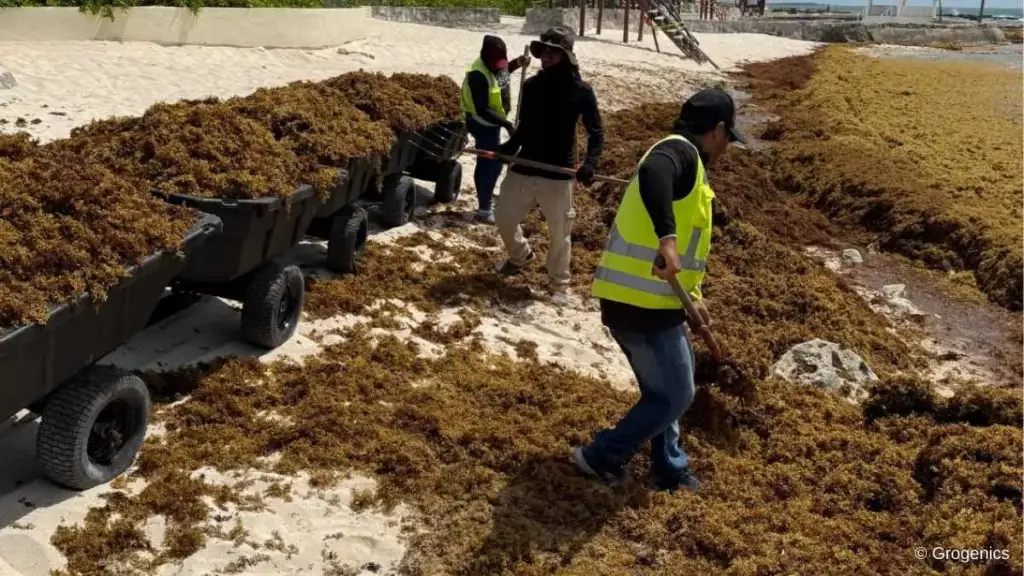
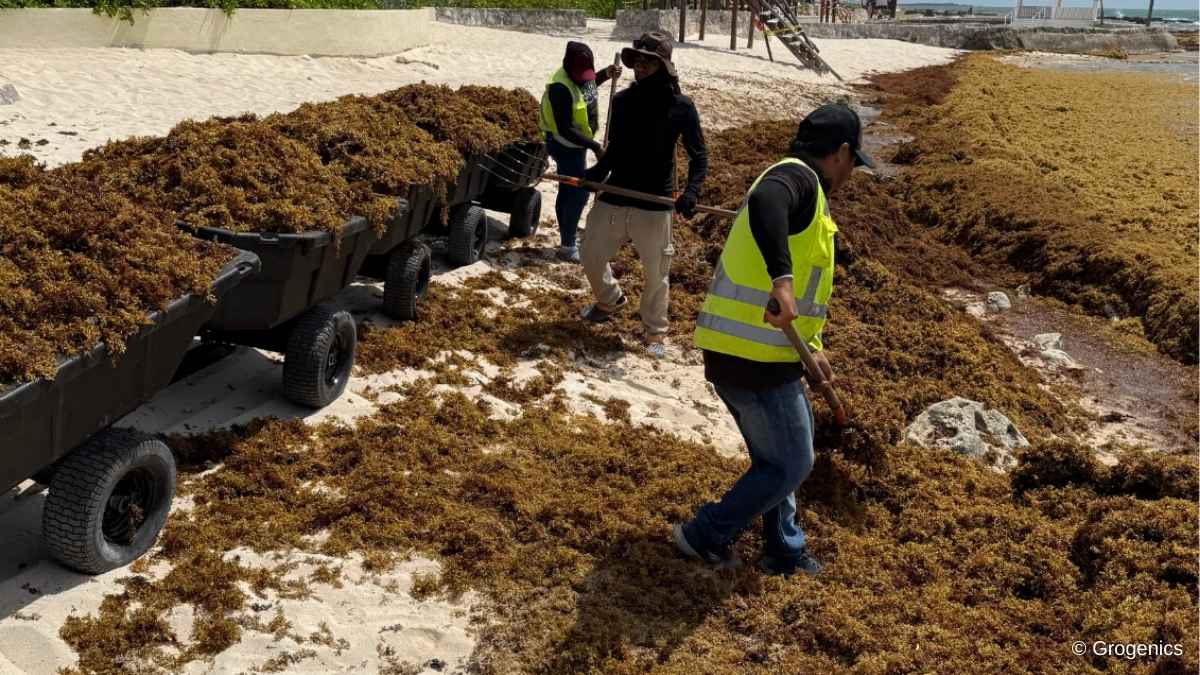
Along the pristine shores of Mexico’s Riviera Maya, massive influxes of pelagic sargassum seaweed have become an ecological crisis. Driven by ocean warming and nutrient runoff, tidal waves of sargassum smother coral reefs, trap nesting sea turtles, and devastate local tourism economies. When left to rot on beaches, the decomposing seaweed emits toxic hydrogen sulfide gas and massive quantities of carbon dioxide.

This innovative initiative utilizes low-impact, manual and mechanical collection methods to remove sargassum from resort shorelines before decomposition sets in. The harvested biomass is then upcycled into high-value products, including agricultural biochar, nutrient-dense compost, and coastal erosion-control barriers.
Accolades and Recognition
Over the past year, the project’s blend of ecological restoration and technological innovation has earned international acclaim:
- Recognized as a Top Innovation Winner in the World Economic Forum’s Coastal Tourism Challenge.
- Awarded the prestigious Ocean Solution Label by the Sustainable Ocean Alliance.
- Honored as a finalist for the 2026 Unlocking the Planet Award.
Beyond carbon removal, the project supports women-led agricultural cooperatives that utilize the derived compost to grow organic produce, supplying sustainable farm-to-table ingredients directly to local hospitality menus.
3. Valle Paleazza Ecological Restoration (Italy)
- Portfolio Share: 5.8%
- Project Type: Blue/Teal Carbon
- Geographic Focus: Italy (Venice Lagoon)
Context and Mechanism
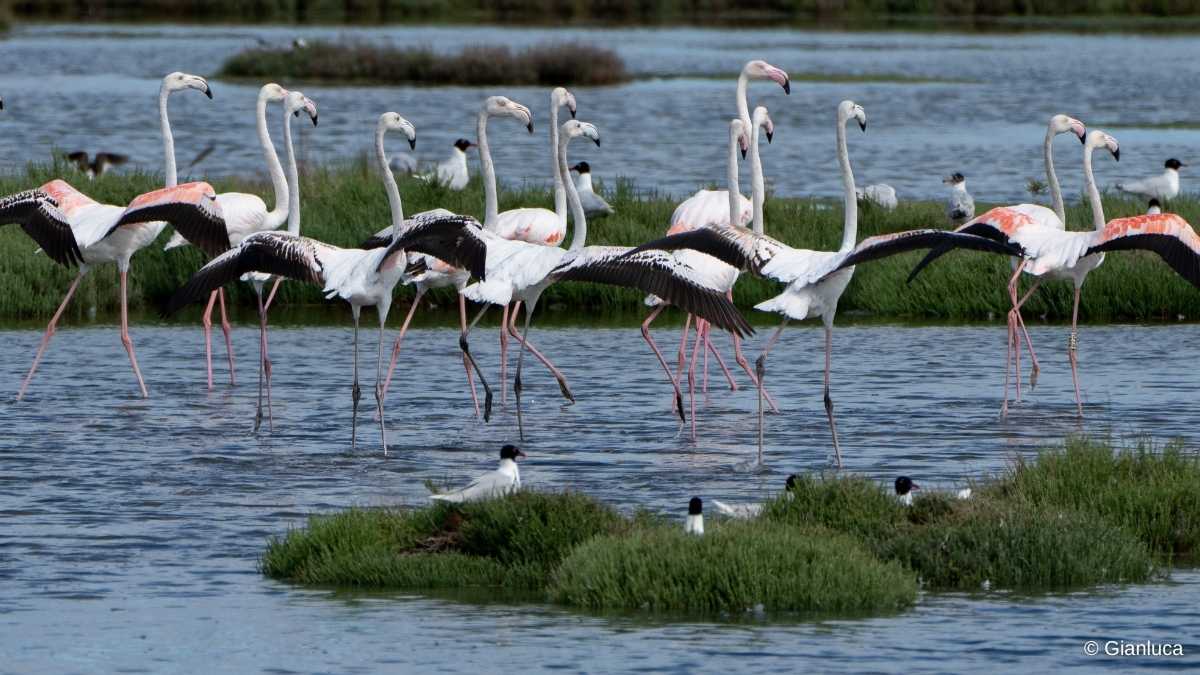
Located within the iconic Venice Lagoon, the Valle Paleazza project restores centuries-old historic fishing valleys. By re-engineering traditional water management systems and executing targeted ecological restoration, the project revitalizes vital blue carbon habitats—submerged aquatic vegetation and salt marshes that sequester carbon at rates manifold higher than terrestrial forests.
Recent Developments (April–May 2026)
In April 2026, the project expanded its terrestrial-marine interface restoration by successfully planting 200 additional trees along the valley edges. Recognizing that sapling mortality is a primary challenge in restoration forestry, the field team maintains an intensive, year-round maintenance regimen. This includes scheduled watering regimens during dry periods, continuous health monitoring, swift replacement of struggling saplings, and active pest and disease management. These efforts ensure the long-term structural integrity and resilience of the lagoon’s transitional ecosystems.
4. Keo Seima Wildlife Sanctuary (Cambodia)
- Portfolio Share: 34.9%
- Project Type: Forests
- Geographic Focus: Cambodia
Context and Mechanism
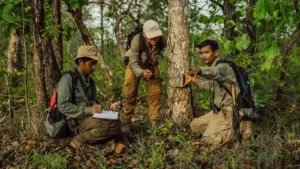
The Keo Seima Wildlife Sanctuary protects a sprawling expanse of tropical forest of profound cultural and economic significance to the indigenous Bunong people. Historically threatened by illegal logging, unsustainable agricultural conversion, and rural poverty, the sanctuary represents a critical biodiversity hotspot. It hosts countless endemic tree species and serves as a vital refuge for endangered wildlife, including the yellow-cheeked gibbon.

Community Empowerment and Safety
Recent months have seen substantial investments in local governance and frontline safety:
- Indigenous-Led Governance: Through focus group discussions and targeted leadership training, forest protection frameworks in communities like Cheung Phnum Beng and Karamash are firmly anchored in indigenous self-determination and transparent management.
- Frontline Safety: In partnership with the Cambodian Red Cross, the project delivered intensive first-aid training to community patrol teams, preparing rangers for medical emergencies during remote anti-poaching patrols.
- Cultural Heritage & Reforestation: The construction of traditional Bunong houses within the sanctuary anchors indigenous architectural history, while the collaborative "Green Sprouts" campaign mobilizes community members to take personal responsibility for local reforestation efforts.
5. Yaeda-Eyasi Landscape Project (Tanzania)
- Portfolio Share: 4.7%
- Project Type: Forests
- Geographic Focus: Tanzania
Context and Mechanism
Operating in the arid and semi-arid dryland forests of Tanzania, this initiative empowers indigenous hunter-gatherer communities to secure legal land tenure and defend their traditional territories against agricultural encroachment. By preventing the conversion of vulnerable dryland forests into slash-and-burn croplands, the project prevents massive carbon emissions while generating direct economic benefits for local residents through carbon credit revenue.
Current Re-Verification and Monitoring
The Yaeda-Eyasi project is undergoing a rigorous five-year independent re-verification under the internationally recognized Plan Vivo Standard. This audit confirms that reported carbon sequestration figures remain accurate and measurable on the ground. Simultaneously, project administrators are updating their carbon baseline accounting methodologies and launching a novel biodiversity monitoring program that utilizes indicator bird species to track overall ecosystem health. Furthermore, the project has enhanced its Free, Prior, and Informed Consent (FPIC) protocols, establishing a gold standard for community engagement and transparent decision-making.

6. Rimba Raya Biodiversity Reserve (Indonesia)
- Portfolio Share: 14.0%
- Project Type: Blue/Teal Carbon / Forests
- Geographic Focus: Indonesia (Borneo)
Context and Mechanism
The Rimba Raya Biodiversity Reserve safeguards a massive tropical peat swamp forest in Indonesian Borneo that was previously zoned for conversion into industrial palm oil plantations. Peat swamp forests are among the most carbon-dense ecosystems on Earth, storing immense volumes of carbon underground in waterlogged organic soil.
By halting deforestation, Rimba Raya prevents catastrophic carbon releases while actively supporting the rescue, rehabilitation, and re-release of critically endangered Bornean orangutans. The project addresses the socio-economic root causes of deforestation—such as local poverty, food insecurity, and lack of healthcare access—transforming local resource users into active stewards of the reserve.
Official Statements and Industry Perspective
Leadership within Sustainable Travel International emphasizes that the release of the 2nd Quarter/First Climate Impact Portfolio of 2026 reflects a maturation of the voluntary carbon market.
"Our objective with the 2026 portfolios is to transcend simple carbon accounting," noted portfolio coordinators in the official release. "True climate leadership requires investing in holistic projects that heal landscapes, protect marine environments, and uplift indigenous communities. When travelers and corporations offset their footprint through our portfolio, they are not merely neutralizing emissions—they are catalyzing systemic, regenerative change across the globe."
Experts note that as regulatory scrutiny intensifies worldwide, portfolios emphasizing multi-standard verification (such as Plan Vivo, Verra, and CCB Standards) alongside robust community co-benefits will remain the gold standard for corporate net-zero alignment.
Future Outlook: The Road Ahead for Climate Portfolios
As the global economy navigates the remainder of 2026 and looks toward the 2030 climate milestones, the role of diversified impact portfolios will continue to evolve. Future iterations of Sustainable Travel International’s portfolios are expected to increase allocations toward cutting-edge marine carbon dioxide removal (mCDR) and enhanced weathering technologies, while maintaining a steadfast commitment to indigenous land rights and forestry preservation.
For businesses, travelers, and institutional partners, participating in these structured portfolios offers a streamlined, scientifically rigorous mechanism to achieve corporate sustainability targets. By balancing immediate energy decarbonization with long-term ecosystem restoration, the First Climate Impact Portfolio of 2026 provides a blueprint for how collective climate finance can effectively secure a resilient, biodiverse future for the planet.