Executive Overview
The health of the global marine environment faces an unprecedented convergence of industrial pressure, shifting climatic baselines, and evolving wildlife dynamics. From the acoustic adaptations of sperm whales in the Caribbean to the uncharted micro-ecosystems of the Great Barrier Reef, recent scientific discoveries continue to unveil both the breathtaking complexity of ocean life and the profound threats it faces. At the same time, marine governance finds itself at a turbulent crossroads. Regulators, policymakers, and environmental advocates are grappling with the fierce friction between commercial maritime operations—such as fisheries, shipping, and prospective deep-sea mining—and the urgent imperative of planetary stewardship.
This comprehensive briefing synthesizes critical developments across five core domains: groundbreaking marine science, shifting fisheries policies and industrial practices, territorial conservation milestones, broad marine protection initiatives, and the accelerating impacts of the global climate crisis. By examining these interconnected threads, a clearer picture emerges of an ocean under immense stress, yet supported by increasingly sophisticated tools for monitoring, management, and legal accountability.
Detailed Chronology of Recent Marine Developments
The past weeks have yielded a rapid succession of scientific breakthroughs, regulatory standoffs, and conservation milestones across international waters.
- Acoustic Adjustments in Caribbean Waters: Researchers associated with Project CETI revealed that sperm whales off the coast of Dominica actively modify key features of their vocalizations, including their characteristic clicks and vowel-like sounds, when commercial shipping vessels pass in close proximity. This behavioral modification underscores the pervasive impact of anthropogenic noise pollution on marine mammal communication networks.
- Expanding the UK Blue Belt Programme: Montserrat officially joined the UK Blue Belt Programme, prompting a delegation of conservation scientists and policy experts to visit the island. The team engaged directly with local fishers, coastal communities, and marine stakeholders to integrate grassroots perspectives into long-term management strategies.
- South Atlantic Enforcement Strengthening: In a significant boost to regional anti-poaching initiatives, Argentina formally joined the United Nations Food and Agriculture Organization’s (FAO) international agreement against illegal, unreported, and unregulated (IUU) fishing, tightening surveillance across the South Atlantic.
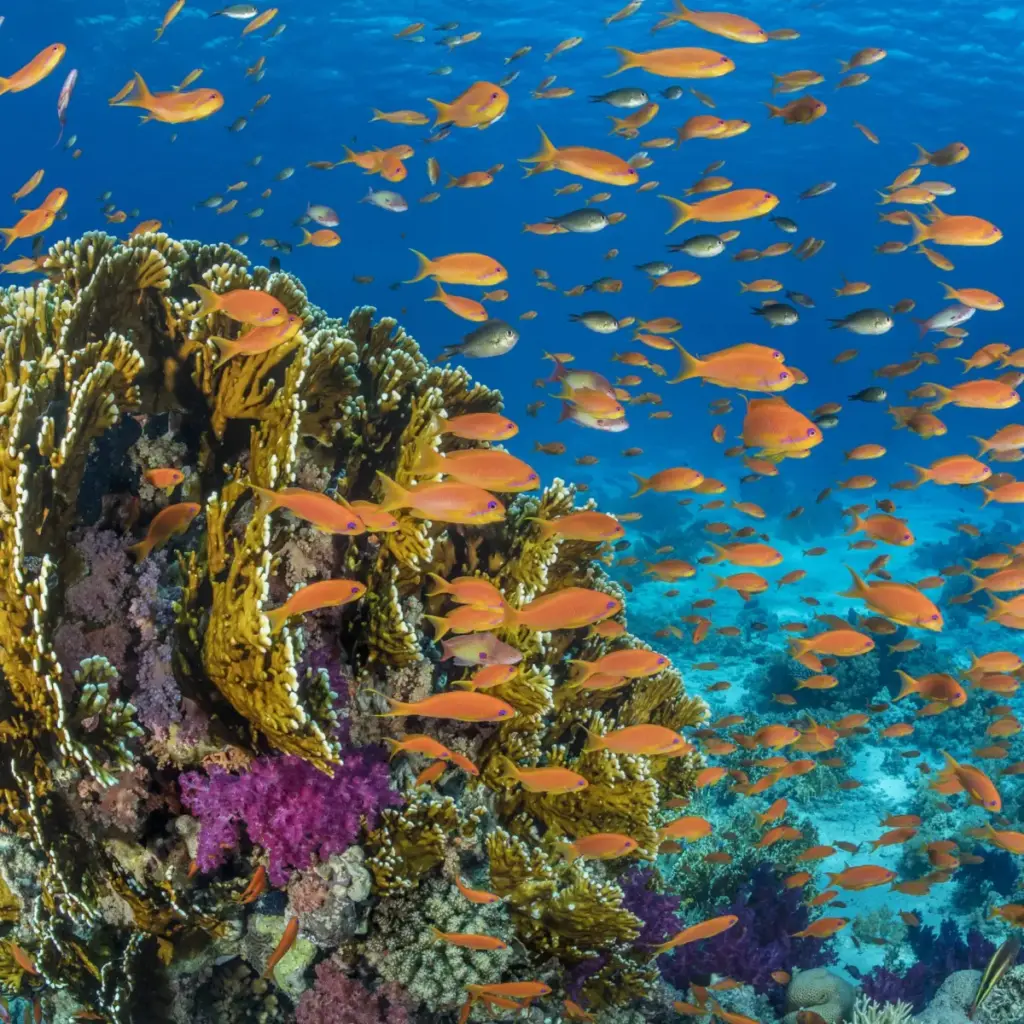
- Microbial Discoveries on the Great Barrier Reef: Marine biologists mapping the microbiome of the Great Barrier Reef announced the discovery of more than 500 bacterial species previously unknown to science, shedding new light on the microscopic symbiotic relationships that underpin coral health.
- Deep-Sea Mining Expansion Plans: The United States government announced controversial intentions to lease deep-sea mining exploration rights in vulnerable abyssal zones near American Samoa, sparking immediate pushback from environmental coalitions.
- Relocation of Captive Cetaceans: Marking a major milestone for captive animal welfare, six beluga whales successfully completed their transfer from the defunct Marineland Canada facility in Niagara Falls to specialized marine care sanctuaries in the United States.
- High-Latitude and Deep-Water Foraging Insights: Novel observational data revealed extraordinary hunting repertoires among marine megafauna, including humpback whales utilizing the deep ocean floor as an active foraging substrate and killer whales (orcas) executing high-impact, coordinated ramming techniques against large prey.
Supporting Context & Metrics
To fully understand the weight of these contemporary developments, one must examine the underlying metrics and systemic contexts driving marine policy and ecological change.
The Economic and Ecological Toll of Climatic Extremes
The marine and terrestrial spheres are intimately linked through thermal and chemical feedback loops. Notably, the severe heatwave that gripped the United Kingdom in June resulted in an estimated £1 billion in direct economic losses, driven by cascading disruptions to workplaces, plummeting labor productivity, and infrastructural strain. Simultaneously, aquatic environments are experiencing a dangerous decline in dissolved oxygen concentrations. These falling oxygen levels—exacerbated by rising water temperatures and agricultural runoff—are placing severe physiological stress on both marine and freshwater species, threatening widespread hypoxia events.
Microplastics as Microbial Vectors
Compounding the chemical pressures on aquatic systems, recent laboratory findings indicate that microplastic pollution serves more than just a physical hazard. These persistent polymer fragments provide stable surfaces upon which pathogenic and environmental bacteria can aggregate, forming robust microbial communities ("plastisphere biofilms") that enhance the survival and geographic dispersal of harmful microbes.
Fisheries Management and Legislative Debates
The economic architecture of the fishing industry remains a subject of intense domestic and international debate. A policy paper published by the Adam Smith Institute argues that transitioning toward a system where fishing quotas are allocated directly to individual fishers—rather than consolidated corporate entities—could realign economic incentives with sustainable stewardship. Meanwhile, regulatory ambiguity persists in other regions; Northern Ireland faces mounting pressure from animal welfare advocates to establish definitive legal clarity regarding the controversial practice of boiling live lobsters, a culinary tradition facing increasing ethical scrutiny.
Official Statements and Stakeholder Perspectives
The friction between industrial productivity and ecological preservation has sparked pointed commentary from watchdogs, legal entities, and civil society groups.
Legal NGO ClientEarth recently intensified pressure on Spanish authorities, issuing formal demands for more aggressive enforcement and technical safeguards to halt the accidental bycatch of cetaceans—including dolphins and whales—in Atlantic commercial fishing gear. ClientEarth’s legal analysts argue that current national implementation of European Union conservation directives remains lethargic and inadequate.
The political backlash against top-down spatial planning was underscored by the UK government’s decision to scrap its proposed marine planning framework following fierce pushback from domestic fishing federations. This retreat highlights the immense political capital required to implement holistic ocean management.
Providing a scathing critique of regulatory capture within environmental governance, prominent environmental journalist and activist George Monbiot addressed the revolving door between corporate lobbies and government ministries in a recent commentary:
“I’ll keep asking the question, regardless of who occupies this office: do you know the name of the environment secretary? The answer is likely to depend on one factor: whether they are ready to break the grip of corporate power, and defend us and the rest of the living world. Whether, in other words, they want to do their job.”
This sentiment echoes through ongoing disputes over agricultural runoff, industrial poultry farming, and lax enforcement within marine protected areas, emphasizing that institutional reform remains the ultimate bottleneck to effective conservation.
Future Outlook: Navigating the Horizon of Marine Conservation
As the international community looks toward the remainder of the decade, the trajectory of global ocean health will depend heavily on the proactive enforcement of emerging legal frameworks and the democratization of marine resource management.
- Acoustic Mitigation and Shipping Regulations: With clear evidence that commercial shipping noise alters the fundamental communication patterns of apex cetaceans like sperm whales, future maritime policy must increasingly incorporate underwater acoustic zoning and mandatory slow-down corridors in critical cetacean habitats.
- Territorial Expansion of Protection: The integration of islands like Montserrat into the Blue Belt Programme, alongside ongoing expedition reports from Anguilla, the Turks and Caicos Islands, and the Cayman Islands, demonstrates the value of regionally tailored marine spatial planning. Scaling these models across other overseas territories will be vital for safeguarding biodiversity hotspots.
- The Looming Threat of Deep-Sea Extraction: The push by superpowers to open Pacific territories—such as American Samoa—to deep-sea mining sets a dangerous precedent. The coming years will witness a fierce geopolitical and legal battle between mining conglomerates seeking critical transition minerals and marine scientists warning of irreversible benthic destruction.
- Climate Resilience and Adaptive Species: While discoveries of temperature-tolerant coral strains in Hawaii and resilient shark refuges in the Alcatrazes Archipelago offer glimmers of hope, they cannot offset unchecked greenhouse gas emissions.
Ultimately, safeguarding the blue planet requires moving beyond reactive crisis management. Only by dismantling corporate lobbying blocks, enforcing rigorous bycatch and anti-poaching measures, and honoring indigenous and local stakeholder insights can the international community hope to secure a resilient future for the global ocean.