By Brandon Drenon and Ben Rich (Lead Weather Presenter)
Executive Overview
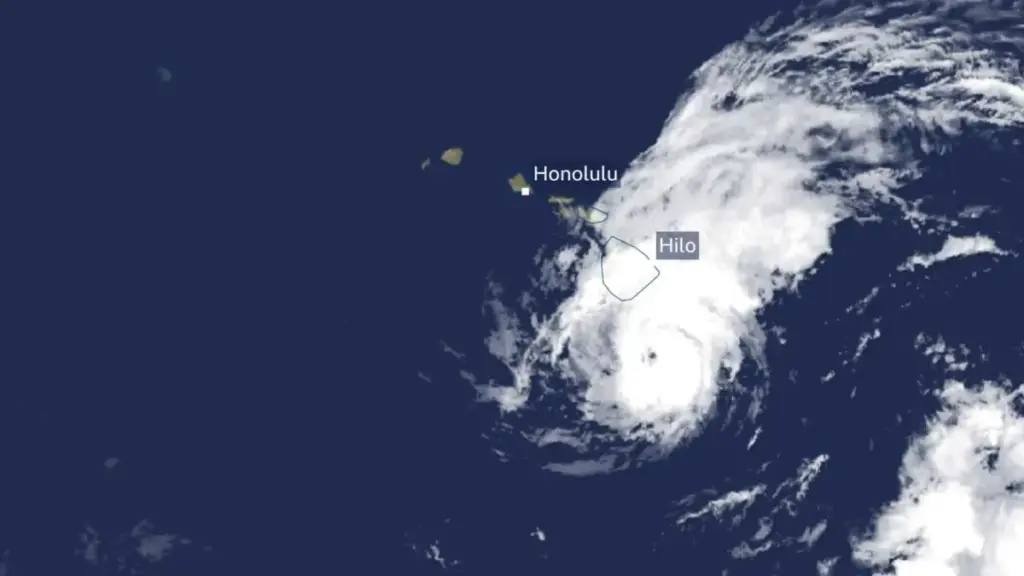
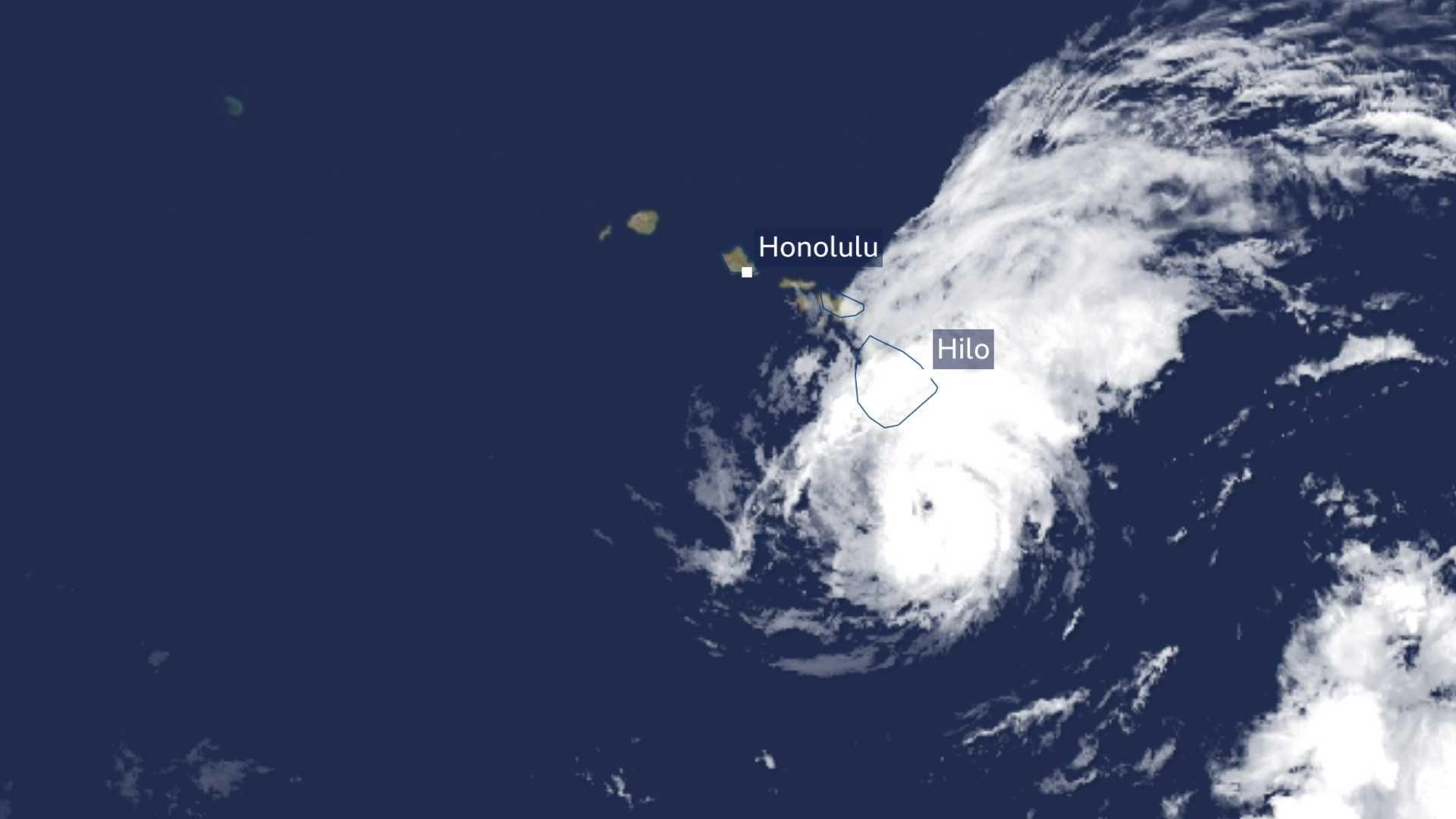
The Hawaiian archipelago is on severe emergency footing as Hurricane Lala churns ominously off its coast, threatening to deliver the state’s first direct hurricane landfall in over three decades. Packing sustained winds of 75 mph (120 km/h) after achieving hurricane status on Saturday, Category 1 storm Lala poses a multifaceted, compounding danger to residents across multiple islands.
While the immediate trajectory places the storm squarely in the crosshairs of Hawaii’s Big Island—where a worst-case scenario predicts up to 25 inches (63 cm) of rainfall and a treacherous 3-foot storm surge—the broader threat profile extends well beyond a single location. Hurricane warnings are officially active for the Big Island, while Maui County, Oahu, Kauai, and Niihau remain under stringent tropical storm warnings.
State and federal emergency management agencies have issued dire warnings regarding "life-threatening" conditions, anticipating widespread flash flooding, severe mudslides, and destructive surf that could disrupt island infrastructure for days. Governor Josh Green and local civil defense agencies have urged residents to lock down their sheltering plans immediately as aviation networks experience catastrophic disruptions.
With the last storm of this magnitude to strike the state being the devastating Category 4 Hurricane Iniki in 1992—and a direct landfall on the Big Island remaining an extreme historical anomaly—Lala represents an extraordinary stress test for Hawaii’s emergency readiness amid a backdrop of rising global ocean temperatures and volatile regional climate patterns.
Detailed Chronology: The Evolution and Path of Hurricane Lala
Intensification to Hurricane Strength
The atmospheric machinery driving Lala began coalescing days prior, but the system underwent a rapid and concerning intensification phase, crossing the threshold from a tropical storm into a Category 1 hurricane on Saturday morning. Fueled by warm Pacific waters and favorable upper-level winds, Lala’s core tightened rapidly as it approached the eastern boundaries of the Hawaiian chain.
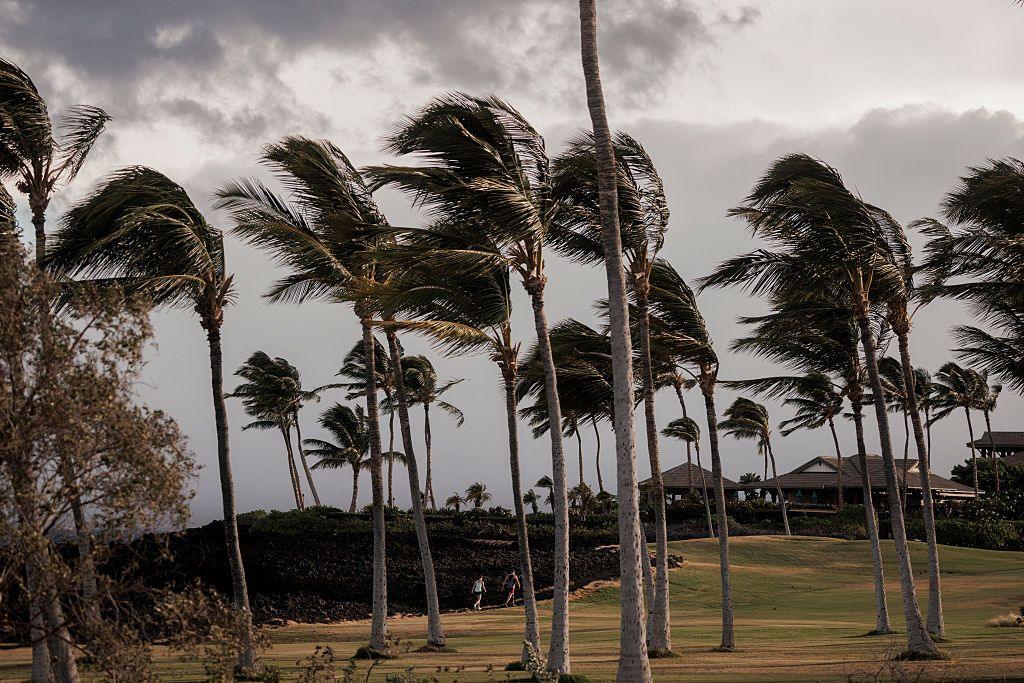
Meteorologists tracking the system noted that sustained winds quickly escalated to 75 mph, with higher, more destructive gusts battering outer rainbands well before the eye wall neared land. As the storm tracked steadily westward, coastal communities began experiencing deteriorating weather conditions, marked by sharply falling barometric pressure, heavy downpours, and escalating wave heights that quickly turned recreational beaches into hazardous zones.
Landfall Projections and Trajectory
According to the National Weather Service (NWS), Lala is projected to either make direct landfall or pass exceptionally close to the southern tip of the Big Island on Saturday. This brings the storm’s volatile center directly over or immediately adjacent to fragile coastal ecosystems, steep volcanic slopes, and densely populated valleys prone to rapid runoff.
Following its encounter with the Big Island, Lala is anticipated to continue its westward trajectory through the weekend. While interaction with the rugged terrain of the Big Island is expected to disrupt the storm’s structural integrity somewhat—potentially weakening it back to a strong tropical storm—the threat will by no means dissipate. As the center of the system passes just south of the remaining islands, its extensive outer bands will continue to lash Maui, Oahu, Kauai, and Niihau with relentless squalls, torrential rains, and dangerous marine conditions.
Supporting Context & Metrics: Historical Parallels and Climate Drivers
A Rare Meteorological Event for Hawaii
Hurricanes striking the Hawaiian islands are statistically rare events, largely due to cool ocean waters to the east and unfavorable wind shear patterns that typically tear apart approaching systems. When storms do threaten the islands, they frequently weaken into tropical depressions or pass harmlessly to the north or south.
A direct strike on the Big Island is an exceptionally rare occurrence. Historical records compiled by the Associated Press indicate that the last time a hurricane officially made landfall on the Big Island was 155 years ago.
When hurricanes do impact Hawaii, the memories are long-lasting and traumatic. The last major hurricane to strike the state was Hurricane Iniki in September 1992. Iniki was a ferocious Category 4 storm that devastated the southern coast of Kauai, resulting in six tragic deaths and causing roughly $3 billion in property damage. While Lala is currently a much weaker Category 1 storm, its slow-moving nature and potential to dump staggering amounts of water on topographically vulnerable terrain present an entirely different suite of severe hazards.
Global Climate Anomalies and Ocean Heat Content
The arrival of Hurricane Lala occurs against a backdrop of unprecedented global climate indicators. According to the European Union’s Copernicus Climate Change Service, the world’s oceans recorded their highest-ever temperatures for July just weeks prior to the storm’s formation. These record-breaking marine heat signatures were partly catalyzed by developing El Niño conditions in the Pacific basin, creating a massive thermal reservoir capable of sustaining and intensifying tropical cyclones.
Globally, the period ranked as the joint second-warmest July on record, with surface temperatures hovering 1.47°C above estimated pre-industrial averages. Warmer ocean waters act as fuel for tropical systems, increasing the likelihood of rapid intensification events.
Paradoxically, this storm arrives during a US hurricane season that federal forecasters initially expected to be subdued. The National Oceanic and Atmospheric Administration (NOAA) previously released projections indicating a 55% chance of a below-normal Atlantic and Pacific hurricane season for 2026—a continuation of a relatively quiet multi-year trend that saw major systems like Category 3 Hurricane Milton strike Florida in October 2024. Nevertheless, climate scientists emphasize that an overall below-normal season does not preclude high-impact, anomalous events like Lala from striking vulnerable regions unexpectedly.
Official Statements and Local Impacts
Government and Emergency Management Warnings
Recognizing the unprecedented nature of the threat, Hawaii Governor Josh Green took to social media to issue urgent directives to the public, warning citizens to brace for "an incredible amount of water."
"Damaging winds, heavy rain, flash flooding and dangerous surf are possible across the state through the weekend," Governor Green posted on X (formerly Twitter). He urged residents to treat the warnings with the utmost gravity, emphasizing that complacency could cost lives.
The National Weather Service issued particularly dire forecasts for the south-eastern sectors of the Big Island. In their official bulletins, NWS forecasters warned:
"Major rainfall flooding may prompt many evacuations and rescues," adding that local rivers and tributaries "may rapidly overflow their banks in multiple places."
The Hawaii County Civil Defense Agency echoed these concerns, announcing that emergency public shelters had been activated in every district across the Big Island. In a structured public update, the agency stated:
"At this time, you should have completed your storm-ready preparations and focusing on your Sheltering Plan."
Aviation Chaos and Infrastructure Strain
The logistical footprint of the storm has already heavily disrupted daily life and commerce across the islands. Commercial aviation ground to a halt as airlines canceled dozens of flights ahead of the severe weather.
According to flight-tracking data from flightaware.com, the disruption was most severe at the state’s primary transit hubs:
- Ellison Onizuka Kona International Airport (Big Island): Approximately 40% of all scheduled flights were grounded as conditions began to deteriorate.
- Hilo International Airport (Big Island): A staggering 80% of flights were abruptly called off, effectively cutting off the island’s eastern air traffic.
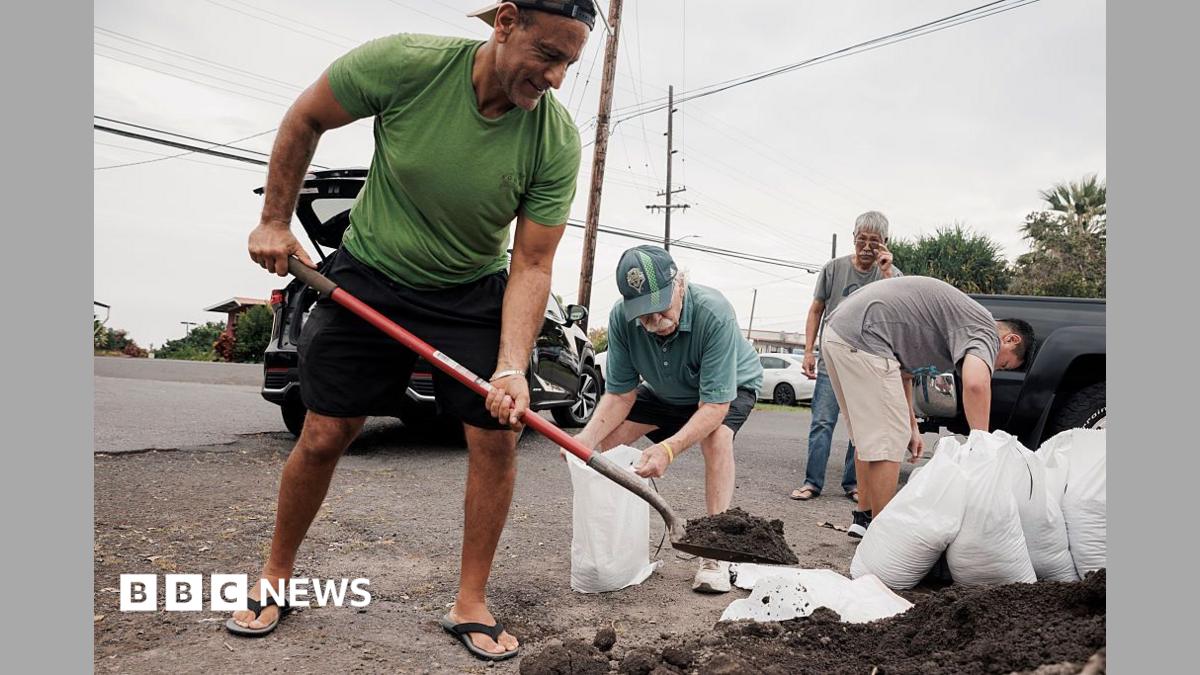
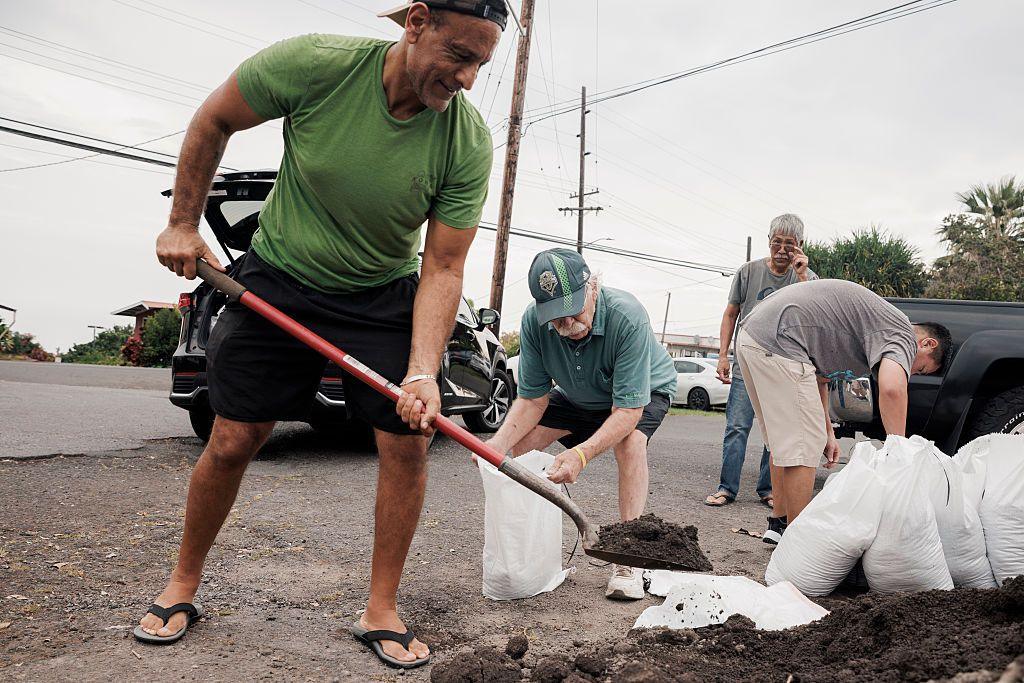
On the ground, grassroots preparations played out across community message boards. Local Facebook groups and neighborhood forums were flooded with frantic exchanges late Friday night. Residents shared advice on filling sandbags to protect vulnerable doorways, while others urgently inquired which local grocery stores and pharmacies remained open during the early hours of Saturday morning to secure emergency provisions, bottled water, and non-perishable goods.
Future Outlook: Managing the Aftermath and Long-Term Resilience
As Hurricane Lala presses westward through the weekend and gradually begins its expected weakening trend into a tropical storm, the immediate focus for Hawaiian authorities will shift swiftly from preparation to search, rescue, and damage assessment.
The primary danger in the immediate aftermath of landfall will not necessarily be the wind—though 75 mph gusts are fully capable of downing power lines, tearing off roofs, and snapping mature trees—but rather the catastrophic inland flooding and slope destabilization. Given the steep topography of the Hawaiian islands, saturated soils are virtually guaranteed to trigger massive flash floods and destructive mudslides that can isolate rural communities for days.
In the longer term, Hurricane Lala is expected to reignite intense policy debates regarding infrastructure resilience, coastal zoning laws, and emergency response capabilities in an era of destabilized climate patterns. As ocean temperatures continue to flirt with historic highs, island communities situated in the middle of the vast Pacific basin face an increasingly complex meteorological future. For now, however, the immediate priority remains singular: riding out the storm, protecting human life, and weathering an encounter with a rare hurricane that has already etched its name into Hawaii’s modern weather history.