

Executive Overview
As climate change accelerates, intensifying heatwaves have become an inescapable reality across much of the globe. Scorching summers are no longer seasonal anomalies; they are recurring systemic crises that reshape daily life, infrastructure, and human behavior. When temperatures soar into record-breaking territory, our immediate survival instinct takes over. In those sweltering moments, the primary concern is sheer physical relief—finding whatever garment will keep body temperatures down. Considerations of ethical manufacturing, supply chain transparency, and environmental stewardship often get pushed to the wayside.
Yet, this reactionary approach overlooks a reassuring reality: many of the world’s most breathable, cooling materials are also its most ecologically responsible. Far from forcing a compromise between comfort and conscience, hot-weather dressing can serve as an entry point into more sustainable consumer habits.
Natural, plant-based textiles such as organic linen and hemp inherently outperform synthetic alternatives in high temperatures, offering superior airflow and moisture management while remaining entirely biodegradable. This guide explores the intersection of climate resilience and ethical fashion, providing a comprehensive framework for dressing sustainably during extreme heatwaves while highlighting verified, highly rated brands leading the charge toward a cooler, kinder future.
Detailed Chronology: The Evolution of Summer Style and the Synthetics Trap
To understand how modern summer wardrobes became dominated by problematic materials, one must look back at the mid-20th-century revolution in textile manufacturing.
- The Mid-Century Synthetic Boom (1950s–1970s): Following World War II, the chemical and textile industries rapidly scaled the production of synthetic polymers like polyester, nylon, and acrylic. Hailed as miracle fabrics due to their wrinkle-resistance, durability, and low cost, these materials quickly displaced natural fibers in everyday apparel, including summer wear.
- The Fast Fashion Acceleration (1990s–2010s): The democratization of fashion through rapid global supply chains flooded the market with ultra-cheap, synthetic-heavy garments. Consumers were conditioned to view clothing as disposable, cementing petroleum-based polyesters as the default fiber for everything from winter coats to lightweight summer dresses and activewear.
- The Climate Reality Check (Present Day): As global temperatures break historical records year after year, the shortcomings of synthetic summer clothes have become glaringly obvious. Rather than cooling the wearer, petroleum-based garments trap body heat and inhibit natural sweat evaporation, exacerbating physical discomfort during heatwaves. Concurrently, environmental scientists have traced alarming volumes of microplastics—shed from synthetic garments during washing—into global waterways and marine food chains.
This historical trajectory has forced a modern reckoning. Consumers are increasingly rejecting the stifling trap of fast-fashion synthetics, prompting a renaissance in traditional, climate-friendly textiles like linen, hemp, and organic cotton.
Supporting Context & Metrics: The Anatomy of a Sustainable Summer Wardrobe
Navigating hot weather sustainably requires a granular understanding of textiles, sun protection, and personal care products. Below is a detailed breakdown of how to audit your summer wardrobe and make choices that benefit both your comfort and the planet.
1. Opt for Lighter, Natural Materials
In warm, sticky environments, lightweight clothing is non-negotiable. However, the environmental footprint of these garments varies wildly depending on the fiber source.
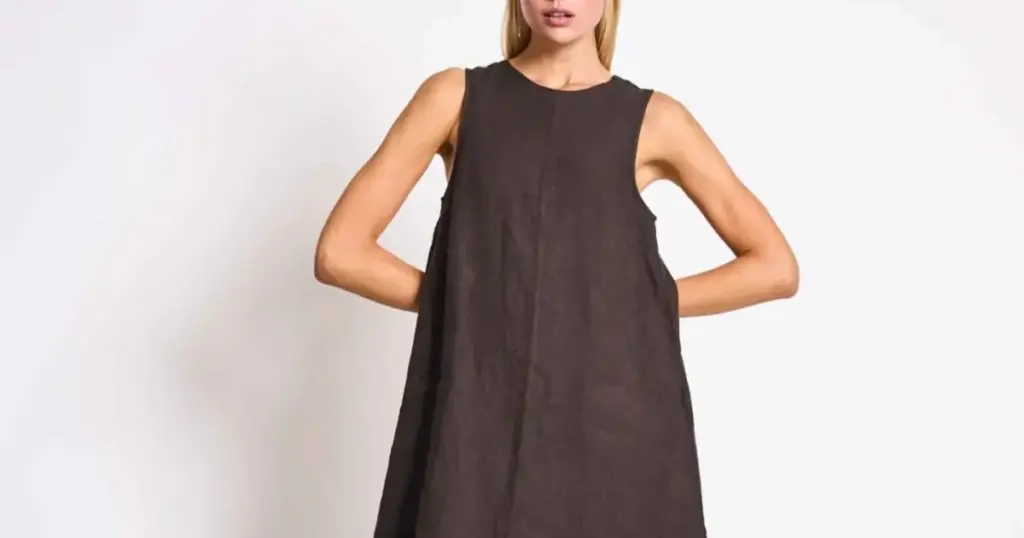
- Organic Linen and Hemp: These are the gold standards of sustainable summer dressing. Flax (linen) and hemp require significantly less water and fewer chemical pesticides than conventional cotton. When left unblended and free of toxic synthetic dyes, they are entirely biodegradable. Furthermore, their molecular structure allows heat to escape easily and moisture to dry rapidly.
- TENCEL Lyocell and Organic Cotton: Derived from sustainably managed wood sources, TENCEL Lyocell offers exceptional breathability and moisture-wicking capabilities through a closed-loop production process that recycles 99% of the solvent used. Organic cotton, grown without synthetic fertilizers, is another reliable choice, provided it is woven into lightweight, airy weaves like gauze or voile.
Spotlight Brands for Sustainable Apparel:
- JAN ‘N JUNE: Hailing from Hamburg, this transparent, fair-fashion label was founded by young female entrepreneurs determined to make sustainable clothing accessible and stylish without compromising on ethics. (Sizes XS–XL)
- SUI: Operating out of its dedicated workshop in Delhi, this Indian label crafts gorgeous womenswear using low-impact processes and earth-friendly fabrics. (Sizes 2XS–2XL)
- CARPASUS: Specializing in fine menswear, Swiss brand CARPASUS utilizes GOTS-certified organic cotton, traces its supply chain meticulously, and ensures that all garment makers receive living wages. (EU Sizes 36–46)
2. Choose Non-Synthetic, Breathable Activewear
Even during periods of rest, high ambient temperatures trigger perspiration. Traditional activewear relies heavily on virgin polyester and spandex, which act as thermal traps and shed millions of microfibers with every wash cycle.
Sustainable activewear brands are shifting the paradigm by utilizing innovative, plant-based alternatives like bamboo-viscose and TENCEL Lyocell. These materials offer high-performance stretch and moisture management without the ecological baggage of plastic-based textiles.
Spotlight Brand for Activewear:
- Tripulse: This Swedish brand designs high-performance activewear with a holistic commitment to planetary and human health, utilizing sustainable, plastic-free alternatives to traditional gym wear. (Sizes XS–6XL)
3. Block Out the Sun Responsibly
Shielding yourself from intense UV radiation is vital during heatwaves, but standard accessories often rely on virgin plastics and exploitative labor practices.
- Sunglasses: Look for frames constructed from innovative, lower-impact materials such as bio-acetate, recycled plastics, sustainably harvested bamboo, or wood.
- Hats: Apply the principles of breathability and circularity by choosing wide-brimmed hats made from organic linen, hemp, or organic/recycled cotton.
Spotlight Brand for Accessories & Casual Wear:
- tentree: Operating with an Earth-first ethos, this Canadian brand plants ten trees for every item purchased—having surpassed 65 million trees planted globally—while ensuring safe working conditions and utilizing lower-impact materials. (Sizes XS–XL)
4. Use Conscious Suncare Products
Skincare is a critical component of summer wellness, yet conventional sunscreens often harbor chemical pollutants that devastate marine ecosystems. Ingredients such as oxybenzone, nano zinc oxide, and titanium dioxide have been linked to coral bleaching and water toxicity.
Consumers should seek out mineral-based sunscreens certified by reputable bodies (such as the Soil Association) that guarantee ecotoxicity safety and formula transparency.
Spotlight Brand for Suncare:
- Odylique: Formulating organic, vegan beauty and suncare products specifically designed for sensitive skin, Odylique ensures all ingredients meet strict organic standards.
5. Make Eco-Conscious Splashes: Sustainable Swimwear
Swimming is one of the most effective ways to cool down during a heatwave, but conventional swimwear is notoriously problematic, typically constructed from virgin nylon and spandex.
To minimize your footprint, look for swimwear crafted from regenerated nylon (such as ECONYL) or durable hemp blends. Extending the lifespan of your swimwear and washing it in microfiber-catching laundry bags will further mitigate shedding.
Spotlight Brands for Sustainable Swimwear:
- Natasha Tonic: Utilizing a natural hemp-based fabric that is antimicrobial, UV-resistant, and durable, this brand creates hand-printed, unique swimwear pieces that are gentle on both skin and oceans. (Sizes XS–XL)
- ColieCo: Based in Portugal, this lingerie and swimwear brand operates on a made-to-order model, ensuring zero deadstock while manufacturing exclusively with responsibly sourced, lower-impact fabrics. (Sizes 2XS–3XL)
Official Statements and Industry Insights
The intersection of extreme weather events and fashion sustainability has prompted leading industry bodies and advocacy groups to issue urgent guidance for both consumers and manufacturers.
Dr. Elena Vance, a senior climate adaptation researcher in European textiles, noted:
"We are past the point where fashion can be viewed purely as a seasonal aesthetic pursuit. High temperatures driven by anthropogenic climate change are a public health issue. The materials we wear either protect our bodies from thermal stress or compound it. By shifting away from petrochemical synthetics back to intelligent natural fibers like hemp and linen, we align human comfort with planetary survival."
Furthermore, representatives from ethical fashion watchdogs emphasize the necessity of systemic transparency. As supply chains face disruptions from extreme weather events across agricultural hubs worldwide, brands are increasingly pressured to localize production, shorten supply chains, and guarantee living wages for workers operating in increasingly dangerous heat conditions.
Future Outlook: The Road Ahead for Climate-Adaptive Fashion
Looking forward, the relationship between climate change and the fashion industry will continue to evolve in tandem with rising global temperatures.
- Material Innovation: Expect accelerated investment in next-generation biomaterials—such as agricultural waste fibers, algae-based polymers, and lab-grown silk—that offer high breathability without depleting arable land or water resources.
- Regulatory Pressures: Governments in the European Union and beyond are moving toward stricter regulations on greenwashing and textile waste. Fast-fashion business models reliant on cheap, non-recyclable synthetics will face mounting economic hurdles, including carbon tariffs and extended producer responsibility (EPR) laws.
- Consumer Shifts: As heatwaves increase in frequency and severity, consumer purchasing behavior will likely undergo a permanent structural shift. Breathability, durability, and verifiable ethical credentials will no longer be niche market preferences; they will become baseline expectations for the modern wardrobe.
By making deliberate, informed choices—opting for natural fibers, supporting transparent brands, and investing in durable, timeless pieces—consumers can navigate the sweltering realities of a warming planet while actively contributing to a more sustainable and equitable fashion ecosystem.
Editor’s Note
Good On You publishes the world’s most comprehensive ratings of fashion and beauty brands based on their impact on people, the planet, and animals. Explore the complete Good On You Directory to search thousands of rated brands and wear the change you want to see.



