

By Lindsey Jurca
Senior Plastics Campaigner, Greenpeace USA
Executive Overview
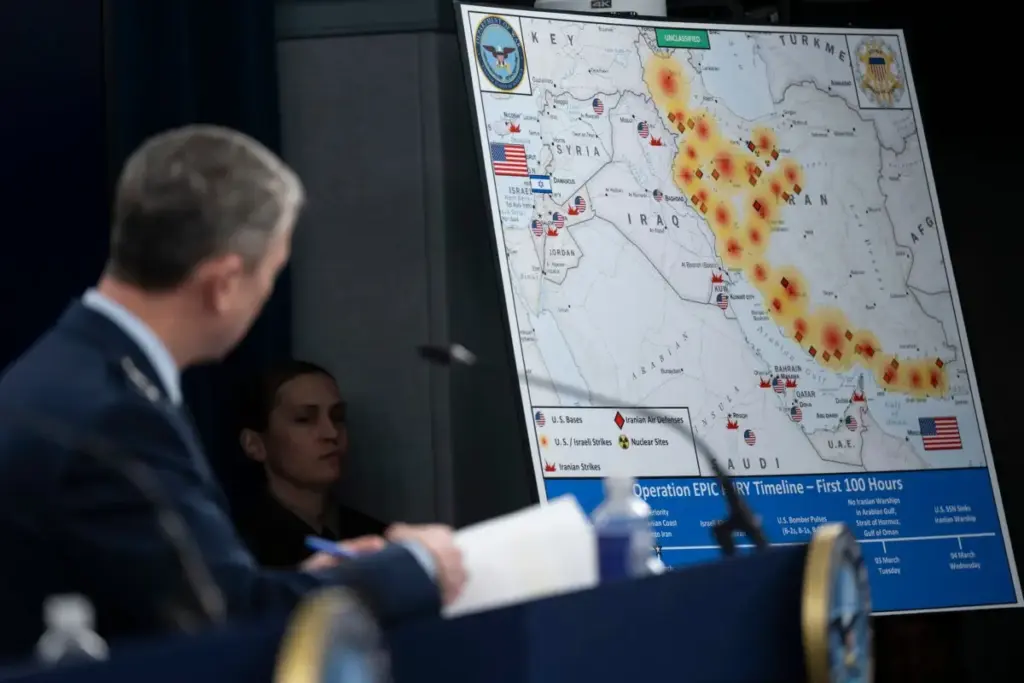
The gravest and most heart-wrenching consequences of modern geopolitical conflict are inevitably borne by civilians: lives lost, families abruptly displaced, and vital public infrastructure reduced to rubble. Yet, the shockwaves of the war on Iran have demonstrated a terrifying, less visible truth about our interconnected global economy. Beyond the immediate theatre of war, the conflict triggered a violent fossil fuel and petrochemical shock that reverberated far beyond the battlefield, penetrating our grocery stores, pharmacies, household cupboards, and children’s toy chests.
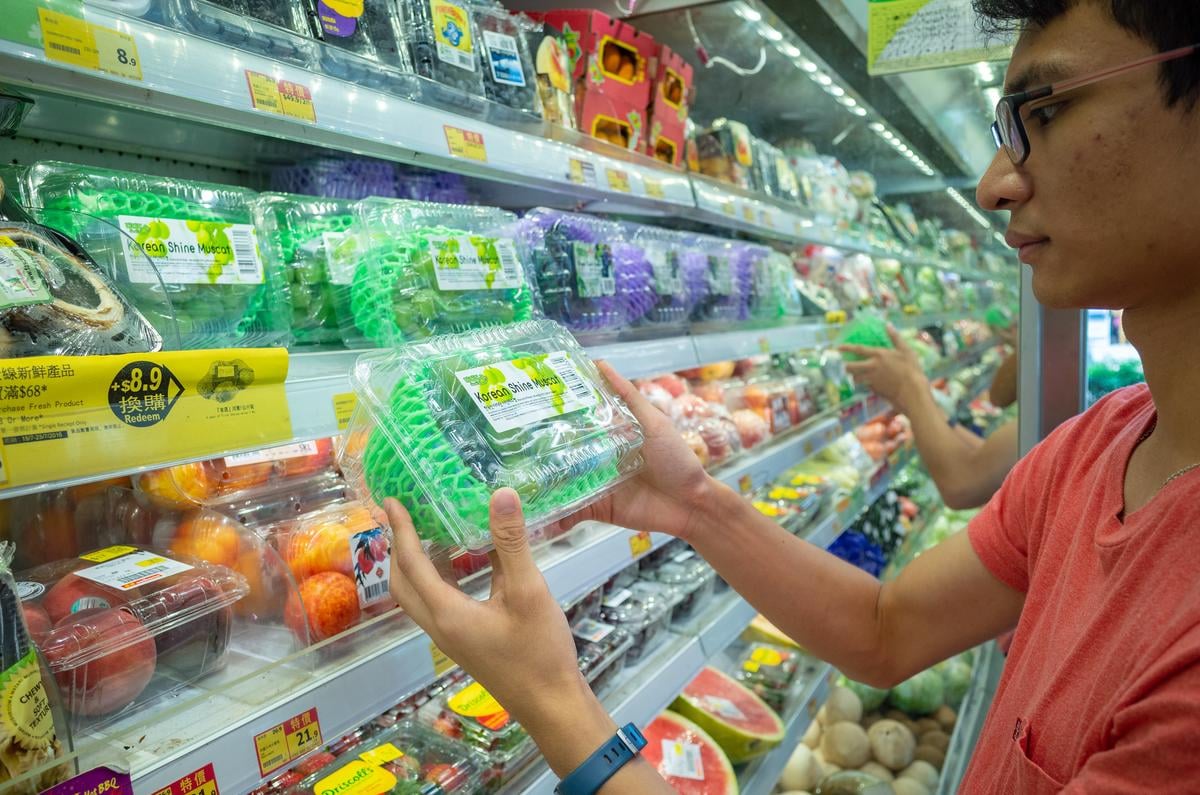
Nearly everything we buy—from rigid shampoo bottles and protective strawberry packaging to critical medical equipment—is tethered to petrochemicals, wrapped in single-use plastic, or both. This invisible dependency creates a profound structural vulnerability. When oil and gas supplies are disrupted, the cost and availability of packaging, medical supplies, and everyday consumer goods are destabilized almost overnight. Households, public services, and vulnerable communities ultimately pay the price.
This ongoing crisis has fundamentally altered the geopolitical landscape surrounding the upcoming negotiations for the Global Plastics Treaty. It has unmasked the hidden economic risks of remaining tethered to an ever-expanding plastics supply chain. As governments prepare for the next round of treaty negotiations, they face a definitive choice: they can lock their economies into deeper vulnerability to future price and supply shocks, or they can build resilient, circular economies capable of withstanding them.
Detailed Chronology: The Anatomy of a Petrochemical Shock
The conflict in Iran did not merely destabilize energy and transport markets; it immediately choked the lifeblood of the global petrochemical apparatus. The crisis exposed how fragile modern supply chains are when they rely on a volatile, single-source foundation.
The Immediate Disruption and Force Majeure
Within weeks of the conflict’s escalation, plastic production, imports, and exports fractured simultaneously. Major petrochemical producers found themselves entirely cut off from essential feedstocks, particularly naphtha derived from Middle Eastern crude. Formosa Petrochemical Corp (FPCC)—one of the largest plastics and chemical producers in the world—was forced to declare force majeure, legally relinquishing its contractual obligations due to extraordinary circumstances entirely beyond its control.
In Japan, domestic production of polyethylene, a foundational polymer widely used in shopping bags and industrial packaging, plummeted by a staggering 62% in March alone. These upstream manufacturing crashes did not stay contained within factories; severe shortages bled directly onto supermarket shelves, leaving retailers and consumers scrambling.
Medical and Consumer Fallout
The downstream impacts manifested rapidly in sectors where shortages carry life-threatening consequences:

- Healthcare Supply Chains: In South Korea, the severe tightening of medical-grade plastics forced the government to enact emergency bans on the hoarding of medical syringes and hypodermic needles to prevent catastrophic supply failures in hospitals.
- Household Goods: Everyday hygiene products saw immediate inflation. In global retail markets, body wash prices climbed by an average of 7.7% within weeks.
- Toy Manufacturers: A major US-based soft-toy manufacturer reported that its primary Chinese suppliers cited raw material cost surges of 10% to 15% within the first three weeks of the war.
The US Department of Energy notes that petrochemicals are utilized in over 6,000 everyday products. The crisis proved that while total overnight transformation is impossible, our unchecked reliance on virgin polymers represents an unmanageable systemic risk.
Supporting Context & Metrics: Winners, Losers, and the Burden on Households
The economic fallout of the petrochemical crisis exposed deep systemic inequities. The benefits and harms of the fossil-plastics nexus are not distributed fairly; rather, they carve deep divides between corporate profiteers and struggling households.
The Corporate Windfall vs. Small Business Squeeze
While certain regions buckled under the weight of surging feedstock costs—such as South Korea, where naphtha import prices skyrocketed by 68% in a single month and small- and medium-sized manufacturers faced material cost hikes exceeding 20%—other market players reaped historic windfalls.
- China’s Strategic Pivot: Facing years of domestic oversupply and low margins, Chinese industrial actors utilized the crisis to offload accumulated inventory, ramp up idle capacity, and absorb market share left vacant by disrupted international competitors, securing a potentially permanent foothold in global polypropylene (PP) markets.
- US Ethane-Fed Resilience: US petrochemical producers, largely insulated by cheap domestic ethane feedstocks rather than naphtha tied to the Strait of Hormuz, maintained lower input costs. Industry giants leveraged this advantage. Dow aggressively raised North American polyethylene prices by 10 cents a pound in March, followed by another 15 cents in April, before doubling down on further increases later in the year.
- Explosive Profit Margins: LyondellBasell reported that its second-quarter earnings surged nearly 600% year-on-year to $1.4 billion. Similarly, Dow swung rapidly from a net loss to robust profitability within quarters of the war’s outbreak.
While petrochemical executives celebrated record margins, frontline communities situated near extraction, refining, and manufacturing facilities continued to shoulder disproportionate pollution and public health burdens.

The Consumer Price Crunch
According to NielsenIQ retail data, grocery prices in the US surged 2.9% year-on-year during the initial weeks of the conflict. Bottled water prices spiked by 5.8%, while essential hygiene products containing synthetic polymers—such as nappies, sanitary pads, and tampons—witnessed price hikes ranging from 2% to 6%. School lunchboxes experienced an astonishing 26% price increase, representing the steepest jump across all back-to-school retail categories.
In the footwear sector, where approximately 70% of synthetic shoe materials are derived from petrochemical feedstocks, analysts projected price escalations of up to 3% heading into late summer. In Taiwan, the price of a basic plastic bag more than doubled, prompting major retailers like Costco to ration food storage bags per customer.
Official Statements and Policy Shifts: Choosing Reuse and Resilience
Faced with the immediate threat of supply chain collapse, certain visionary governments recognized that emergency triage was insufficient. Structural reform was urgently required.
In March, South Korean President Lee Jae Myung addressed his cabinet, warning that the nation’s profound dependency on petrochemical imports posed a direct and volatile threat to civil society. He explicitly noted that the crisis "poses a serious threat to people’s daily lives." By April, South Korea transitioned from crisis management to long-term economic redesign, officially calling for the establishment of a "plastics-free economy."
Similarly, Taiwan accelerated investments in robust reuse infrastructure, proving that societies can successfully pivot away from single-use plastics when forced by circumstance. When plastic bags and packaging became scarce, daily life did not grind to a halt; instead, retailers adjusted, government-backed reuse programs expanded, and citizens embraced reusable alternatives.
Private sector leaders also took note. French retail giant Carrefour committed to removing 5,000 tonnes of plastic from its packaging lines by prioritizing refillable formats and absolute packaging reductions, passing those operational savings directly to inflation-weary consumers.
Future Outlook: The Imperative for a Binding Global Treaty
The war on Iran is not an isolated historical anomaly. It mirrors past supply-chain shocks, such as the six-day blockage of the Suez Canal by the Ever Given in 2021, which similarly paralyzed global trade networks and inflated polymer prices.
Looking forward, the International Energy Agency (IEA) projects that plastics and petrochemicals are on track to become the single largest driver of growth in global oil demand through 2050. Virgin plastic production is inextricably bound to the fossil fuel industry; as long as plastic production expands, oil and gas demand will remain high, trapping global economies in a perpetual cycle of geopolitical vulnerability.
Breaking the Cycle at the Global Plastics Treaty
The ultimate lesson of the petrochemical crisis is clear: societies built on volatile fossil fuel feedstocks and unending virgin plastic production are inherently fragile.
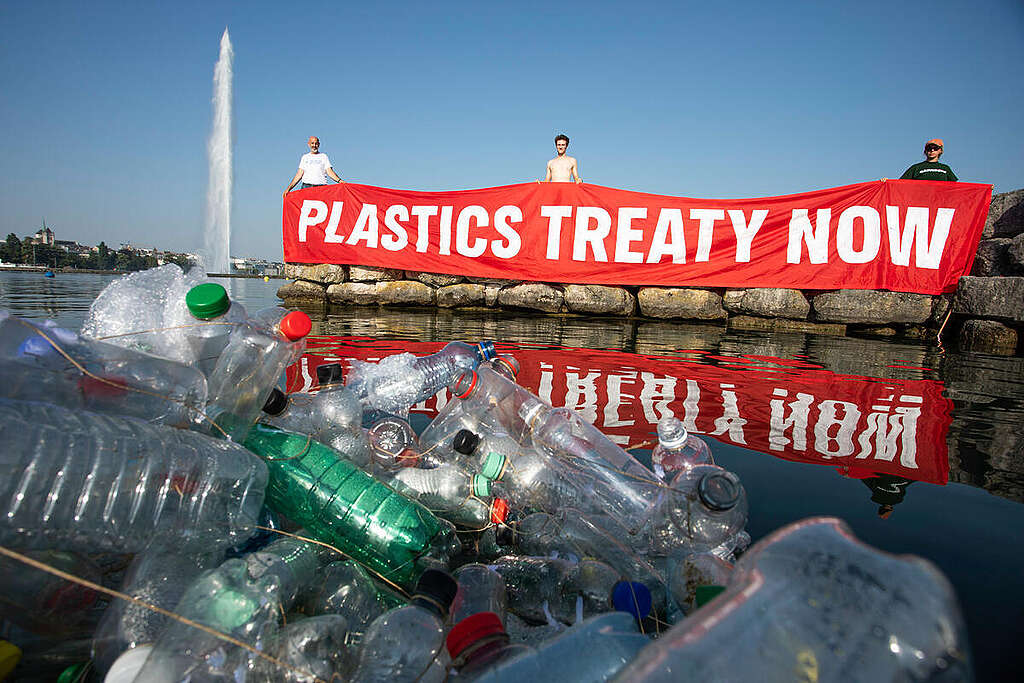
As international delegates gather for the next rounds of Global Plastics Treaty negotiations, governments possess a historic window of opportunity. A legally binding treaty that mandates absolute caps on plastic production, aggressively expands publicly supported reuse systems, and enforces a just transition away from petrochemical dependency is no longer solely an environmental objective. It is an absolute prerequisite for global economic security, public health, and geopolitical stability.
Governments must prioritize public well-being over the short-term profits of fossil fuel conglomerates. By turning off the tap on virgin plastic production and investing in resilient, accessible refill systems, world leaders can protect ordinary citizens from the next inevitable market shock—and finally bring an end to the age of plastic.
For a more in-depth analytical breakdown of these findings, read our full policy brief.



