Executive Overview
In a milestone that underscores the widening chasm between state-level climate ambitions and federal policy shifts, the California Energy Commission (CEC) announced this week that the Golden State officially surpassed 2.5 million cumulative new zero-emission vehicle (ZEV) sales in 2025.
For the purposes of state tracking, the CEC’s "ZEV" metric encompasses a broad category of electrified transport, including battery-electric vehicles (BEVs), fuel-cell electric vehicles (FCEVs), and plug-in hybrid electric vehicles (PHEVs)—the latter of which frequently spark debate among purists given their reliance on internal combustion engines. Nevertheless, the aggregate figure serves as a staggering testament to the velocity of California’s plug-in market.
Since the close of 2019, cumulative ZEV sales across the state have surged by more than 300%. This exponential growth has not happened by accident; it is the direct result of an aggressive matrix of state clean-transportation policies, financial incentives, mandatory sales targets, and enduring consumer demand.
Crucially, this growth demonstrated remarkable resilience in the final quarter of 2025. Even as federal ZEV purchase incentives expired on September 30, 2025—sending adoption rates plummeting nationwide—California’s market held firm. While national ZEV sales cratered in the fourth quarter, Californians continued to purchase tens of thousands of electrified vehicles, proving that state-level market momentum can, under the right conditions, weather federal policy reversals. As state leaders roll out new, localized rebate proposals and continue pouring capital into public and private charging infrastructure, California remains the undisputed bellwether for the future of American clean mobility.
Detailed Chronology: How California Scaled the 2.5 Million ZEV Peak
To understand how California achieved this landmark milestone, it is necessary to examine the historical arc and regulatory framework that paved the way for mass adoption.
The Regulatory Foundation
California’s dominance in the ZEV market is rooted in decades of regulatory foresight. Armed with a unique waiver under the federal Clean Air Act, the California Air Resources Board (CARB) has long possessed the authority to set vehicle emissions standards stricter than the federal baseline. Over the years, this authority birthed the Advanced Clean Cars regulations, culminating in the landmark Advanced Clean Cars II rule. This mandate requires that 100% of all new passenger car and light-duty truck sales in the state be zero-emission by 2035.
These regulatory pushes created a predictable framework for automakers, compelling them to allocate vehicle supply and marketing dollars to California long before the rest of the country caught up.
The 2019–2025 Inflection Point
At the end of 2019, California’s cumulative ZEV tally was a fraction of what it is today. However, the ensuing five years witnessed a perfect storm of expanding model availability, improving battery chemistries, falling production costs, and robust state-backed rebates.
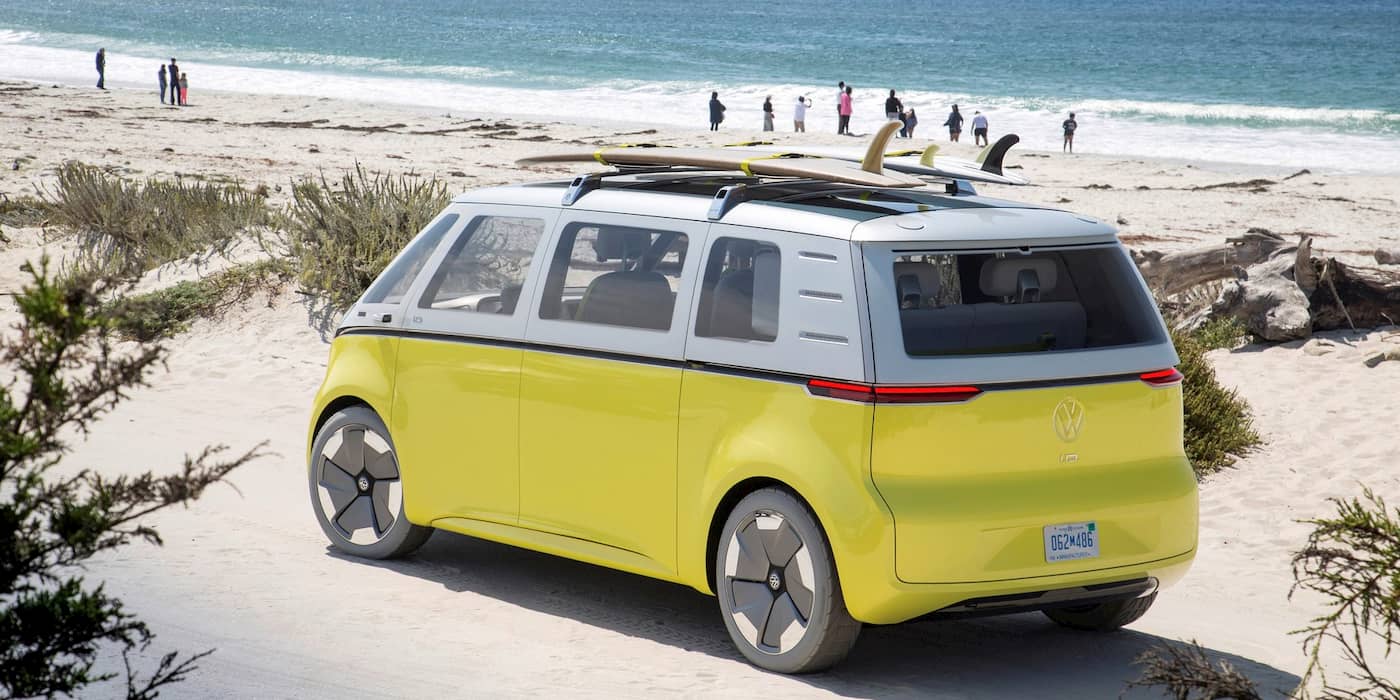
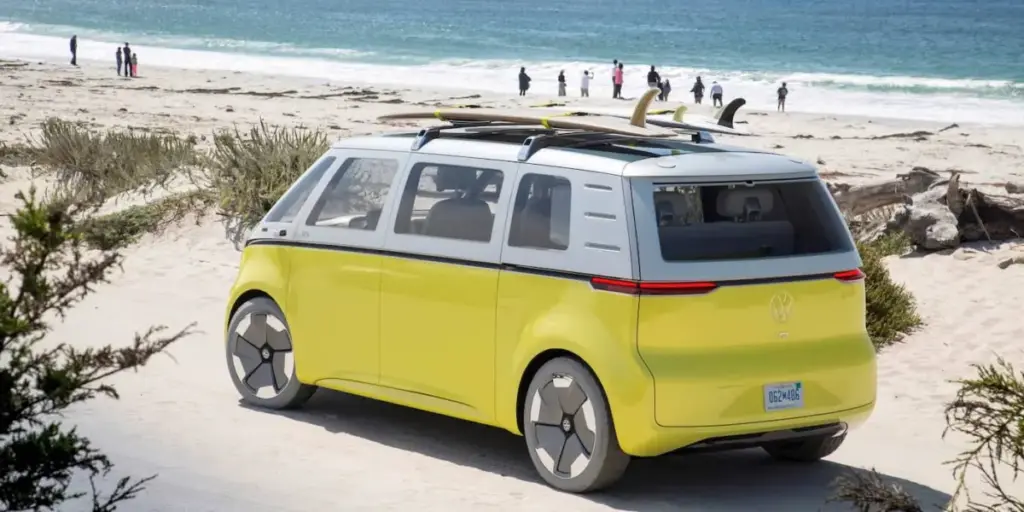
By the end of 2023, cumulative sales had climbed past the one-million-plus mark, but the sprint from late 2023 through 2025 proved to be the most explosive growth phase in the state’s history. Automakers flooded the market with everything from affordable compact crossovers to electric three-row SUVs and even battery-powered commercial vans, expanding consumer choice and lowering entry barriers. By the fourth quarter of 2025, consumers had an astonishing 149 distinct ZEV models to choose from within showroom floors across the state.
The Q4 2025 Resilience Test
The true stress test for California’s ZEV market arrived in the final months of 2025. On September 30, 2025, federal purchase incentives for clean vehicles—long viewed as a critical crutch for early-to-mid market adoption—officially expired.
Nationwide, the impact was immediate and severe. According to data compiled by Cox Automotive, national ZEV sales plunged to a meager 5.8% of total new-vehicle sales in the fourth quarter, down sharply from 10.5% in the third quarter.
In stark contrast, California’s market absorbed the blow. In Q4 2025 alone, Californians purchased 79,066 new ZEVs, capturing an impressive 18.9% market share of all new-car sales in the state. While this represented a cooling from the record-shattering 29.1% market share captured in Q3 2025, it demonstrated that California consumers have developed a structural preference for electric mobility that transcends federal subsidies.
Supporting Context & Metrics: Decoding the Numbers
A deeper dive into the data reveals the structural health of California’s electrified vehicle ecosystem, as well as the widening performance gap between the Golden State and the rest of the nation.
Categorizing the Fleet
While the CEC groups battery-electric vehicles, fuel-cell electric vehicles, and plug-in hybrids under the overarching "ZEV" umbrella, market analysts closely monitor the breakdown within that category. Pure battery-electric vehicles continue to command the lion’s share of sales, driven by lower ongoing maintenance costs and the rapid expansion of fast-charging networks. Fuel-cell vehicles remain a niche, largely confined to specific regions of Southern California due to hydrogen refueling constraints, while plug-in hybrids act as a bridge technology for consumers concerned about long-distance travel.
The National vs. State Divergence
The divergence between California’s Q4 performance and national trends highlights the vulnerability of nascent markets reliant entirely on federal largesse. When federal incentives vanished, states lacking robust regional mandates, localized utility rebates, and extensive charging infrastructure experienced steep declines in consumer adoption.
California, conversely, possesses a self-sustaining market flywheel. High gasoline prices in the state—traditionally among the highest in the nation—create a powerful, ongoing economic incentive for drivers to switch to electricity, which remains significantly cheaper per mile than gasoline. Furthermore, the sheer density of existing ZEVs on California roads serves as free marketing; as friends, family members, and colleagues experience firsthand ownership benefits, range anxiety dissipates and social proof accelerates organic adoption.

Official Statements: Defiant Leadership in the Face of Federal Headwinds
State regulators and executive officials lost no time in framing the 2.5 million milestone as both an environmental triumph and a strategic economic defense against shifting political tides in Washington.
California Energy Commissioner Nancy Skinner pulled no punches when addressing the state’s multi-year trajectory:
"No state in the union can match California’s five-year growth in ZEV sales. Each quarter, even in the face of increasing federal headwinds, tens of thousands of consumers are purchasing a ZEV in the Golden State, enjoying a great driving experience, and knowing they never have to go to a gas station again."
Skinner’s remarks directly reference the hostile federal environment facing clean energy initiatives, signaling that California intends to maintain its aggressive regulatory and financial posture regardless of shifting national administrations.
Echoing this sentiment, California Air Resources Board (CARB) Chair Lauren Sanchez highlighted the broader economic imperative of maintaining clean-transportation leadership:
"Governor Newsom’s new rebate proposal sends a clear message: California isn’t slowing down, we’re still leading the pack. It’s not just about clean air, it’s smart economic policy."
Sanchez’s reference to Governor Gavin Newsom’s preliminary budget—released on January 9—underscores the state’s proactive stance. To combat the vacuum left by expired federal credits, Governor Newsom proposed a brand-new $200 million incentive program designed to shore up consumer demand and stimulate domestic automotive innovation within the state.
Future Outlook: Infrastructure and the Road Ahead
Surpassing 2.5 million ZEV sales is a monumental achievement, but state planners are acutely aware that the next phase of adoption will require tackling different challenges—chiefly, charging infrastructure accessibility and equity for multi-unit housing residents.

Scaling the Charging Grid
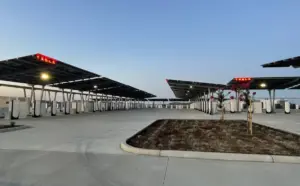
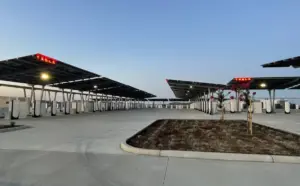
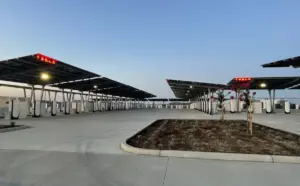
California’s infrastructure buildout has progressed at a rapid clip. The state currently boasts more than 200,000 public and shared private EV charging stations, complemented by an estimated 800,000 home-installed chargers.
However, to support the millions of additional ZEVs expected on the road over the next decade, the infrastructure rollout must accelerate further. The CEC’s Clean Transportation Program Investment Plan update for fiscal year 2025–2026 allocates $98.5 million specifically for light-duty ZEV infrastructure.
A primary focus of this upcoming funding cycle will be addressing the "charging desert" problem in multifamily housing. While single-family homeowners can easily install Level 1 or Level 2 chargers in their garages or driveways, apartment and condo dwellers face significant hurdles. The CEC’s upcoming investments will prioritize Level 1 and Level 2 charging installations in locations where vehicles sit idle for extended periods, making overnight and workplace charging more accessible to renters and urban residents.
Anticipated Assessments in 2026
Later this year, the CEC is slated to release a series of comprehensive infrastructure assessments. These reports will provide granular data on charging utilization rates, regional deficits, grid capacity, and heavy-duty corridor requirements, guiding future capital allocation as California marches toward its 2035 zero-emission mandate.
As federal policies fluctuate and the broader automotive industry navigates the complexities of the global energy transition, California’s latest milestones send an unambiguous signal. Through targeted financial investments, uncompromising regulatory standards, and a deep-seated commitment to decarbonization, the Golden State is determined to write the playbook for the future of global transportation.