

Executive Overview
The global transition toward vehicle electrification relies entirely on a singular, fragile link: the critical minerals supply chain. For decades, the vast majority of lithium—the indispensable lifeblood of modern lithium-ion batteries—has been extracted domestically or abroad only to be shipped overseas for processing and refining. This entrenched reliance has created profound geographic bottlenecks, geopolitical vulnerabilities, and persistent price volatility that threaten to derail aggressive clean energy adoption timelines.
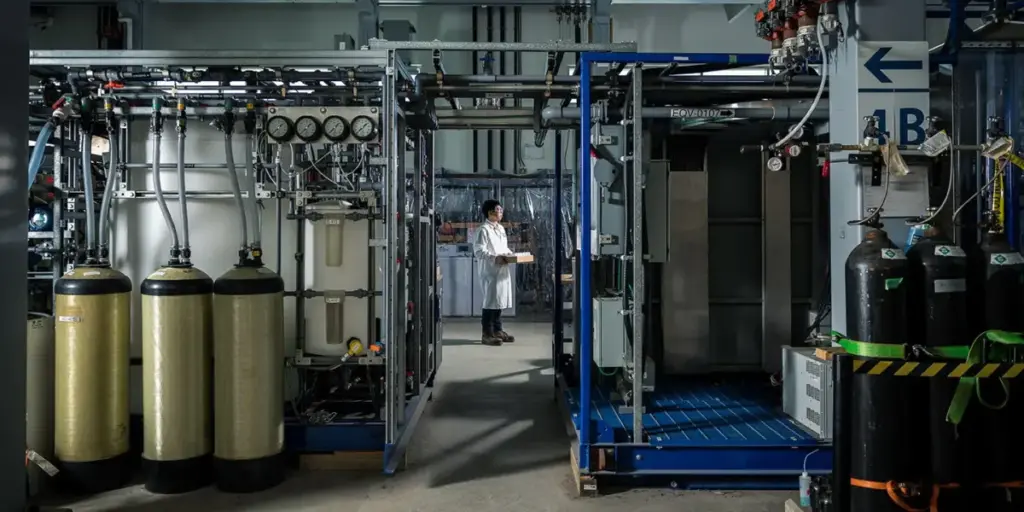
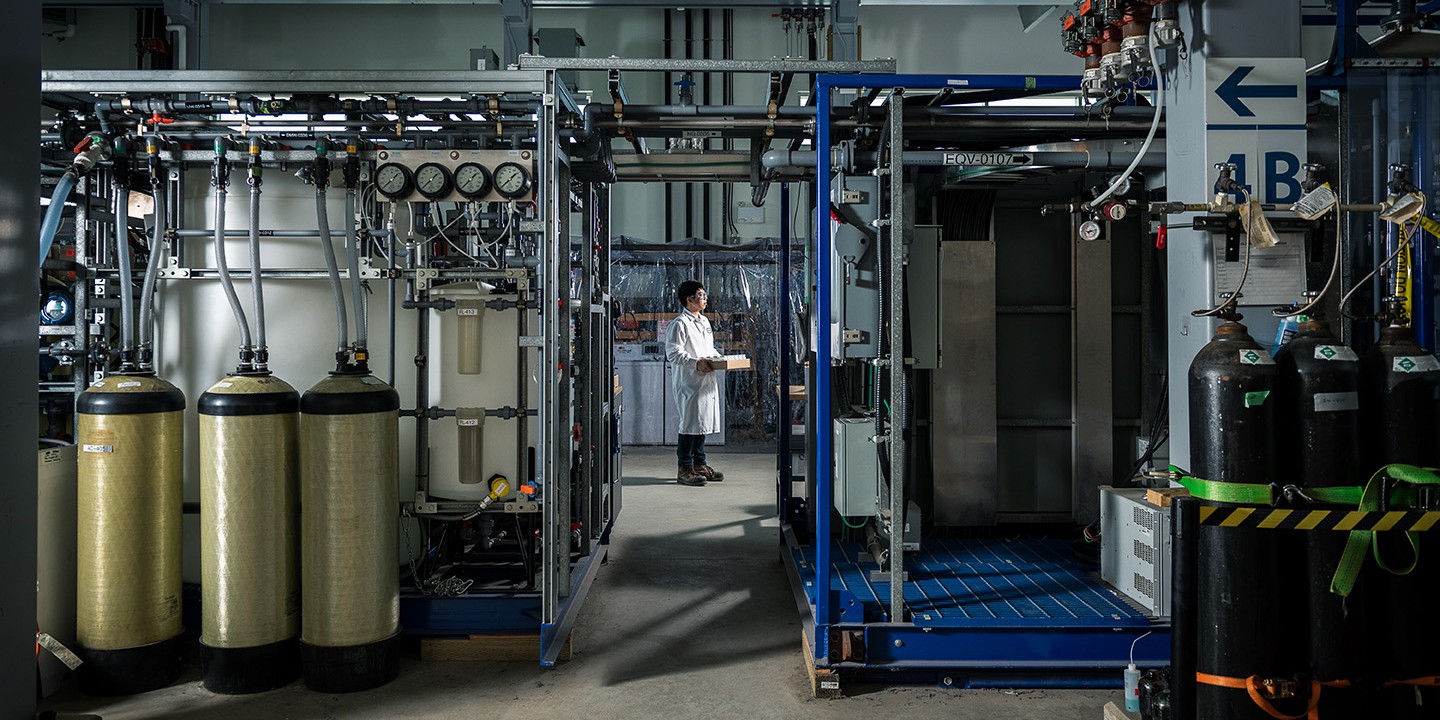
Enter Mangrove Lithium. In a watershed moment for North American manufacturing and environmental technology, the company has officially cut the ribbon on North America’s first commercial electrochemical lithium refinery. Located in Delta, British Columbia, this pioneering 1,000-tonne-per-year facility—known as the Single Stack Plant (SSP)—not only serves as Mangrove’s new corporate headquarters but also represents a seismic shift in how the continent secures its critical mineral future.
By bypassing traditional, chemically intensive, and waste-heavy refining methods in favor of a proprietary electrochemical process, Mangrove is proving that battery-grade lithium can be produced domestically, more sustainably, and at a competitive cost. At full operational capacity, the Delta facility will output enough high-purity lithium to support approximately 25,000 electric vehicles (EVs) annually. Yet, this 1,000-tonne plant is merely the opening salvo. Backed by federal funding and strategic private partnerships, Mangrove is laying the groundwork for a fully integrated, domestic "mine-to-cathode" supply chain that aims to reshape Canada’s industrial footprint and secure North America’s energy sovereignty for generations to come.
Detailed Chronology: From R&D to Commercial Reality
The commissioning of the Delta Single Stack Plant is the culmination of years of rigorous research, pilot-scale testing, and strategic corporate maneuvering. Understanding the magnitude of this milestone requires tracing the deliberate steps Mangrove Lithium took to move from a laboratory concept to a heavy-industry reality.
Laying the Groundwork and Scaling Up
For years, the lithium-refining sector remained bound to legacy thermal and chemical processes that were developed decades ago for lower-volume industrial applications. Recognizing that these conventional methods could not sustainably scale to meet the explosive demand of the global EV market, Mangrove focused its efforts on electrochemical engineering.
The company spent years optimizing its proprietary technology, which uses electricity to directly convert raw lithium inputs into high-purity, battery-grade materials. Following successful bench-scale testing and early pilot programs, Mangrove reached a critical inflection point in mid-2025, signaling that its modular electrochemical technology was ready to transition out of the laboratory and into commercial deployment. These early successes laid the technical foundation for the Delta, British Columbia site, proving that the system could maintain high efficiency, reduce reagent consumption, and drastically minimize hazardous chemical waste.
The Delta Ribbon-Cutting and the Launch of the SSP
The culmination of these developmental phases arrived with the official opening of the Single Stack Plant (SSP) in Delta. Marking the occasion with a high-profile ribbon-cutting ceremony, company executives, local dignitaries, and industry partners gathered to witness the transition of the site from an active construction zone into an operational commercial refinery.
By establishing its headquarters alongside the SSP, Mangrove has anchored its operational brain trust directly to its premier production asset. The facility is designed to serve a dual purpose: acting as a reliable commercial producer of battery-grade lithium compounds for early adopters, and functioning as a living blueprint for the company’s next-generation, utility-scale facilities.
Bridging the Gap to Eastern Canada
Even as the ribbons were being cut in British Columbia, Mangrove’s leadership was already looking eastward. The company recognized that a single 1,000-tonne plant in Western Canada, while monumental, is a drop in the bucket compared to the continent’s long-term demands.
To bridge the gap toward industrial-scale production, Mangrove locked in a crucial memorandum of understanding (MOU) with Élévra, a prominent lithium exploration and mining producer. This agreement is designed to establish a direct pipeline for sourcing spodumene—a lithium-bearing pyroxene mineral—directly from Québec mines. By tying domestic extraction in the east directly to advanced refining technologies, the partnership serves as the structural backbone of Canada’s emerging "mine-to-cathode" ecosystem, ensuring that raw minerals do not leave Canadian borders before being transformed into high-value EV components.
Supporting Context & Metrics: The Mechanics of Electrochemical Refining
To truly appreciate the disruption Mangrove Lithium is bringing to the market, one must examine the mechanics of traditional lithium processing versus the company’s innovative electrochemical approach.
The Traditional Refining Bottleneck
Conventionally, refining lithium extracted from hard-rock spodumene or subsurface brines requires a massive chemical burden. The process typically involves high-temperature roasting, acid leaching, and the consumption of vast quantities of reagents such as sodium carbonate, sodium hydroxide, and sulfuric acid. These traditional methods generate substantial solid waste streams, consume high amounts of energy, and tie up capital in massive, complex facilities that are historically concentrated in regions with lower environmental standards and cheap labor—predominantly overseas.

This geographic centralization creates acute vulnerability. When international shipping lanes face disruptions, trade policies shift, or regional energy crises occur, North American automakers find themselves at the mercy of foreign supply chains, leading to drastic price spikes and production halts on assembly lines.
Mangrove’s Proprietary Electrochemical Advantage
Mangrove’s Single Stack Plant operates on an entirely different philosophical and chemical premise. The company’s proprietary electrochemical process utilizes electricity-driven separations and conversions to refine lithium inputs into battery-grade lithium hydroxide or lithium carbonate.
- Enhanced Economics: By cutting out complex reagent chains and reducing thermal energy requirements, the electrochemical method significantly lowers operational expenditures per tonne of refined product.
- Operational Flexibility: The modular nature of the Single Stack architecture allows the technology to handle varied feedstocks—whether derived from hard-rock spodumene, direct lithium extraction (DLE) brines, or recycled battery black mass—with minimal reconfiguration.
- Environmental Sustainability: Traditional refining generates massive amounts of sulfate and sodium-based byproducts. Mangrove’s process drastically curtails chemical usage, reduces water consumption, and lowers greenhouse gas emissions, aligning the mineral supply chain with the core environmental ethos of the electric vehicle movement.
By the Numbers: Scale and Production Metrics
- 1,000 Tonnes: The annual nameplate capacity of the Delta, British Columbia Single Stack Plant.
- 25,000 EVs: The approximate number of electric vehicles that can be powered annually by the lithium processed at the Delta facility.
- $21.88 Million CAD: The conditional funding support secured from Natural Resources Canada to accelerate engineering and piloting studies for the next-generation facility.
- 500,000 EVs: The target annual output for Mangrove’s proposed Eastern Canadian facility once fully realized.
Official Statements and Industry Perspective
The historic opening of North America’s first commercial electrochemical lithium refinery drew strong reactions from industry leaders, technology innovators, and public sector stakeholders alike, underscoring the strategic importance of domestic critical mineral processing.
Saad Dara, CEO and founder of Mangrove Lithium, framed the milestone not merely as a corporate victory, but as a defining moment for Canadian industrial sovereignty:
"This is a landmark moment not just for Mangrove, but for Canada. By commissioning the first commercial electrochemical lithium refinery in North America, we are proving that lithium can be refined domestically, sustainably, and competitively. This facility is an important step toward a fully Canadian lithium supply chain, one that strengthens our energy security, accelerates the transition to EVs, and positions Canada as a global leader in critical mineral processing."
Industry analysts have similarly praised the development, noting that building domestic refining capacity is the missing link in North America’s clean tech strategy. For years, government incentives like the United States’ Inflation Reduction Act (IRA) have heavily incentivized regional sourcing for EV batteries. However, while mining investments have steadily trickled in, the lack of domestic refining capacity has remained a persistent bottleneck. Mangrove’s successful commercialization of electrochemical refining directly addresses this chokepoint, offering a scalable template for how Western democracies can secure their high-tech futures without sacrificing environmental standards.

Future Outlook: Building a Fully Domestic "Mine-to-Cathode" Supply Chain
While the Delta Single Stack Plant marks a triumphant entry into commercial production, Mangrove Lithium’s long-term vision extends far beyond British Columbia. The company is already aggressively planning its next phase of expansion, designed to scale its operational footprint by orders of magnitude.
Scaling Up in Eastern Canada
Buoyed by up to $21.88 million CAD in conditional funding support from Natural Resources Canada—channeled through the Critical Minerals Research, Development, and Demonstration (CMRDD) program—Mangrove is actively advancing engineering and piloting studies for a second, vastly larger facility.
Where the Delta plant serves as a 1,000-tonne commercial validator, the planned Eastern Canadian plant is envisioned as an industrial-scale powerhouse. Specifically engineered to process spodumene sourced directly from regional mining partners like Élévra, this upcoming facility aims to achieve a production scale capable of supplying battery-grade lithium for roughly 500,000 electric vehicles every single year.
Achieving Mineral Independence
If Mangrove and its partners successfully execute this multi-phased expansion, the implications for Canada and the broader North American market will be profound:
- Retaining Economic Value: Rather than shipping raw, low-value ores overseas for processing and subsequently buying back expensive finished materials, Canada will capture the high-value steps of the manufacturing chain domestically.
- Insulating Against Volatility: Localized supply chains drastically reduce exposure to international geopolitical friction, shipping cost spikes, and foreign trade restrictions.
- Setting a Global Standard: By proving that electrochemical refining can be executed cleanly at scale, Canada can export both its refined materials and its green processing technology to allied nations striving to decarbonize their industrial bases.
The ribbon-cutting in Delta, British Columbia, is more than just the opening of a factory; it is the physical manifestation of a new industrial paradigm. As Mangrove Lithium ramps up production at the Single Stack Plant and looks toward its ambitious multi-thousand-tonne expansion in the east, North America moves one step closer to true energy independence—anchored by cleaner chemistry, domestic resources, and visionary engineering.



