

Executive Overview
In what marks a definitive turning point for the European automotive landscape, battery-electric vehicle (BEV) registrations across 14 key European Union and European Free Trade Association (EFTA) markets surged by an unprecedented 51% this past March. Data released jointly by industry analysts New Automotive and E-Mobility Europe reveals that over 224,000 new electric vehicles hit the roads in a single month. This massive influx pushed BEVs to account for roughly 22% of all new car sales across these monitored territories, and approximately 21.2% specifically within the European Union.
For years, the narrative surrounding the electric vehicle transition has focused primarily on environmental sustainability, carbon reduction targets, and the long-term cost-efficiency of motoring on electricity rather than volatile fossil fuels. However, this latest growth wave reveals a profound shift in consumer and commercial psychology. Against the backdrop of renewed geopolitical tensions and escalating conflicts in the Middle East, Europe’s structural reliance on imported oil has returned to the forefront of political and economic anxiety.
Consequently, the rapid adoption of EVs is no longer viewed merely as a climate-conscious lifestyle choice; it is increasingly embraced as an essential pillar of national and regional energy security. This comprehensive report explores the metrics driving this historic surge, examines regional divergences, highlights official reactions from industry leaders, and projects what this acceleration means for the future of transportation across Europe.
Detailed Chronology: The Road to the March 2026 Surge
To understand the magnitude of the March 2026 sales explosion, one must look at how the European EV market has evolved over the preceding quarters. The trajectory has transformed from a gradual, policy-dependent climb into a self-sustaining commercial wave.
Q1 2026: Setting a Blistering Pace
During the first quarter of 2026, member states within the European Union registered more than 500,000 new electric vehicles. This represents a robust 33.5% increase compared to the same three-month window in 2025. While steady year-over-year growth had been anticipated by industry insiders, the acceleration observed in March shattered expectations.
In past years, end-of-quarter pushes were common due to corporate fleet reporting cycles and regulatory compliance deadlines. However, the sheer scale of the March 2026 spike—highlighted by a 51% year-over-year leap—far outpaced historical seasonal adjustments. Analysts note that this divergence from typical market patterns points directly to external macro-environmental triggers, most notably the sudden vulnerability of global oil supply chains and subsequent spikes in fuel prices at the pump.
The Catalyst: Geopolitical Strain and Fossil Fuel Volatility
As geopolitical flashpoints in the Middle East intensified during early 2026, European policymakers and everyday drivers alike were reminded of the continent’s historical Achilles’ heel: its heavy dependence on imported crude oil. Disruptions in maritime trade routes and the threat of broader regional conflicts sent shockwaves through international energy markets.
For European consumers facing immediate financial pain at fuel stations, the transition away from internal combustion engines (ICE) transformed from a distant goal into an urgent financial and personal priority. Simultaneously, corporate fleet operators—responsible for a significant share of new vehicle registrations across Europe—accelerated their electrification timelines to insulate their logistics and operational overhead from unpredictable fossil fuel pricing.
Supporting Context & Metrics: Broad-Based Growth Across Europe’s Economic Pillars
One of the most encouraging aspects of the March 2026 data is that the surge was not localized to a few progressive eco-havens or heavily subsidized boutique markets. Instead, robust growth manifested across all of Europe’s largest economies, demonstrating that the mass-market transition has firmly taken root.
The Big Five Economies Stepping Up
Germany, France, Spain, Italy, and Poland—collectively representing the heavyweights of the European economic engine—all recorded extraordinary BEV growth rates exceeding 40% year-to-date. This broad geographic distribution signals that consumer readiness and charging infrastructure maturity have finally reached a tipping point in historically hesitant markets.
- Italy’s Breakthrough: Italy has historically lagged behind northern European counterparts in EV adoption, with its BEV market share hovering around a modest 5% at the close of 2025. However, March 2026 marked a watershed moment as Italy’s market share climbed to 8.6%, fueled by a staggering 65% year-to-date increase in registrations.
- Germany’s Resurgence: Following a bumpy transitional period marked by shifting government incentive structures in late 2024 and 2025, the German market has roared back. Bolstered by newly calibrated federal and state support mechanisms, approximately one in every four new cars registered in Germany during March was fully electric, propelling the country to a 42% year-to-date increase.
- France’s Established Leadership: France continues to anchor the vanguard of large European markets. EVs accounted for an impressive 28% of total car sales in March. A major catalyst behind France’s continued dominance is its innovative social leasing scheme, which has successfully democratized access to zero-emission mobility for lower- and middle-income households, driving year-to-date growth close to 50%.
The Nordic Benchmark: Norway, Denmark, and Finland
While major continental economies are accelerating, the Nordic countries continue to operate in a league of their own, illustrating what a mature, fully transitioned automotive ecosystem looks like.
- Norway: Continuing its reign as the global benchmark for sustainable transport, Norway recorded an astonishing 98.4% of all new car registrations as fully electric in March 2026. The internal combustion engine is effectively a relic of the past in the Norwegian new car market.
- Denmark: Following closely behind its northern neighbor, Denmark saw 76.6% of its new car sales go fully electric during the month.
- Finland: Finland successfully crossed a major psychological milestone, with fully electric vehicles capturing nearly 50% of the country’s new car market in March.
Official Statements and Industry Insights
The implications of these numbers have prompted profound commentary from key architects of Europe’s e-mobility sector, who emphasize that the ongoing transition is now inextricably linked to geopolitical survival.

Chris Heron, secretary-general of E-Mobility Europe, captured the gravity of the moment in a public statement following the data release:
"March’s surge in electric car sales is one of Europe’s biggest recent gains in energy security, in a month when oil dependence has become a real vulnerability. Across the EU’s major markets, EV sales are growing at rates above 40%, marking a clear step change, not statistical noise. That translates into half a million electric cars registered so far this year, cutting roughly 2 million barrels of oil demand annually."
Echoing these sentiments, Ben Nelmes, CEO of New Automotive, highlighted the fundamental structural shift occurring within consumer habits and corporate procurement strategies:
"Every electric vehicle registered means Europe is less reliant on imported oil. At a time when energy security has moved to the top of the political agenda, the EV transition is delivering real and measurable resilience. The pace of change we’re now seeing across major European markets—including countries like Italy and Poland that were slower to start—suggests the transition has entered a new phase."
Industry analysts point out that these figures represent organic market pull rather than artificial policy pushes. Because this momentum is building rapidly even before the delayed economic impacts of the current oil crisis fully ripple through official macroeconomic data, it demonstrates that both individual consumers and large-scale commercial fleets are taking proactive measures to future-proof their operations.
Future Outlook: What Lies Ahead for the Rest of 2026 and Beyond
As Europe navigates the remainder of 2026, the trajectory of the electric vehicle market points toward continued, if not accelerated, expansion. Several key factors will dictate the pace and shape of this evolution over the coming quarters:

1. Fleet Electrification as a Corporate Imperative
Corporate fleets account for a massive percentage of new vehicle registrations across the European Union. With sustainability reporting mandates tightening and businesses increasingly exposed to fossil fuel price volatility, fleet managers are under intense pressure to transition away from petrol and diesel. The dramatic growth seen in March indicates that corporate procurement departments have shifted from pilot programs to full-scale fleet replacements.
2. Infrastructure Maturation and Consumer Confidence
Range anxiety and charging infrastructure availability have historically been the primary deterrents for hesitant buyers. However, sustained capital investment from both public authorities and private consortiums throughout 2024 and 2025 is paying dividends. High-power ultra-fast charging corridors along major trans-European transport networks (TEN-T) are now operational at scale, reassuring drivers embarking on long-distance cross-border travel.
3. Affordability and Model Diversity
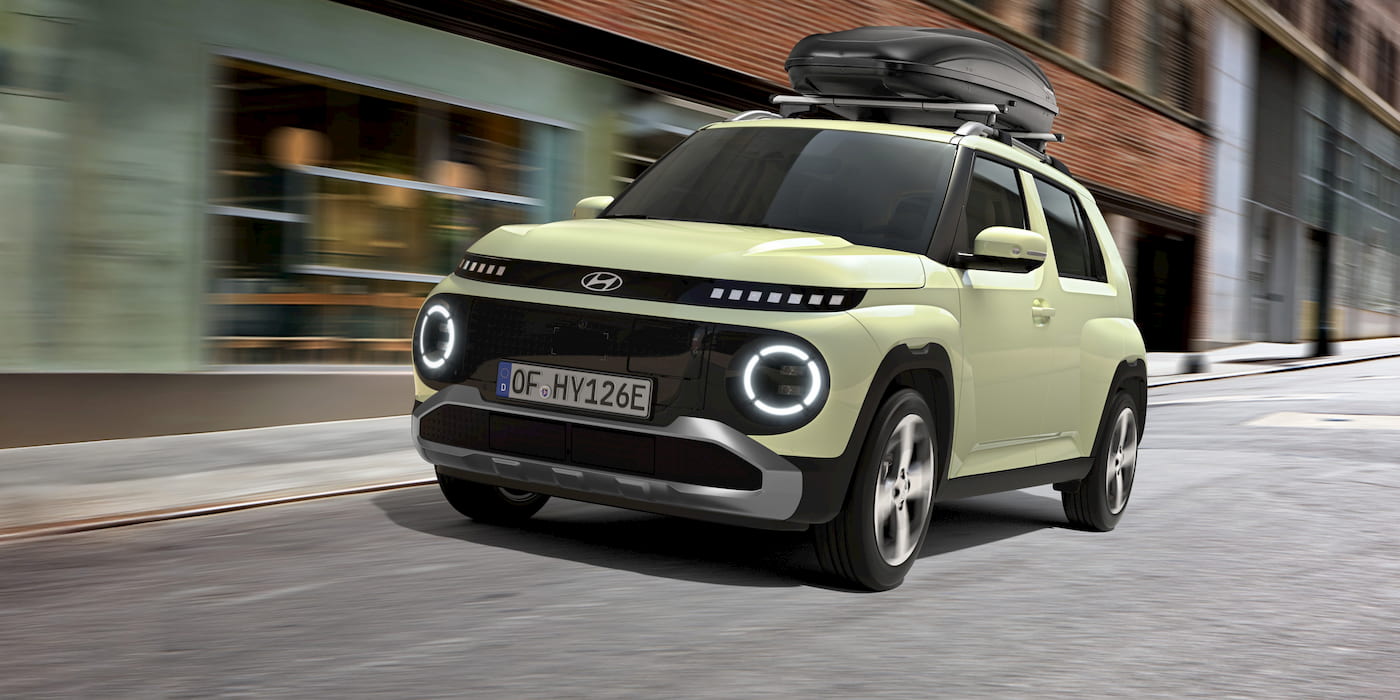
The introduction of lower-cost, highly efficient electric models—such as the Hyundai Inster and a wave of upcoming sub-€25,000 city cars from major domestic and international manufacturers—is breaking down the final price barriers to entry. As automakers flood the market with accessible options tailored to European urban and suburban driving needs, the demographic profile of the average EV buyer is expanding rapidly beyond early adopters.
Conclusion
The March 2026 EV sales data is much more than a collection of encouraging monthly statistics; it represents a defining moment in Europe’s modern industrial history. By displacing an estimated two million barrels of annual oil demand through the half a million EVs registered in Q1 alone, Europe is actively engineering a more resilient, secure, and sustainable future. If current consumer behaviors and geopolitical pressures persist, the continent’s transition to electric mobility is poised to outpace even the most optimistic regulatory forecasts in the months and years ahead.



