

By the Blue Marine Foundation Investigative Desk
Published: October 6, 2026
Executive Overview
The future of Europe’s marine ecosystems hangs in a delicate balance. As member states of the European Union finalize their budgetary priorities for the upcoming multi-annual financial framework, a fierce battle is quietly unfolding behind closed doors regarding how billions of euros in public funds will be allocated toward oceans and fisheries. At the heart of this dispute is an uncomfortable truth: despite decades of rhetorical commitments to sustainability and biodiversity, the machinery of EU financing continues to heavily subsidize industrial practices that deplete fish stocks and accelerate the degradation of marine habitats.
Currently, the financial architecture of the EU’s ocean budget heavily favors large-scale, high-impact industrial fishing fleets. Conversely, small-scale, artisanal fishers—who account for a staggering 76 percent of the entire European fleet—receive a mere fraction of these financial streams. Even more alarming is the stark neglect of environmental restoration. For every billion euros distributed in ocean-related subsidies, a paltry 7 percent is earmarked for the actual protection, rehabilitation, and safeguarding of marine environments.
Worse still, current trajectories indicate that member states are preparing to double down on these counterproductive measures. Emerging drafts of upcoming funding strategies suggest that public money may soon be funneled directly into the construction of new industrial fishing vessels and the modernization of existing high-capacity fleets. This policy direction threatens to exacerbate an already critical ecological emergency, arriving at a time when only 28 percent of evaluated European fish stocks are classified as healthy.
However, a narrow window of opportunity remains. As national capitals draft their National and Regional Partnership Plans (NRPPs)—the vital policy instruments dictating how European funds will be spent locally and regionally over the coming years—citizens, environmental organizations, and conservation advocates have a rare chance to intervene. By engaging directly with fisheries, environment, and finance ministries, the public can demand a profound redirection of state resources. This report provides an in-depth investigation into the systemic flaws of current EU fishing subsidies, the socioeconomic consequences of industrial favoritism, and the actionable steps required to rescue Europe’s seas before it is too late.
Detailed Chronology: The Evolution and Impending Crisis of EU Fishery Financing
To understand the gravity of the current budgetary negotiations, one must trace the historical trajectory of the European Union’s Common Fisheries Policy (CFP) and its accompanying financial mechanisms. For decades, the financial support mechanisms designed to aid coastal communities have been routinely hijacked by powerful industrial lobbies capable of exerting immense influence over national ministries and European Parliament committees.
The Foundation of Distortion (2014–2020)
During the previous multi-annual financial frameworks, European maritime funding—primarily channeled through the European Maritime and Fisheries Fund (EMFF)—was frequently criticized by marine scientists and non-governmental organizations alike. While the stated goal of the fund was to foster sustainable fishing and support coastal economies, loopholes and lax oversight allowed significant sums to flow into projects that increased catching capacity. Subsidies for engine modernizations, safety upgrades that inadvertently expanded operational ranges, and fuel tax exemptions created an artificial economic buffer for industrial vessels, shielding them from the harsh economic realities of declining fish populations.
The Shift to the EMFAF (2021–2027)
As the transition was made toward the European Maritime, Fisheries and Aquaculture Fund (EMFAF), high hopes arose that the European Union would align its financial practices with the European Green Deal and global biodiversity targets. Environmental advocates pushed for an absolute ban on subsidies that increase fishing capacity. While some restrictions were codified into law, member states retained significant discretion in how they interpreted and implemented the rules. Over the past several years, loopholes regarding "sustainable fleet management" have been exploited to justify continued financial support for large-scale operations under the guise of safety and technological innovation.
The 2026 Turning Point: Drafting the NRPPs
Now, in late 2026, the European Union stands at a pivotal crossroads. Member states are actively drafting their National and Regional Partnership Plans (NRPPs) for the upcoming budgetary period. These plans act as the definitive blueprints governing how structural and maritime funds will be deployed within each nation’s coastal territories.
Rather than seizing this moment to pivot toward true sustainability, early intelligence from various member state capitals indicates a regression. Pressured by powerful industrial fishing associations facing shrinking profit margins and tighter international quotas, several governments are drafting proposals that would actively subsidize the construction of new industrial trawlers and the overhaul of existing massive vessels. If these drafts are approved without radical revision, the structural damage inflicted upon European fisheries will be locked in for the remainder of the decade, sealing the fate of numerous already precarious marine ecosystems.
Supporting Context & Metrics: The Anatomy of an Ecological Imbalance
The debate over European fishing subsidies is not merely an ideological argument about market intervention versus free enterprise; it is fundamentally an argument rooted in empirical data, ecological science, and economic justice. The metrics surrounding the EU ocean budget reveal a stark disparity between public spending and ecological reality.
1. The Fleet Disparity: Goliath Over David
The numerical breakdown of the European fishing fleet illustrates a profound structural inequity:
- Small-Scale, Artisanal Fisheries: Comprising 76 percent of the total European Union fishing fleet, these operators typically use low-impact gears (such as hook-and-line, small nets, or traps), fish close to the shore, support local coastal economies, and have a minimal carbon and ecological footprint.
- The Funding Slump: Despite making up more than three-quarters of the fleet, small-scale fishers receive a mere 20 percent of the total ocean budget allocations.
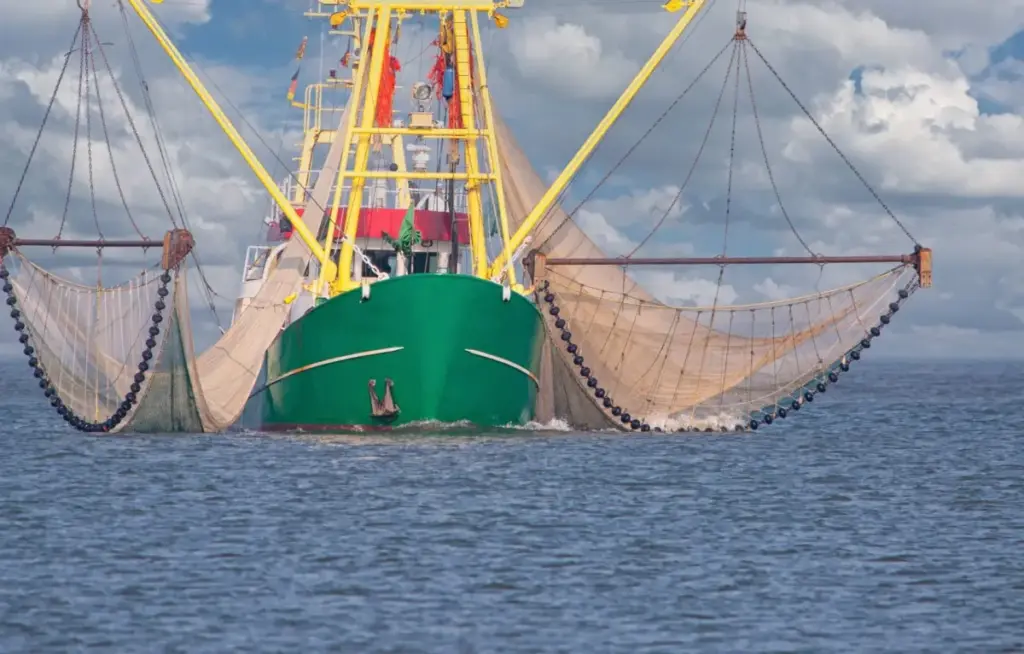
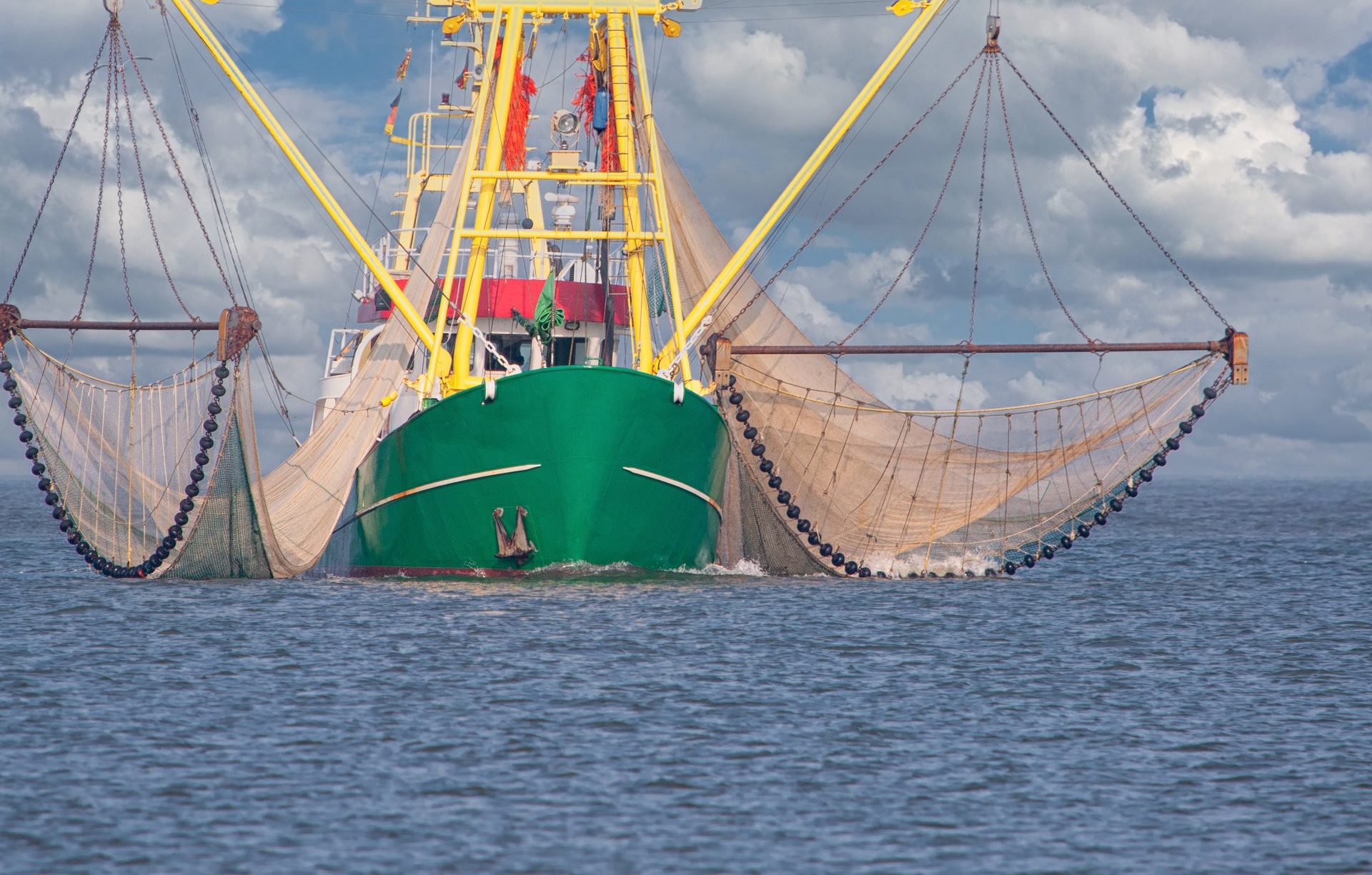
- Industrial Fleets: The remaining minority of the fleet—consisting of massive, capital-intensive industrial vessels, factory trawlers, and large-scale seiners—captures the vast majority of public financial support. These vessels are designed to maximize volume, often sweeping seabeds clean and generating vast quantities of unwanted bycatch.
2. The Conservation Deficit
Perhaps the most damning indictment of current EU ocean spending is the negligible amount dedicated to healing the marine environment.
- The 7% Rule: For every one billion euros distributed from the EU ocean budget, member states allocate a mere 7 percent toward the actual protection, restoration, and active management of marine protected areas (MPAs) and degraded habitats.
- The Consequences of Neglect: While billions are pumped into extracting resources from the sea, virtually nothing is invested in regenerating those very resources. This approach treats the ocean as an infinite, self-healing resource rather than a finite, fragile biosphere on the brink of collapse.
3. The State of Fish Stocks
The ecological cost of this funding imbalance is catastrophic. According to scientific assessments referenced by marine authorities, only 28 percent of Europe’s assessed fish stocks are currently classified as healthy. The remaining 72 percent are either overfished, outside safe biological limits, or suffering from depleted reproductive capacity. By continuing to subsidize the very vessels responsible for this over-extraction, European taxpayers are unwittingly financing the destruction of their own maritime heritage and food security.
Official Statements and Stakeholder Perspectives
As the pressure mounts on European capitals, a chorus of voices from the scientific community, conservation organizations, and small-scale fishing cooperatives has emerged to condemn the direction of the upcoming NRPP drafts.
Marine conservation scientists have repeatedly emphasized that capacity-enhancing subsidies are diametrically opposed to global commitments, such as the UN Sustainable Development Goal (SDG) 14.6, which calls for the prohibition of certain forms of fisheries subsidies that contribute to overcapacity and overfishing.
Representatives from small-scale fishing associations have voiced deep frustration over their marginalization in the budgetary process. Speaking on condition of anonymity, a representative from a pan-European artisanal fisheries network noted:
"While industrial lobbies sit in high-level meetings in Brussels and national capitals crafting the language of the NRPPs, our coastal communities are left to pick up the pieces. We are expected to survive on scraps while public money is handed over to massive corporations whose bottom lines depend on wiping out the fish we rely on for our daily livelihood."
Environmental watchdogs, including the Blue Marine Foundation, have consistently challenged finance and environment ministries to justify the logic of pouring public funds into depleted sectors. In policy briefings released ahead of the final NRPP submissions, marine advocates pointed out that investing in industrial fleet modernization during a biodiversity crisis is economic and ecological madness.
Furthermore, growing scrutiny is being directed at national environment ministries, which are frequently sidelined during budgetary negotiations by finance and agriculture/fisheries ministries more attuned to short-term economic output than long-term ecological sustainability.
Future Outlook: How to Turn the Tide
The battle over the National and Regional Partnership Plans is not yet lost. Because these strategic documents are currently in the drafting phase across various member states, a concerted, grassroots mobilization can still alter their course. The trajectory of European seas over the next decade depends entirely on the willingness of citizens to hold their elected officials accountable.
Actionable Steps for Citizens and Advocates
-
Engage Directly with Ministries:
The most effective pressure point lies at the national level. Citizens, civil society groups, and environmental advocates are urged to contact their respective fisheries, environment, and finance ministries. Demand transparency regarding how National and Regional Partnership Plans are being formulated and insist that the following principles be embedded within the final drafts:- Absolute Exclusion of Capacity-Enhancing Subsidies: Prohibit all public funding for the construction of new industrial fishing vessels or the engine modernizations that increase catching power.
- Equitable Distribution of Funds: Rebalance budgetary allocations to direct the majority of financial support toward small-scale, low-impact artisanal fishers who operate in harmony with coastal ecosystems.
- Massive Scaling of Marine Protection: Elevate the allocation for marine conservation and restoration from the abysmal 7 percent to a meaningful percentage that reflects the true cost of healing degraded ocean habitats.
-
Spread Awareness:
Public awareness remains one of the greatest deterrents to opaque bureaucratic decision-making. By sharing informational campaigns, educational videos, and investigative reports across social networks, citizens can amplify the message and break through the corporate noise surrounding fisheries policy. -
Support Sustainable Seafood Economies:
Consumers hold significant market power. Supporting local, small-scale fishers who utilize low-impact gear sends a direct economic signal to the market, proving that sustainability is both commercially viable and socially desirable.
Conclusion
The decisions made in government offices over the coming weeks will echo through generations. If member states proceed with plans to subsidize the expansion and modernization of industrial fishing fleets, they will seal the fate of Europe’s remaining marine life, pushing vital fish populations past the point of no return. However, if civil society rises to the occasion and demands a fundamental realignment of the ocean budget, Europe can transition away from industrial plunder and toward a sustainable blue economy that respects the limits of the natural world.
Make your voice heard today: share informational resources, challenge your local representatives, and write to your ministers before the National and Regional Partnership Plans are finalized.



