The race for domestic battery minerals in the United States has long been plagued by lengthy timelines, environmental controversies, and astronomical capital expenditures. Traditional lithium mining projects—whether through hard-rock open pits or vast evaporation ponds—frequently require over a decade of bureaucratic permitting, heavy land disruption, and billions of dollars in upfront investment before producing a single ounce of commercial material.
However, a fundamental shift is underway in the heart of Texas. Element3, a critical materials extraction company headquartered in Fort Worth, has secured a fresh round of Series A funding led by TO VC to launch the nation’s first commercial lithium extraction plants. Rather than breaking new ground for traditional mines, Element3 is turning its attention to an unexpected and ubiquitous industrial byproduct: oil and gas wastewater.
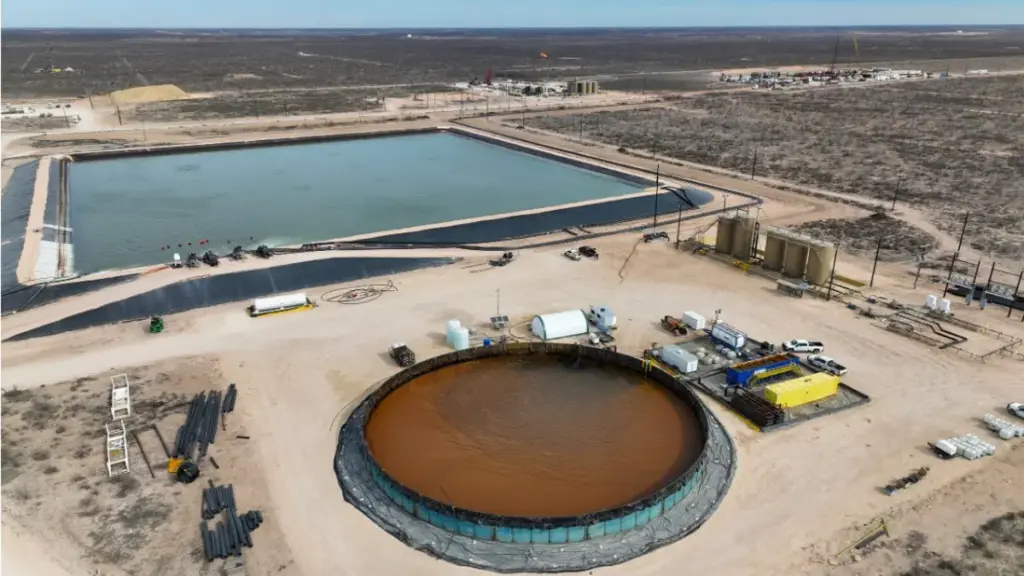
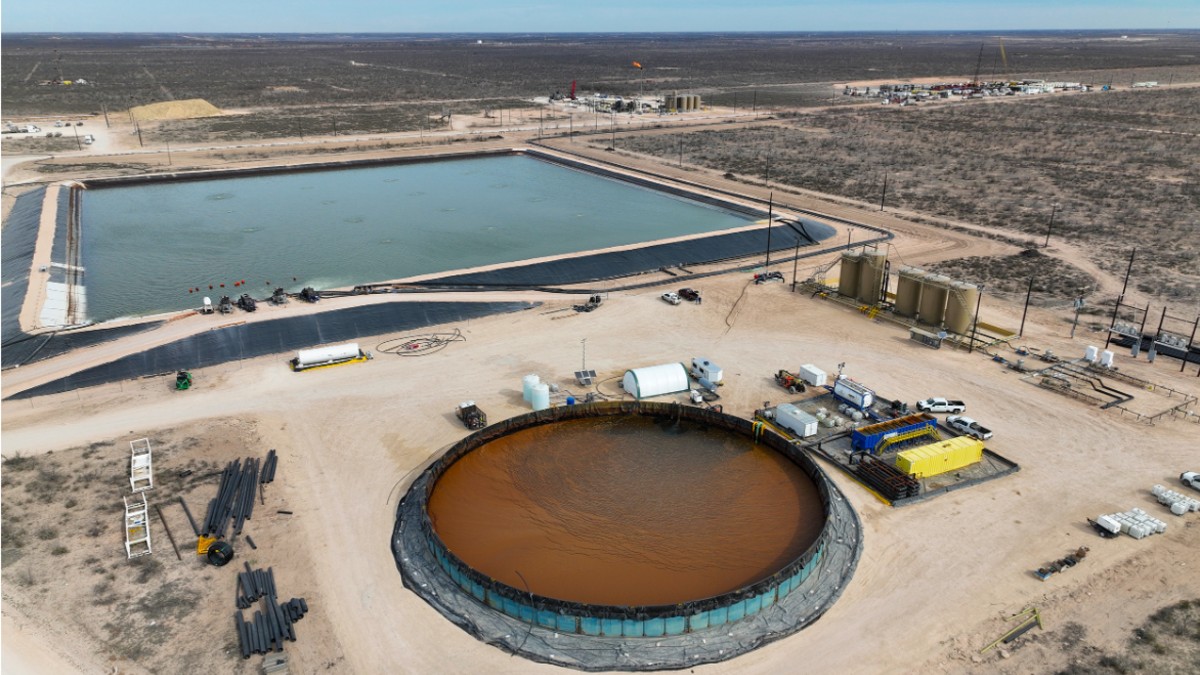
By utilizing proprietary technology to extract battery-grade lithium directly from the produced water of the Permian Basin, Element3 is bypassing the traditional pitfalls of the mining sector. Working in tandem with water infrastructure provided by Double Eagle Energy Holding, the company plans to deploy its initial extraction plants and begin commercial shipments before the end of 2025. This breakthrough positions Element3 not only as a pioneer in domestic Direct Lithium Extraction (DLE) but also as a potential top-tier lithium producer within the next three years.
This development arrives at a critical juncture for the American clean energy transition. While massive capital investments have successfully catalyzed downstream domestic battery manufacturing and gigafactories across the United States, the upstream supply of lithium has remained a glaring vulnerability. Element3’s model proves that American energy independence does not have to come at the expense of prolonged environmental battles or dependence on complex international supply chains. Instead, it can emerge directly from the existing infrastructure of the fossil fuel industry.
Detailed Chronology: From Concept to Commercialization
The path to commercializing Element3’s technology represents a masterclass in rapid deployment within a historically sluggish commodities sector. While many emerging clean tech firms spend years mired in pilot-scale testing and regulatory bottlenecks, Element3 has pursued an aggressive, infrastructure-backed commercial timeline.
Laying the Foundation
Founded with the vision of accelerating American lithium independence from the ground up, Element3 recognized early on that the fastest route to market lay in avoiding the construction of greenfield mining operations. Instead of searching for untapped lithium deposits in remote wilderness areas, the company focused on existing industrial footprints where brine water is already being pumped to the surface en masse.
Through intensive research and development, the engineering team refined a specialized extraction process tailored to the specific chemical composition of oilfield brines. By focusing on Direct Lithium Extraction (DLE), the company engineered a modular, highly efficient system capable of selectively capturing lithium ions from complex wastewater solutions without disturbing the surrounding ecosystem.
The Series A Infusion and Strategic Partnerships
The culmination of these efforts arrived with the successful close of the company’s Series A funding round, spearheaded by climate-tech and energy-focused investment firm TO VC. This critical injection of venture capital provided the financial runway necessary to transition from research and development to full-scale deployment.
Crucially, Element3 did not stop at securing funding; it locked down the physical and operational partnerships required for immediate execution. A landmark agreement with Double Eagle Energy Holding—a major player in the Permian Basin—granted Element3 access to extensive water handling and processing infrastructure. Because Double Eagle already manages millions of gallons of produced water daily, Element3 could bypass the logistical nightmare of sourcing water supplies, securing land rights, and building dedicated transportation networks.
The 2025 Commercial Rollout
With capital secured and infrastructure partners in place, Element3 has established an aggressive timeline for the remainder of the year:
Mid-2025: Finalization of plant integration and deployment logistics across Double Eagle Energy Holding’s water networks in the Permian Basin.
Late 2025: Commissioning of the first commercial-scale extraction units, paired with an already-installed regional lithium carbonate processing plant.
By Year-End 2025: Dispatch of the company’s inaugural commercial shipments of domestic, battery-grade lithium to the US supply chain.
This lightning-fast timeline marks a monumental industry milestone: Element3 is set to become the very first new-generation lithium extraction player in the United States to successfully reach commercialization.
Supporting Context & Metrics: Unlocking the Permian’s Hidden Wealth
To understand the true magnitude of Element3’s breakthrough, one must examine the staggering scale of the resource it targets. The American oil and gas industry is a massive engine of resource extraction, but it is also an industry that generates immense waste volumes.
The Scale of Produced Water
Annually, oil and gas operations across the United States generate more than 1 trillion gallons of wastewater. Commonly referred to as "produced water," this subterranean brine is brought to the surface alongside crude oil and natural gas. Historically, managing this fluid has been an operational hurdle and an environmental liability for energy companies, requiring deep-well reinjection or costly treatment facilities.
However, hidden within this trillions-of-gallons waste stream is a staggering concentration of valuable critical minerals. Geological surveys estimate that the produced water in regions like the Permian Basin contains roughly 250,000 tons of lithium carbonate equivalent. To put that figure into perspective, it represents more than half of the entire projected US supply gap for lithium by the year 2030.
Bridging the US Supply Gap
The United States is currently locked in a geopolitical and economic race to secure critical mineral supply chains. The rapid adoption of electric vehicles (EVs) and grid-scale battery energy storage systems (BESS) has driven domestic lithium demand to unprecedented heights. Yet, domestic production has historically lagged far behind demand, leaving the nation vulnerable to foreign supply monopolies.
By tapping into the Permian Basin’s wastewater, Element3 is effectively creating an entirely new, homegrown supply stream. This approach addresses the core imbalance identified by industry analysts: while billions of dollars have flown into domestic gigafactories and battery recycling plants, upstream raw material extraction has suffered from chronic underinvestment and slow development cycles.
Environmental Advantages of Wastewater Extraction
Conventional lithium extraction typically falls into two categories: hard-rock mining (spodumene pegmatites) and brine evaporation (pumping lithium-rich salt flat brines into massive solar evaporation ponds). Both methods carry severe environmental footprints:
Hard-Rock Mining: Involves blasting, crushing, and chemically processing immense quantities of rock, resulting in high carbon emissions, habitat destruction, and massive tailings piles.
Evaporation Ponds: Requires vast expanses of land, consumes millions of gallons of precious freshwater in arid regions, and can take up to 18 to 24 months to yield concentrated lithium.
In stark contrast, Element3’s wastewater extraction model is inherently low-impact:
Zero New Land Disruption: Because the extraction units are integrated into active oil and gas infrastructure, there is no need to clear new land or construct open-pit mines.
Water Conservation: The process utilizes water that is already being brought to the surface as an industrial byproduct, avoiding the consumption of pristine local freshwater reserves.
Reduced Carbon Intensity: By eliminating the need for heavy earth-moving equipment, massive evaporation arrays, and long-haul international shipping corridors, the carbon intensity per ton of lithium produced is drastically reduced.
Official Statements: Perspectives from Leadership
The strategic importance of Element3’s commercial launch is underscored by the vision of its executive leadership and financial backers, who view this milestone as a turning point for American industrial policy.
Hood Whitson, founder and CEO of Element3, emphasized the company’s commitment to speed and domestic resilience:
"This funding accelerates our mission to build American lithium independence from the ground up. While other US projects are still in planning and years away from production, we’re bringing our plants online now and shipping product this year. Using existing oilfield infrastructure, we can move faster, cleaner, and at a fraction of the cost."
Whitson’s sentiments are echoed by the investment community, which recognizes the pressing need to redirect capital toward upstream mining innovations. Joshua Phitoussi, managing partner at TO VC, highlighted the structural advantages of Element3’s technology in an investment landscape saturated with capital-heavy, slow-moving projects:
"So much capital has gone into onshoring battery manufacturing, but far less into securing the upstream supply of lithium itself. Traditional mining takes billions and more than a decade to bring online. Element3’s approach is faster, cheaper, and uses an already abundant resource. This means that Element3 will be the first DLE company to get to commercial scale, and could become a top three domestic lithium producer within the next three years."
These endorsements point to a broader paradigm shift: the future of critical mineral extraction may not rely on discovering new deposits, but rather on intelligently extracting hidden value from the industrial processes already shaping our landscape.
Future Outlook: The Next Wave of Domestic Lithium
As Element3 prepares to dispatch its first commercial shipments of battery-grade lithium by the end of 2025, the company’s trajectory points toward rapid expansion. With a localized lithium carbonate plant already operational in the Permian Basin and strategic partnerships locked in, the immediate goal is to scale up modular extraction units across additional oilfield water networks.
The success of Element3’s DLE model serves as a vital blueprint for the broader energy transition. If a single company can successfully transform a trillion-gallon waste liability into a primary source of EV-grade battery minerals, it opens the door for widespread replication across other major oil and gas plays in North America and globally.
Furthermore, this development aligns with a broader national trend of accelerated domestic refining capacity. Projects such as the massive $1.2 billion battery-grade lithium refinery that broke ground in Oklahoma signal a maturing domestic supply chain—one that will soon be capable of taking raw materials extracted from Texas oilfields and processing them entirely on US soil for national battery manufacturing.
Ultimately, Element3’s wastewater-to-battery initiative proves that economic profitability and environmental pragmatism can coexist. By bypassing the decade-long permitting delays of traditional mining and weaponizing existing industrial infrastructure, Element3 is not only securing its own commercial future—it is laying the bedrock for true American energy independence in the 21st century.