

Executive Overview
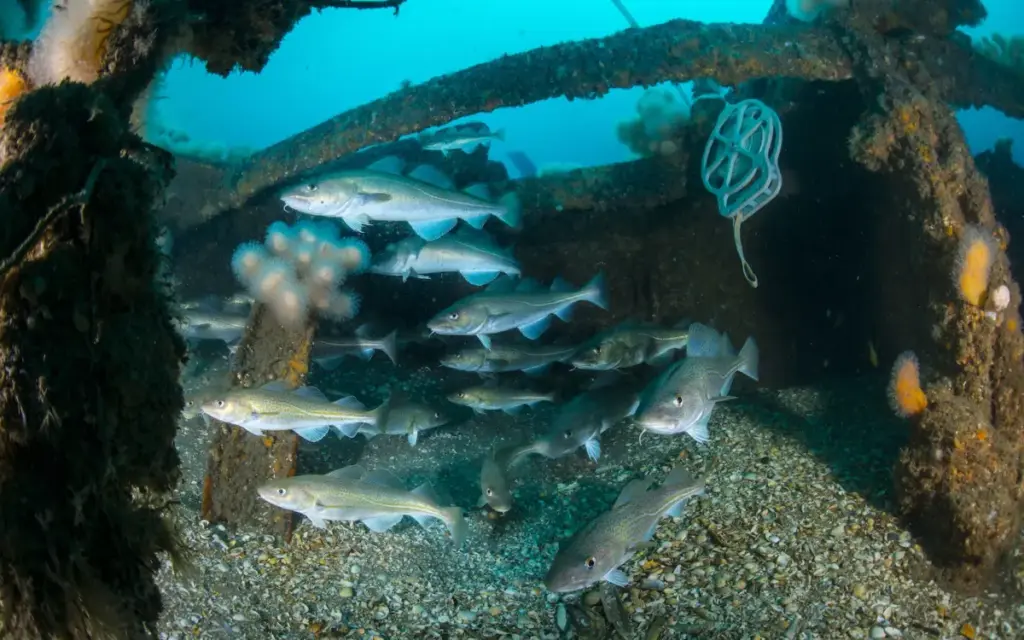
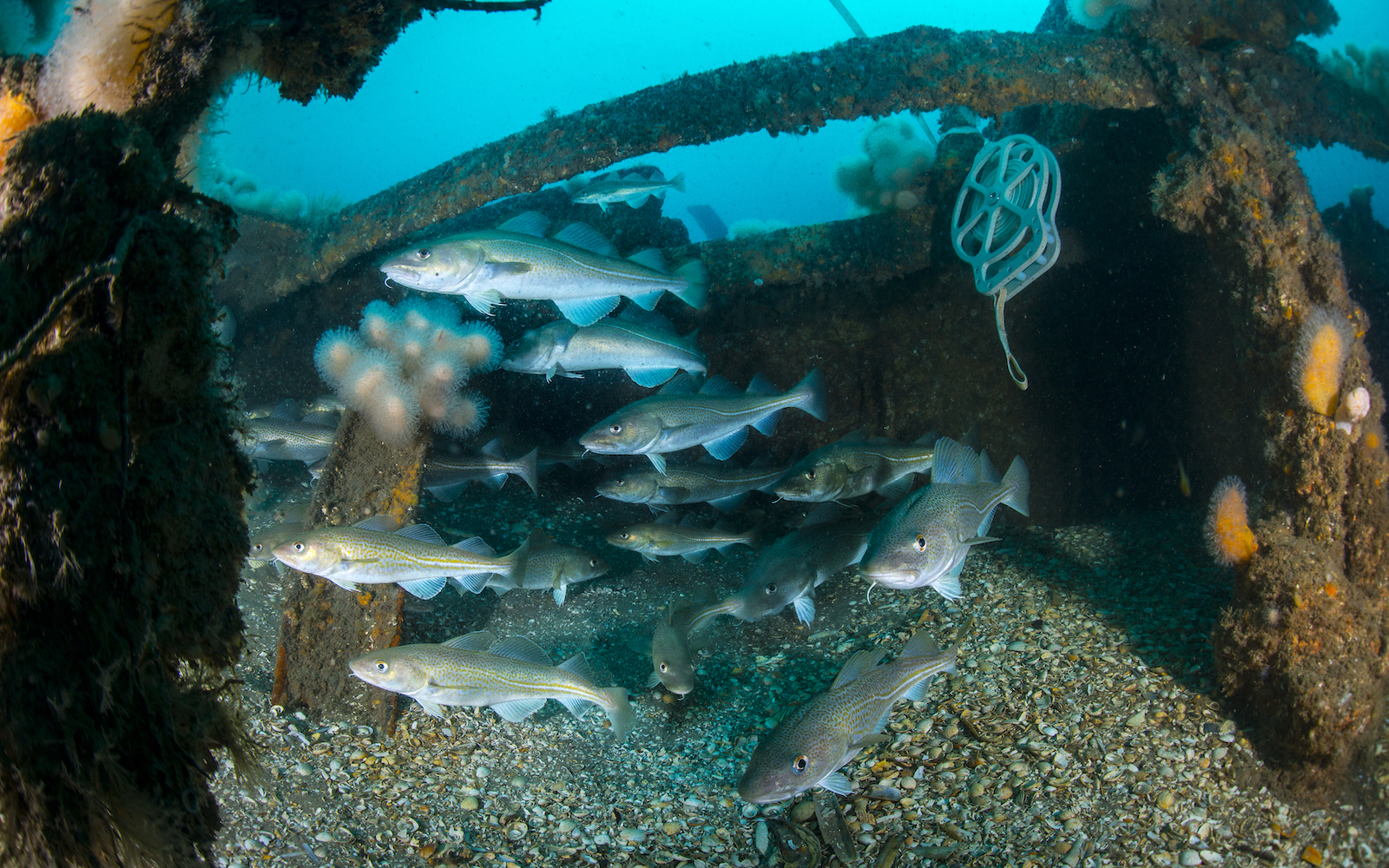
In what marine scientists are calling a profound indictment of modern fisheries management, the International Council for the Exploration of the Sea (ICES) has issued a stark warning regarding the state of British waters. For the second consecutive year, independent experts have recommended a complete zero-catch policy for Northern Shelf cod in 2027. This once-abundant and commercially vital stock—inhabiting the North Sea, the waters west of Scotland, the eastern English Channel, and the Skagerrak—remains in such a precarious, collapsed state that any level of targeted fishing threatens to deliver a fatal blow to its long-term survival.
The implications of this zero-catch recommendation extend far beyond marine biology. The Northern Shelf cod crisis is now emblematic of a wider systemic failure within UK fisheries governance. With three of the United Kingdom’s four distinct cod stocks currently subject to zero-catch scientific advice, the nation faces an unprecedented ecological and economic emergency. Decades of overfishing, compounded by political decisions that routinely override rigorous scientific guidance in favor of short-term industrial interests, have brought a historic food source and cultural touchstone to the brink of extinction in local waters.
As fish and chip shops across the country struggle with soaring wholesale costs and a heavy reliance on imported seafood, the collapse of domestic cod populations exposes a harsh truth: failing to manage marine ecosystems sustainably compromises national food security, devastates coastal economies, and strips our oceans of the climate resilience they desperately need.
Detailed Chronology: The Decline and Fall of a Fisheries Giant
To understand the severity of the 2027 zero-catch recommendation, one must examine the trajectory of the Northern Shelf cod stock, a population that historically anchored the British commercial fishing industry. The deterioration of this fishery was not a sudden catastrophe; rather, it represents the cumulative toll of decades of extraction operating well beyond sustainable biological limits.
Decades of Political Compromise Over Science
For years, independent advisory bodies like ICES have provided meticulous, data-driven assessments detailing the maximum sustainable yields for various marine populations. These guidelines are designed to allow fish stocks to rebuild, ensuring a stable, long-term harvest for future generations. However, a persistent disconnect between scientific evaluation and political quota-setting has undermined these efforts.
Government ministers and regional fisheries negotiators have repeatedly bowed to political and industry pressures, setting total allowable catches (TACs) significantly higher than scientific bodies advise. This systemic overfishing reached alarming heights recently; data indicates that in 2026 alone, an astounding 58% of UK fishing opportunities were established above scientific recommendations. This political prioritization of short-term economic yield over ecological longevity effectively reversed years of hard-won, incremental progress toward sustainable fisheries management.
The 2026 Collapse and the 2027 Reaffirmation
The turning point arrived in the lead-up to the 2026 fishing season, when ICES issued an unprecedented recommendation for a complete closure of the Northern Shelf cod fishery after comprehensive stock assessments revealed an outright collapse. Despite this grave warning, limited fishing was permitted to continue under compromise quotas.
Now, with the release of the 2027 advice, scientists have doubled down. The data demonstrates that the stock has shown no meaningful signs of recovery under the continued pressure. Recommending a zero catch for a second consecutive year is an extraordinary measure—one that ICES reserves exclusively for fish stocks teetering on the edge of biological failure. The persistence of this crisis lays bare the consequences of ignoring expert warnings, signaling that marginal adjustments and half-measures are no longer viable options for a fishery in freefall.
Supporting Context & Metrics: Anatomy of an Ecological Collapse
The Northern Shelf cod stock is not a uniform population; it is a complex metapopulation comprising three distinct components: the Southern, Northwestern, and Viking cod stocks. Each faces unique pressures, but all have suffered severe contractions over the past decade.
Dissecting the Sub-Stocks
- The Southern Population: Marine biologists harbor the deepest concerns for the southern component of the Northern Shelf cod. This population has plummeted below critical biological limits, slipping into a dangerous zone where the remaining adult fish are insufficient in number to produce enough juveniles to sustain the stock.
- The Northwestern Population: Heavily impacted by warming sea temperatures and historical over-exploitation, this sub-stock has mirrored the dramatic declines seen further south.
- The Viking Population: While historically more resilient due to its colder, deeper northern habitat, the Viking cod has similarly experienced steep population reductions, proving that no regional pocket of the Northern Shelf is immune to the overarching crisis.
Quantifying the Losses: A Decade of Decline
Recent assessments paint a grim statistical picture of how rapidly these populations have eroded over a ten-year span:
- Southern Region: Cod abundance has nose-dived by an alarming 52% since 2016.
- Northwestern Region: Stocks have experienced a near-identical contraction, dropping by 53% over the same period.
- Viking Region: Even in the relatively sheltered northern waters, cod populations have dwindled by 37% since 2016.
Because these distinct populations naturally mix and are frequently caught together in mixed-fishery operations, ICES concluded that any targeted or incidental fishing poses an unacceptable risk to the recovery of the stock as a whole. Protecting one sub-stock while permitting fishing in adjacent zones is biologically impossible under current commercial harvesting methods.
The Ripple Effect: Economic Realities and Cultural Impact
The collapse of Northern Shelf cod is far more than an abstract environmental statistic; it is a crisis reverberating directly through the British high street, local businesses, and the national culinary identity.
The Squeeze on Fish and Chip Shops
For generations, the quintessential Friday night fish and chip supper has been a cornerstone of British culture. Today, however, that tradition is under severe economic threat. Independent fish and chip shop owners across the UK report skyrocketing wholesale fish prices, shrinking portion sizes, and critically reduced availability of locally caught cod.
To stay afloat, businesses are forced to rely heavily on imported fish, sourcing frozen cod from distant waters in the North Atlantic or Pacific. This reliance on imports exposes local businesses to global supply chain volatility, currency fluctuations, and international trade tariffs, squeezing profit margins to the breaking point. The average price of takeaway fish and chips has climbed steeply in recent years, pricing out working-class families and transforming an affordable national meal into an increasingly luxury commodity.
The Broader Economic Toll
The mismanagement of fisheries triggers a domino effect of economic detriment:
- For Fishers: Declining stocks mean fewer catches, leading to reduced incomes, financial distress for independent vessel owners, and the gradual erosion of heritage coastal fishing communities.
- For Businesses: Processing plants, distributors, and hospitality venues face rising operational costs and supply insecurity.
- For Consumers: The public faces a contracting market characterized by fewer affordable, sustainable seafood choices.
Healthy fish populations are the absolute bedrock of thriving coastal economies and long-term food security. When marine management fails, everybody loses.
Official Statements and Expert Perspectives
The persistent failure of authorities to act decisively on scientific recommendations has drawn sharp condemnation from conservation leaders and marine policy experts.
Jonny Hughes, Fisheries Policy Lead at the Blue Marine Foundation, did not mince words when addressing the latest ICES advice:
"A second consecutive year of zero-catch advice should be a wake-up call. Northern Shelf cod did not collapse overnight. It is the result of years of political decisions that repeatedly allowed catches to exceed scientific recommendations."
Highlighting the stark choices facing modern policymakers, Hughes emphasized that immediate intervention is paramount for the survival of the species and the communities dependent upon it:
"The choice facing governments is simple: continue with business as usual or prioritise recovering this iconic species. The future of our seas and our fishing communities depend on getting this right. It is remarkable that we have access to some of the best fisheries science in the world—science that tells us exactly how to fish sustainably while securing the greatest long-term benefits for fishing communities, food security, and the economy—yet we continue to disregard it."
Furthermore, Hughes connected the crisis in marine management directly to the broader national and global challenges of our time:
"At a time when the Government rightly recognises that the climate crisis is already affecting our lives, it must also recognise that resilience to these challenges depends on a healthy and resilient ocean. Healthy fish populations are a fundamental part of that."
Future Outlook: A Defining Moment for UK Marine Policy
As the Department for Environment, Food and Rural Affairs (Defra) and devolved administrations look toward the implementation of 2027 fishing quotas, they stand at a critical crossroads. Defra has previously acknowledged a fundamental truth: nature and climate security are national security. A vibrant, biologically diverse ocean underpins both.
When fish populations are allowed to plummet through chronic over-exploitation, marine ecosystems lose their structural integrity, becoming deeply vulnerable to climate change, warming waters, and acidification. Rebuilding the resilience of our seas requires a fundamental paradigm shift in how marine resources are managed.
To pull Northern Shelf cod back from the brink of commercial extinction, policymakers must implement several vital measures:
- Unconditional Alignment with Science: Future total allowable catches must strictly adhere to independent scientific advice, eliminating political horse-trading in quota negotiations.
- Enhanced Spatial Management: Implementation of strict, monitored marine protected areas and seasonal closures in known spawning grounds to give vulnerable sub-stocks the space required to regenerate.
- Transition to Low-Impact Fisheries: Investing in selective fishing gear and innovative technologies that minimize bycatch and protect juvenile fish from accidental mortality.
- Long-Term Vision over Short-Term Gain: Recognizing that short-term economic sacrifices are unavoidable if the UK is to secure a permanent, abundant, and economically viable fishery for future generations.
The window to save Northern Shelf cod is rapidly closing. Ignoring the science for a second consecutive year will not merely risk a single fish stock—it will signal the abandonment of sustainable marine stewardship in British waters. The future of the nation’s seas, its coastal heritage, and its most iconic culinary traditions depends entirely on whether leaders possess the political courage to heed the warnings before it is too late.



