In the fast-paced world of contemporary landscape design and domestic gardening, horticultural trends often lean heavily toward the exotic, the high-maintenance, and the Instagram-famous. Rare imports, finicky tropicals, and heavily bred cultivars frequently dominate the pages of gardening glossies and social media feeds, leaving a vast reservoir of hardworking, resilient, and aesthetically captivating flora lingering in the shadows.
However, a significant shift in perspective is underway among green-thumbed communities worldwide. Drawing from a comprehensive July 2026 engagement initiative hosted by leading gardening authorities, a massive groundswell of appreciation has emerged for the plants that quietly anchor our ecosystems without demanding relentless coddling. While the initial public consultation spanned everything from delicate ferns and architectural heucheras to carnivorous exotics and vivid hellebores, five distinct plant groups emerged as the undisputed champions of the underrated category.
This report explores these five exceptional plants—ranging from resilient groundcovers to misunderstood lawn "weeds"—evaluating their ecological contributions, aesthetic versatility, and practical cultivation requirements. By re-examining these botanical workhorses, modern gardeners can cultivate landscapes that are not only visually stunning throughout the seasons but also ecologically robust, low-maintenance, and deeply connected to our shared horticultural heritage.
Detailed Chronology of the 2026 Underrated Plant Movement
The journey toward redefining botanical value in mid-2026 began as a digital grassroots movement, cataloging the collective wisdom of thousands of active gardeners.
Phase One: The Call to Action (Early July 2026)
The initiative launched via social media platforms, inviting everyday growers, allotment holders, and landscape designers to nominate their favorite plants that suffer from under-appreciation, over-familiarity, or unfair categorization as invasive weeds. Within hours of the call going live, thousands of comments flooded in. The diversity of the responses underscored a collective fatigue with high-maintenance gardening and a rising preference for plants that offer enduring value with minimal human intervention.
Phase Two: The Culling and Categorization (Mid-July 2026)
As the submissions were collated, horticulturists analyzed the entries against strict ecological and aesthetic criteria: resilience, wildlife value, propagation ease, and landscape adaptability. While traditional favorites like cosmos and delicate shade-loving ferns received honorable mentions, the clear front-runners were those species that bridge the gap between ornamental beauty and environmental functionality.
Phase Three: The Final Five Selection (Late July 2026)
By the final week of July, the consensus solidified around five specific plants. From the trailing, sun-drenched cascades of Mexican fleabane to the humble, life-sustaining dandelion, the final list represented a democratic cross-section of botanical brilliance that thrives across diverse microclimates without requiring chemical fertilizers, intensive watering regimens, or constant pruning.
Supporting Context & Metrics: The Top Five Underrated Plants
To understand why these specific plants captured the imagination of the gardening community, we must examine their individual merits, cultivation profiles, and the specific reasons gardeners have championed their cause.
5. Mexican Fleabane (Erigeron karvinskianus)
Often referred to simply as the Mexican daisy, Erigeron karvinskianus is a masterclass in effortless charm. Originating from Central America, this semi-evergreen herbaceous perennial has quietly revolutionized urban and rural landscaping alike due to its astonishing resilience in dry, unforgiving environments.
Aesthetic Profile: Characterized by trailing stems densely packed with small, daisy-like flowers that open white before transitioning to soft pink and lavender, creating a multi-toned tapestry on a single plant.
Ideal Planting Conditions: Thrives in full sun and requires well-drained soil. It is particularly famed for its ability to wedge itself into tiny crevices in dry-stone walls, paving cracks, and gravel gardens.
Ecological Impact: Serves as a prolific nectar source for a wide array of beneficial pollinating insects over an exceptionally long blooming season that can stretch from late spring well into the autumn frosts.
Gardener Consensus: "Erigeron grows practically anywhere and flowers all summer long." While it is an enthusiastic self-seeder, its seedlings are shallow-rooted and easily managed, ensuring it remains a welcome guest rather than an aggressive invader.
4. The Common Daisy (Bellis perennis)
Positioned just behind its exotic cousin, the native common daisy (Bellis perennis) occupies a unique place in the psychological landscape of gardeners. Often dismissed as a lawn blemish by perfectionist turf managers, the "day’s eye" is a botanical powerhouse disguised as a childhood toy.
Aesthetic Profile: Low-growing, evergreen rosettes featuring classic yellow centers surrounded by pristine white petals, occasionally blushed with delicate pink undersides.
Ideal Planting Conditions: Flourishes in full sun to partial shade across virtually any well-drained soil type, naturally integrating into turfgrass.
Cultural Significance: Beyond its visual appeal, Bellis perennis evokes deep nostalgia, calling to mind sunlit afternoons spent weaving daisy chains during childhood.
Gardener Consensus: "We have lots in our lawn and they look so lovely, but many people just ignore them, or tread on them." Cultivators note that simply delaying the lawn mower’s schedule during peak spring and early summer transforms a sterile green carpet into a vital feeding ground for early-season bees and butterflies.
3. London Pride (Saxifraga x urbium)
A heritage plant with a transatlantic reputation, London pride (Saxifraga x urbium) is an evergreen saxifrage that has graced European gardens for generations. Despite its deep historical roots, it is frequently overlooked in modern minimalist garden designs in favor of bolder, structural foliage.
Aesthetic Profile: Forms dense, low-growing carpets of bright, succulent-like rosettes that provide vibrant green ground cover in gloomy, neglected corners, topped in late spring and summer by airy, cloud-like sprays of tiny white and pink-flecked flowers.
Ideal Planting Conditions: Prefers partial to full shade and moist, well-drained soils. Remarkably, it exhibits exceptional drought tolerance once established and is entirely resistant to slug damage.
International Appeal: Highlighted by continental growers—where it is charmingly known in the Netherlands as Schildersverdriet (painter’s sorrow)—this plant is prized for its extreme ease of propagation and polite garden manners. If it wanders beyond its designated boundary, it can be lifted and edited with minimal effort.
Gardener Consensus: Cultivators praise its reliability, noting that compact cultivars like Saxifraga x urbium ‘Primuloides’ offer the same robust performance on a smaller scale, making them ideal for woodland edges and shady rockeries.
2. Hardy Geraniums (Geranium species and cultivars)
While ornamental cranesbills are hardly new to horticulture, they frequently play second fiddle to high-profile showstoppers like roses and hydrangeas. However, seasoned gardeners recognize hardy geraniums as the ultimate structural glue of the herbaceous border.
Aesthetic Profile: Ranging from the vivid magenta brilliance of Geranium ‘Anne Folkard’ to the cool, lilac-veined white petals of Geranium clarkei ‘Kashmir White’ and the legendary, long-blooming ‘Rozanne’, these plants offer saucer-shaped blooms in nearly every shade of blue, pink, purple, and white.
Ideal Planting Conditions: Exceptionally versatile; most prefer full sun to partial shade in well-drained soil, though specialized varieties tolerate deep shade or alpine conditions.
Practical Benefits: Hardy geraniums excel at suppressing stubborn garden weeds through their dense, mounding foliage and provide outstanding underplanting for deciduous shrubs and roses.
Gardener Consensus: "You only have to buy one and in three years you can split it and have loads of free plants to share with your neighbours and friends." Their rapid clump-forming nature and easy division make them one of the most cost-effective investments a gardener can make.
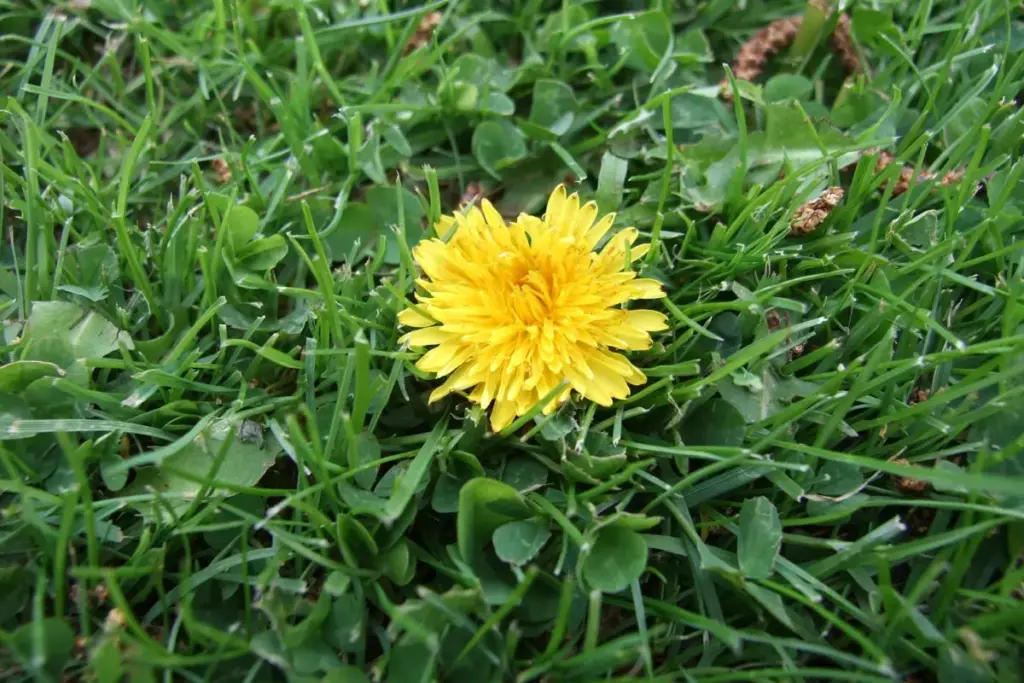
1. The Dandelion (Taraxacum officinale agg.)
Taking the crown as the ultimate underrated plant is the common dandelion. Long vilified by the chemical lawn-care industry and targeted with selective weedkillers, Taraxacum officinale is undergoing a radical rehabilitation among ecological gardeners and conservationists.
Aesthetic Profile: Unmistakable, intensely cheerful yellow composite flowers that illuminate meadows, field margins, and unmanaged turf from the earliest days of spring, eventually transforming into intricate, spherical seedhead "clocks."
Botanical Complexity: Comprising an astonishing 250 microspecies across the genus, the dandelion is an evolutionary success story designed to survive the harshest urban and rural conditions.
Ecological Imperative: As one of the first reliable sources of high-energy nectar and pollen available in early spring, dandelions are nothing short of a ecological lifeline for waking bumblebees, solitary bees, and other beneficial insects when few other food sources exist.
Gardener Consensus: The simplicity of the public verdict—"Dandelions. I love them!"—encapsulates a growing cultural shift toward embracing wild aesthetics, biodiversity, and plants that offer maximum ecological utility with zero human intervention.
Official Statements and Horticultural Insights
Industry professionals and botanical educators have weighed in heavily on the implications of the 2026 underrated plants initiative.
Dr. Elena Vance, a leading urban ecologist and horticultural researcher, noted during a recent symposium:
"For decades, our definition of a ‘good’ garden plant has been dictated by human convenience and aesthetic uniformity. The plants that topped our 2026 survey—such as the common daisy, the dandelion, and native saxifrages—remind us that resilience, self-reliance, and ecological generosity are the true metrics of botanical success. When we make space for these species, we aren’t just lowering our maintenance burden; we are actively repairing fragmented urban ecosystems."
Master gardeners participating in the forum emphasized the economic and educational value of these resilient species. By encouraging novice gardeners to start with plants that refuse to die—such as hardy geraniums and Mexican fleabane—horticultural educators can build confidence without discouraging beginners through high failure rates associated with delicate exotics.
Future Outlook: The Shift Toward Resilient, Ecological Gardening
As global climate patterns become increasingly unpredictable, characterized by erratic rainfall, prolonged summer droughts, and unseasonal temperature swings, the future of garden design must adapt accordingly. The traditional English herbaceous border, reliant on heavy irrigation, staking, and chemical pest control, is facing unprecedented practical and environmental pressures.
The plants highlighted in the July 2026 survey offer a compelling blueprint for the future of domestic horticulture:
Climate Resilience: Species like Erigeron karvinskianus and Saxifraga x urbium demonstrate that beauty and drought tolerance are not mutually exclusive. Their ability to thrive on minimal moisture makes them essential components of water-wise gardening.
Biodiversity Net Gain: By integrating "weeds" and overlooked natives like Taraxacum officinale and Bellis perennis into managed landscapes, property owners can transform private gardens into vital wildlife corridors, supporting declining pollinator populations.
Economic Sustainability: Plants that easily self-seed, form large manageable clumps, or propagate through simple division—such as hardy geraniums—empower gardeners to build expansive, lush landscapes on modest budgets, fostering a sharing economy of plant propagation among neighbors and local communities.
Ultimately, the 2026 underrated plants movement signals a maturing relationship between humans and the natural world. It challenges us to look past pristine, artificial perfection and instead find profound beauty in the resilient, hardworking flora that has supported our ecosystems for millennia. By embracing these five exceptional plants, gardeners can create spaces that are richer in biodiversity, easier to manage, and endlessly rewarding through every changing season.