Executive Overview
Across the United States, an agrarian crisis is quietly unfolding. With the average age of American farmers now resting at 58, and generational family farms increasingly fractured by economic pressures or abandoned by descendants seeking white-collar work, the foundation of the nation’s food supply is standing on shifting sands. Yet, a counter-movement is quietly taking root. Far from the conventional narrative of agricultural decline, a diverse cadre of career-switchers, idealists, and environmental stewards are stepping into the fields. They are trading boardrooms, kitchens, and tech startups for soil, seeds, and sunshine.
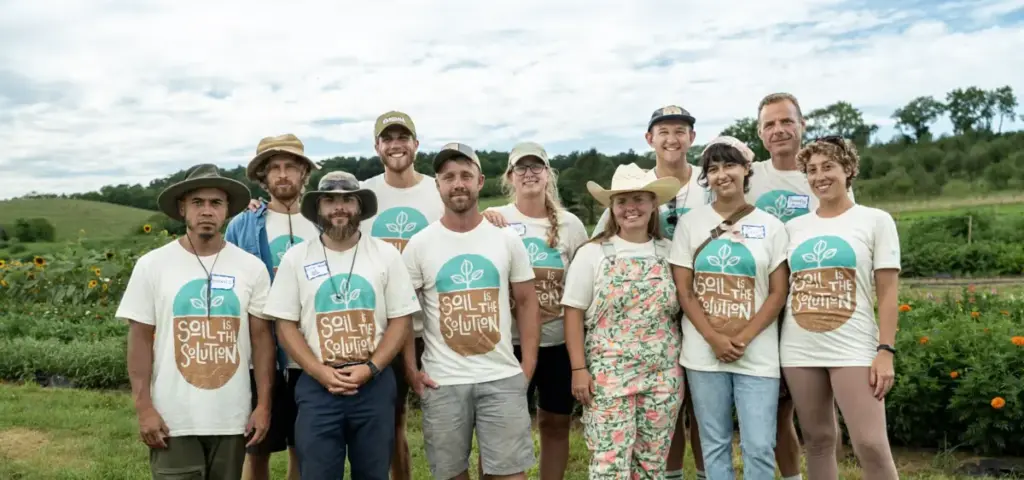
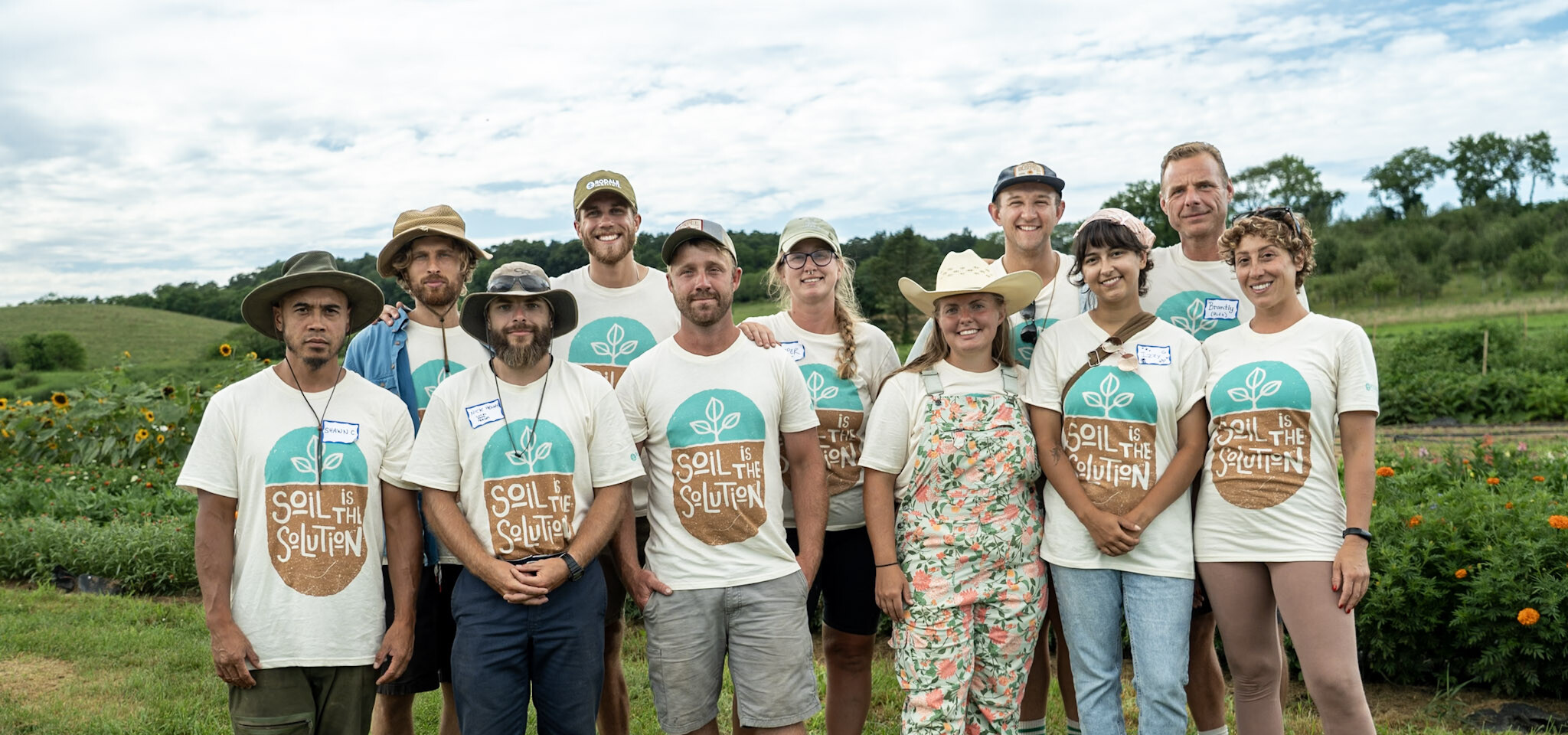
At the epicenter of this agricultural renaissance is the Rodale Institute Farmer Training (RIFT) program. Designed to combat both ecological degradation and the graying of America’s farming population, RIFT offers an intensive, nine-month immersive curriculum that prepares novice farmers to launch and manage regenerative organic enterprises. The 2025 cohort—ranging from early twenties to early fifties—represents a profound cultural shift: individuals who view agriculture not merely as a profession, but as a moral imperative, an ecological necessity, and an act of community healing.
By combining practical, hands-on field experience with robust business training, college credit opportunities, financial support, and a holistic philosophy centered on soil health, the RIFT program is doing more than teaching people how to grow crops. It is rewriting the blueprint for the future of American food systems.
Detailed Chronology: The Nine-Month Transformation
The journey from novice to certified organic farmer is neither quick nor easy. The RIFT program is structured around a rigorous 35-consecutive-week schedule that mirrors the complete seasonal cycle of crops. Trainees do not merely read about agriculture; they live it, experiencing the shifting demands of a farm from the first frost of early spring to the final harvests of late autumn.
Phase 1: Groundwork and Seeding (Weeks 1–10)
The program begins with foundational classroom instruction paired with immediate, hands-on fieldwork. Trainees learn the mechanics of soil science, greenhouse management, and early-season seeding. During this period, students confront the realities of physical labor and workload management. They learn how to read the landscape, balance inputs, and understand the biological pulse of regenerative organic systems—a philosophy that prioritizes minimum tillage, cover cropping, and biological diversity over synthetic fertilizers and chemical pesticides.
Phase 2: Cultivation, Maintenance, and Market Realities (Weeks 11–25)
As the weather warms, the workload intensifies. Trainees manage weed pressure, monitor pest lifecycles without chemical interventions, and navigate the daily operational pressures of a working farm. A unique hallmark of this phase is practical market experience. RIFT participants manage a weekly farm stand for Rodale Institute staff, translating agricultural production into retail realities. They learn harvest timing, post-handling, customer service, and the nuances of direct-to-consumer sales.
Phase 3: Harvest, Certification, and the Capstone (Weeks 26–35)
The final months of the program focus on harvest logistics, food preservation, and the culmination of the educational journey: the capstone project. Every student is required to draft a comprehensive, individualized farm plan. This document serves as a living business blueprint, equipping graduates with the tools needed to establish their own operations, apply for federal and private grants, secure land, and successfully navigate the rigorous requirements for organic certification.
Supporting Context & Metrics: Reversing the Agricultural Brain Drain
To understand the urgency of the RIFT program, one must examine the broader socioeconomic data shaping modern agriculture:
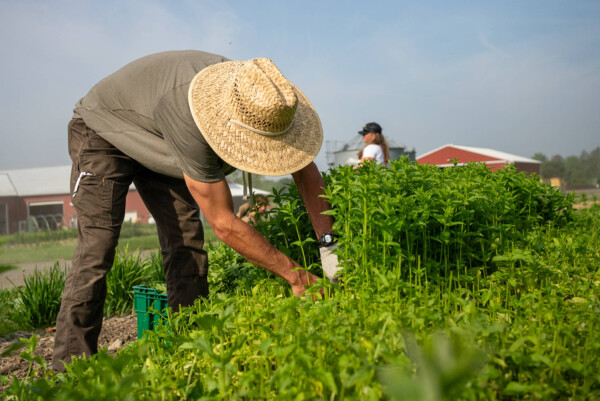
- The Aging Demographic: According to the USDA, the average age of the American farmer is 58 and climbing. Over the next two decades, a massive transfer of agricultural land will occur, yet a significant percentage of legacy farms lack heirs willing or able to take over operations.
- The Financial Barrier: Historically, breaking into farming required either inheriting substantial capital and land or incurring crippling debt for machinery and acreage. RIFT directly tackles this barrier by providing RIFT participants with free housing and a weekly stipend of $600, paired with 35 weeks of specialized education—an exceptionally rare financial and educational support structure in modern vocational training.
- Academic Integration: In a major leap forward for agricultural credentials, RIFT coursework now qualifies for college credits through Northampton Community College in Bethlehem, Pennsylvania. Students can leverage these credits toward accredited degrees, such as online master’s programs in regenerative design at institutions like Prescott College.
- Proven Impact: Since its inception in 2011, the Rodale Institute farmer-training initiative has graduated more than 100 individuals. These alumni form an active, nationwide professional network, receiving ongoing access to Rodale’s digital classes and peer support as they build resilient local food economies.
Portraits of Purpose: Meet the 2025 RIFT Cohort
The true measure of any educational program is found in the aspirations of its participants. The 2025 RIFT cohort brings an astonishing array of professional backgrounds to the soil, united by a singular desire to heal the planet.
Shawn Cabalsi: The Tech Veteran Turned Organic Educator
A Pennsylvania native, 43-year-old Shawn Cabalsi spent years building a successful career in the technology sector. Yet, despite professional accomplishments, he felt a profound sense of isolation from his core values. Reading the works of agricultural philosophers Wendell Berry, E.F. Schumacher, and Masanobu Fukuoka opened his eyes to the ecological and ethical flaws of industrial food systems.
"I got really interested in how to live more naturally, more ethically, more morally," Cabalsi reflects. "That brought me to farming." Cabalsi has already co-founded a 501(c)(3) nonprofit, 11-acre organic farm in Macungie, Pennsylvania, dedicated to supplying fresh produce to food-insecure populations. Through RIFT, he is mastering organic certification and regenerative methods, with plans to use his farm to teach community members how to grow their own food. Furthermore, he is applying his RIFT credits toward a master’s degree in regenerative design at Prescott College.
Delaney Gemmel: Honoring a Family Florist Legacy
Carrying forward a multi-generational family business in Allentown, Pennsylvania, Delaney Gemmel initially pursued a business degree at Lehigh University with a focus on small-scale commerce. Travels through Ecuador, Spain, and Malawi exposed her to diverse food production systems and awakened a deep passion for outdoor labor and fresh agriculture.
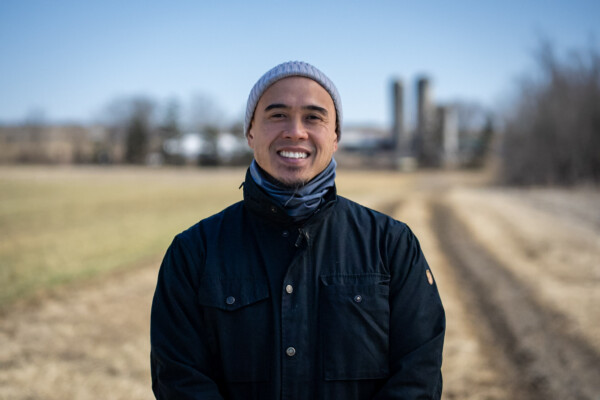
Gemmel’s vision bridges the past and the future: she aims to establish a small-scale, regenerative flower farm that will supply her family’s historic flower shop alongside her own direct-to-consumer market. Simultaneously, she intends to leverage her business acumen to consult and support other small-scale farmers in her region.
Payton Wilks: The Project Manager Fighting Climate Change
Raised in a Dayton suburb surrounded by Midwestern cornfields, Payton Wilks studied acting, anthropology, and French before traveling abroad and working as an English teacher in France. Upon returning to the U.S. and earning a project management certification, Wilks searched for a domain where his work could yield the highest possible global impact.
Convinced that climate change is humanity’s defining crisis, Wilks bypassed conventional renewable energy sectors in favor of soil science. "I started learning about regenerative organic agriculture and how we can use soil to sequester carbon and grow food for ourselves while also taking care of the planet," he notes. After completing RIFT and gaining experience managing diversified vegetable operations, Wilks plans to launch his own enterprise, keeping doors open for international agricultural work.
Isidra Garcia: Documenting the Soil
A media studies graduate from Kutztown University, Isidra Garcia’s path to agriculture began through an unexpected lens: a documentary project on fast fashion and its devastating environmental impacts. Researching sustainable textiles led her to hemp fiber studies at the Rodale Institute, culminating in a 2024 communications internship.
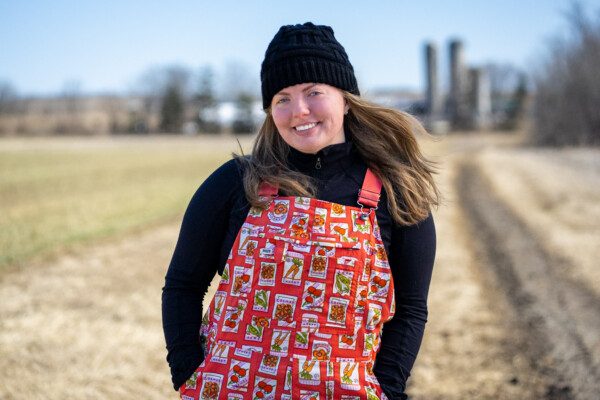
"During my internship, I fell in love with agriculture because I want to be closer to nature," Garcia says. Combining her love for media production and sustainable farming, she plans to establish her own land plot to restore soil health while producing fresh, homegrown ingredients for a specialty pico de gallo product line. Her ultimate goal is to use digital video to educate consumers on how everyday dietary and lifestyle choices can regenerate the earth.
Samantha Cooper: Healing Body and Mind
Moving from Central Indiana, where she worked as a senior retail manager for Meijer, Samantha Cooper experienced firsthand the vulnerabilities of the commercial food supply chain during the COVID-19 pandemic. Alongside her partner, Garrett Tidler (a 2024 RIFT graduate continuing into the program’s fellowship track), Cooper relocated to Pennsylvania and began working at the St. Luke’s–Rodale Institute Organic Farm.
For Cooper, farming is deeply personal. Three and a half years sober from alcohol, she views tending the soil as an active component of her physical and psychological rehabilitation. "It’s healing for me to grow the product, use it, and benefit from it—and then use what I’ve grown and what I’ve learned to educate other people," she shares. Her capstone plan centers on cultivating medicinal herbs like borage, calendula, and edible marigolds to formulate teas and tinctures that promote holistic wellness and preventative healthcare. Eventually, the couple plans to return to Indiana to ignite an organic farming movement in a landscape dominated by chemically sprayed commodity corn and soybeans.
Kade Eckert: The Systems Problem Solver
A native of Washington State, Kade Eckert’s entrepreneurial drive moved him through professional restaurant kitchens, microgreens startups, and high school urban agriculture classrooms. Yet, standard culinary environments failed to scratch his itch for systemic problem-solving.
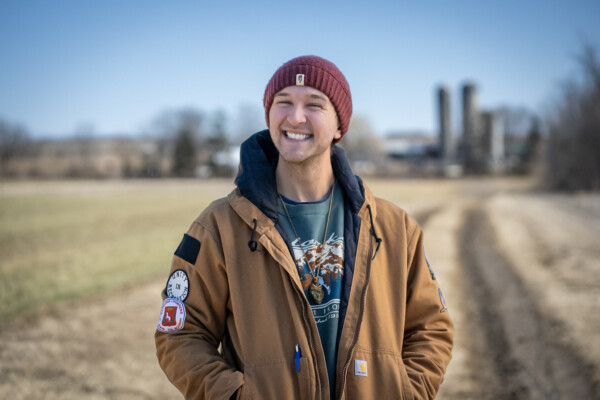
Inspired by a community farm project in Seattle and a large-scale composting initiative in Sweden, Eckert enrolled in RIFT to master the mechanics of ecosystem restoration. His vision involves acquiring a degraded parcel of land in Washington, transforming it through regenerative organic practices and municipal composting waste, establishing a native plant nursery, and hosting farm-to-table public dinners to demonstrate the tangible power of ecological restoration.
Official Statements and Program Parameters
The structural success of the RIFT program relies heavily on institutional backing and rigorous selection standards. Justin Barclay, global education operations manager at the Rodale Institute, highlights what sets the initiative apart from standard vocational training.
"Organic-focused education for 35 consecutive weeks is not common in other farmer-training programs," Barclay notes. "Successful participants have the goal of starting an agricultural business, can work in a team environment, and are willing to be coached."
By removing financial hurdles through stipends and housing, the Institute ensures that socioeconomic barriers do not prevent passionate, hardworking individuals from entering the agricultural sector. The result is a high-caliber training ground where resilience, collaboration, and ecological stewardship are forged in real time.
Future Outlook: Sowing Seeds for a Resilient Tomorrow
The challenges facing modern agriculture—ranging from topsoil depletion and climate instability to rural labor shortages and a consolidated corporate food system—can feel insurmountable. Yet, looking at the graduates of the Rodale Institute Farmer Training program reveals a compelling antidote to despair.
These are not traditional agrarians trapped in cycle-bound industrial models, nor are they naive hobbyists dabbling in weekend gardening. They are strategists, artists, project managers, technologists, and healers who recognize that the health of human civilization is inextricably bound to the health of the earth beneath our feet.
As Shawn Cabalsi, Delaney Gemmel, Payton Wilks, Isidra Garcia, Samantha Cooper, Kade Eckert, and their peers fan out across Pennsylvania, the Midwest, the Pacific Northwest, and beyond, they carry with them more than seeds and tools. They carry a blueprint for a regenerative future—one acre, one farm, and one community at a time.
This report is adapted from features originally published in the 2025 Rodale Institute Journal. To explore the full issue and learn more about supporting agricultural education, visit the Rodale Institute Resources Page.