NEW YORK — As the gavel fell to close the fifth round of negotiations at United Nations headquarters in New York, the architecture of the global economy stood at a precarious crossroads. At the center of the diplomatic storm is the proposed Global Tax Treaty—officially designated as the UN Framework Convention on International Tax Cooperation—a generational initiative designed to fundamentally rewrite the rules of international finance.
Proponents argue that a binding global framework is the missing linchpin needed to tackle the deeply intertwined crises of climate breakdown, ecological collapse, and runaway global inequality. Yet, as the latest session drew to a close, a stark reality hung over the negotiating floor: while the framework remains within reach, the current "zero draft" text requires radical enhancements. Without substantial structural improvements, international watchdogs warn that the treaty risks becoming an empty gesture—one that leaves corporate polluters and the ultra-wealthy shielded by loopholes while ordinary citizens bear the brunt of systemic economic and environmental failure.
Executive Overview: A Paradigm Shift in Global Finance
For decades, international tax rules have been shaped largely behind closed doors by exclusive clubs of wealthy nations, historically sidelining the developing economies of the Global South. The ongoing UN negotiations represent a historic democratization of global tax governance. By shifting the locus of power to the United Nations General Assembly, developing nations have carved out a seat at the table, demanding a system that prevents massive capital flight to tax havens and recovers trillions of dollars in lost public revenues.
However, the path to consensus is fraught with geopolitical friction. Industrialized nations, home to many of the world’s largest multinational conglomerates and financial institutions, have frequently resisted aggressive reforms. They argue against measures that could disrupt capital flows or impose burdensome compliance mandates.
Against this backdrop, civil society organizations, labor unions, and environmental justice advocates have mobilized with unprecedented intensity. They view the Global Tax Treaty not merely as an exercise in bureaucratic accounting, but as an existential battle for global justice. The core argument is simple yet revolutionary: the funds required to finance the global green transition and alleviate crushing public debt burdens already exist. They are currently locked away in offshore tax havens, accumulating in corporate treasuries, and sitting in the bank accounts of a super-rich elite who have profited immensely from systemic global crises.
Detailed Chronology: The Road to New York and Beyond
The journey toward a universal tax convention has been long and contentious. For years, developing nations—led by the Africa Group and supported by various regional blocs—pushed tirelessly within the UN framework to establish a truly inclusive international tax body, overcoming fierce opposition from traditional economic powers.
The Evolution of the Process
- The Conceptual Foundation: Frustrated by the limitations and perceived bias of the Organization for Economic Co-operation and Development (OECD) in setting global tax standards, developing nations galvanized support at the UN to establish an inclusive intergovernmental framework.
- Adoption of the Terms of Reference: The UN General Assembly formally advanced the process by establishing the framework for negotiations, setting in motion a multi-year timeline to draft, debate, and finalize a comprehensive convention.
- The New York Sessions: The early rounds of the Intergovernmental Negotiating Committee (INC) focused heavily on procedural rules, structural outlines, and defining the scope of the framework convention.
- INC-5: The fifth round in New York marked a critical inflection point. Delegates grappled with the substantive text of the zero draft. While foundational concessions were made—particularly regarding the inclusion of Global South priorities—deep divisions persisted over enforcement mechanisms, dispute resolution, and the degree of binding obligations member states would assume.
The Multilateral Roadmap to 2027
The timeline for the treaty’s completion is aggressive, reflecting the urgency of the global crises it aims to address. Negotiations are slated to continue through mid-2027, mapped out across several crucial milestones:
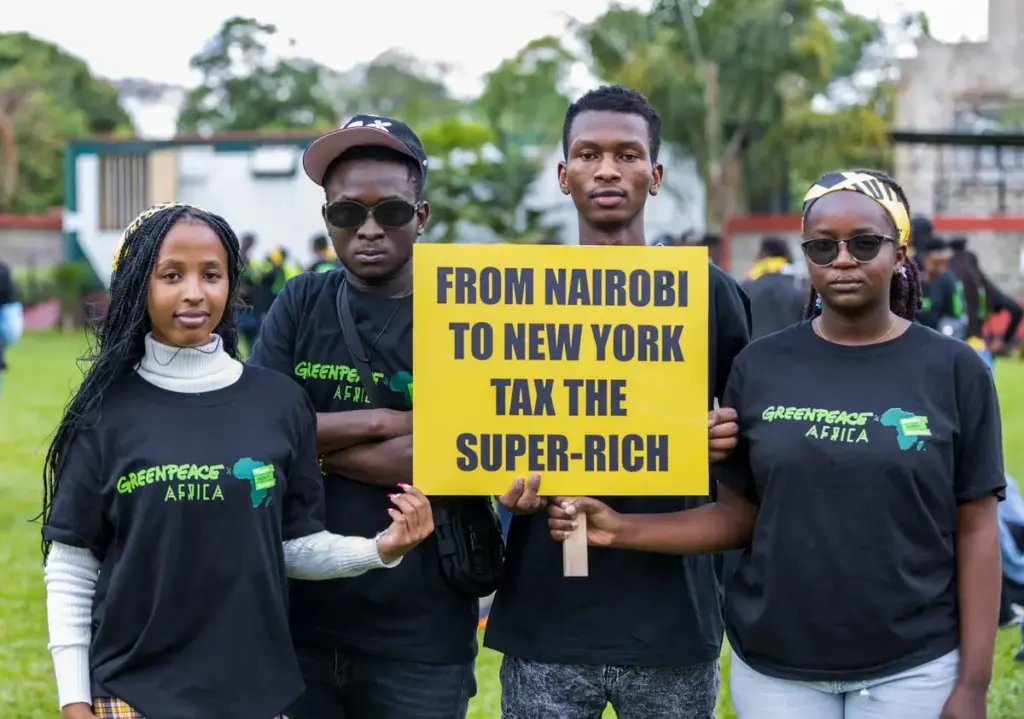
- Nairobi, Kenya (30 November – 11 December 2026): The sixth round of negotiations (INC-6) will move to the African continent, underscoring the vital leadership role played by the Global South in driving the tax justice agenda.
- 2027 Sessions: Three additional negotiating rounds are scheduled for the following year to iron out final articles, ratifications, and implementation protocols before the convention is opened for signature.
Supporting Context & Metrics: The Cost of a Broken System
To understand the urgency driving the UN negotiations, one must examine the staggering macroeconomic realities of the modern global economy. The current international tax architecture is characterized by profound structural imbalances that drain vital resources from public coffers, particularly in developing nations.
The Tax Haven Drain
According to estimates by economic research networks and international watchdogs, multinational corporations shift hundreds of billions of dollars in profits annually into low-tax or zero-tax jurisdictions. This corporate tax dodging deprives governments worldwide of an estimated hundreds of billions in direct revenue every year.
For developing nations, the loss is proportionally catastrophic. Public health systems, educational infrastructure, climate adaptation projects, and social safety nets are routinely underfunded not due to an absolute lack of global wealth, but due to institutionalized tax leakage. When corporations fail to pay their fair share in the countries where they extract resources and generate revenue, local governments are forced into cycles of high-interest borrowing, resulting in crippling national debt crises.
The Climate and Inequality Nexus
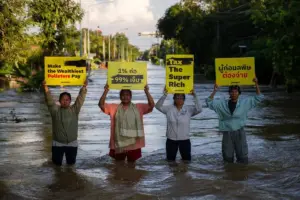
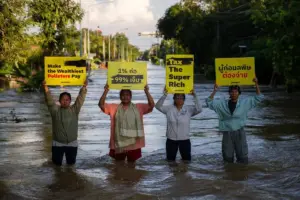
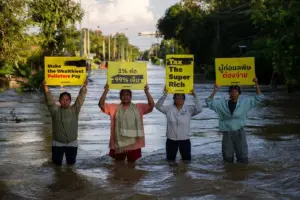
The convergence of ecological breakdown and widening economic inequality forms the backdrop against which the Global Tax Treaty is being negotiated. Extreme weather events—ranging from catastrophic floods and prolonged droughts to devastating wildfires—are disproportionately impacting vulnerable communities in the Global South. Yet, these populations have contributed the least to historical greenhouse gas emissions.
Conversely, the fossil fuel industry and other high-carbon sectors continue to record historic profits, even as societies grapple with rising energy bills, inflation, and environmental degradation. Climate economists and policy experts emphasize that a robust global tax treaty could serve dual functions:
- Revenue Generation: Establishing mechanisms such as financial transaction taxes, wealth levies on ultra-high-net-worth individuals, and robust carbon pricing frameworks to fund climate adaptation and mitigation.
- Behavioral Deterrence: Utilizing tax policy to penalize environmentally destructive practices and incentivize corporate transitions toward sustainable business models.
Official Statements & Stakeholder Perspectives
The ideological battle lines of INC-5 were clearly drawn in the statements issued by delegates, civil society leaders, and institutional representatives throughout the New York summit.
Greenpeace International
The political unit of Greenpeace International played a prominent analytical and advocacy role during the negotiations. Nina Stros, Global Senior Policy Expert at Greenpeace International, offered a candid assessment of the proceedings, highlighting both the historic progress made and the severe risks of diplomatic failure.
"Global South demands for fair and inclusive international tax rules are starting to shape the text of the Framework Convention, and that is real progress," Stros stated. "But without trust and a commitment from all parties to negotiate in good faith, we risk an empty treaty that fails to address problems everyone acknowledges exist. The most ambitious version of the Global Tax Treaty can only be built on truly international tax cooperation, where every voice counts, including those of the communities hit hardest by the climate crisis, not just predominantly those of the wealthiest polluters and their patrons."
Stros further connected the abstract language of diplomacy to the lived realities experienced outside the conference rooms:
"Outside these negotiating rooms, people are living through extreme weather and rising bills, paying for a crisis they did little to cause, while the wealthiest polluters keep profiting. Too many countries are losing revenues to tax havens. The Global Tax Treaty is a once-in-a-generation opportunity to correct the unfairness and the dysfunctions of existing tax agreements and the broken corporate tax system. It’s time for every country to step up and bring concrete solutions that work for people and the planet."
Civil Society and Institutional Engagement
A notable development during INC-5 was the widespread consensus among participating nations regarding the integration of civil society organizations and non-state stakeholders into future Conference of the Parties (COP) meetings. Observers noted that public accountability will be indispensable if the treaty is to withstand intense corporate lobbying and political pressure from industrialized states. Empowering independent watchdogs, labor unions, and environmental advocates to participate in monitoring compliance will help ensure that the final framework delivers tangible results rather than rhetorical compromises.
Future Outlook: Challenges Ahead on the Road to Nairobi
As delegations pack their bags and reflect on the outcomes of INC-5, the diplomatic community is already turning its attention toward the upcoming sixth round in Nairobi. The road ahead is fraught with formidable challenges, but it also holds the promise of rewriting the rules of the global economy for the 21st century.
Key Hurdles to Overcome
- Substantive Enforcement vs. Voluntary Guidelines: A central point of contention remains whether the treaty will establish binding legal obligations with enforceable penalties for tax evasion and aggressive avoidance, or whether it will rely on non-binding recommendations that lack teeth.
- Inclusivity of Decision-Making: Ensuring that smaller developing nations retain equal footing in governance structures against the immense lobbying and diplomatic power of major economic superpowers will be crucial for maintaining trust in the process.
- Overcoming Retrenchment: Several industrialized economies continue to express skepticism regarding the necessity of a UN-led tax convention, preferring instead to protect legacy systems managed by the OECD. Convincing these nations to engage constructively in good faith is paramount.
The Imperative of Action
The stakes could not be higher. As climate impacts accelerate and global economic disparities threaten social stability worldwide, the UN Framework Convention on International Tax Cooperation stands out as a rare systemic lever capable of mobilizing resources on the scale required.
When diplomats reconvene in Nairobi later this year, they will carry the immense weight of global expectations. Whether governments possess the political courage to transcend narrow national interests and corporate capture in favor of a sustainable, equitable international order remains the defining question of our time. Greenpeace and a coalition of global civil society actors have made clear their intention to maintain unyielding pressure—ensuring that negotiators remain tethered to the harsh realities faced by people outside the conference rooms, and holding them fully accountable to the historic promise that the Global Tax Treaty represents.