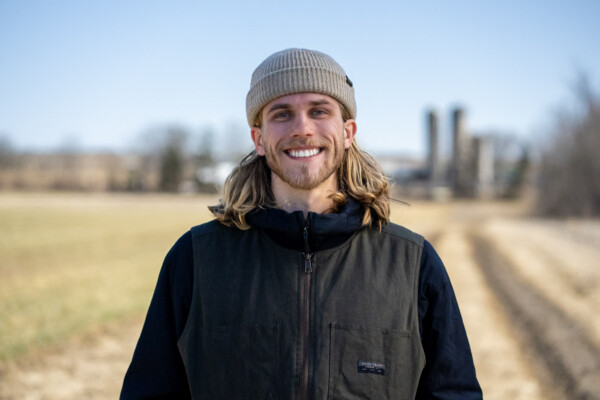
As the American agricultural landscape faces a demographic crossroads—with the average age of domestic producers climbing to 58 and traditional family-farm succession dwindling—a powerful, counter-cultural movement is taking root. Across the nation, a diverse cohort of career-switchers, idealists, and environmental stewards is trading corporate boardrooms, restaurant kitchens, and urban apartments for the fertile soil of organic agriculture.
At the vanguard of this generational handover is the Rodale Institute Farmer Training (RIFT) program. Designed to bridge the widening gap between industrial agribusiness and sustainable ecological stewardship, RIFT prepares the next wave of regenerative organic farmers. Operating out of Pennsylvania, this intensive, nine-month immersive curriculum is more than an agricultural trade school; it is an incubator for environmental restoration, local food security, and holistic community health.
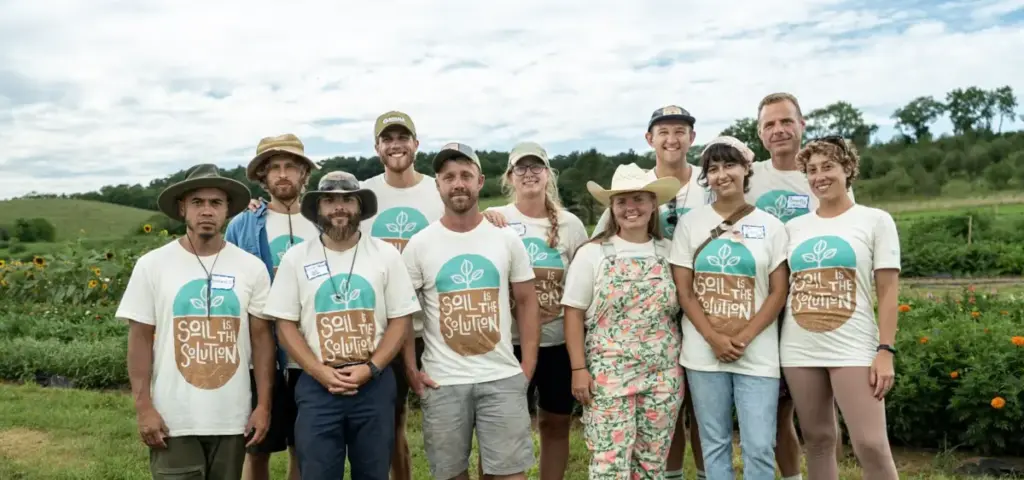
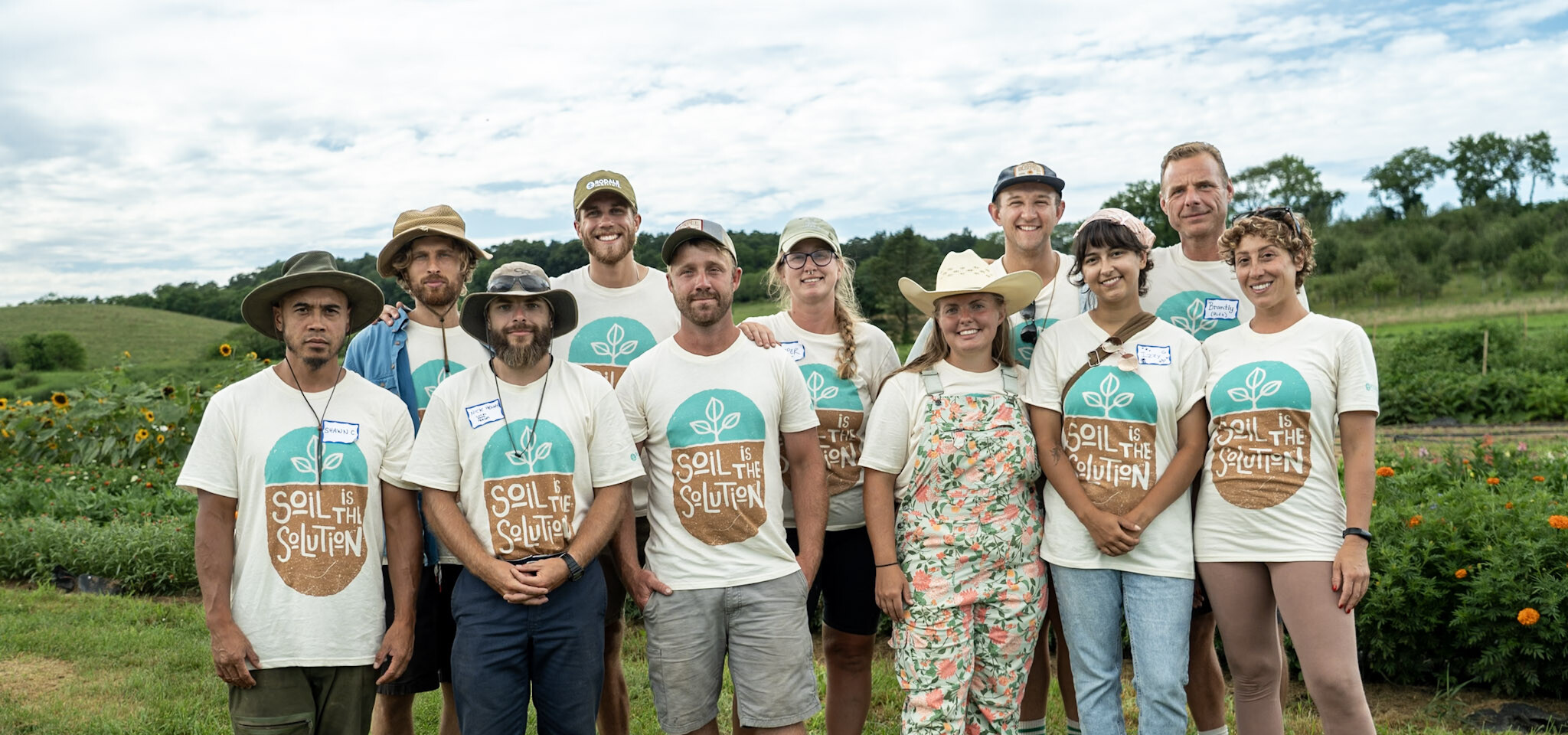
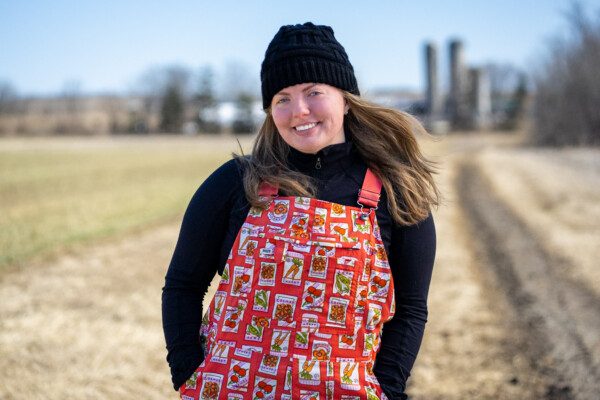
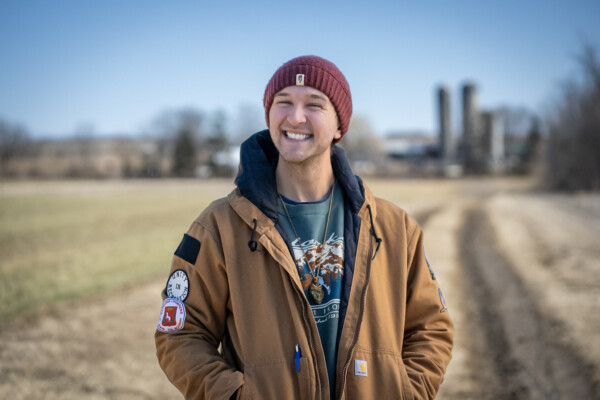
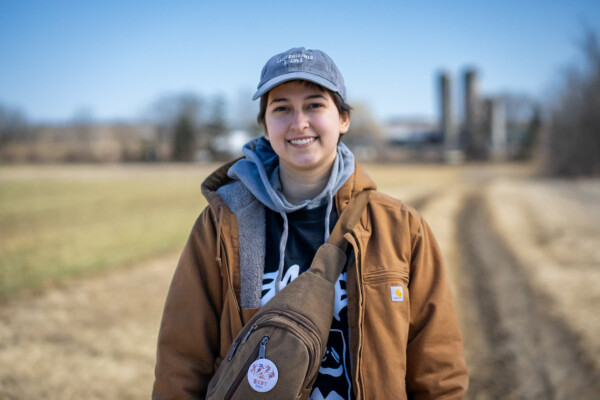
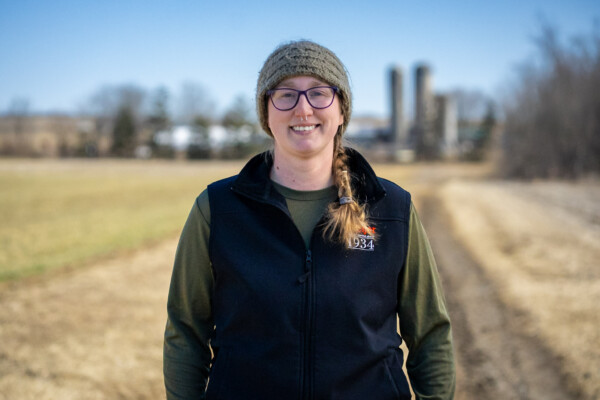
The 2025 RIFT cohort embodies this paradigm shift. Comprising nine participants ranging from their early twenties to their early fifties, the group hails from varied professional backgrounds—spanning technology, corporate retail, the arts, and culinary services. United by a shared vision of healing the planet through soil health, these trainees are rewriting the narrative of modern farming. Supported by institutional partnerships like Northampton Community College and Prescott College, and bolstered by holistic financial backing including weekly stipends and housing, RIFT is democratizing access to agriculture and laying the groundwork for a resilient, human-scale food economy.
Detailed Chronology: The Journey from Incubation to Innovation
To understand the transformative power of the RIFT program, one must examine the trajectories of the individuals who comprise its 2025 cohort. Far from following a linear path into agriculture, each participant’s journey reflects a conscious awakening to the crises of the modern industrial food system.
The Tech Sector Escape: Shawn Cabalsi
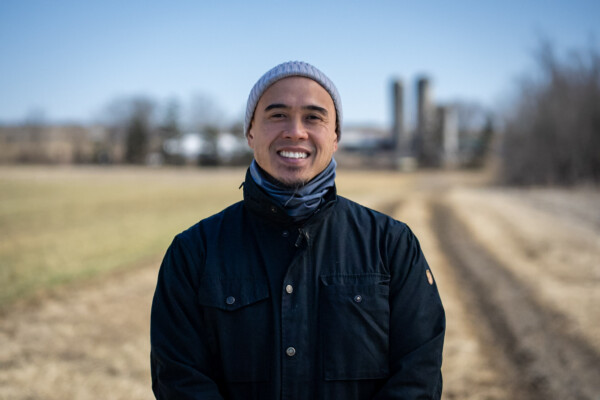
For 43-year-old Pennsylvania native Shawn Cabalsi, building a successful career in technology ultimately felt hollow. Seeking a life aligned with greater ethical and moral clarity, Cabalsi immersed himself in the writings of agrarian philosophers Wendell Berry, E.F. Schumacher, and Masanobu Fukuoka. Their critiques of industrial food production and environmental degradation struck a chord.
Cabalsi’s vision extends far beyond personal lifestyle changes. He co-founded an 11-acre nonprofit 501(c)(3) organic farm in Macungie, Pennsylvania, dedicated to supplying fresh produce to food-insecure populations. Entering the RIFT program was a strategic step to master organic certification and advanced regenerative methods. Furthermore, Cabalsi is leveraging RIFT coursework—transferable as college credits through Northampton Community College—toward a Master of Arts in Regenerative Design online through Prescott College, uniting practical land management with ecological systems theory.
Bridging Heritage and Modernity: Delaney Gemmel
Delaney Gemmel’s roots run deep in the retail floral industry, anchored by her family’s multi-generational flower shop in Allentown, Pennsylvania. Initially pursuing a business degree at Lehigh University with an eye toward small-scale enterprise, Gemmel expanded her worldview through travels in Ecuador, Spain, and Malawi. Observing diverse global food systems ignited a passion for fresh food, outdoor labor, and sustainable production.
Gemmel’s ultimate goal is a synthesis of heritage and innovation: establishing a small-scale flower farm that supplies both her family’s historic shop and a direct-to-consumer market. By combining her agricultural training with a rigorous business background, she aims to bolster local supply chains and support community-centric enterprises.
The Project Manager for Planet Earth: Payton Wilks
Raised in Tipp City, Ohio—a Dayton suburb surrounded by conventional corn and soybean fields—Payton Wilks initially studied acting, anthropology, and French at Ohio University before traveling abroad and teaching English in France. Upon returning to the United States and earning a project management certification, Wilks confronted a defining question: Where can I have the greatest impact on humanity’s most pressing crisis?
Though initially exploring renewable energy, Wilks found his true calling in regenerative organic agriculture. Recognizing the profound potential of soil to sequester carbon while feeding communities, he joined RIFT. His immediate horizon involves managing diversified vegetable operations to hone his craft, with a long-term vision of establishing his own farm, potentially expanding his regenerative mission internationally.
Documenting the Earth: Isidra Garcia
Isidra Garcia’s path to the soil winds through the lens of a camera. While studying video production at Kutztown University—located near Rodale Institute’s main campus—Garcia secured an internship with the Institute’s communications department in 2024. Investigative work on a documentary regarding fast fashion exposed her to the environmental devastation of industrial textiles, steering her toward hemp textile research at Rodale.
Immersed in the Institute’s fields, Garcia fell in love with agriculture. Her future plans merge media production with direct land stewardship: acquiring a plot of land to restore soil health, launching a line of fresh, home-grown pico de gallo products, and producing educational video content to demystify organic agriculture for the broader public.
Healing Self and Soil: Samantha Cooper and Garrett Tidler
Samantha Cooper’s transition to farming is deeply intertwined with personal and societal healing. Working as a senior manager for a major department store chain in Central Indiana, Cooper and her partner, Garrett Tidler, witnessed acute food system vulnerabilities during the COVID-19 pandemic.
While Tidler completed the RIFT program in 2024 (and is continuing through its advanced 22-month fellowship track), Cooper left her retail career to work at the St. Luke’s–Rodale Institute Organic Farm in Easton, Pennsylvania. Three-and-a-half years sober from alcohol, Cooper views farming as a somatic and psychological redemption. Her capstone farm plan focuses on cultivating medicinal herbs—such as borage, marigolds, and calendula—to formulate healing teas and tinctures. The couple ultimately plans to return to Indiana to inject life, health, and an organic movement into a landscape dominated by heavily sprayed, industrial field crops.
The Systems Problem-Solver: Kade Eckert
A native of Washington state, Kade Eckert’s entrepreneurial drive led him from restaurant kitchens to microgreens operations and urban food production education. Recognizing that restaurant work failed to solve systemic agricultural problems, Eckert launched a Seattle community farm and later worked for a large composting operation in Sweden.
Eckert’s vision centers on ecological remediation. His immediate goal is to acquire a degraded plot of land in Washington and restore its vitality through regenerative care. Utilizing composted organic waste from local schools and hospitals, Eckert plans to establish a native plant nursery, host farm-to-table educational meals, and prove that regenerative homesteading can be economically viable.
Supporting Context & Metrics: The Mechanics of the RIFT Program
The urgency of programs like RIFT cannot be overstated. According to United States Department of Agriculture (USDA) data, the average age of the American farmer continues to hover near 58 years old. Concurrently, barriers to entry—including exorbitant land costs, capital requirements, and a lack of technical mentorship—have historically kept prospective farmers out of the industry.
The Rodale Institute Farmer Training program systematically dismantles these barriers through a robust structural framework:
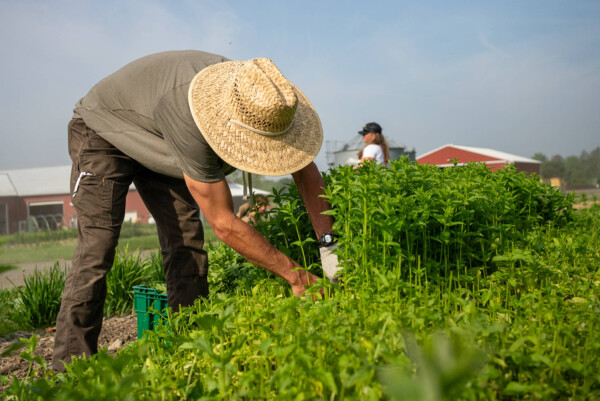
Duration & Scope: A comprehensive, 35-consecutive-week (nine-month) immersion covering the complete seasonal cycle of crop production, from seed selection and soil preparation to harvest and market distribution.
Financial Support: To ensure equity and accessibility, RIFT participants receive a weekly stipend of $600 alongside free housing on-site—a rare suite of benefits in agricultural education.
Academic Integration: Trainees can earn transferable college credits through Northampton Community College, which apply toward accredited degrees such as Prescott College’s Master of Arts in Regenerative Design.
Capstone Output: Every student drafts a comprehensive, operational farm plan by the end of the course. These documents serve as functional blueprints for launching farm businesses, securing micro-grants, and pursuing organic certification.
Alumni Network: Since its inception in 2011, the program has graduated over 100 individuals who retain lifetime access to online educational resources, institutional mentorship, and an invaluable peer network.
Official Statements & Perspectives
The philosophy underpinning the Rodale Institute’s educational initiatives emphasizes resilience, accessibility, and systemic transformation.
Justin Barclay, Global Education Operations Manager at Rodale Institute, notes:
"Organic-focused education for 35 consecutive weeks is not common in other farmer-training programs. Successful participants have the goal of starting an agricultural business, can work in a team environment, and are willing to be coached."
For the participants, the Institute provides more than technical training—it offers a philosophical compass. Reflecting on his transition from the technology sector, Shawn Cabalsi observes:
"Farming is a big step for me toward being more in harmony with nature. We’re exploring how you design natural and social systems that are more regenerative versus extractive or wasteful."
Similarly, Samantha Cooper articulates the profound psychological dimensions of regenerative labor:
"It feels good to be outside in the sun and getting the fruits of my labor. It’s healing for me to grow the product, use it, and benefit from it—and then use what I’ve grown and what I’ve learned to educate other people."
Future Outlook: Rebuilding the American Food Shed
The success of the Rodale Institute Farmer Training program signals a promising evolution in American agriculture. As graduates like Cabalsi, Gemmel, Wilks, Garcia, Cooper, and Eckert return to their respective home states or carve out new niches in the Mid-Atlantic and Pacific Northwest, they carry with them the scientific and philosophical tools necessary to decentralize and decarbonize the food supply chain.
By transforming degraded soils into carbon sinks, prioritizing human nutrition over commodity processing, and reconnecting urban and rural communities to the sources of their sustenance, the new guard of regenerative farmers is proving that agriculture can be a primary vehicle for planetary healing. Through sustained philanthropic support, institutional partnerships, and unwavering institutional commitment, the Rodale Institute is ensuring that the seeds of a sustainable future are planted deeply, securely, and permanently.