

Executive Overview
In an era defined by rapid urbanization, concrete expansion, and the relentless pressure of modern real estate development, the preservation of open spaces has transitioned from an environmental ideal to an existential necessity. Nowhere is this tension more palpable than in small, densely populated island communities where every square meter of land represents a contested frontier between progress and preservation.
Against this backdrop, the National Trust for Jersey has announced a significant strategic land acquisition: the incorporation of Maupertuis Farm and its surrounding agrarian landscape into its ever-expanding portfolio of protected heritage sites. This latest acquisition is not merely a routine real estate transaction for the 90-year-old conservation charity; it represents a decisive intervention in the spatial planning and ecological future of the island.
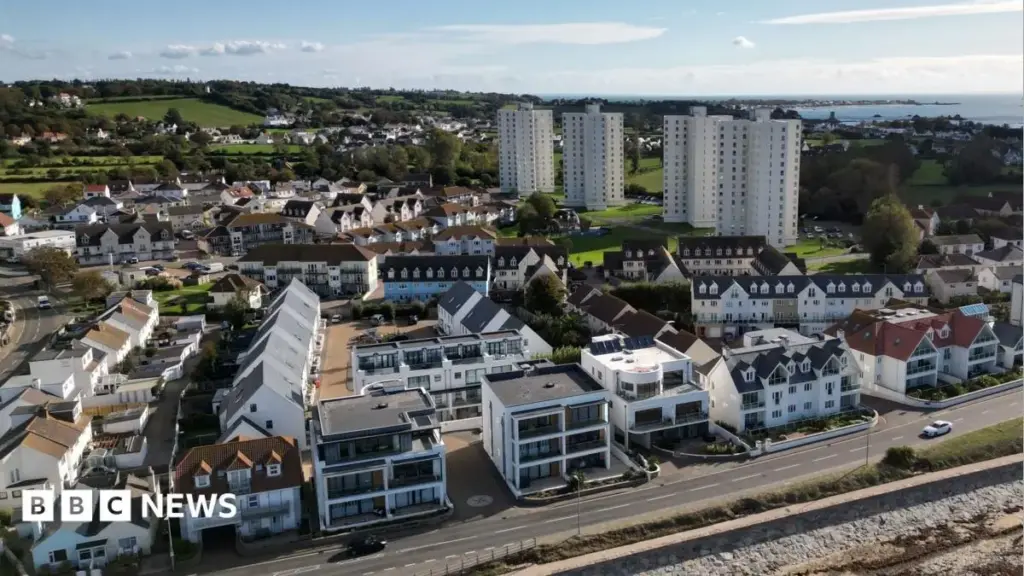
By securing Maupertuis Farm, the Trust has effectively erected a permanent green bulwark against the encroaching tide of urban sprawl. The move safeguards vital agricultural heritage, creates an uninterrupted ecological corridor for indigenous wildlife, and preserves a much-needed "green lung" for human populations residing in the island’s most densely developed zones.
Chief Executive Alan Le Maistre has framed the acquisition as both a privilege and a profound responsibility, underscoring that open spaces are becoming increasingly precious commodities. As the Trust marks its ninth decade of continuous operation, this milestone acquisition serves as a powerful reminder of the organization’s enduring mandate: to safeguard the unique natural beauty, historical identity, and ecological integrity of Jersey for current and future generations. This in-depth report explores the implications of the Maupertuis Farm acquisition, examining the chronological trajectory of the deal, the broader metrics of the Trust’s land management efforts, the philosophical underpinnings of urban conservation, and the strategic outlook for the island’s remaining rural landscapes.
Detailed Chronology of the Acquisition
The journey toward the safeguarding of Maupertuis Farm was neither swift nor straightforward. It represents the culmination of months of delicate negotiations, rigorous environmental assessments, and strategic financial planning orchestrated by the leadership and board of the National Trust for Jersey.
While the public announcement was made public following the finalization of contracts, the timeline of preservation runs much deeper, reflecting a sustained commitment to protecting the island’s western and central agricultural zones.
Phase One: Identification and Feasibility
The initial identification of Maupertuis Farm as a high-priority conservation target began quietly within the Trust’s land acquisition committee. Recognizing the vulnerability of the surrounding area to incremental development pressures, conservationists mapped out the ecological and historical value of the farmstead.
Unlike isolated historical monuments, Maupertuis Farm represents an intact ecosystem—a living, working agricultural entity that encapsulates centuries of rural traditions, soil management, and vernacular architecture. Feasibility studies were launched to determine the ecological carrying capacity of the land, the structural integrity of any existing farm buildings, and the financial requirements needed to secure and maintain the property in perpetuity.
Phase Two: Strategic Negotiations and Financial Structuring
Securing agricultural land in a competitive property market requires immense discretion, agility, and philanthropic backing. As land values across the island continue to soar, driven by high demand and limited supply, conservation trusts must operate with sophisticated financial acumen.
During this second phase, the leadership team engaged in protracted discussions with the previous owners and relevant stakeholders. The goal was to reach an agreement that respected the commercial realities of the land market while honoring the overarching public interest of heritage conservation. Through a combination of dedicated acquisition funds, legacy gifts, and targeted donor outreach, the financial framework for the purchase was assembled.
Phase Three: Finalization and Public Disclosure
The culmination of these efforts arrived when the final legal signatures were affixed, transferring ownership of Maupertuis Farm to the National Trust for Jersey. The timing of this announcement holds symbolic resonance, following closely on the heels of the Trust’s landmark 90th-anniversary celebrations in August.
Upon securing the deeds, the Trust immediately initiated baseline ecological surveys to map out flora, fauna, and soil health. This ensures that the management strategy moving forward is grounded in rigorous scientific data. By bringing Maupertuis Farm into the public trust, the organization has effectively neutralized any future commercial development threats, locking the land into a permanent state of protected stewardship.
Supporting Context & Metrics: The Scale of Conservation in Jersey
To fully understand the significance of the Maupertuis Farm acquisition, one must examine the broader canvas upon which the National Trust for Jersey operates. Managing conservation land in an island context presents unique logistical, financial, and ecological challenges.
The Metric of Preservation: Vergées and Beyond
The National Trust for Jersey currently manages approximately 1,800 vergées of land distributed strategically across the island. (A vergée is a traditional unit of land measurement historically used in the Channel Islands, equivalent to approximately 0.44 acres or 1,820 square meters). Managing an estate of roughly 800 acres requires an immense operational apparatus, encompassing everything from historic building restoration to habitat management, public access maintenance, and agricultural leasing.
This sprawling portfolio is not concentrated in a single sprawling wilderness; rather, it is a mosaic of coastal cliffs, historic properties, wooded valleys, archaeological sites, and working farms like Maupertuis. This decentralized approach ensures that biodiversity hotspots and cultural touchstones are protected in every parish, maintaining the rural character of the island against the relentless pressures of modern infrastructure expansion.
The Urban-Rural Divide and the "Green Lung" Concept
In densely developed pockets of the island, the availability of open, unsealed land has plummeted over the past half-century. Urbanization brings undeniable economic benefits, but it also introduces severe externalities: the urban heat island effect, habitat fragmentation, loss of permeable drainage surfaces (increasing flood risks), and a deficit of accessible green space for public recreation and mental well-being.
Environmental psychologists and urban planners increasingly emphasize the concept of "green lungs"—large, interconnected patches of natural or agricultural land that purify air, regulate microclimates, and offer psychological respite to urban dwellers. Maupertuis Farm acts precisely as this form of urban-rural buffer. By maintaining its agricultural status, the Trust ensures that the local ecosystem remains resilient, providing a vital sanctuary for pollinators, nesting birds, and migratory species while offering human visitors an immersive connection to the natural world.
Official Statements and Leadership Perspectives
The gravity of the Maupertuis Farm acquisition has drawn commentary from key figures within the conservation sector, highlighting the collaborative effort required to achieve such a milestone.
Chief Executive Alan Le Maistre, speaking on behalf of the Trust, emphasized the philosophical urgency driving the organization’s current strategic plan:
"Green spaces are becoming ever more precious. Protecting them is particularly important in densely developed parts of the island, where the concrete footprint threatens to overwhelm our natural heritage. It is a privilege to have the opportunity to extend this green lung for both the wildlife and people of the area."
Mr. Le Maistre’s remarks point to a fundamental shift in how conservation is perceived in the 21st century. It is no longer merely about locking away pristine wilderness areas; it is about actively reclaiming, restoring, and defending the interstitial spaces where human habitation meets the natural environment.
Furthermore, the Trust has issued a direct call to action, inviting members of the public, corporate partners, and philanthropists who wish to support the latest acquisition to contact the charity directly. This underscores the reality that heritage preservation is a participatory civic enterprise. Government grants and legacy endowments provide a foundational baseline, but the ongoing acquisition and maintenance of land depend heavily on grassroots community engagement and active philanthropy.
Future Outlook: Challenges and Opportunities for Heritage Preservation
Looking ahead, the acquisition of Maupertuis Farm opens up a myriad of forward-looking opportunities while simultaneously highlighting the ongoing challenges facing conservationists in the region.
Ecological Restoration and Sustainable Agriculture
Owning a working farm in the 21st century requires a delicate balancing act. The National Trust for Jersey does not view Maupertuis Farm as a static museum exhibit, but as a dynamic ecosystem. Future plans will likely involve implementing sustainable agricultural practices that enhance soil biodiversity, reduce chemical runoff, and promote regenerative farming techniques. By working in partnership with local tenants and agricultural experts, the Trust can demonstrate that profitable farming and rigorous environmental stewardship are not mutually exclusive, but rather mutually reinforcing.
Public Access and Educational Outreach
One of the core missions of the Trust is public engagement. As urban populations become increasingly detached from the origins of their food and the realities of rural land management, properties like Maupertuis Farm serve as invaluable educational classrooms. Plans for the site will likely incorporate sensitive public access initiatives—such as educational walking trails, interpretive signage detailing the agricultural history of the area, and volunteer-led conservation workshops. These initiatives aim to foster a deep-seated appreciation for the natural world among younger generations.
Securing the Next Decade of Conservation
As the National Trust for Jersey builds upon its 90-year legacy, the acquisition of Maupertuis Farm sets a high benchmark for future endeavors. However, the external pressures facing the island’s landscape are not abating. Rising land values, shifting zoning regulations, and the constant demand for housing mean that the Trust must remain vigilant, well-capitalized, and strategically proactive.
The success of the Maupertuis Farm project proves that when community stakeholders, dedicated leadership, and philanthropic donors unite around a common vision, it is possible to halt the erosion of rural heritage. As this newly secured green lung begins its next chapter under the stewardship of the Trust, it stands as a testament to the enduring truth that the landscapes we choose to protect today will define the quality of life for all who inhabit the island tomorrow.



