

Executive Overview
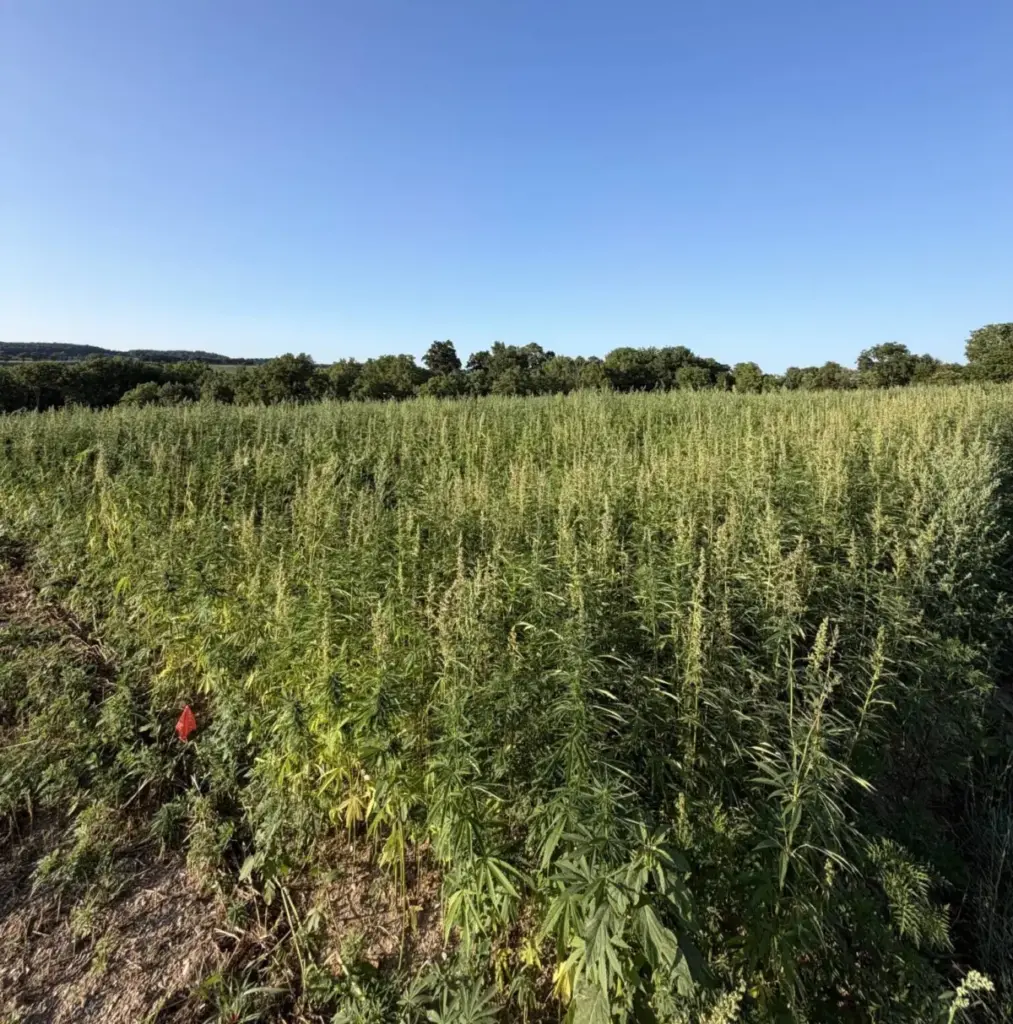
Industrial hemp is experiencing a profound re-emergence across the agricultural landscapes of Pennsylvania and the broader United States. Since the landmark passage of the 2018 Farm Bill officially removed hemp from the federal controlled substances list, carving a path for it as a mainstream agricultural commodity, farmers have increasingly explored the plant’s incredible versatility. Beyond its traditional applications for durable fiber and cannabidiol (CBD) extracts, agricultural innovators are zeroing in on a burgeoning market: industrial hemp grown specifically for its grain.
Hemp grain is an agricultural powerhouse—a nutrient-dense seed packed with plant-based protein, healthy fatty acids, and dietary fiber. Yet, successfully cultivating hemp for grain in a consistent, economically viable, and environmentally sustainable manner within regenerative organic systems remains a frontier filled with unresolved questions.
To bridge this knowledge gap, the world-renowned Rodale Institute—a global leader in regenerative organic agriculture—has partnered with the United States Department of Agriculture’s Agricultural Research Service (USDA-ARS) in Wyndmoor, Pennsylvania. Together, these institutions are executing a multi-year, highly controlled field study to determine how cover crops can optimize hemp grain yields, enhance nutritional profiles, and foster resilient soil ecosystems.
Running from 2024 through 2027, this ambitious research initiative is funded by the U.S. Department of Agriculture and administered through the Commonwealth Specialty Crop Block Grant Program by the Pennsylvania Department of Agriculture. By systematically analyzing the interactions between cover crops, root-colonizing fungi, and hemp grain varieties, this collaboration aims to furnish farmers with accessible, science-backed protocols that replace heavy synthetic inputs with regenerative natural power.
Detailed Chronology and Methodology of the Field Trials
The journey toward optimizing hemp grain production requires rigorous scientific methodology, meticulous planning, and multi-year tracking. The initiative is currently progressing through its second year of active field trials at Rodale Institute’s sprawling 333-acre experimental campus in Kutztown, Pennsylvania.
The Experimental Design
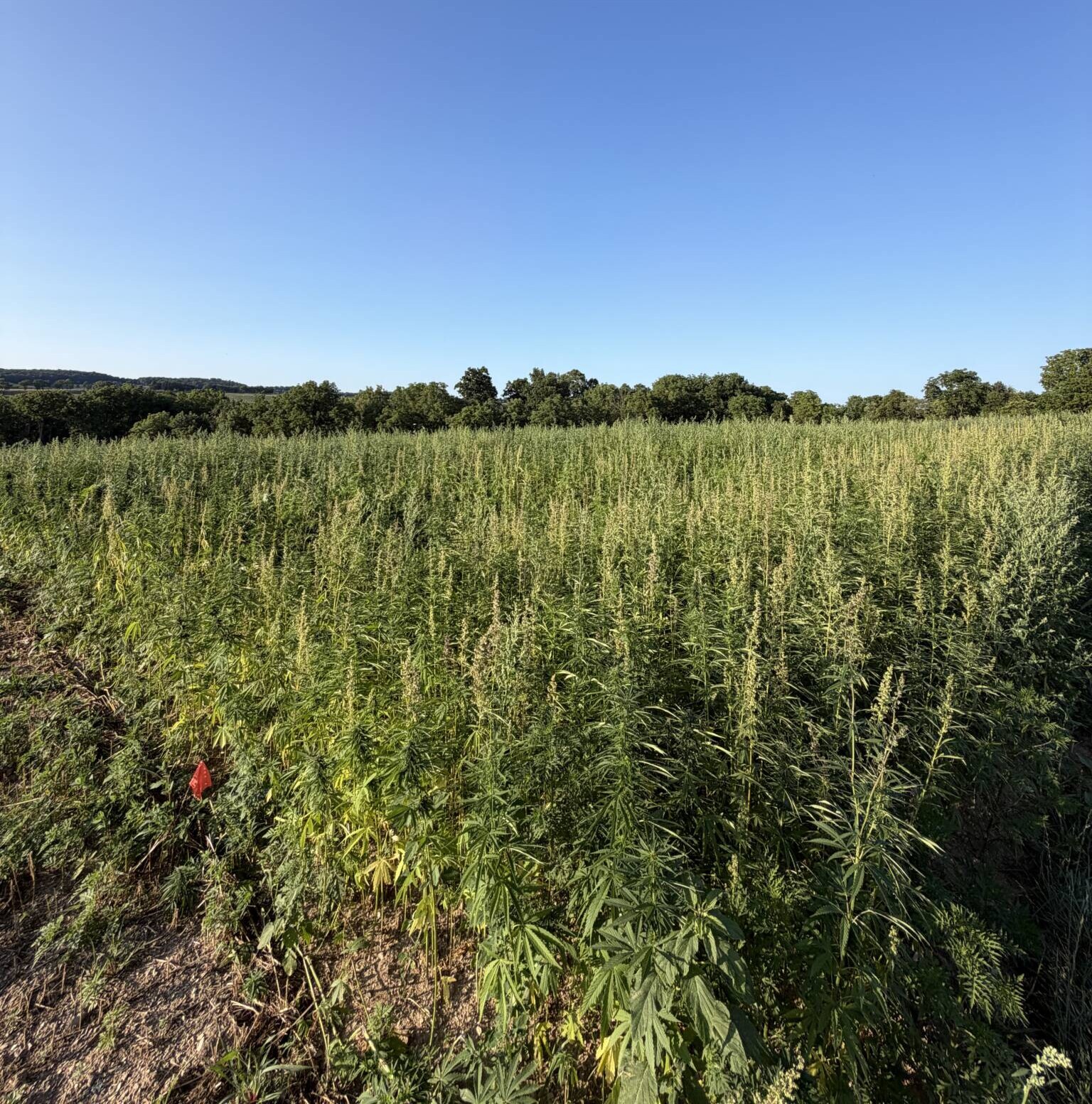
The research team has constructed a sophisticated multi-variable field trial designed to isolate the specific impacts of cover cropping strategies on two distinct industrial hemp grain varieties: CFX-2 and Indigo. Planted at a uniform rate of 40 pounds per acre, these varieties are subjected to four distinct pre-planting cover crop treatments:
- Control (No Cover Crop): Bare soil baseline management reflecting traditional or unmanaged transition phases.
- Triticale Alone: A hardy cereal grain hybrid of wheat and rye that excels at producing biomass and suppressing early-season weeds.
- Hairy Vetch Alone: A nitrogen-fixing legume known for capturing atmospheric nitrogen and converting it into plant-available soil nutrients.
- Triticale-Hairy Vetch Mix: A synergistic blend combining the structural biomass and carbon-storing qualities of the grass with the nitrogen-fixing capacity of the legume.
To ensure statistical validity and account for environmental variability, each of the eight treatment combinations is meticulously replicated four times across standardized plots measuring 20 feet by 60 feet.
Root-Level Investigations: The Unseen Underground
Moving far beyond surface-level harvest metrics, the Rodale Institute and USDA-ARS teams are examining the subterranean ecosystem, specifically targeting arbuscular mycorrhizal (AM) fungi. These beneficial soil microorganisms form symbiotic relationships with plant roots, effectively expanding the plant’s surface area to dramatically improve water and nutrient acquisition.
While AM fungi have been documented to boost crop yields by roughly 15% on average in other agricultural systems—while potentially increasing the concentration of beneficial plant compounds—their precise interactions with industrial hemp grain roots remain largely uncharted. This investigation builds directly upon earlier foundational work by Rodale Institute, which revealed that fiber hemp varieties exhibited strong fungal root colonization rates ranging from 37% to 54%, with the variety MS 77 demonstrating peak colonization. By mapping these fungal dynamics in grain hemp, researchers hope to unlock new pathways for natural disease resistance, drought tolerance, and enhanced nutrient uptake.
Comprehensive Laboratory Analysis
When harvest time arrives, the evaluation does not stop at the grain elevator. Researchers subject the harvested hemp seeds to extensive laboratory testing protocols. The analysis measures traditional nutritional metrics—such as total protein, essential amino acid profiles, and fatty acid breakdowns—alongside specialized minerals. Furthermore, the project tests for ergothioneine, a rare antioxidant amino acid linked in emerging medical literature to cellular protection against neurodegenerative conditions like Alzheimer’s disease. To date, ergothioneine levels have never been systematically quantified in industrial hemp grain, making this a pioneering analytical effort.
Supporting Context & Metrics: The Nutritional and Agronomic Case for Hemp Grain
The Nutritional Profile of Hemp Grain
Hemp grain is capturing the imagination of forward-thinking food scientists and consumer-packaged-goods companies alike due to its extraordinary biochemical composition. Unlike many conventional grains that require heavy processing or fortification to achieve high nutritional value, hemp seeds are naturally complete nutritional packages:
- Fatty-Acid-Rich Oil (~25%): Hemp seed oil is exceptionally high in polyunsaturated fatty acids, featuring an ideal ratio of Omega-6 to Omega-3 essential fatty acids, which support cardiovascular health and reduce systemic inflammation.
- Complete Protein (~27%): Hemp grain contains all eight essential amino acids that the human body cannot synthesize independently, placing it in an elite tier of plant-based protein sources comparable to soy and quinoa.
- Dietary Fiber (~22%): Rich in both soluble and insoluble fiber, hemp seed hulls support optimal gastrointestinal function and metabolic health.
- Carbohydrates (~20%): Low in net carbohydrates and naturally free of gluten, hemp grain fits seamlessly into specialized modern dietary frameworks.
- Vitamins and Minerals: Packed with vital micronutrients, including magnesium, iron, zinc, potassium, and B-complex vitamins.
Agronomic Variabilities and Challenges
Despite its stellar nutritional resume, commercial hemp grain farming is not without hurdles. Yields nationwide have historically fluctuated wildly—ranging anywhere from a meager few hundred pounds to well over 1,000 pounds per acre. This inconsistency is driven by a complex matrix of variables, including unpredictable weather patterns, genetic differences among seed varieties, regional soil conditions, and divergent management practices.
In regenerative organic systems, where synthetic nitrogen fertilizers and chemical pesticides are prohibited, farmers must rely on biological processes to maintain fertility. Cover crops serve as the cornerstone of this ecological framework. By maintaining living roots in the soil year-round, cover crops prevent catastrophic topsoil erosion, sequester atmospheric carbon dioxide, suppress aggressive weeds through natural competition and allelopathy, and stimulate a diverse, active soil microbiome. The central hypothesis of the Rodale-USDA project is that this biological invigoration will directly translate into more predictable, higher-yielding, and nutrient-dense hemp harvests.
Official Statements and Stakeholder Perspectives
The significance of this multi-year research extends far beyond the borders of the Kutztown research plots. It addresses the practical, day-to-day realities faced by modern agriculturalists trying to diversify their crop rotations profitably and sustainably.
"There is a real need for practical guidance on how to grow hemp grain successfully in organic systems," stated Dr. Dinesh Panday, Industrial Hemp Researcher and Soil Scientist at Rodale Institute. "By testing management practices that are affordable and accessible, rather than relying on heavy synthetic fertilizer inputs, the team hopes to give farmers science-backed options that improve both their harvest and their soil."
Dr. Panday’s sentiments underscore a broader industry demand. As consumer preferences shift decisively toward sustainable, plant-based, and nutrient-dense foods, producers are actively seeking profitable specialty crops that can be integrated into existing mid-Atlantic crop rotations without degrading local watersheds or depleting soil organic matter.
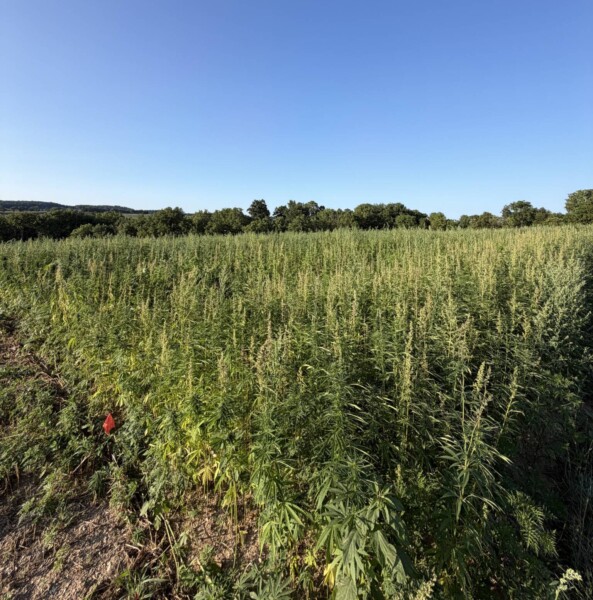
The urgency and relevance of this work were visibly demonstrated on July 17, 2026, during the annual Organic Field Day hosted at Rodale Institute’s headquarters. The event drew approximately 500 visitors, including regional farmers, agronomists, industry stakeholders, and policy makers. Attendees had the unique opportunity to tour the experimental hemp plots, observe the morphological differences between the CFX-2 and Indigo varieties under various cover crop regimes, and engage directly with researchers Tara, Dinesh, and the broader field staff regarding practical implementation on their own farms.
Future Outlook: Building a Resilient Supply Chain
As the research project marches toward its completion in 2027, the dissemination strategy is robustly multi-layered. Over the remaining lifecycle of the initiative, Rodale Institute researchers will continue tracking soil nutrient cycling, plant tissue chemistry, and mycorrhizal root colonization across all trial blocks.
The insights gleaned from these trials will not remain locked away in academic journals. Project organizers have committed to translating complex scientific data into actionable tools for the agricultural community. Findings will be shared broadly through:
- Peer-Reviewed Publications and Extension Articles: Providing rigorous data for agronomists and academic peers.
- Workshops and Webinars: Offering virtual and in-person training modules tailored for agricultural extension agents and farm advisors.
- Hands-On Demonstrations: Leveraging Rodale Institute’s annual field days and regional farm tours to give growers visual, experiential proof of concept.
Who Stands to Benefit?
While large-scale commercial operations stand to benefit from efficiency gains, this research was explicitly designed with Pennsylvania’s specialty crop farmers in mind. This includes beginning farmers, transitioning conventional operations, and underserved growers who are actively seeking lower-risk entry points into high-value specialty markets like hemp grain. Project estimates project that outreach efforts will directly touch and influence approximately 500 growers and industry stakeholders throughout the mid-Atlantic region.
Ultimately, the overarching goal of the Rodale Institute and USDA-ARS partnership is strikingly straightforward: help farmers grow more hemp grain, with superior nutritional density, using ecological practices that build up the soil rather than depleting it.
As industrial hemp solidifies its status as a permanent, mainstream specialty crop in American agriculture, pioneering research of this caliber lays the essential groundwork for a healthier, more climate-resilient supply chain—transforming our agricultural systems from the dirt up, all the way to the food on consumers’ plates.
Disclaimer: This research project is generously funded by the U.S. Department of Agriculture and administered by the Commonwealth Specialty Crop Grant Program through the Pennsylvania Department of Agriculture.



