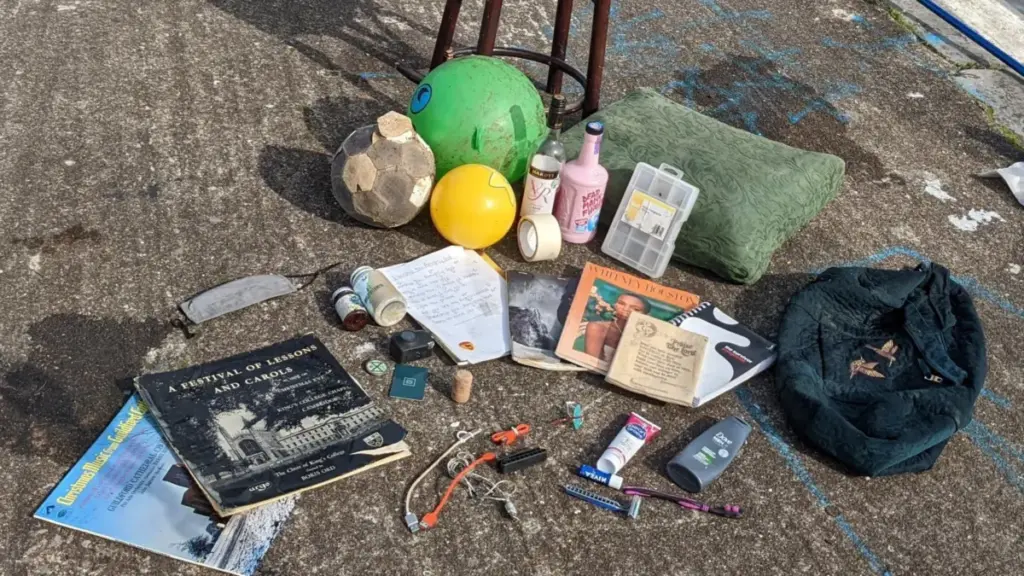
For a decade, the waters of Bristol Harbour have served as an unexpected cabinet of curiosities. From discarded retro tech and vintage confectionery wrappers to inflatable novelties and a message in a bottle originating from Spain, the items fished out by local environmentalists paint a vivid—and sometimes bizarre—portrait of urban life. Yet beneath the humor of these eccentric discoveries lies a profound and urgent environmental mission.
Launched in September 2016 by local resident Chloe Juyon, Clean Up Bristol Harbour has spent the past ten years mobilizing citizens to combat the tide of plastic and general waste choking the city’s historic waterways. What began as an informal gathering of five passionate environmentalists has blossomed into an established community movement. Now operating in partnership with the adventure sports center All Aboard Watersports, the initiative has permanently shifted the ecological and recreational landscape of Bristol.
However, as the group marks its milestone tenth anniversary—celebrating with a special community event slated for World Cleanup Day—it faces a critical juncture. With core funding expiring, the project’s immediate future is uncertain. Organizers have launched an urgent Crowdfunder campaign to secure £5,000, racing against time to ensure that the vital work of protecting Bristol’s aquatic ecosystem does not run aground.
Detailed Chronology: A Decade of Grassroots Conservation
2016: The Genesis on the River Avon
The seed for Clean Up Bristol Harbour was planted entirely by accident. In September 2016, founder Chloe Juyon was serving as a coxing coach on the River Avon during a high tide. Struck by the overwhelming volume of plastic bottles, food wrappers, and miscellaneous debris swirling around her boat, Juyon realized that standard land-based litter picks were wholly inadequate. A significant portion of urban waste drifts in areas entirely unreachable from the concrete paths of the harbourside.
Determined to bridge this gap, Juyon organized the project’s very first clean-up event. Just five people turned up for that initial outing, armed with basic litter pickers and an immense amount of resolve. They quickly recognized a harsh reality: the visible surface trash was merely the tip of the iceberg.
Growth, Evolution, and Institutional Adoption
As word spread throughout Bristol, the grassroots initiative gained momentum. Recognizing the logistical challenges of operating safely on water, the project eventually found a permanent operational home under the umbrella of All Aboard Watersports, a local adventure sports and activity charity.
This partnership transformed Clean Up Bristol Harbour from an ad-hoc community group into a structured, well-equipped enterprise. By putting volunteers directly onto kayaks, paddleboards, and safety boats, the initiative gained unprecedented access to hard-to-reach nooks, piers, and pilings where debris naturally accumulates. Over the years, the project expanded its volunteer base from a handful of dedicated pioneers into a robust network of hundreds of environmental stewards.
Supporting Context & Metrics: The Scale of the Waste
While the eccentricities of the items recovered often steal the headlines, hard data collected by the project underscores the sheer scale of the urban pollution challenge.
The Oddities: A Museum of Urban Waste
Over ten years, volunteers have cataloged an extraordinary array of lost, discarded, and intentionally dumped items. Among the most memorable discoveries are:
A Nintendo Switch console.
An inflatable novelty doll.
A kettle and various household kitchen utensils.
A message in a bottle containing a handwritten note in Spanish.
Countless single shoes, glasses, tennis balls, and discarded clothing items—including factory-sealed thermal underwear.
Nespresso coffee capsules, plastic traffic cones, and a packet of butcher’s tripe mix.
Perhaps one of the most remarkable historical artifacts pulled from the depths was a vintage Marathon-branded chocolate wrapper. Given that the popular chocolate bar was officially rebranded as Snickers in the UK back in 1990, the discovery of the pristine, crumpled wrapper served as a stark reminder of the longevity of modern plastic packaging, lingering beneath the surface for decades.
Hard Data: Quantifying the Impact
Between 2021 and 2023, meticulous recording protocols revealed the true environmental footprint of the initiative:
Volunteers: 236 distinct individuals gave their time to scour the harbor.
Total Waste Removed: Over 880 kg (1,940 lbs) of debris was extracted from the water and surrounding banks.
Recycling Diversion: Nearly 390 kg (859 lbs) of the collected material was successfully sorted and sent for recycling, keeping it out of landfills and incinerators.
The vast majority of the haul consists of ubiquitous single-use items: plastic beverage bottles, aluminum cans, crisp packets, polystyrene takeaway containers, and fragmented plastic packaging.
Official Statements and Perspectives
Reflecting on the milestone anniversary, founder Chloe Juyon expressed both awe at the project’s longevity and gratitude toward the community that embraced her vision.
"There were just five of us at that first clean-up in 2016," Juyon recalled. "I stepped away from running the project several years ago, so seeing it reach its tenth birthday is quite amazing. For me, it really demonstrates the power of community."
Addressing the lighter side of the grueling work, Juyon noted that humor has always played a vital role in keeping morale high among the volunteers:
"You never quite know what you’re going to pull out of Bristol Harbour. Some of the things we’ve found over the years have definitely made us laugh, but there is a serious point behind it. So much floating rubbish simply can’t be reached from the harbourside. Getting volunteers onto the water was always a big part of what I wanted Clean Up Bristol Harbour to become."
Charley Peak-Payne of All Aboard Watersports emphasized the transformative impact the clean-ups have had on the broader community and local wildlife. According to Peak-Payne, the physical health of the harbour has experienced a radical renaissance over the last decade.
"The direct effect it has had on wildlife has been a gradual but noticeable change," Peak-Payne stated. "The water that they are swimming in is considerably cleaner—to the point that we are now running swimming events in the harbour too, something that due to pollution would never have happened 10 years ago."
Future Outlook: The Fight for Survival
As Clean Up Bristol Harbour steps into its second decade, its celebrations are tempered by financial uncertainty. With its primary grant and legacy funding streams officially coming to an end, the continuation of the project is currently hanging in the balance.
To bridge the financial gap, All Aboard Watersports has initiated an emergency Crowdfunder campaign with an initial target of £5,000. Organizers hope that local residents, businesses, and watersports enthusiasts who benefit from a clean and vibrant harbor will step forward to invest in its future.
World Cleanup Day Mobilization
True to its roots, the project is marking its tenth anniversary by returning to what it does best: direct action. The organization is hosting a special community clean-up event aligned with World Cleanup Day.
When: 10:00 to 12:00 BST.
Activities: Members of the public are invited to participate in a self-guided litter pick. Participants can join on foot along the pedestrianized harbourside or take to the water using their own paddleboards, kayaks, or boats.
A Call to Action
The evolution of Bristol Harbour over the past ten years—from an ecologically strained industrial waterway to a thriving hub for open-water swimming, leisure boating, and diverse wildlife—stands as a testament to what grassroots civic action can achieve. Yet, the presence of Marathon wrappers, Nintendo Switches, and hundreds of kilograms of persistent plastics proves that the battle against marine pollution is far from won.
Whether Clean Up Bristol Harbour can secure the financial runway needed to launch its next decade of conservation depends entirely on the generosity of the community it has served for the last ten years.