

Executive Overview
The United States electric vehicle (EV) market is currently defying conventional macroeconomic expectations. Despite the permanent elimination of federal EV tax credits in the autumn of 2025 under the Trump administration—a policy shift many analysts feared would cripple domestic demand—the sector has demonstrated remarkable agility and resilience.
According to newly released data from Kelley Blue Book (KBB), the average transaction price (ATP) for a new electric vehicle dropped to $54,532 in May. This figure represents a 4% decrease compared to the same period last year, extending a persistent downward trend that has now marked 11 consecutive months of year-over-year price contractions.
Simultaneously, consumer demand has not only stabilized but surged. Early market estimates indicate that over 85,000 EVs were sold nationwide in May, establishing a new high-water mark for monthly sales volume since federal subsidies vanished at the end of the third quarter of 2025.
Industry analysts point to a confluence of forces driving this unexpected boom: aggressive manufacturer discounting, sustained high promotional incentives, and a simultaneous spike in traditional fossil fuel prices. As automakers continue to compress profit margins to maintain volume, the pricing gap between battery-electric vehicles and internal combustion engine (ICE) vehicles has narrowed to historic lows, fundamentally altering the landscape of American personal mobility.
Detailed Chronology: The Post-Subsidy Evolution of the US EV Market
To understand the current dynamics of the electric vehicle landscape, one must examine the rapid policy and market shifts that have occurred over the past twelve months.
Q3 2025: The Termination of Federal Subsidies
The turning point for the modern US EV market arrived at the close of the third quarter of 2025, when the federal government officially dissolved the longstanding consumer tax credits for clean vehicle purchases. For years, these incentives—valued at up to $7,500 for eligible new vehicles—had served as the primary legislative engine driving consumer adoption.
The policy termination triggered immediate widespread anxiety across Detroit, Silicon Valley, and foreign automaker boardrooms. Industry prognosticators warned of an impending demand cliff, predicting that buyers would retreat to traditional gas-powered cars or hybrid alternatives in the absence of government price relief.
Q4 2025 – Q1 2026: The Pivot to Corporate Incentives
Faced with the sudden removal of federal support, automakers realized they could not rely on organic market enthusiasm alone to clear inventory lots. Rather than allowing sales volumes to plummet, manufacturers elected to absorb the financial burden themselves.
By the fourth quarter of 2025, dealership lots across the country began rolling out unprecedented private incentives and lease-passthrough loopholes. Automakers began dedicating staggering percentages of vehicle transaction prices to direct consumer discounts. This strategic pivot cushioned the blow of the tax credit expiration, setting the stage for a stabilization of sales volume through the winter months.
Spring 2026: Macroeconomic Pressures and Volume Recovery
As the market transitioned into the second quarter of 2026, external economic pressures began to work in favor of electrification. Crude oil and retail gasoline prices began a steady upward march, reintroducing running-cost anxieties for owners of traditional ICE vehicles.
Concurrently, manufacturing efficiencies, localized supply chains, and battery cost reductions allowed automakers to organically lower production expenses. By May 2026, these factors culminated in a banner month: EV sales pierced the 85,000-unit ceiling, proving that consumer interest in electric mobility had matured far beyond a dependency on government subsidies.
Supporting Context & Metrics: Analyzing the May 2026 Data
The health of the American EV ecosystem can be quantitatively mapped through a series of key performance indicators tracked by Kelley Blue Book and automotive market analysts.
Average Transaction Prices (ATPs)
The average transaction price for a brand-new electric vehicle settled at $54,532 in May 2026. This metric is notable for several reasons:
- Year-over-Year Decline: ATPs have fallen by 4% compared to May 2025.
- Streak Continuity: This represents the 11th consecutive month of year-over-year price declines, illustrating a sustained deflationary trend in the EV sector.
- Narrowing Parity: As EV prices trend downward while traditional vehicle costs remain relatively flat or increase due to inflation and safety regulations, the price delta between EVs and gas-powered cars has reached historic lows.
Manufacturer Incentives and Promotional Spending
Incentives have evolved from an optional marketing tool into a structural necessity for maintaining market velocity. In May 2026, automakers allocated an average of 14% of a vehicle’s total transaction price toward incentives.

- Dollar Value: This equates to roughly $7,600 per vehicle in direct consumer savings, manufacturer rebates, or subsidized financing rates.
- Industry Comparison: This level of promotional spending is nearly double the broader automotive industry average for traditional gas-powered vehicles, underscoring how aggressively EV manufacturers are fighting for market share.
- Month-over-Month Stability: Incentive spending remained essentially flat compared to April, indicating that automakers have established a temporary baseline equilibrium for discounting.
Tesla’s Market Dominance and Pricing Pressure
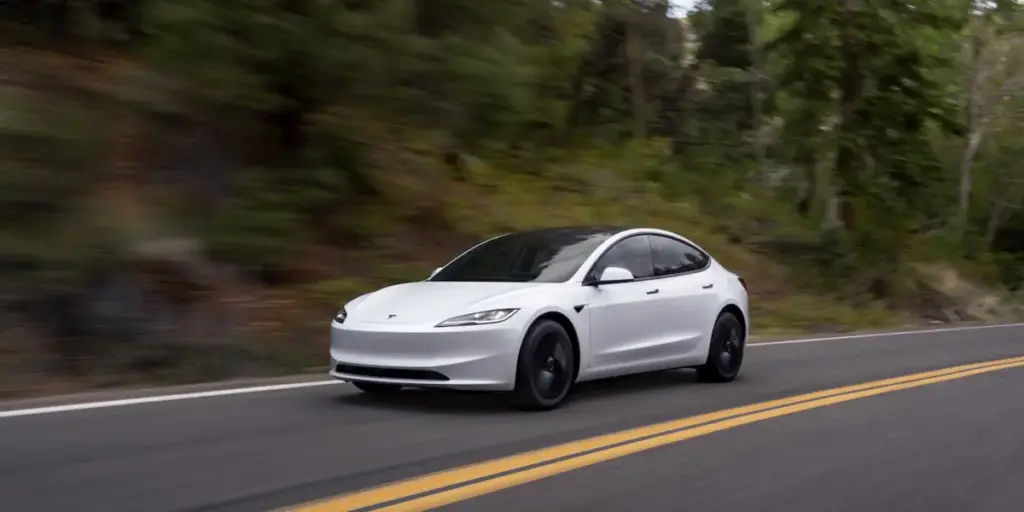
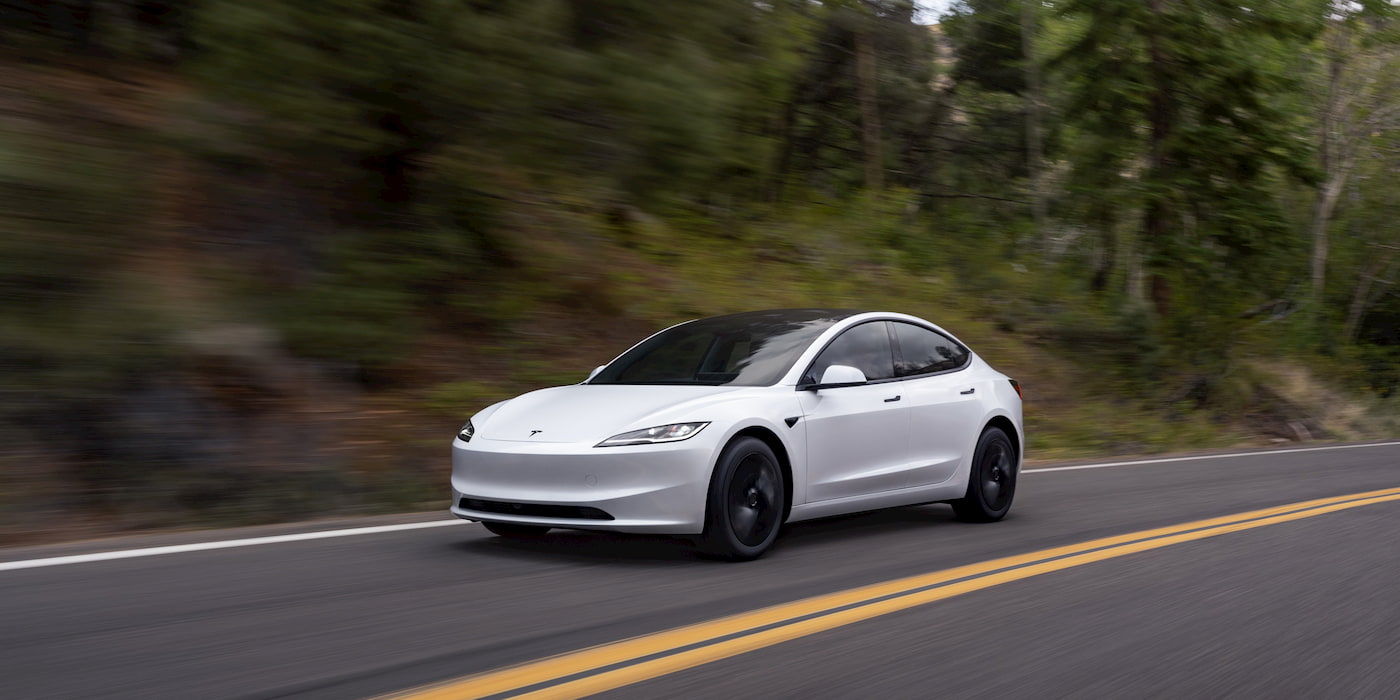
Tesla remains the undisputed heavyweight of the American electric vehicle market, commanding roughly 50% of all US EV sales. Because of this outsized market share, Tesla’s pricing strategy acts as the gravitational pull for the entire industry.
In May 2026, the average price paid for a Tesla vehicle dropped 1% month-over-month and fell 3.4% year-over-year. A deeper dive into Tesla’s sales mix reveals a hyper-focus on volume-driving, accessible platforms:
- Volume Concentration: A staggering 96% of Tesla’s total US sales in May were derived from its two most affordable offerings.
- Tesla Model 3: Registered an average transaction price of $49,082.
- Tesla Model Y: Registered an average transaction price of $51,537.
By keeping transaction prices hovering just under the $50,000 threshold for its high-volume crossover and sedan, Tesla continues to force legacy automakers and rival EV startups to compress their own margins to remain competitive.
Official Statements and Industry Perspective
Industry executives, market researchers, and policy analysts have offered diverse interpretations of the post-subsidy landscape.
Speaking on condition of anonymity, a senior strategy executive at a major traditional Detroit automaker noted that the market has undergone a painful but necessary Darwinian evolution. "When the federal tax credits were pulled, everyone in the industry braced for impact. We assumed the consumer base was addicted to the $7,500 discount," the executive explained. "What we miscalculated was the underlying consumer appetite for the technology itself. Once gas prices ticked up this spring, buyers didn’t walk away—they simply waited for us to meet them halfway with our own balance sheet discounts."
Financial analysts tracking automotive equities have expressed cautious optimism regarding the margin compression forced by high incentive spending. In a recent note to investors, a leading automotive research firm highlighted that while high incentives eat into per-vehicle profitability, volume retention is paramount for scaling battery supply chains.
"Automakers are effectively subsidizing the consumer tax credit themselves," the research note stated. "It is a war of attrition. Companies with robust balance sheets—led by Tesla and select legacy giants—can absorb 14% incentive structures. Smaller EV-only startups, however, will find this prolonged margin erosion extraordinarily difficult to survive over the next twenty-four months."

Consumer advocacy groups have similarly weighed in, praising the democratization of EV pricing. Consumer reports indicate that buyers shopping the pre-owned and new EV markets are finding unprecedented leverage on dealership floors, transforming what was once considered a luxury niche into a viable option for middle-class households.
Future Outlook: Where is the US EV Market Headed?
As the automotive sector looks toward the second half of 2026 and beyond, several critical variables will dictate the trajectory of electric vehicle adoption and pricing in the United States.
1. The Sustainability of High Incentive Spending
The most pressing question facing boardrooms is whether automakers can maintain an average incentive structure of 14% ($7,600 per vehicle) indefinitely. While these discounts are currently fueling the post-subsidy sales surge, they are inherently inflationary for manufacturing losses. Analysts expect automakers to increasingly rely on next-generation manufacturing techniques—such as mega-casting, structural battery packs, and cheaper lithium iron phosphate (LFP) chemistry—to structurally lower production costs so they can phase out heavy promotional spending without dampening sales volume.
2. Macroeconomic and Energy Volatility
The recent spike in EV sales has been significantly catalyzed by rising gas prices at the pump. If traditional energy markets stabilize or experience downward pressure, the running-cost advantage of EVs may face temporary headwinds. Conversely, any sustained geopolitical friction affecting crude oil supplies will likely accelerate EV conversion rates even further, cementing electricity as the preferred fuel for American commuters.
3. Regulatory Pressures and Fleet Standards
Even in the absence of direct consumer tax credits, federal and state-level emissions regulations continue to enforce strict fleet-wide efficiency standards. Automakers are legally obligated to sell a specific volume of zero-emission vehicles to avoid crippling regulatory penalties. This statutory requirement guarantees that legacy manufacturers will continue to push EVs into the market, utilizing whatever pricing levers—price cuts, low-APR financing, or heavy lease incentives—are necessary to clear inventory.
4. The Expanding Secondary and Alternative Market
As new EV transaction prices continue their 11-month downward slide toward the mid-$50,000 range, a cascading effect is taking place in the secondary pre-owned market. Affordable used EVs are finally reaching critical mass, offering sub-$25,000 options for budget-conscious buyers. Furthermore, complementary infrastructure—such as residential and commercial solar installations, incentivized by programs like EnergySage—is helping consumers offset the charging costs associated with EV ownership, creating an integrated ecosystem of clean energy adoption.
Conclusion:
The American EV market has successfully weathered its baptism by fire. By proving that demand can survive the sudden termination of federal subsidies through aggressive corporate pricing adjustments and natural market pressures, electric vehicles have firmly established their permanence in the US automotive landscape. The road ahead remains fiercely competitive, but the era of artificially inflated EV pricing appears to be coming to a decisive end.



