

Executive Overview
When consumers pay a premium for "organic" honey, they do so with a clear expectation: that the golden liquid in the jar was gathered by bees foraging in pristine, chemical-free environments, far removed from the synthetic pesticides and intensive fertilizers characteristic of conventional agriculture. For American shoppers, the USDA organic seal has long served as a gold standard of agricultural integrity and regulatory oversight.
However, a newly filed federal lawsuit threatens to shatter that consumer confidence. Spearheaded by Bruce Kaser—a certified organic farmer, activist, and attorney acting on behalf of domestic honey producers—the legal challenge alleges that a significant portion of imported "organic" honey, predominantly sourced from Brazil, skirts stringent U.S. standards. By exploiting regulatory loopholes, foreign producers are flooding the American market with honey bearing the USDA organic label without undergoing the rigorous, on-site inspections required of domestic farmers.
This unfolding controversy exposes deep vulnerabilities in international agricultural trade agreements, threatens the livelihoods of American beekeepers, and raises critical questions about food safety, consumer fraud, and the integrity of global organic labeling. As global demand for natural sweeteners surges, the honey market has become a prime target for economic adulteration, leaving health-conscious consumers vulnerable to deceptive marketing practices.
Detailed Chronology: The Anatomy of a Regulatory Loophole
To understand how imported honey can carry a USDA organic label while potentially bypassing USDA standards, one must examine the complex machinery of international organic equivalency agreements and inspection protocols.
The Domestic Standard vs. Foreign Exemptions
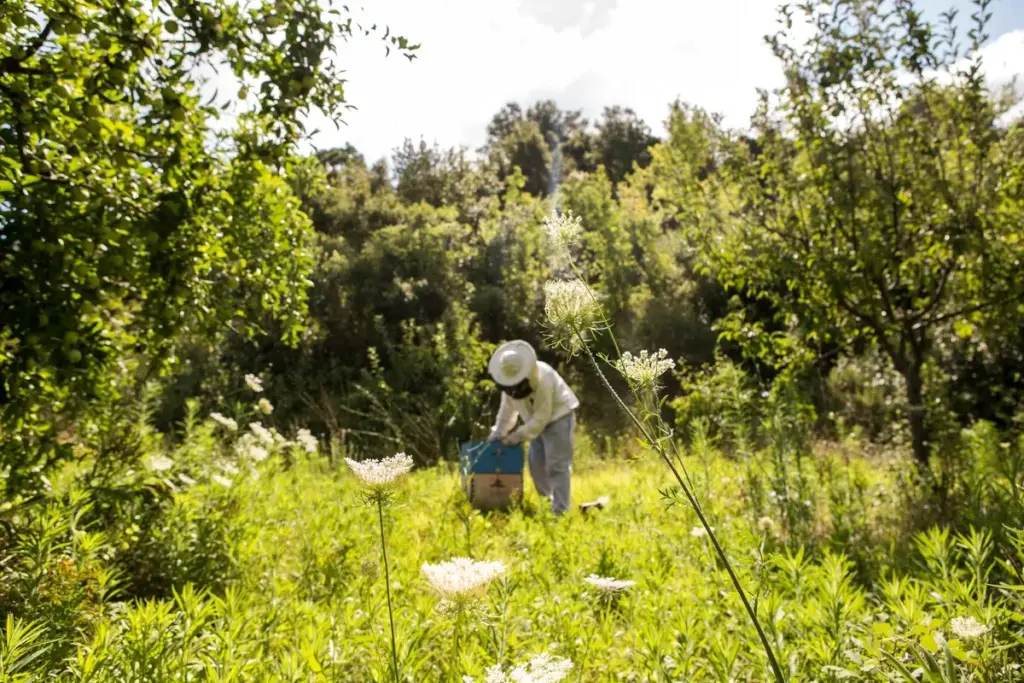
For domestic farmers and apiarists seeking USDA organic certification, the path is arduous and meticulously monitored. Producers must submit to annual, on-site inspections by accredited third-party certifiers. For honey producers specifically, the regulations are exceptionally strict: hives must be placed in areas that maintain a strict 10-square-mile buffer zone between the bees’ foraging grounds and the nearest conventional agricultural land utilizing synthetic agrichemicals. This ensures that the nectar collected is free from systemic pesticides, herbicides, and synthetic fertilizers.
Conversely, foreign producers targeting the U.S. market often bypass these rigorous, individual farm audits. A massive proportion of imported organic honey originates in Brazil, a nation heavily reliant on intensive conventional agriculture. According to a 2023 study published in Hygiene and Environmental Advances, Brazil ranks among the world’s leading consumers of pesticides, a trend heavily catalyzed by government policies favoring large-scale agribusiness interests.
The Equivalency Loophole
How does honey produced in heavily farmed regions of Brazil manage to secure a USDA organic designation? The answer lies in international trade frameworks and equivalency arrangements—most notably, an arrangement routed through Canada.
Rather than subjecting Brazilian apiaries to direct, on-site inspections by USDA-accredited auditors, certification is frequently managed through Canada’s organic regulatory framework via equivalency agreements. Critics and legal filers point out that Canadian standards for organic honey production contain notable nuances and perceived leniencies regarding synthetic inputs and management practices compared to domestic U.S. expectations.
This administrative bridge creates a perilous regulatory loophole. It allows Brazilian honey, produced in environments that frequently mirror intensive conventional farming operations, to be funneled through foreign certification pathways, ultimately arriving on U.S. store shelves bearing the coveted USDA organic seal.
"U.S. consumers who rely on the USDA organic seal to guarantee honey is produced by bees feeding in an agrichemical-free environment are being defrauded," states Bruce Kaser, the attorney leading the lawsuit. Beyond consumer deception, the suit emphasizes the severe economic disadvantage this creates for American honey producers, who must bear the high costs and operational constraints of complying with true domestic organic standards while competing against cheaper, questionably certified imports.
Supporting Context & Metrics: The Global Crisis of Honey Fraud
The legal battle over imported organic honey is not an isolated incident; rather, it is part of a broader, systemic crisis plaguing the global honey supply chain. As consumer demand for natural, health-promoting sweeteners continues to skyrocket, honey has emerged as one of the most frequently adulterated food products in the world, according to data compiled by the Journal of Food Protection.
The Scale of Importation and Adulteration
The United States relies heavily on foreign apiaries to meet domestic demand. Approximately 80% of all honey consumed in the U.S. is imported. With such vast quantities crossing national borders, tracking the provenance and purity of every batch becomes an Herculean task for regulatory agencies.
The problem extends far beyond organic certification technicalities into outright economic adulteration—the practice of diluting pure honey with cheaper syrups.
- European Union Investigations: A comprehensive European Union investigation conducted between 2021 and 2022 revealed that nearly 40% of all honey imported into the EU had been adulterated with inexpensive rice or corn syrups.
- U.S. Food and Drug Administration (FDA) Findings: Closer to home, an FDA targeted sampling initiative uncovered that approximately 4% of tested honey samples commercially available in the U.S. contained undisclosed, cheaper sweeteners.
- The Premium Product Target: High-value specialty products, such as Manuka honey from New Zealand, are particularly susceptible to fraudulent labeling and dilution. Revered for its potent antibacterial, immune-boosting, and digestive health benefits, Manuka honey commands steep prices, making it a lucrative target for unscrupulous actors seeking to maximize profit margins by blending authentic honey with synthetic or low-cost sugar matrices.
Public Health Implications
While consumers purchase honey—particularly raw and organic varieties—for its recognized health properties, including improved metabolic profiles, antioxidant capacities, and allergy mitigation, adulterated products present unforeseen health risks.
Research published in the journal Foods highlights that honey cut with cheap industrial syrups can induce sharper blood sugar spikes than natural honey. Over time, regular consumption of these hidden added sugars can contribute to insulin resistance, metabolic syndrome, and an increased risk of type 2 diabetes, completely undermining the health-conscious intentions of the buyer.
Official Statements and Industry Perspectives
The lawsuit filed by Kaser has galvanized independent agricultural groups, consumer advocates, and domestic producers, drawing sharp lines between multinational import operations and local agricultural stewards.
Proponents of the lawsuit argue that the integrity of federal labeling programs is at stake. If the USDA organic seal becomes decoupled from actual, verifiable farming practices, consumer trust collapses entirely. When trust erodes, the market value of the organic label diminishes, punishing honest producers who invest heavily in sustainable, chemical-free apiculture.
Industry defenders and major importers, however, often point to the complexities of international trade and the necessity of harmonization agreements to maintain stable global food supplies. Proponents of current equivalency models argue that foreign certification bodies maintain rigorous standards of their own, designed to align broadly with North American expectations.
Nevertheless, legal experts and agricultural economists note that enforcement mechanisms abroad are inherently difficult for U.S. regulators to police. Without direct, transparent oversight, systemic vulnerabilities—similar to the infamous multi-million-pound "fake organic grain" scandals exposed by the Washington Post in 2017—will continue to plague the organic sector.

Future Outlook: Navigating the Market and Buying Trustworthy Honey
As the legal proceedings unfold, federal regulators and trade policy makers face mounting pressure to close oversight loopholes, enhance border testing for honey authenticity, and reevaluate how international organic equivalencies are granted and monitored.
For the everyday consumer standing in the grocery aisle, navigating this complex landscape requires vigilance, education, and strategic purchasing habits.
How to Ensure Honey Authenticity
To bypass the pitfalls of industrial honey fraud and imported labeling loopholes, wellness experts and agricultural advocates recommend the following strategies:
- Prioritize Local and Regional Producers: Whenever possible, source your honey directly from local beekeepers at farmers’ markets or through regional agricultural cooperatives. Local honey is inherently easier to trace, offering the added benefit of containing local pollens that traditional herbalists and integrative practitioners believe help mitigate seasonal allergy symptoms.
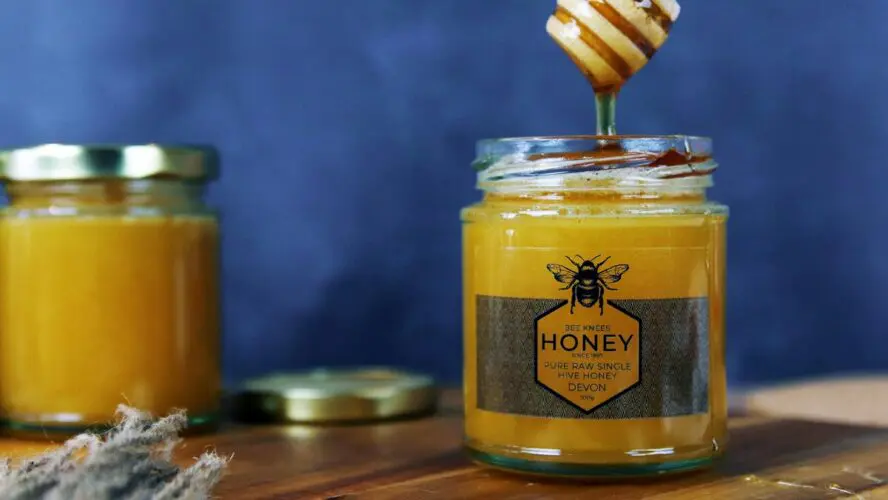
- Inspect the Jar (Raw and Unfiltered): Look for raw, unfiltered honey. True raw honey is naturally opaque, cloudy, and may crystallize over time. This cloudiness is a positive indicator, signifying the presence of beneficial suspended pollen, propolis, and elevated polyphenol antioxidant levels.
- Scrutinize Supermarket Labels: If purchasing commercial honey from a large retailer, look explicitly for brands that state 100% domestic origin (U.S.-produced organic honey), ensuring the product fell under the jurisdiction of direct USDA-accredited annual inspections.
- Support Transparent Brands: Seek out mission-driven companies that practice radical supply chain transparency. Brands like Nate’s, for example, voluntarily subject their supply chains to rigorous third-party testing protocols to verify product purity and combat economic adulteration.
Conclusion
The legal challenge against imported organic honey serves as a vital wake-up call for the food industry and conscious consumers alike. As global supply chains grow increasingly opaque, protecting the integrity of organic standards requires constant vigilance from lawmakers, aggressive enforcement from regulatory bodies, and informed purchasing decisions from the public. By demanding transparency and supporting local, verifiable agricultural practices, consumers can help ensure that the honey they put on their tables remains as pure, natural, and honest as nature intended.



